
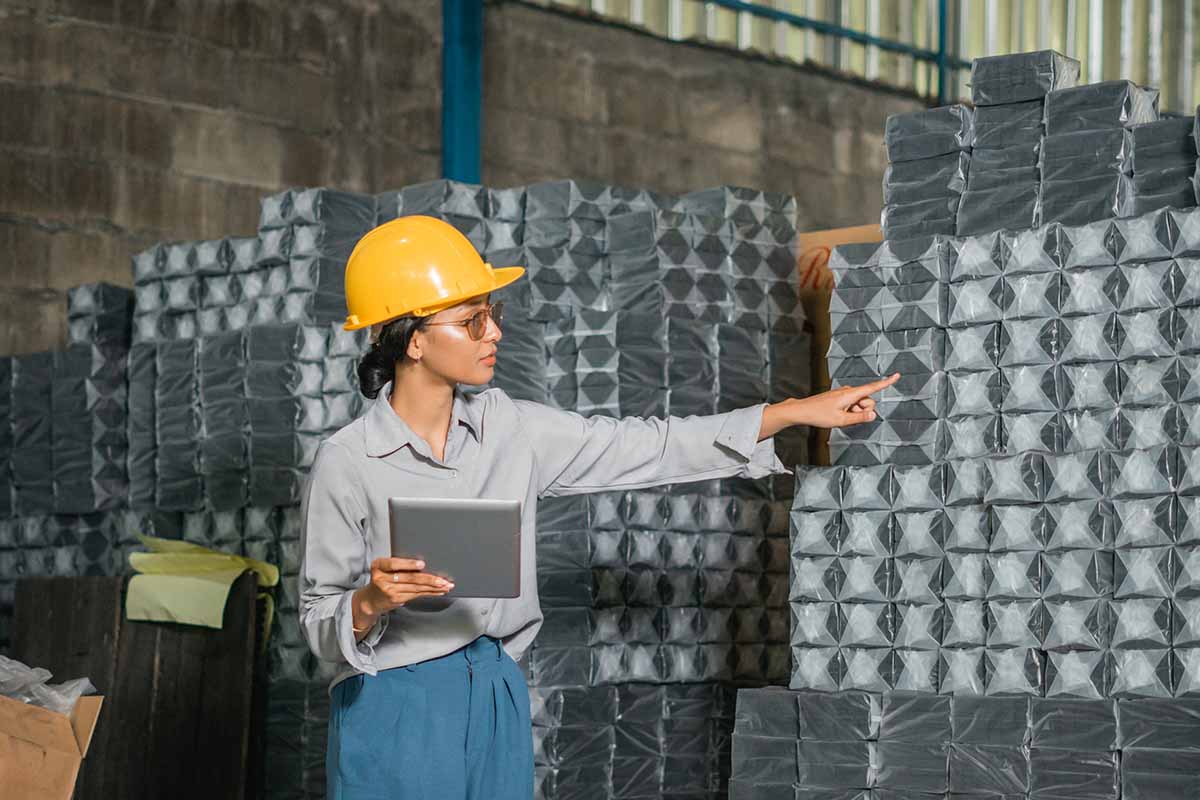
How the Right Industrial Materials Prevent Equipment Problems
✨Key Points
- Industrial materials should match operating conditions such as heat, pressure, chemicals, and physical stress.
- Proper material selection reduces equipment failures, leaks, unexpected repairs, and production downtime.
- Durable, compatible materials improve long-term equipment reliability and lower maintenance costs.
Industrial facilities are dependent on various materials to maintain operations that are safe and efficient.
Selecting materials for equipment, insulation and sealing is a method to lower technical issues that cause production pauses or safety risks.
Because every industrial environment has specific characteristics, like temperature fluctuations, chemical presence and pressure, the selection process is a fundamental part of long term planning.
Evaluation of Operating Environments Prior to Material Selection
The performance of industrial materials is related to the specific environment of their use.
A material that is effective for one purpose may be ineffective in a different setting.
Before a business selects components, it is helpful to review attributes like the ability to withstand heat and the level of physical durability.
Thorough evaluations of working conditions are useful to prevent materials from failing earlier than expected.
For instance, machines that operate in high heat are often equipped with specialized insulation to maintain performance.
Materials like fiberglass rope are available for specific applications where heat resistance is a requirement.
Reduction of Equipment Malfunctions Through Material Selection
Choosing appropriate materials is a way to decrease how often equipment fails.
If materials are not compatible with specific operational demands, they are likely to degrade quickly, which results in leaks and maintenance difficulties.
Such problems are often the cause of interrupted schedules and higher costs.
Equipment is more reliable when components match the technical requirements of the system.
Facilities that spend time identifying correct parts are able to build systems that function consistently over time – this practice is also helpful for maintenance staff, as it reduces the number of repairs caused by the sudden degradation of parts.
Workplace Safety & Operational Efficiency
Safety in industrial settings is often a result of equipment being able to withstand difficult environments.
If materials are of low quality, they are more likely to fail under pressure or chemical exposure, which creates risks for personnel.
Choosing reliable materials is a step toward protecting employees and production processes.
Efficiency is also impacted by these decisions, Materials of high quality are able to improve performance, preventing energy loss and supporting smooth mechanical movements.
For heat management, ceramic fiber insulation is an option for environments where a low weight and the ability to resist high temperatures are necessary.
Using materials designed for specific needs allows a facility to have better control over its processes.
Maintenance Coordination & Material Reliability
The choice of materials is a significant factor in how maintenance is planned
When components are made from suitable substances, it is easier for teams to predict how they will perform and to schedule inspections – this method allows a company to manage potential issues before they cause a full stop in operations.
Reliable materials are also helpful for creating consistent schedules for part replacements.
Instead of reacting to frequent breakdowns, a business is able to focus on prevention – this change is useful for reducing emergency repairs and using company resources more effectively.
Long-Term Performance & Material Quality
Investing in suitable materials is a way to support the long term functionality of industrial systems.
While materials with a low initial price may seem helpful, they often lead to higher costs because of frequent repairs and delays.
Quality materials are valuable because they are dependable over long periods.
Strategic planning for industrial businesses involves the careful review of material needs.
Companies are able to make better decisions when they analyze the environment and performance requirements of their systems – these choices lead to systems that are durable enough for difficult conditions while maintaining an even output.
Improving Product Compatibility Across Industrial Systems
Industrial facilities rely on many components that function together, which makes material compatibility a primary concern.
When operators choose materials that are suitable for surrounding equipment and processes, they prevent issues from chemical reactions, physical wear or inconsistent performance between connected parts.
Smooth operations are possible when parts are compatible and this reduces the chance of unexpected equipment failure.
Businesses make effective decisions when they review how materials interact within a complete system.
Each material is more likely to provide system stability when it is suited for its specific application, like in protective components, insulation products or sealing materials – this approach is helpful for facilities that maintain performance and want to decrease the need for maintenance.
Improving Product Compatibility Across Industrial Systems
Industrial facilities rely on many components that function together, which makes material compatibility a primary concern.
When operators choose materials that are suitable for surrounding equipment and processes, they prevent issues from chemical reactions, physical wear or inconsistent performance between connected parts.
Smooth operations are possible when parts are compatible and this reduces the chance of unexpected equipment failure.
Businesses make effective decisions when they review how materials interact within a complete system.
Each material is more likely to provide system stability when it is suited for its specific application, like in protective components, insulation products or sealing materials – this approach is helpful for facilities that maintain performance and want to decrease the need for maintenance.
Conclusion
Selecting correct materials is a primary method for preventing operational problems – this practice improves the reliability of equipment, supports the safety of the workplace and makes maintenance easier to manage.
Businesses that evaluate their needs are able to avoid the difficulties associated with early equipment failure.
A careful selection process is the basis for industrial operations that are safe and productive.