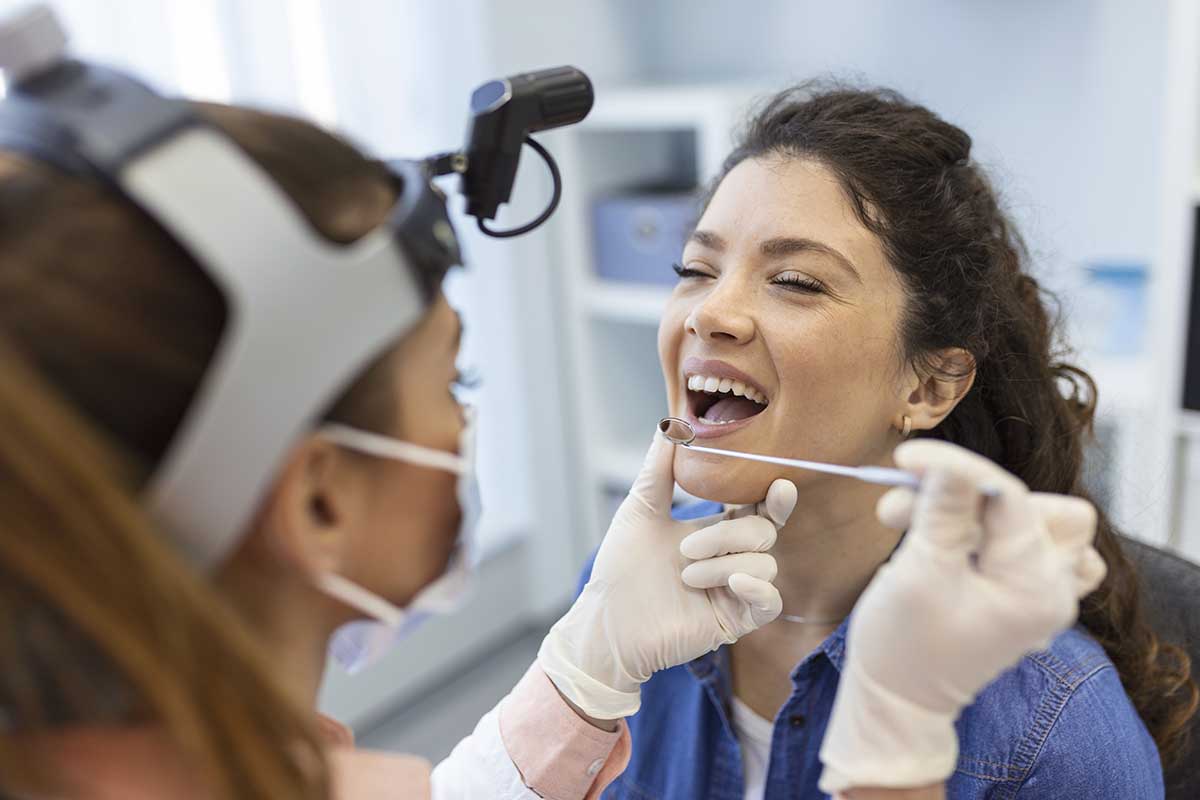
Why Preventative Dental Care Is the Ultimate Form of Self Care
✨Key Points
- Regular dental care can detect cavities and gum disease before they cause severe pain or require more complex treatment.
- Daily brushing, interdental cleaning, and professional care help protect your teeth, comfort, confidence, and quality of life.
- Bleeding gums, persistent bad breath, sensitivity, swelling, or pain should not be ignored or treated only with temporary home remedies.
A toothache rarely begins at a convenient time.
It may appear before an important meeting, during a vacation, or late at night when finding a dentist is difficult.
What started as minor sensitivity can become severe pain, lost sleep, an emergency appointment, and an expensive procedure.
Other warning signs can be easier to ignore:
- Bleeding gums when brushing;
- Persistent bad breath;
- Sensitivity to hot or cold foods;
- Avoiding photos because of stained or damaged teeth;
- Chewing on one side to avoid discomfort;
- Feeling anxious because a dental visit has been postponed for years;
Preventive dental care is a practical form of self-care because it helps identify problems before they begin controlling your comfort, confidence, budget, and daily routine.
The need is significant.
The CDC reports that one in five U.S. adults aged 20–64 has untreated cavities, while approximately 42% of adults aged 30 and older have periodontitis.
Preventive care generally includes brushing twice daily with fluoride toothpaste, cleaning between the teeth, limiting added sugar, and receiving dental examinations and professional cleanings at intervals recommended by a dentist.
Your personal schedule may vary depending on your age, medical history, pregnancy, medications, smoking, diabetes, and previous dental problems.
Preventive dental care may not feel as relaxing as skincare or meditation, but it supports something equally valuable: the freedom to eat, speak, smile, work, and travel without avoidable dental pain.
Redefining the Dental Visit
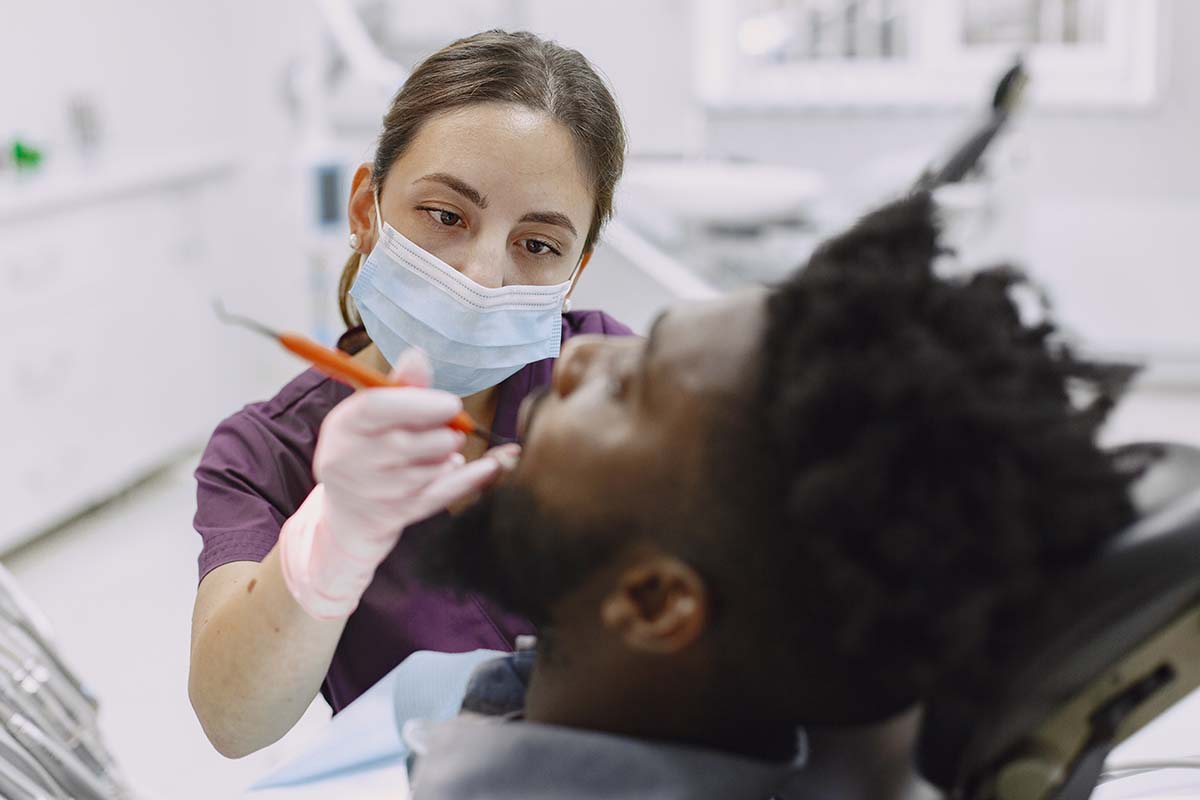
For many people, visiting the dental clinic is something to be delayed rather than celebrated.
Recent national data reveals that only 54 percent of Australians visited a dental professional in the previous 12 months.
Around 28 percent of adults report actively avoiding necessary care, often due to underlying anxiety or negative past experiences.
This reluctance means minor issues are left to escalate into painful emergencies.
However, the dental industry has evolved significantly over the past decade to focus on proactive wellness rather than aggressive intervention.
Modern clinics are shifting toward holistic approaches, such as bio-mimetic restorative dentistry, which focuses on preserving your natural tooth structure.
They are also adopting minimally invasive technologies like Guided Biofilm Therapy, which uses warm water and compressed air to painlessly remove plaque.
If you are located in Melbourne, booking a routine check-up with a reputable Dentist Kew locals recommend is a great way to start building a comfortable, sustainable oral health plan without the stress of traditional treatments.
The Hidden Link Between Your Mouth and Your Body
Taking care of your teeth is not just about avoiding cavities and ensuring fresh breath.
Health authorities increasingly refer to gum disease as a silent epidemic because early-stage gingivitis frequently presents without any painful symptoms.
In fact, roughly three in ten Australian adults currently suffer from moderate to severe periodontitis, with the prevalence sharply increasing as we age.
Left unchecked, the oral bacteria responsible for these conditions do not stay confined to the mouth.
Medical experts now recognise that proactive oral hygiene is a vital component of whole-body health.
According to a recent 2025 systematic review, there is a clear inflammatory association between periodontal disease and systemic health.
The research emphasises that inflammatory pathways connect oral microbes to wider systemic issues.
This means that maintaining healthy gums actively protects your cardiovascular system, supports your immune function, and can even assist in regulating blood sugar levels.
Boosting Mental Well-Being Through Oral Health
Beyond the physical implications, a healthy mouth plays a massive role in our daily psychological well-being.
It is incredibly common to feel self-conscious about dental issues, with roughly one in three adults reporting feeling uncomfortable about their dental appearance.
This deep-seated insecurity can quietly impact social interactions, limit professional confidence, and ultimately reduce overall happiness.
When people feel embarrassed about their teeth, they tend to smile less, which limits their natural capacity to connect with others.
When you treat dental hygiene as an intentional act of self care, you are directly investing in your mental health.
Just like any other foundational wellness habit, taking the time to care for your teeth is an emotional uplift.
As it turns out, improving your smile can profoundly transform your confidence and lifestyle, largely because the physical act of smiling triggers the release of endorphins and reduces stress hormones.
Simple Steps to Build a Sustainable Oral Care Routine
Establishing a great preventative routine does not have to be an overwhelming prospect. Taking cues from recent public health initiatives, such as the Australian Dental
Association’s My Smile campaign, it is all about building small, independent habits before minor issues escalate.
Here are a few ways to easily incorporate dental health into your daily wellness routine:
- Prioritise consistency over perfection: Brush twice a day with fluoride toothpaste and make flossing a non-negotiable part of your evening wind-down routine.
- Stay hydrated: Drinking plenty of water throughout the day helps naturally wash away food particles and neutralises harmful acids that lead to plaque buildup.
- Monitor your nutrition: Limiting sugary snacks and eating crunchy, fibrous vegetables can naturally scrub your teeth and support a healthy oral microbiome.
- Schedule regular preventative check-ups: Catching potential issues early is the only reliable way to measure gum pocket depth and prevent systemic inflammation.
- Embrace modern tools: Consider upgrading to an electric toothbrush or a water flosser to make daily maintenance more effective and enjoyable.
Ultimately, shifting your perspective on dental care can dramatically improve your quality of life.
By viewing your daily brushing and routine check-ups as non-negotiable self care, you are protecting your body, boosting your confidence, and ensuring your smile remains vibrant for years to come.