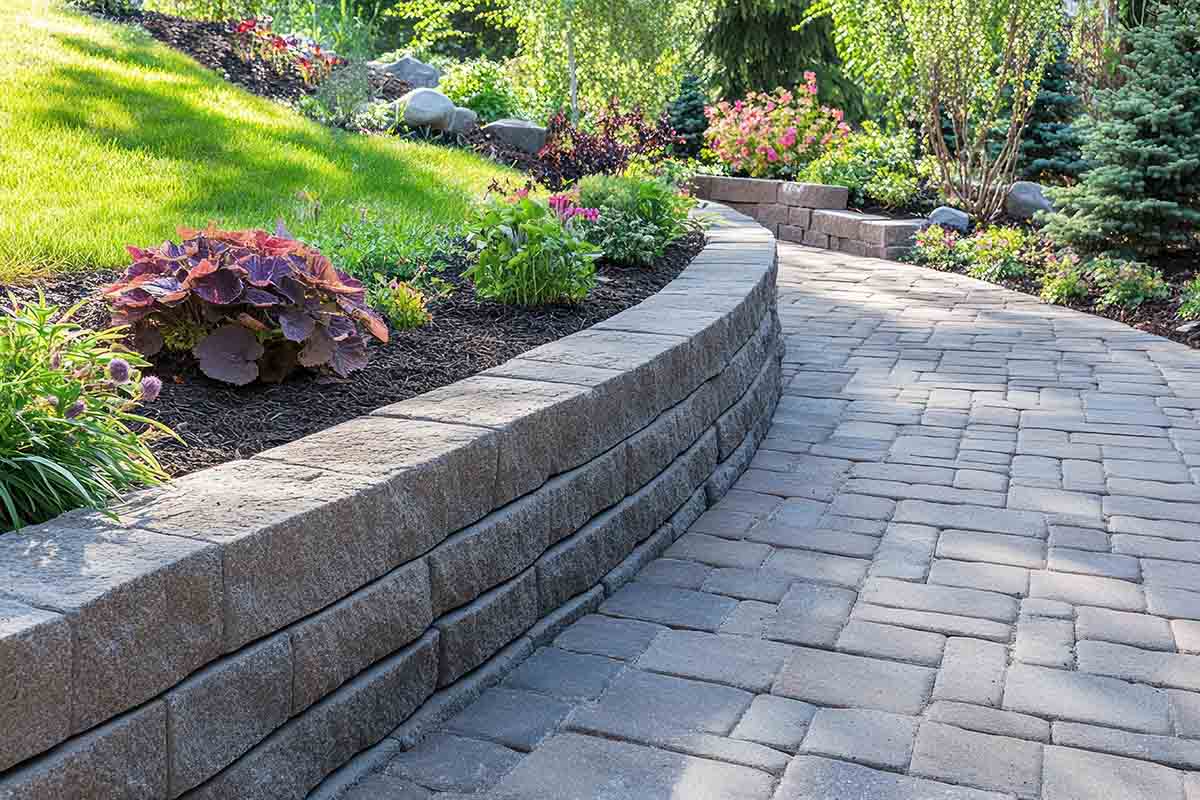
How Hardscaping Can Improve the Function and Appearance of Your Yard
✨Key Points
- Hardscaping makes a yard more functional: Patios, walkways, steps, retaining walls, and other structures can create defined spaces for dining, entertaining, walking, and everyday outdoor activities.
- The right hardscape can solve common yard problems: Properly planned features can help manage slopes, improve access, reduce muddy or worn areas, and support better drainage.
- Hardscaping can improve appearance and reduce maintenance: Combining permanent structures with plants creates a more organized landscape while potentially reducing the amount of lawn and planting areas that require regular upkeep.
A beautiful yard isn’t very useful if you rarely want to spend time in it.
Muddy pathways, steep slopes, poor drainage, nowhere to sit, or too much lawn to maintain can make even an attractive outdoor space frustrating to use.
That is where hardscaping ideas for your yard can make a practical difference.
Hardscaping includes the non-living, built elements of a landscape, such as:
- Patios and walkways;
- Retaining walls and steps;
- Driveways;
- Fire pits and seating areas;
- Outdoor kitchens;
- Paver and stone surfaces.
These features aren’t purely decorative.
A well-planned patio can create an outdoor dining area, a walkway can provide safer access through the yard, and retaining walls can help make sloped spaces more manageable.
The key is choosing hardscape features that solve a specific problem or improve how you actually use your outdoor space, rather than adding structures simply because they look good. Go here to understand hardscape.
Below, we’ll look at how hardscaping can improve your yard’s function, appearance, maintenance needs, and everyday usability, and which improvements may be worth the investment.
It Can Help Create Usable Outdoor Living Areas
Here is one of the biggest benefits of exploring hardscaping ideas for your yard: they can help you create a reliable, comfortable outdoor space that you can actually use and enjoy throughout the year.
A patio, for example, can create a stable surface for your lounge chairs, outdoor sofa, dining set, a barbecue, or anything else.
In short, hardscaping allows you to treat your garden as an extension of your home, instead of a space that you only look at from indoors and cannot really use.
Here is more on what it is and how it can benefit your lawn and landscape: https://www.angi.com/articles/how-can-hardscaping-benefit-my-lawn-and-landscape.htm
It Can Improve the Way You Move Around the Yard
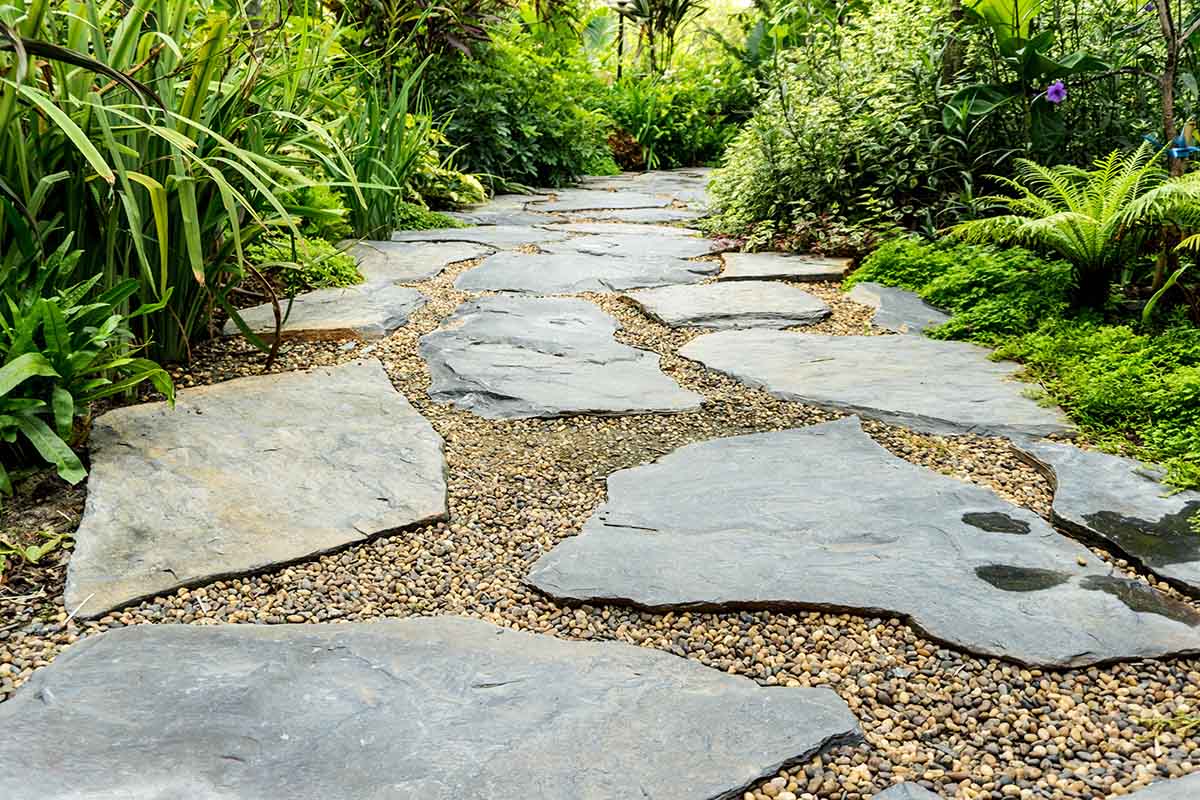
A simple walkway can completely change how your backyard functions.
Without clear paths, people naturally take the shortest route, which can lead to muddy shortcuts, worn grass, damaged planting beds, and slippery areas after rain.
A well-designed walkway gives people a clear, comfortable route while helping protect the surrounding landscaping.
You can use paths to:
- Connect the house with a patio, garden, shed, pool, or driveway;
- Keep foot traffic away from lawns and planting beds;
- Make frequently used areas easier and safer to reach;
- Reduce mud being tracked into the house;
- Define different areas within a larger backyard;
Walkways can also create a more relaxing backyard by making the landscape feel organized and intentional rather than forcing people to navigate around grass, plants, or uneven ground.
And if you’re looking for ways to brighten up your backyard, the path itself can become part of the design.
Light-colored pavers, natural stone, border planting, or low-voltage pathway lighting can add visual interest while making the route easier to use after sunset.
Just remember that appearance isn’t everything.
A useful walkway should be wide enough for comfortable movement, appropriate for how your family uses the space, and designed with drainage in mind so water doesn’t collect on or around the path.
It Can Make Uneven Land Feel Much More Practical
You most probably understand already that sloped yards can be rather difficult to landscape.
For instance, water can run downhill too quickly, the soil can wash away, or you may find it difficult to use the space for anything other than looking at it.
The good news is that a retaining wall can be extremely useful here.
In short, it can hold the soil in place and create separate terraces across the yard.
This will make the property easier to maintain and give the whole landscape more structure.
And when you get professional hardscaping services, you will realize that those walls don’t have to look purely functional.
They can be built from all kinds of materials that will complement the overall appearance of your yard.
In short, they can be both practical and aesthetically pleasing.
It Adds Structure and Visual Balance to the Yard
Even attractive planting can feel unfinished when a yard lacks clear structure.
Hardscaping creates the boundaries, lines, and focal points that visually connect lawns, garden beds, and different outdoor living areas.
For example, you can:
- Use pavers or stone edging to define planting beds;
- Create contrast between smooth paving and textured greenery;
- Add raised beds to give a flat landscape more dimension;
- Repurpose recycled pallets for simple planters or vertical gardens;
- Use paths or retaining walls to separate different functional areas;
Structure becomes particularly important when you choose the right plants for different garden sizes.
In a small backyard, vertical planting and compact beds can preserve valuable floor space.
Larger yards can accommodate layered planting, wider borders, and larger shrubs without making the landscape feel overcrowded.
The goal is balance.
Too little structure can make a garden feel disorganized, while too much paving or hardscaping can make it feel cold and reduce space for plants.
Combining hardscaping ideas for your yard with appropriately sized plants can create an outdoor space that feels organized, visually balanced, and intentionally designed, rather than simply filled with whatever happens to fit.
It Can Help With Drainage and Maintenance
When considering hardscaping ideas for your yard, problems such as standing water, muddy pathways, soil erosion, and water collecting near the house are worth addressing first, as they can make a backyard difficult to use and maintain.
Properly planned hardscaping can help manage some of these problems while making frequently used areas more practical.
Depending on the property, solutions may include:
- Permeable pavers that allow some rainwater to soak into the ground
- Gravel and properly graded paths that help direct water away from high-traffic areas
- Retaining walls that help manage slopes and erosion
- Edging and defined surfaces that keep soil and mulch where they belong
- Drainage systems incorporated around patios, walkways, and other paved areas
Hardscaping can also reduce the amount of lawn or heavily trafficked soil that needs constant attention.
Replacing a permanently muddy shortcut with a properly installed walkway, for example, can eliminate an ongoing maintenance problem rather than repeatedly repairing the grass.
However, more hardscaping does not automatically mean better drainage.
Large impermeable surfaces can increase runoff if grading and drainage aren’t properly considered.
Water should be directed to an appropriate drainage area rather than toward the house or a neighboring property.
For significant pooling, erosion, or water near your foundation, professional assessment may be worthwhile before installing new surfaces.
Hardscaping won’t eliminate yard maintenance, but when it addresses the cause of recurring problems, it can make your outdoor space considerably easier to manage.
And with the right professional hardscaping services for that matter, which you can read more about at https://home.howstuffworks.com/lawn-garden/professional-landscaping/hardscaping.htm.