Car Trends of 2027: What Drivers Should Expect
✨ Key Points
- Electric, hybrid, and software-defined vehicles will continue reshaping the automotive market.
- Safety technology, connected features, and over-the-air updates will become more important to buyers.
- Some 2027 innovations will remain premium or limited-production features rather than industry standards.
The biggest car trends of 2027 will be less about futuristic styling and more about how vehicles are powered, updated, protected, and used.
Automakers are transforming cars into connected technology platforms while continuing to improve batteries, driver-assistance systems, digital interfaces, and energy efficiency.
Because 2027 has not arrived yet, these trends are forecasts based on developments and manufacturer plans confirmed as of August 2026. Key changes to watch include:
- Continued growth in electric and plug-in hybrid vehicle options;
- Longer EV ranges and faster charging capabilities;
- Software-defined vehicles receiving over-the-air updates;
- More advanced driver-assistance and collision-avoidance systems;
- AI-powered navigation, voice control, and cabin personalization;
- Greater use of recycled and lower-impact interior materials;
- Physical controls returning for frequently used vehicle functions;
- More aerodynamic designs created to improve energy efficiency;
- Early progress toward solid-state battery production.
Electric cars already represented one-quarter of global new-car sales in 2025, according to the International Energy Agency.
Meanwhile, software-defined vehicles are allowing manufacturers to add features, improve performance, and fix certain problems through digital updates rather than dealership visits.
Some highly publicized technologies may still have limited availability in 2027.
Fully autonomous personal vehicles and mass-produced solid-state batteries, for example, are more likely to develop gradually than become universal overnight.
Buyers should therefore distinguish between demonstrated features, announced production plans, and early concept technology.
Car Trends of 2027: More Capable Driver-Assistance Systems
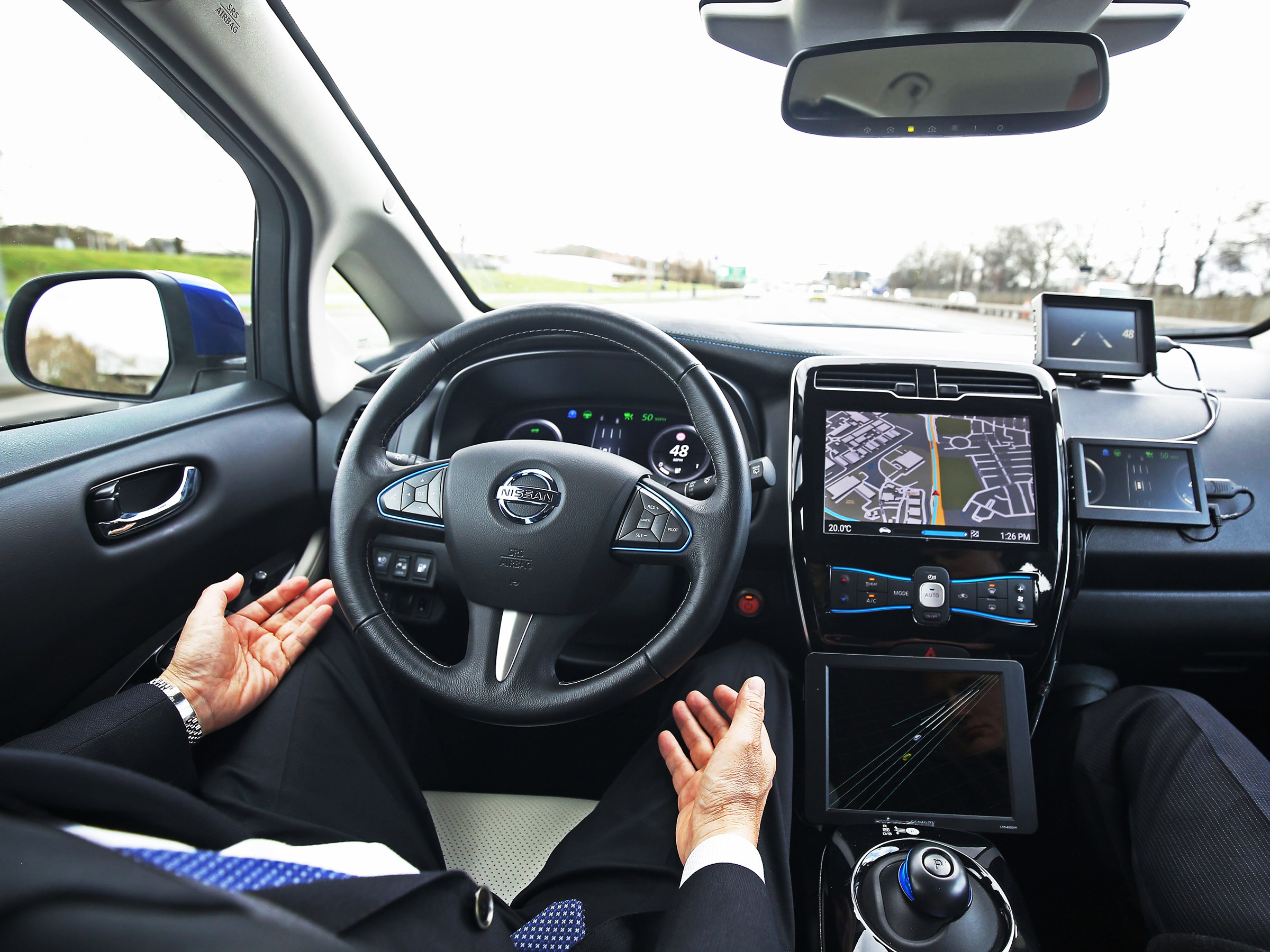
As of August 2026, most supposedly “semi-autonomous” cars use Level 2 driver-assistance technology.
Features such as adaptive cruise control, lane centering, automatic parking, and emergency braking can assist the driver, but they do not make the vehicle self-driving.
The person behind the wheel must remain attentive and responsible.
Mercedes-Benz has introduced limited Level 3 conditional automation, while brands including BMW, Lexus, Kia, Hyundai, and Nissan continue expanding their driver-assistance systems.
Availability depends on the vehicle, road, speed, weather, and local regulations.
By 2027, expect these systems to become smoother and more widely available, but fully autonomous personal cars will remain uncommon.
Buyers should check the system’s official automation level and operating limits instead of relying on names such as “Autopilot” or “Highway Assistant.”
Car Trends of 2027: Smarter Connectivity
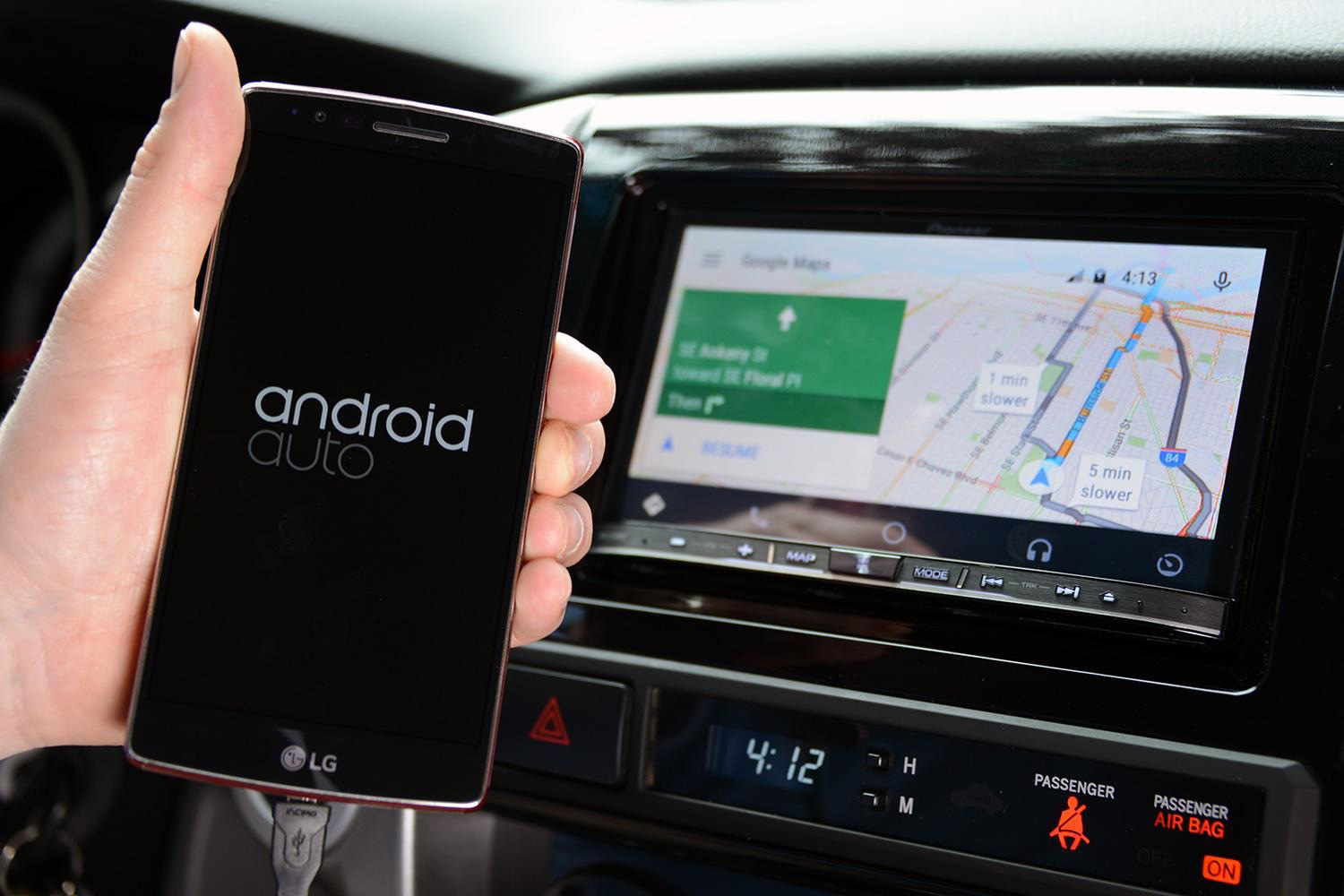
By 2027, vehicle connectivity will extend far beyond Bluetooth calls and music.
Many new cars will function as connected digital platforms that communicate with smartphones, cloud services, charging networks, and manufacturer apps.
Common connected features will include:
- Wireless Apple CarPlay and Android Auto
- Smartphone-based digital keys
- Remote locking, climate control, and charging management
- Over-the-air software and navigation updates
- Built-in 4G or 5G connectivity
- Real-time traffic, parking, weather, and charging information
- Automatic maintenance alerts and remote diagnostics
- In-car Wi-Fi hotspots and app-based entertainment
These features can make driving more convenient, but buyers should check data-plan costs, subscription requirements, software-support periods, and privacy settings.
Streaming videos and browsing should only be available to passengers or while the vehicle is safely parked.
Car Trends of 2027: Electric Vehicles Become More Mainstream
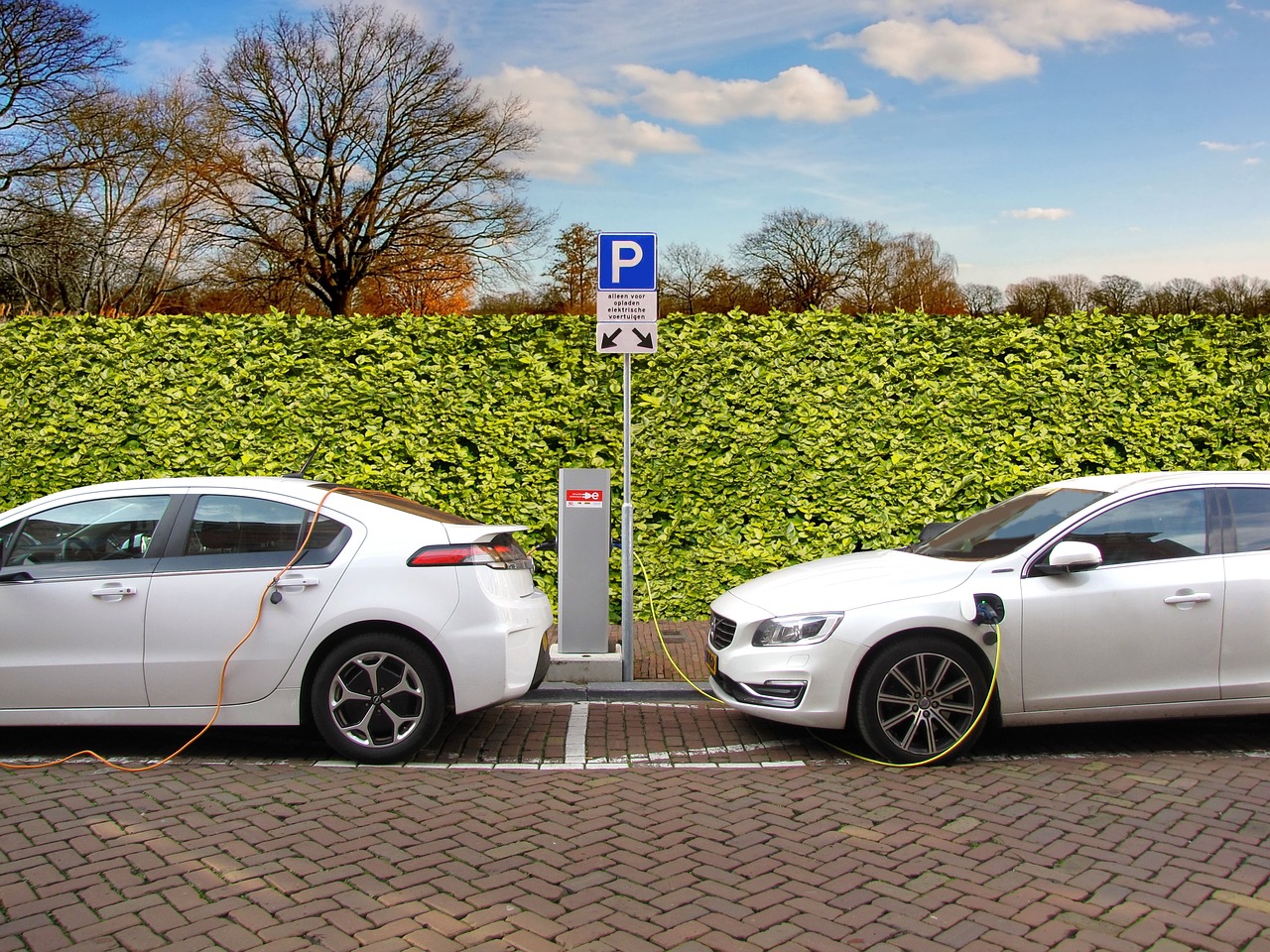
Electric vehicles are no longer futuristic concepts.
More than 20 million electric cars were sold worldwide in 2025, representing approximately one-quarter of all new-car sales, according to the International Energy Agency.
Key EV developments to watch in 2027 include:
- More affordable electric cars in popular market segments
- Longer driving ranges and shorter charging times
- Wider availability of public fast-charging stations
- More electric SUVs, pickups, vans, and commercial trucks
- Improved route planning and battery-preconditioning software
- Greater interest in lower-cost battery technologies
- Continued demand for hybrids and plug-in hybrids
Gasoline and diesel engines will not disappear in 2027.
Charging availability, vehicle prices, government policies, and consumer preferences differ considerably between countries and regions.
Electric, hybrid, and combustion-powered vehicles will therefore continue to coexist.
Solid-state batteries may receive considerable attention, but broad availability is unlikely immediately.
For most buyers, practical improvements in price, charging access, reliability, and real-world range will matter more than experimental technology.
Car Trends of 2027: Better Wireless Phone Charging
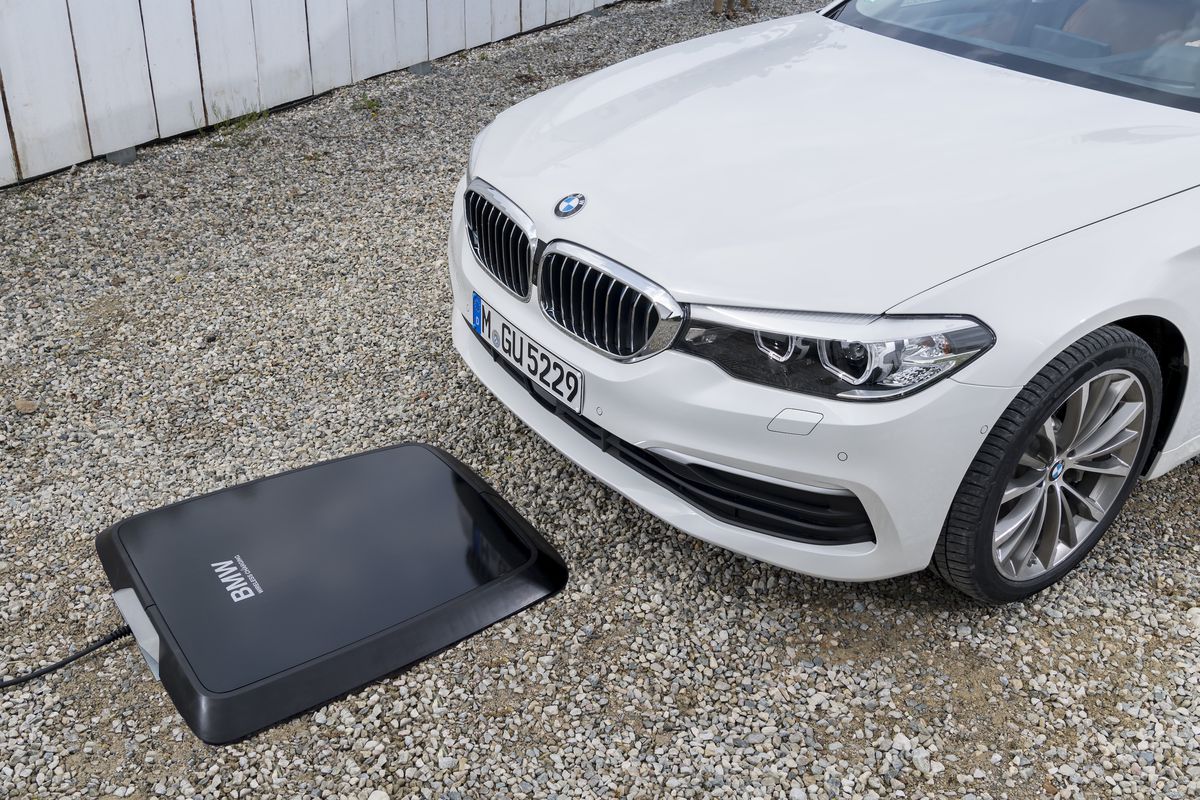
Wireless phone charging is already available in many new vehicles, but performance varies.
Some charging pads work slowly or allow phones to slide out of position, especially during turns.
By 2027, drivers can expect improvements such as:
- Faster charging speeds;
- Better cooling to prevent phone overheating;
- Magnetic alignment for a more reliable connection;
- Charging pads designed for larger phones and cases;
- Clear alerts when charging stops;
- Better integration with wireless Apple CarPlay and Android Auto.
This should make it easier to use navigation, calls, and connected features without draining the phone’s battery.
However, buyers should confirm compatibility and charging speed during a test drive. Other developments are also making vehicles more accessible, including car technologies that assist older and disabled motorists.