Choosing the Groom’s Ring: The Ultimate Guide
✨ Key Points
- Match the wedding band to the groom’s lifestyle: Choose a durable, practical metal and finish based on his occupation, hobbies, activity level, and how often he plans to wear the ring.
- Prioritize fit and everyday comfort: Ring width, thickness, profile, and accurate sizing affect how comfortable the groom’s wedding ring will feel during long-term daily wear.
- Balance personal style, durability, and budget: Compare classic and modern designs, maintenance needs, resizing options, customization costs, and long-term value before making the final decision.
Imagine exchanging vows and placing a wedding band on his finger that feels completely right, comfortable, personal, and designed to remain meaningful for decades.
Choosing the groom’s ring is an important part of wedding planning, but it can feel more complicated than expected.
The band must complement his lifestyle, reflect his personal style, fit comfortably, and remain durable enough for everyday wear.
Before making a final decision, you will need to consider:
- The most suitable metal for his work and daily activities
- Ring width, thickness, profile, and comfort
- Classic versus contemporary designs
- Proper sizing and future resizing options
- Maintenance requirements and long-term durability
- Your budget and preferred level of customization
Whether you select the ring together or the bride chooses it as a meaningful surprise, this is not simply another item to check off the wedding list.
It is one of the few pieces from the celebration that he may wear every day for the rest of his life.
Below is the ultimate guide to choosing the grooms ring with confidence, including practical advice on materials, fit, design, cost, and the details couples often overlook before the wedding day.
Budget
Set a realistic budget before comparing styles.
The price of a groom’s wedding band can vary significantly based on its metal, width, craftsmanship, gemstones, and level of customization.
Current options include:
- Under $200: Silicone, titanium, tungsten, and simple alternative-metal bands
- $200–$800: Higher-quality contemporary metals, distinctive finishes, inlays, and personalized designs
- $800 and above: Gold, platinum, diamond details, and custom-made bands
For example, Manly Bands offers affordable alternative metals and unconventional designs, while Blue Nile carries everything from simple bands under $200 to luxury diamond styles priced above $8,500.
Brilliant Earth is another option for premium gold, platinum, and responsibly sourced designs.
Compare several retailers before buying, and include engraving, resizing, shipping, warranties, and future maintenance in your budget.
This helps you find a ring you genuinely love without creating unnecessary financial pressure during an already expensive wedding season.
Ring Type
Compared to twenty or even ten years ago, men’s wedding bands have come a long way from traditional gold.
Now, men have a variety of choices to choose from when it comes to the metal of their wedding band.
When choosing a metal, you’ll have to consider your groom’s lifestyle and hobbies.
Is he rough with his hands or have a physically demanding job? Best to go with a tough metal that’s durable and will last.
Unlike men’s promise rings, your groom will wear this every day until death do you part.
Below is a list of descriptions of each metal to help you narrow down which is best for you and your groom.
- Silver. If you’re looking for a less expensive, yet popular wedding band, silver is your metal. Be aware it isn’t that durable and won’t be a good pick for someone who is rough with their hands.
- Gold. A traditional choice with a choice between low and high carat is gold with low carat being more durable. A gold band for a groom is recommended with 14-karat.
- Platinum. A more expensive option is platinum. This metal is heavier and is known to be rather uncomfortable to wear, but it is fairly durable.
- Titanium. Titanium is another sturdy metal that is lighter than gold or platinum. It’s lightweight and 100% hypoallergenic.
- Tungsten. Tungsten is becoming increasingly popular among groom wedding bands due to its light weight and affordability. Though it is durable, we recommend choosing a tungsten carbide alloy to help resist scratches along the band.
- Serinium. Serinium metal is a newer popular metal that is known as the “Precious Contemporary Metal.” The metal is an ultra-hard and bright white that works great for both men and women’s wedding bands. It claims to never tarnish, oxidize, change shape or change color.
Incorporate Your Unique Style Into the Wedding Day
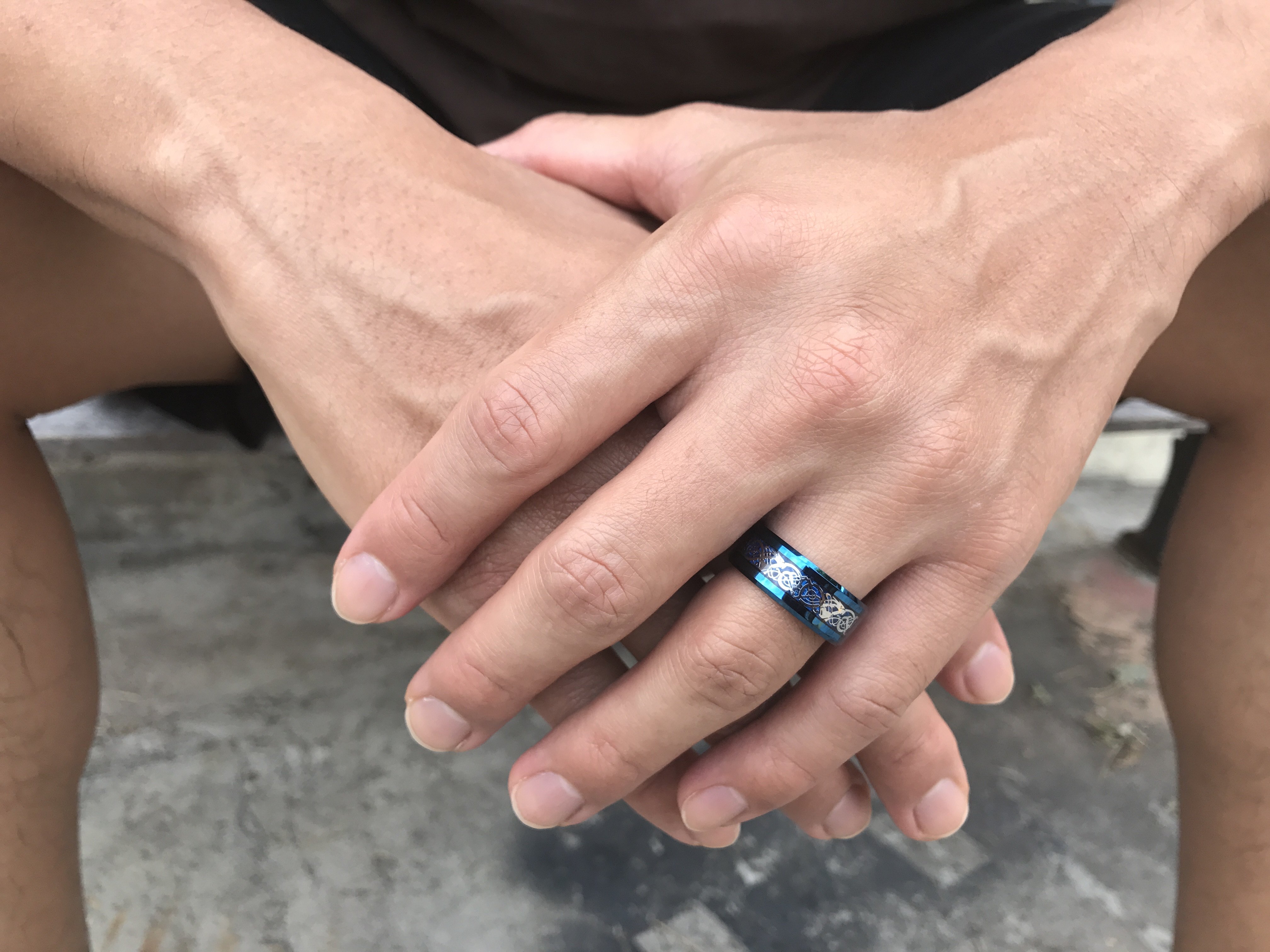
After setting the budget and selecting a metal, consider the groom’s personality, lifestyle, and everyday wardrobe.
A wedding ring may be worn for decades, so it should feel like a natural expression of who he is, not simply match a temporary trend.
When choosing a custom wedding band for men, personalization can include:
- A polished, brushed, matte, hammered, or sandblasted finish;
- A subtle diamond, sapphire, ruby, or other meaningful gemstone;
- Beveled edges or a flat, angular profile for a modern appearance;
- Inlays made from wood, carbon fiber, meteorite, or contrasting metals;
- A special date, location, phrase, or private message engraved inside;
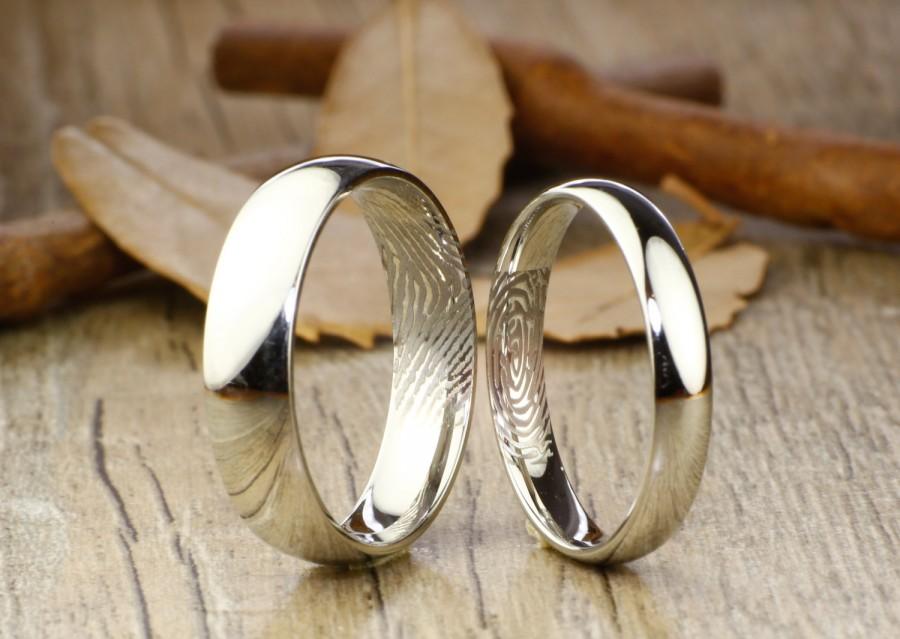
- A laser-engraved fingerprint, signature, sound wave, or heartbeat pattern;.
Couples can coordinate their rings through a shared metal, gemstone, finish, or engraved detail without choosing identical designs.
This allows each partner to incorporate their unique style into a wedding day while maintaining a meaningful connection between the two bands.
The best customization should be personal but also practical.
Consider whether decorative details will remain comfortable, durable, and easy to maintain during the groom’s normal daily activities.
Get Professionally Sized
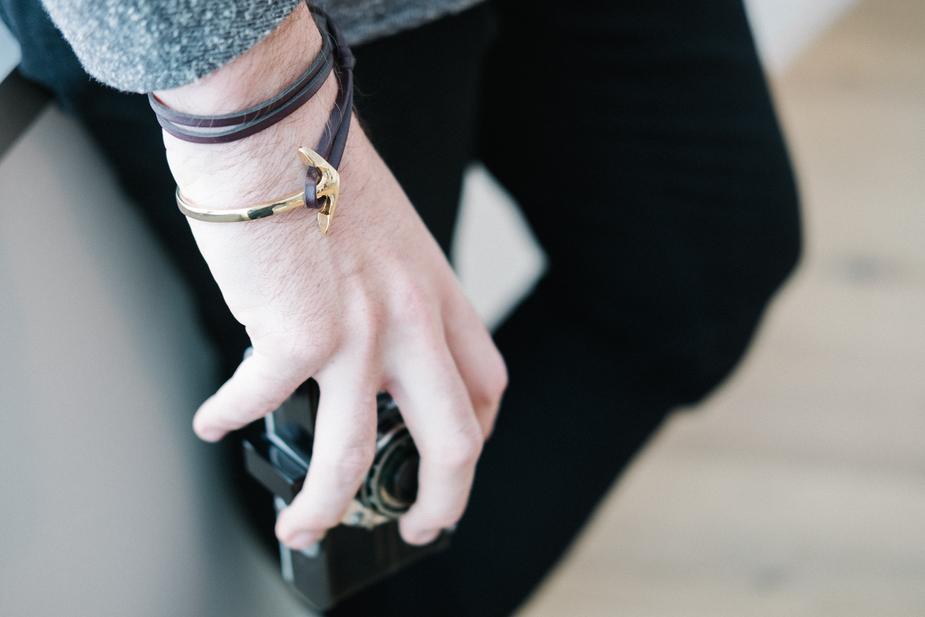
Both partners should have their ring fingers professionally measured before ordering their wedding bands.
Most jewelers provide complimentary sizing, and wider bands may require a slightly different fit than narrow rings.
If the ring is a surprise, borrow a ring your partner already wears on the same finger and hand. Rings worn on other fingers may not provide an accurate size.
Purchasing the Band
Once you have selected the metal, style, engraving, ring size, and any gemstones, including ideas featured in our guide to alternative stones for engagement rings it is time to place the order.
Order early to allow time for production, delivery, resizing, or corrections:
- Standard wedding band: At least two months before the wedding
- Custom wedding band for men: Ideally three to four months before the wedding
When the ring arrives, inspect the design, verify the engraving, and have the groom test the fit well before the ceremony.
Choose a Ring He Will Be Proud to Wear
Choosing the groom’s wedding ring does not have to be stressful, overly expensive, or limited to a plain traditional band.
With today’s range of metals, finishes, gemstones, and personalized details, it is possible to find a ring that reflects his personality without exceeding your wedding budget.
The right choice will give him:
- A comfortable ring suited to everyday wear;
- A durable design that complements his lifestyle;
- A personal symbol of your relationship and shared story;
- A style he will still appreciate years from now;
- Confidence that the money was spent on lasting value;
Your rings do not need to match perfectly, and the most expensive option is not automatically the most meaningful.
Focus on quality, comfort, personal significance, and a design that feels authentic to him.
By setting a budget, comparing materials, confirming the correct size, and ordering early, you can avoid the most common concerns and choose with confidence.
The result will be more than a wedding-day accessory, it will be a lasting reminder of the commitment you are making to one another.