Why You’re Missing Out if You Aren’t Using Screen Recording
✨ Key Points
- Screen recording is widely used in 2026 due to video-first communication trends;
- Over 80% of internet traffic is video, increasing demand for visual content;
- Screen recording improves clarity, saves time, and enhances remote communication.
Screen recording isn’t new, but in 2026, it’s become one of the most practical tools for communication, learning, and content creation.
At its core, screen recording (or screencasting) is simply capturing video directly from your device’s screen.
What’s changed is how widely it’s used.
Today, built-in tools across major systems and the rise of remote work, online education, and content platforms have made it almost essential.
According to Statista, over 80% of internet traffic is video-based, and screen-recorded content plays a major role in tutorials, onboarding, and digital communication.
At the same time, tools like Zoom and Loom have normalized video-first workflows.
That’s why more professionals, creators, and businesses rely on screen recording daily.
Here’s where it becomes useful:
- Explaining ideas clearly without long emails or meetings;
- Creating tutorials, demos, and onboarding content;
- Recording webinars, presentations, and workflows;
- Improving communication in remote and async teams;
- Saving time by showing instead of describing.
If you’re not using screen recording, you’re likely spending more time explaining things than necessary, and missing a simple way to communicate faster and more effectively.
Demonstrating What to Do with Screen Recording (Why It Works Better in 2026)
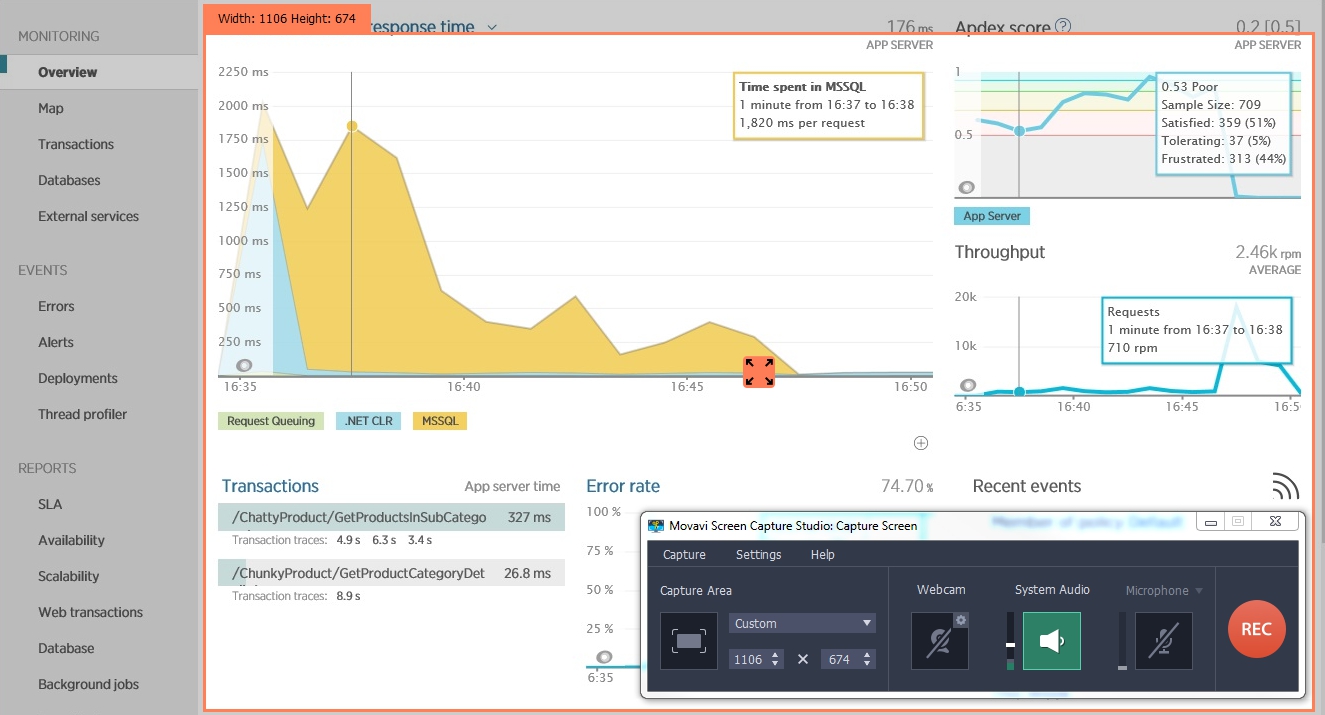
One of the most powerful uses of screen recording is simple: showing exactly what to do.
Instead of explaining steps in text, you can record your screen and walk someone through a process in real time.
That’s why screen recording is widely used for tutorials, software demos, and onboarding, it lets people see each step, not just read about it.
But in 2026, its use goes far beyond tutorials.
With tools like Loom and Zoom becoming part of daily workflows, screen recording is now a go-to solution for faster, clearer communication, especially in remote and async teams.
Here’s where it becomes especially useful:
- Creating tutorials and walkthroughs for software or workflows;
- Explaining complex tasks that are hard to describe in text;
- Recording bugs or issues when contacting technical support;
- Helping teammates or clients by showing step-by-step solutions;
- Reducing back-and-forth in emails and messages.
For example, instead of writing a long message about a technical issue, you can record your screen and show exactly what’s happening.
On the other side, support teams or colleagues can respond with a quick video showing how to fix it.
Compared to text or screenshots, screen recordings are:
- More clear and easy to follow;
- More efficient and time-saving;
- More engaging and practical.
In short, screen recording removes guesswork.
It turns “I think this is what you mean” into “I can see exactly what you mean”, and that makes all the difference.
Saving Content from Your Screen (Why It’s More Useful in 2026)
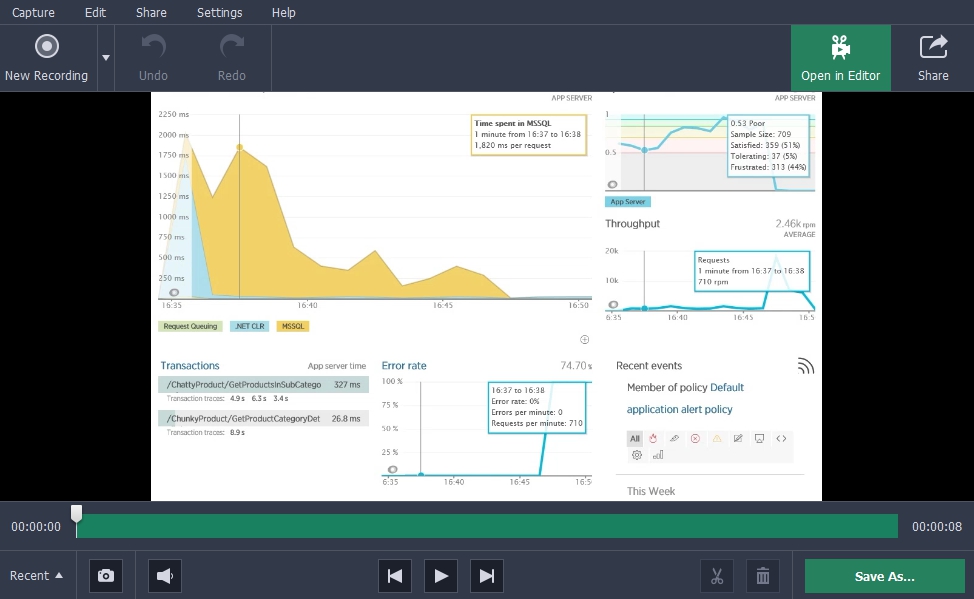
Beyond tutorials, one of the most practical uses of screen recording is saving content directly from your screen, quickly and in context.
For years, people relied on screenshots to capture information. But screenshots are static.
Screen recording lets you capture motion, audio, and full context, which makes it far more useful for how we use devices today.
In 2026, this matters more than ever. With video dominating online activity (according to Statista, over 80% of internet traffic is video), a lot of valuable content is dynamic, temporary, or not easily downloadable.
Here’s how screen recording helps:
- Save video calls, webinars, or live streams for later review;
- Capture tutorials or workflows you want to revisit;
- Record temporary content like Stories or disappearing posts;
- Document important moments on your screen in real time;
- Keep visual notes instead of relying on memory or text.
This is especially useful for content that disappears or changes quickly, like social media Stories or live sessions.
Many users now rely on screen recording to capture these moments before they’re gone.
That said, it’s important to be mindful. Some platforms notify users when content is recorded, and saving content you don’t own can raise privacy and ethical concerns.
Used responsibly, screen recording becomes more than a tool, it’s a way to capture, store, and revisit information exactly as you experienced it, without losing context.
Conclusion
Screen recording isn’t just a tool, it’s a response to how people actually communicate today.
If you look at how content tends will define social media, one pattern is clear: video, speed, and clarity win.
That’s where screen recording fits in.
Instead of long explanations, people now prefer to see things.
Instead of static posts, content is becoming more dynamic.
And instead of one format, creators and professionals rely on different types of a content to stay effective, from quick demos to tutorials, from real-time explanations to saved moments.
Screen recording supports all of that naturally:
- It helps you explain faster and clearer;
- It allows you to create video-first content without complexity;
- It fits into multiple content types — educational, social, and professional;
- It saves time while improving how your message is understood.
The logic is simple: as communication becomes more visual, tools that make visual communication easier become essential.
You don’t need to overthink it. Start using screen recording where it replaces friction, in your work, content, or daily tasks.
Because once you align with how people actually consume content today, everything becomes easier to create, share, and understand.