10 70’s Food Trends That Make You Want To Be A Kid Again
✨ Key Points
- Convenience transformed home cooking. Frozen dinners, boxed meal kits, canned ingredients, and other time-saving products became increasingly visible in American kitchens.
- Food was part of the entertainment. Fondue pots, colorful desserts, appetizer trays, and dramatic table presentations turned meals into shared social experiences.
- Nostalgic recipes preserve personal memories. Recreating a childhood dish can bring families together, encourage storytelling, and introduce younger generations to the flavors their parents or grandparents enjoyed.
Do certain flavors instantly take you back to childhood dinners, family celebrations, or colorful neighborhood parties?
Food nostalgia can reconnect us with people, places, and routines that helped shape our lives.
Food in the 1970s reflected a changing culture.
Busy households embraced convenient boxed meals and frozen dinners, while home entertainers served fondue, cheese balls, deviled eggs, Jell-O molds, and other imaginative party foods.
Some dishes disappeared from everyday menus, but many classic 70s recipes remain enjoyable, and surprisingly easy to update.
In this guide, you will discover:
- Ten memorable 1970s food trends and retro recipes;
- The convenience foods that changed family mealtimes;
- Popular vintage party foods served at social gatherings;
- Classic dishes that still deserve a place on modern menus;
- Simple ways to recreate nostalgic foods with fresher ingredients;
Whether you remember these foods personally or simply love exploring vintage cuisine, these ten popular 1970s food trends offer a delicious journey into the past.
Quiche Lorraine: The 1970s Brunch Classic
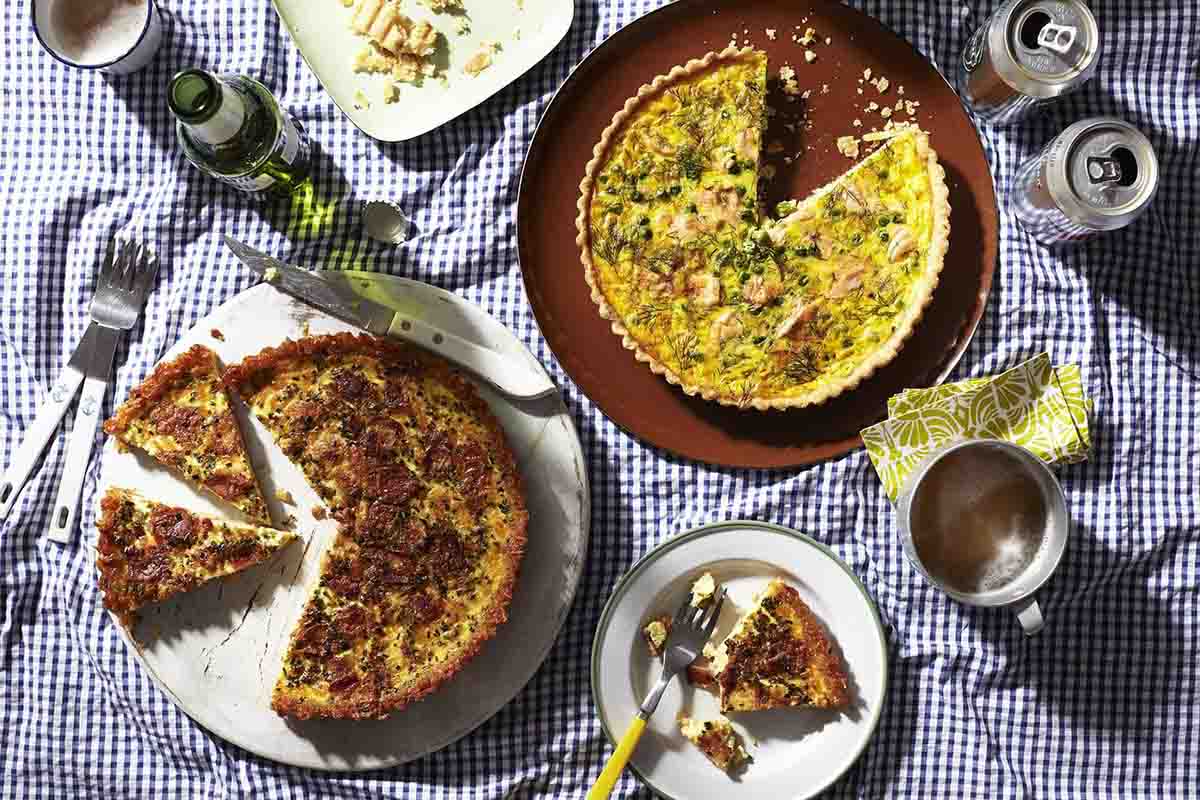
Quiche became one of the most recognizable 1970s food trends, appearing at brunches, luncheons, dinner parties, and fashionable social gatherings.
Its French identity made this savory tart feel sophisticated, while its make-ahead convenience made it practical for home entertaining.
The best-known version was Quiche Lorraine.
The traditional recipe from France’s Lorraine region combines pastry with eggs, cream, and bacon or lardons.
Swiss or Gruyère cheese became common in American versions, although authentic Quiche Lorraine traditionally contains no cheese.
Quiche remains a practical meal because it can be:
- Prepared ahead and served warm or at room temperature;
- Filled with bacon, spinach, mushrooms, vegetables, or smoked salmon;
- Made crustless or adapted into a paleo version;
- Used to turn leftover vegetables, cheese, and herbs into a complete meal;
- Served for breakfast, brunch, lunch, or a quick family dinner;
The dish later became connected with the bestselling 1982 satire Real Men Don’t Eat Quiche.
Rather than single-handedly ending the trend, the book reflected the outdated gender stereotypes surrounding foods considered refined or feminine.
Fortunately, quiche has outgrown that image and remains popular today.
Serve it with a green salad for an affordable and satisfying meal that proves some classic 1970s recipes deserve to remain on modern tables.
Pineapple Chicken: A Sweet-and-Savory 1970s Favorite
Pineapple appeared everywhere in 1970s cooking, from glazed ham and upside-down cake to colorful chicken dishes.
Adding canned pineapple gave an ordinary dinner an affordable “tropical” twist, reflecting the decade’s fascination with Polynesian-inspired restaurants and tiki culture.
Pineapple chicken became especially popular because the fruit’s acidity and sweetness balanced the savory meat.
A typical version combined chicken, pineapple chunks, bell peppers, onions, and a glossy sweet-and-sour sauce.
To create a fresher modern version:
- Use fresh pineapple or pineapple canned in juice rather than heavy syrup;
- Add red or green bell peppers for color and texture;
- Balance the sweetness with soy sauce, ginger, garlic, or rice vinegar;
- Serve it with steamed rice, brown rice, or crunchy vegetables;
- Cook the pineapple briefly so it remains firm and juicy;
It is important to distinguish retro “Hawaiian-style” pineapple dishes from authentic Hawaiian cuisine, which reflects Native Hawaiian traditions alongside Japanese, Chinese, Filipino, Portuguese, Korean, and other cultural influences.
Poke, for example, has its own Hawaiian history and is not simply a modern version of pineapple chicken.
Interest in Hawaiian food has helped more diners discover this deeper culinary heritage.
Meanwhile, pineapple chicken remains an easy family meal that delivers the sweet-and-savory flavor many people remember from childhood, without requiring the heavy syrup and overly sugary sauce common in older recipes.
Carrot Cake: The “Healthy” Dessert of the 1970s
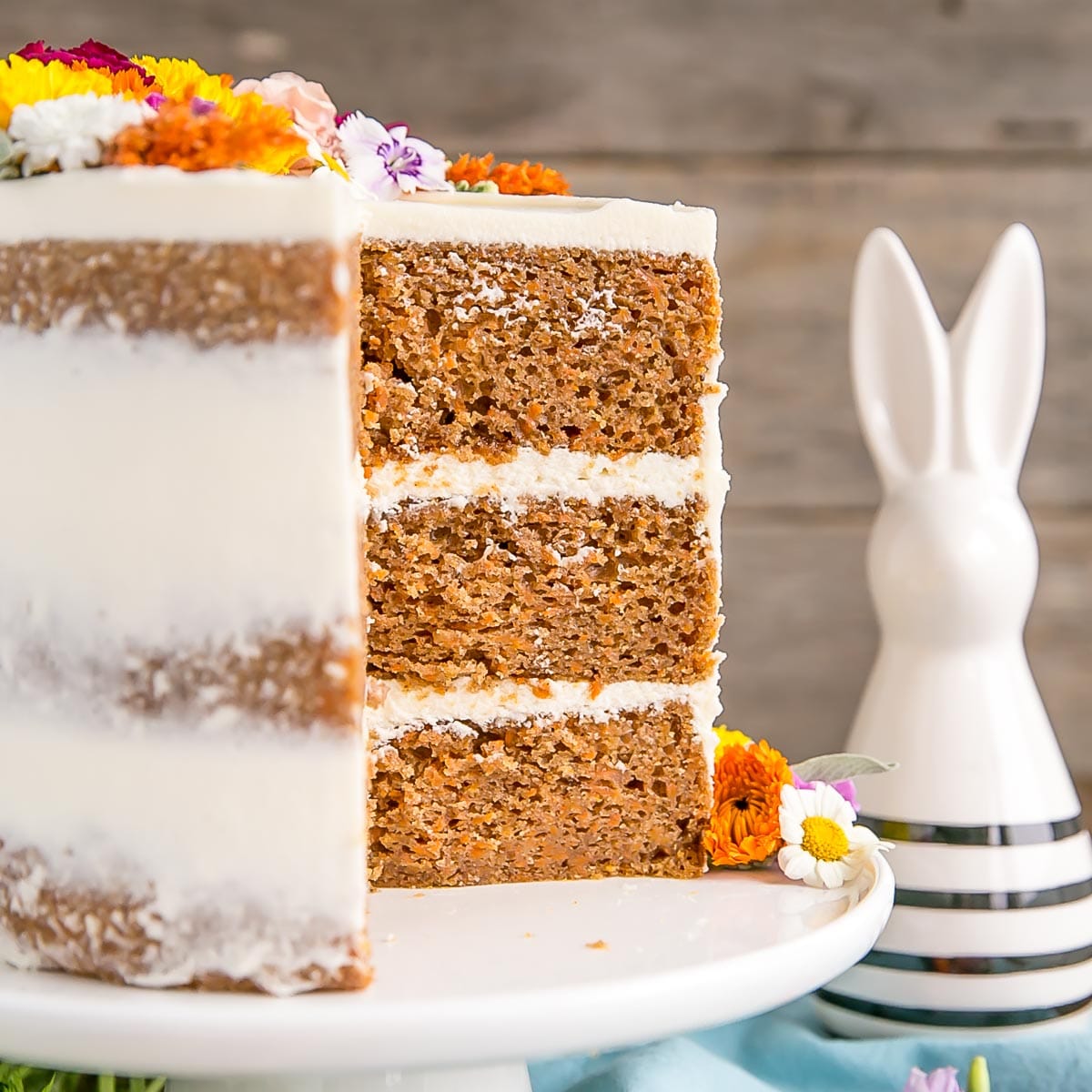
Carrot cake has a much longer history than the 1970s, but wartime food rationing helped revive interest in using naturally sweet carrots in desserts.
During World War II, when sugar was limited, British households were encouraged to use carrots in puddings, cakes, and other recipes.
The dessert experienced another surge in popularity during the 1970s.
As natural ingredients and health-conscious cooking attracted more attention, many home bakers considered carrot cake a wholesome alternative to conventional cakes.
However, carrots do not automatically make a dessert healthy, traditional recipes can still contain substantial amounts of sugar, oil, and cream cheese frosting.
A memorable carrot cake usually includes:
- Finely grated carrots for moisture and natural sweetness;
- Cinnamon, nutmeg, or ginger for a warm flavor;
- Walnuts or pecans for texture;
- Raisins or crushed pineapple for additional sweetness;
- Tangy cream cheese frosting to balance the spiced cake;
Modern bakers can reduce the sugar, use unsweetened applesauce to replace some of the oil, or serve smaller portions.
Carrot cake also offers plenty of decorating possibilities, from simple chopped nuts to elaborate celebration and wedding cake designs.
Whether decorated with delicate carrot shapes or a little disco-inspired sparkle, this nostalgic 1970s dessert remains popular because it is moist, comforting, and easy to personalize.
Pasta Primavera: The Fresh Side of 1970s Food
The 1970s are often remembered for boxed dinners and heavily processed convenience foods, but pasta primavera represented something different: colorful vegetables, fresh ingredients, and restaurant-style presentation.
Despite its Italian name, pasta primavera is an Italian-American creation.
Restaurateur Sirio Maccioni is widely credited with developing the dish during a 1975 visit to Nova Scotia before introducing it as an off-menu special at New York City’s Le Cirque.
A widely discussed 1977 recipe helped transform it into one of the decade’s most fashionable pasta dishes.
A modern pasta primavera can include:
- Asparagus, peas, zucchini, broccoli, or green beans;
- Vegetables cooked briefly to preserve their color and texture;
- Garlic, lemon zest, basil, parsley, or other fresh herbs;
- A light cream sauce, olive oil, or a small amount of pasta water;
- Parmesan, Pecorino Romano, or toasted pine nuts as a finishing touch.
The original Le Cirque version included butter, cream, cheese, and several vegetables, so it was not necessarily a light or low-calorie meal.
Modern recipes often reduce the cream and place greater emphasis on seasonal produce.
Pasta primavera remains useful because it can turn vegetables left in the refrigerator into a satisfying family dinner.
Choose produce that is currently in season, cook the pasta until al dente, and add the vegetables near the end to avoid a soft, watery result.
More than five decades later, this classic 1970s pasta dish still feels relevant because it is flexible, colorful, and easy to adapt for vegetarians or anyone trying to add more vegetables to an everyday meal.
Green Goddess Dressing: A Fresh 1970s Revival
Not every popular 1970s food came from a box.
As natural foods, vegetarian cooking, and salad bars gained attention, Green Goddess dressing returned as a flavorful way to make fresh vegetables more appealing.
The dressing was not invented during the 1970s.
Chef Philip Roemer created it at San Francisco’s Palace Hotel in 1923 to honor actor George Arliss, who starred in the play The Green Goddess.
The original recipe combined mayonnaise, anchovies, vinegar, and fresh herbs.
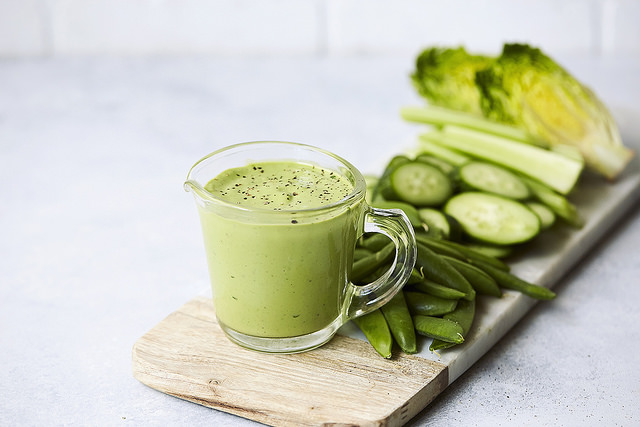
Classic and modern versions may include:
- Parsley, chives, tarragon, basil, or green onions;
- Mayonnaise, sour cream, Greek yogurt, or avocado;
- Lemon juice or vinegar for acidity;
- Garlic for a stronger savory flavor;
- Anchovies for the traditional salty, umami taste;
Because the original recipe contains anchovies, traditional Green Goddess dressing is not vegetarian.
For a vegetarian or vegan version, omit the fish and use capers, miso, or another plant-based ingredient to add depth.
This versatile herb dressing can be spooned over salads, served as a dip for carrots and cucumbers, spread on sandwiches, or used as a sauce for roasted vegetables, chicken, or fish.
Prepare a jar at the beginning of the week to make simple vegetables and weekday lunches taste more exciting.
Green Goddess dressing remains popular because it solves a familiar problem: healthy meals can feel repetitive.
Its vibrant color and fresh herbal flavor can transform an ordinary bowl of greens into something genuinely enjoyable.
Cheese Logs and Cheese Balls
No 1970s party table was complete without a cheese log or cheese ball.
These nostalgic appetizers were affordable, easy to prepare ahead, and endlessly customizable.
Popular combinations included:
- Cream cheese and cheddar;
- Herbs, garlic, or dried fruit;
- Chopped nuts, bacon, or spices;
- Crackers and fresh vegetables for serving.
Today, they are once again a popular party food.
Their retro appearance adds fun to a gathering, while their simplicity makes them ideal for holidays, potlucks, and last-minute entertaining.
Crepes: An Affordable Taste of France
Like quiche, crepes became a popular 1970s food trend because they made an ordinary meal feel chic and European.
Mall creperies decorated in a romantic French-country style turned inexpensive ingredients into a memorable dining experience.
Crepes can be served with:
- Strawberries, bananas, chocolate, or whipped cream;
- Lemon juice and sugar;
- Ham, cheese, mushrooms, or spinach;
- Eggs and vegetables for breakfast or brunch.
Crepes remain popular because they are affordable, versatile, and easy to personalize.
Make the batter ahead, cook the crepes in minutes, and let everyone choose their own fillings for a simple family meal or interactive brunch.
Fondue: The Ultimate 1970s Party Food
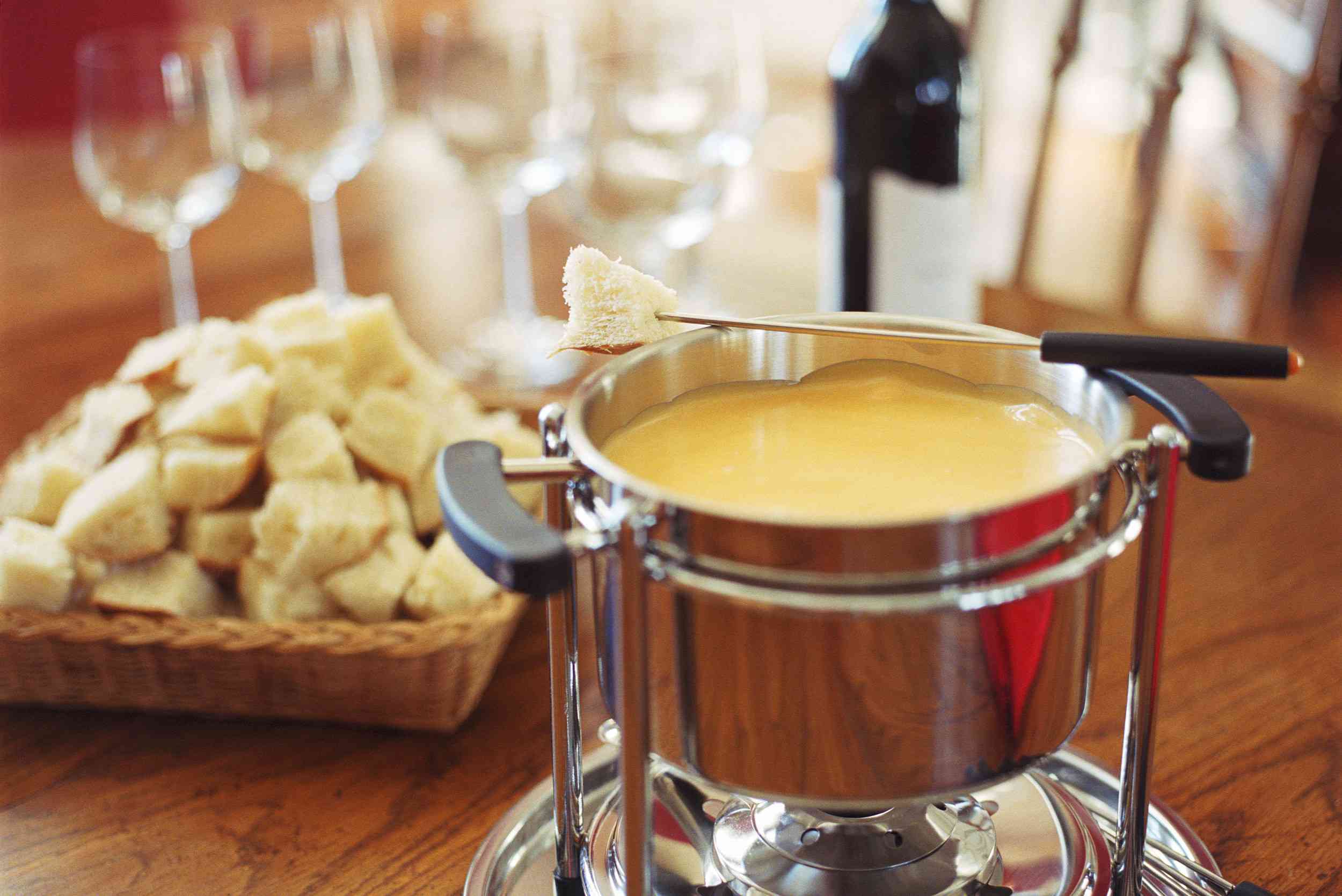
Swiss cheese fondue became a fashionable American party dish during the 1960s and 1970s.
It required little preparation, encouraged guests to gather around one pot, and turned dinner into a shared experience.
Popular fondue dippers include:
- Cubes of crusty bread;
- Roasted or steamed potatoes;
- Apples, pears, or grapes;
- Broccoli and other firm vegetables;
- Cooked sausage or chicken.
Traditional Swiss fondue usually combines melted cheese, dry white wine, garlic, and sometimes kirsch.
Keep it warm over gentle heat and stir occasionally to maintain a smooth texture.
Fondue remains a popular restaurant and party experience because it offers more than comfort food.
It slows down the meal, encourages conversation, and gives friends and family an enjoyable reason to gather around the table.
Deviled Eggs: A Classic 1970s Party Appetizer
Deviled eggs appeared at countless 1970s family gatherings, holiday dinners, and potlucks.
They were affordable, easy to prepare, and simple to eat without utensils.
The basic filling combines cooked egg yolks with mayonnaise, mustard, salt, and pepper.
Modern variations can include:
- Chives or fresh dill;
- Crispy bacon;
- Pickle relish;
- Smoked paprika;
- Sriracha or hot sauce.
Prepare deviled eggs ahead and keep them refrigerated until serving.
Their creamy filling, nostalgic flavor, and endless customization still make them an excellent finger food for parties and family celebrations.
Zucchini Bread: A Practical 1970s Home-Baking Favorite
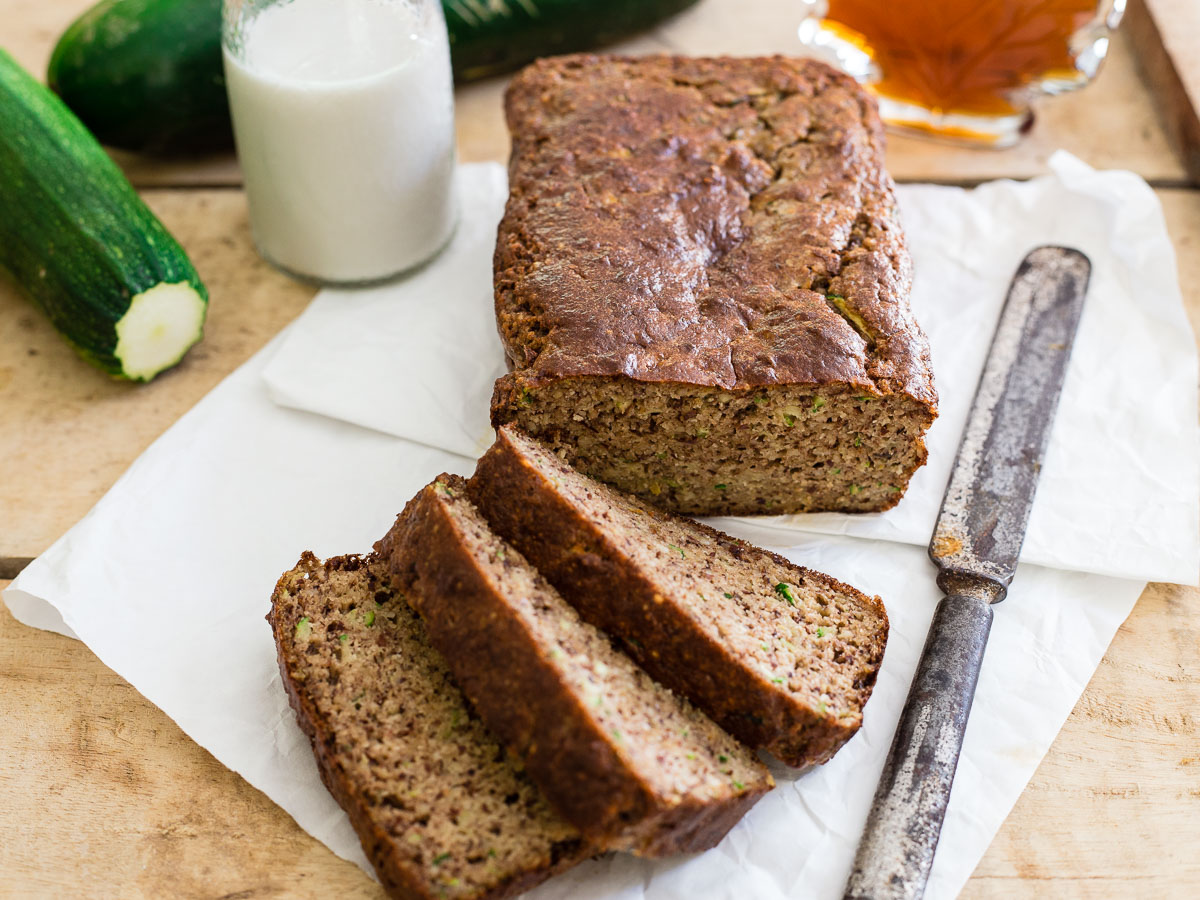
Zucchini bread became widely popular during the 1960s and 1970s, when home gardening and natural-food cooking gained attention.
It also provided a delicious way to use an abundant summer zucchini harvest.
Popular additions include:
- Walnuts or pecans;
- Cinnamon and nutmeg;
- Raisins or dried cranberries;
- Chocolate chips;
- Lemon zest or blueberries;
Although zucchini adds moisture and some nutrients, it does not automatically make the bread healthy.
Many recipes still contain considerable sugar and oil.
For a lighter version, reduce the sugar or replace some oil with unsweetened applesauce.
Zucchini bread remains a comforting and practical recipe because it reduces garden waste, freezes well, and turns an inexpensive vegetable into an easy breakfast, snack, or homemade gift.
Conclusion: Bring 1970s Food Trends Back to Your Table
Recreating a favorite childhood dish offers more than a nostalgic meal.
Familiar flavors can bring forgotten moments back to life, the family table, neighborhood parties, holiday gatherings, and people who may no longer be with us.
Revisiting these classic 1970s recipes can help you:
- Reconnect with meaningful childhood memories;
- Preserve family recipes and personal traditions;
- Share stories with children and younger relatives;
- Turn an ordinary dinner into a fun themed experience;
- Spend meaningful time cooking with friends or family;
- Update vintage dishes to suit modern tastes and dietary needs.
You do not need to recreate every recipe exactly as it appeared decades ago.
Make a lighter carrot cake, add fresh vegetables to pasta primavera, or organize a retro fondue night.
The goal is not to live in the past, it is to carry its happiest parts into the present.
Choose one nostalgic recipe, invite someone you love, and create a new memory around an old favorite.
You can also discover more stories, recipes, and cultural moments from your youth.
Which 1970s food trend would you bring back first?