
Build a Practical 2026 Content Marketing Plan
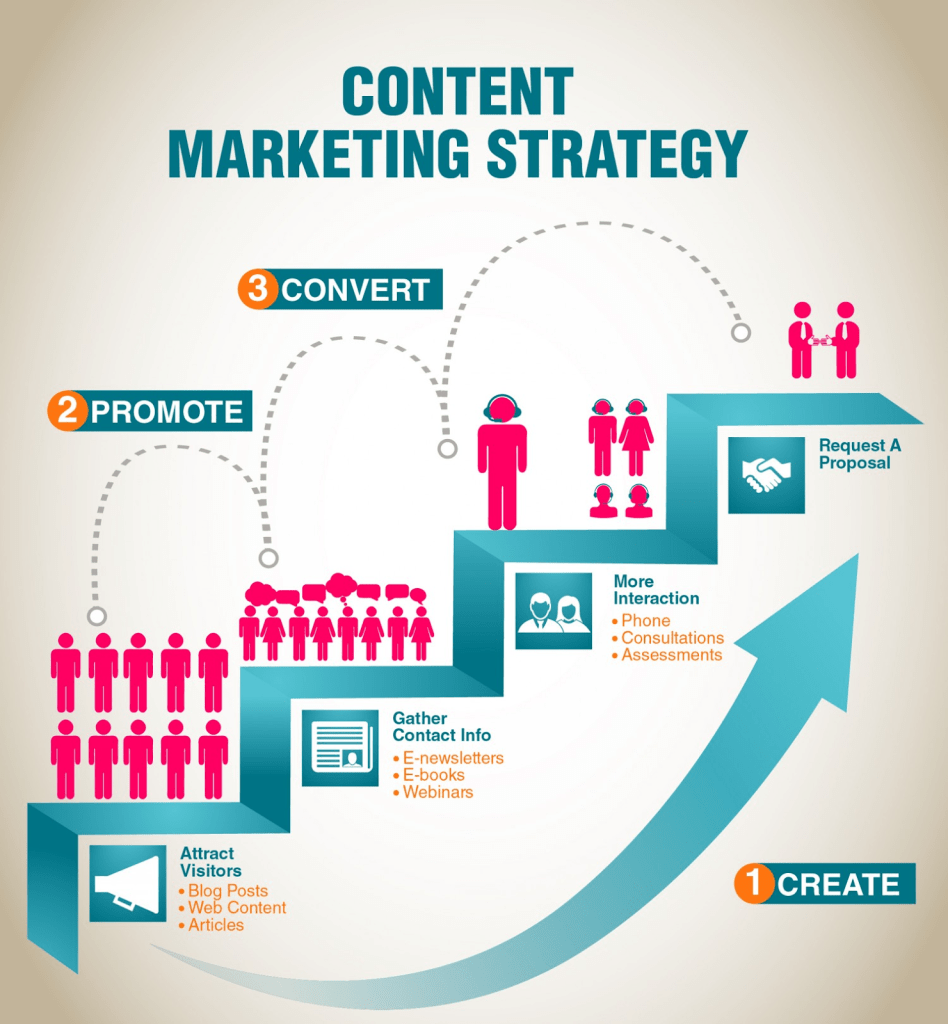
In 2026, effective content marketing tactics go far beyond organizing blog posts or setting timelines; they require strategic planning built around search intent, audience pain points, and conversion-focused execution.
It starts with market research, identifying real pain points, and structuring your strategy around Ben Hunt’s Awareness Ladder so every piece of content moves your audience closer to action.
Before writing anything, you need clarity on:
What specific pain points your audience is experiencing;
What stage of awareness they are in (Unaware, Problem Aware, Solution Aware, Product Aware, Most Aware;)
What emotional triggers influence their decisions;
What objections prevent conversion;
This is where modern content planning separates itself from outdated 2019-style tactics.
Step 1: Start With Pain-Point Mapping
Instead of asking, “What content should we create?” ask:
What problem keeps our audience awake at night?
What frustrations do they Google repeatedly?
What fears or risks are driving their behavior?
Use surveys, reviews, competitor analysis, search queries, and sales conversations to build a pain-point database. This becomes the foundation of your conversion-focused content funnel.
Step 2: Structure Content Using Ben Hunt’s Funnel
Your content plan should align with awareness stages:
1. Problem-Aware Content
Goal: Attract attention through relatable pain points
Formats:
Educational blog posts
Search-optimized guides
Short-form awareness videos
Zero-click value summaries
2. Solution-Aware Content
Goal: Show available methods and frameworks
Formats:
Comparison articles;
Case studies;
Strategy breakdowns;
Explainer videos.
3. Product-Aware Content
Goal: Position your offer clearly
Formats:
Testimonials;
ROI breakdowns;
Demo walkthroughs;
Objection-handling posts.
4. Most-Aware Content
Goal: Convert
Formats:
Limited-time offers;
Direct call-to-action landing pages;
Email nurturing sequences;
This structure ensures your content is not random. It becomes intentional and measurable.
Step 3: Build a Realistic Execution Timeline
A practical 2026 content plan should include:
Defined content types (blogs, social posts, visual assets, guest articles, email sequences;)
Publishing frequency per funnel stage;
Clear KPIs (dwell time, engagement depth, conversions — not just traffic;)
Distribution channels (SEO, social, email, partnerships;)
Monthly optimization reviews
Each activity should be treated as an individual asset with a timeline, purpose, and performance metric.
Instead of creating content “because you should,” you create content because it moves someone one step higher on the awareness ladder.
Protect Your Authority: Why Original Content Matters More in 2026

Copyright Checker
Copyright infringement is a serious crime for which you are liable for punishment from the court.
Thus, never indulge yourself in deliberately copying someone else’s content and using it as your intellectual property.
However, sometimes it happens that you unintentionally present someone else’s ideas or content as your own.
It may happen out of complete chance or there may be some mistake in the citation.
Either case, save yourself from embarrassment by using a copyright checker.
A copyright checker functions almost in a similar manner to a plagiarism checker. It makes use of an online database to avoid any copyright infringement.
Copyright checkers are real handy in digital marketing where they ensure the uniqueness of your content and give a tough time to your competitors.
Voice Search Optimization in 2026: Why It’s No Longer Optional
User behavior continues to evolve, and in 2026, convenience dominates decision-making.
People want faster, frictionless interactions, which is why voice search optimization has become a critical part of modern digital strategy.
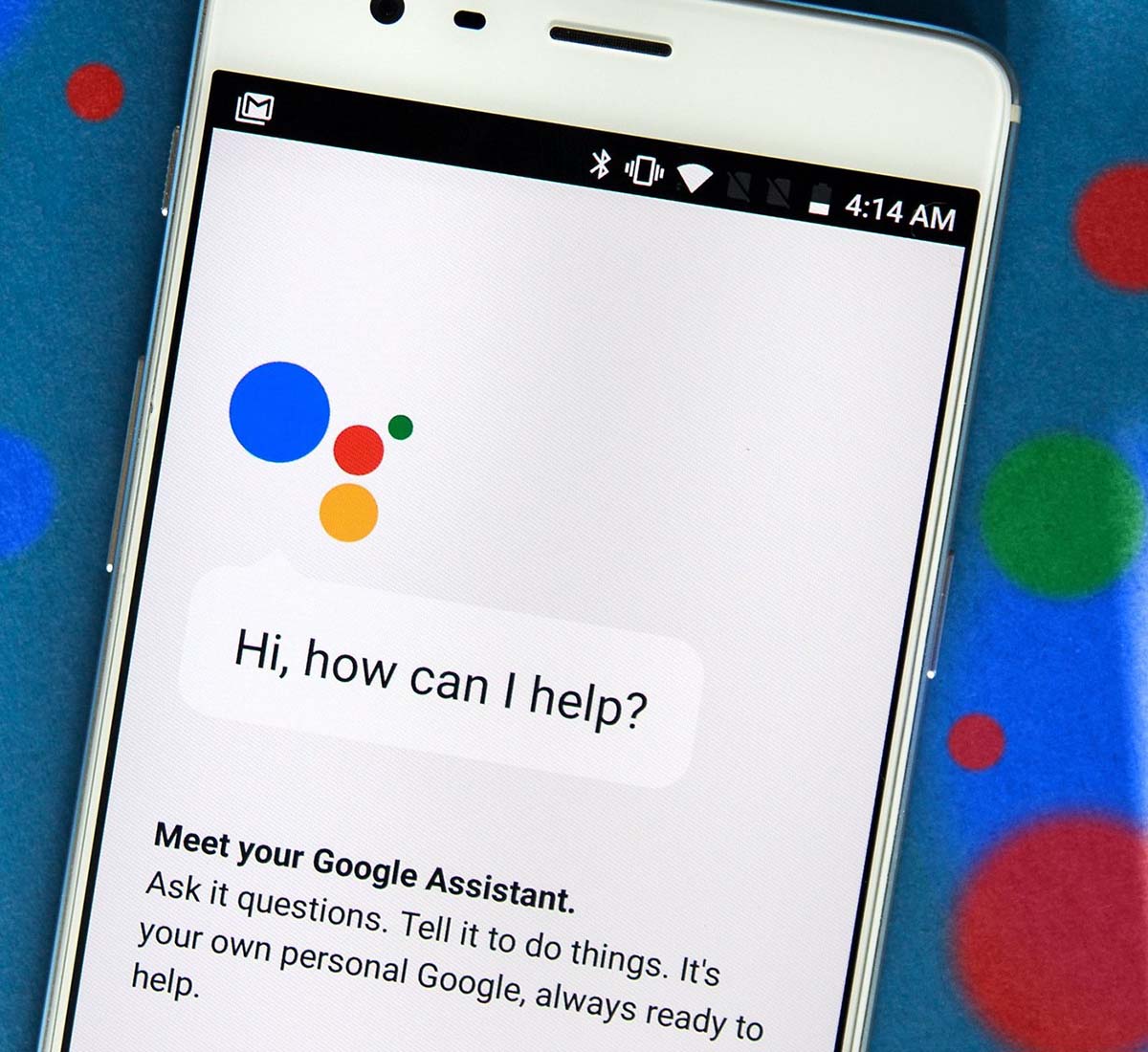
With the rise of AI assistants like Google Assistant, Siri, and Alexa, conversational queries are replacing traditional typed searches.
Users increasingly speak full questions instead of entering short keywords, which reshapes how brands must structure their content.
Voice search is not just about adding a microphone icon to your website.
It is about aligning your content with how people naturally speak. Instead of targeting short phrases like “content marketing tips,” you must optimize for conversational, high-intent queries such as “What are the best content marketing tactics in 2026?”
This shift directly connects to Answer Engine Optimization (AEO) and zero-click search visibility, where AI assistants provide direct spoken responses pulled from structured content.
To integrate voice search into your content strategy, focus on:
Writing in natural, conversational language;
Targeting long-tail, question-based keywords;
Structuring content with clear headers and direct answers;
Adding FAQ sections optimized for spoken queries;
Using schema markup to improve AI readability
Prioritizing mobile-first and fast-loading performance.
If your website traffic has declined, it may not only be competition it could be a failure to adapt to voice search trends 2026 and evolving search behavior.
As more users rely on spoken commands, brands that ignore conversational SEO risk invisibility in AI-powered search results.
In business terms, voice search readiness is no longer a “nice-to-have” feature. It is a competitive requirement.
Integrating voice search optimization into your content development strategy ensures your brand remains discoverable in a landscape increasingly shaped by AI-driven, spoken interactions rather than traditional typing.
In-Depth Research & Data Analytics: The Trust Engine

In 2026, content that “sounds good” is not enough. Buyers want proof.
They expect data, transparency, and measurable outcomes before they trust a brand. That is why in-depth research, data-driven marketing, and analytics-backed content strategy are now central to ranking, credibility, and conversions.
This goes far beyond paraphrasing content or publishing long articles. Modern audiences — especially high-intent buyers — look for:
Numerical performance indicators;
Case studies with measurable results;
Traffic growth benchmarks;
ROI breakdowns;
Conversion statistics;
Market research insights.
When brands openly share metrics, insights, and structured analysis, they build authority faster.
Transparency signals confidence. And in the current attention economy, credibility drives retention.
Why Data Wins in 2026 SEO
Search engines now reward Information Gain in SEO — content that adds new insights rather than repeating what is already ranking. That means integrating:
Original research findings
Survey results
Behavioral data
Industry trend analysis
Comparative performance tables
Top-ranking brands often dominate because they provide abundant, structured information that reduces doubt.
When customers see detailed explanations, analytics dashboards, and evidence-based claims, trust increases naturally.
How to Apply This Practically
To strengthen your content strategy with data analytics:
Conduct audience and pain-point research before publishing;
Use analytics tools to track engagement, dwell time, and conversions;
Publish case studies showing real performance improvements;
Add charts, statistics, and comparison tables;
Align insights with your conversion-focused content funnel.
The goal is not just to inform but to reassure.
When potential buyers find detailed, research-backed information directly on your website, they feel confident in your expertise.
And confidence reduces hesitation.
In 2026, brands that lead in SEO and market share are not the loudest.
They are the most transparent, the most analytical, and the most structured in how they present value.
Brand Authority Beyond Promotion: Why Story & Transparency Win

Many brands struggle to grow because they focus almost entirely on promotional content instead of building trust.
In 2026, audiences are more skeptical, more informed, and more resistant to exaggerated claims.
Overly sales-driven messaging can create friction instead of conversions. What customers truly want is clarity, transparency, and context.
Before making a purchase decision, modern buyers look for:
The brand’s origin story
Mission and long-term vision
Milestones and key achievements
Real challenges the company overcame
Proof of consistency and reliability
This is where authentic brand storytelling becomes critical.
A realistic, well-structured brand narrative builds emotional connection and credibility far more effectively than aggressive promotional language.
Customers prefer honest progress over inflated claims.
They want to understand how the brand evolved, what problems it solves, and what values drive its decisions.
How to Structure a Trust-Building Brand Story
Instead of pushing offers immediately, create a balanced brand section that includes:
A concise but authentic origin story;
Key ventures or breakthrough moments;
Real metrics or measurable achievements;
Customer testimonials or social proof;
A clear articulation of brand values;
Avoid exaggeration. Avoid hype language.
Trust grows when the tone feels grounded and transparent.
Use Visual Content Strategically (Not Randomly)
Visual storytelling strengthens emotional connection, but only when done intentionally.
In 2026, visual overload can reduce clarity instead of improving it. The key is selective, purposeful design.
Best practices include:
Choosing high-quality images that reflect brand identity;
Adding short, meaningful videos instead of filler content;
Using infographics to simplify complex data;
Ensuring visuals align with the narrative stage of the brand story;
Random visuals weaken authority. Curated visuals enhance credibility.
Is Your Content 100% Grammatically Correct?

Grammar directly impacts trust, credibility, and conversions. When readers notice errors, they question professionalism and reliability. Even small mistakes can reduce authority and discourage engagement.
Grammatically incorrect content can lead to:
Lower trust in your brand;
Reduced dwell time;
Fewer conversions;
Declining organic search performance.
Before publishing, every piece of content should be thoroughly proofread.
Relying only on manual editing often allows mistakes to slip through. Instead, combine human review with automated grammar-checking tools to ensure accuracy, clarity, and consistency.
In 2026, polished content is not optional. It is a basic requirement for credibility and strong SEO performance.
Keep Your Keywords Updated
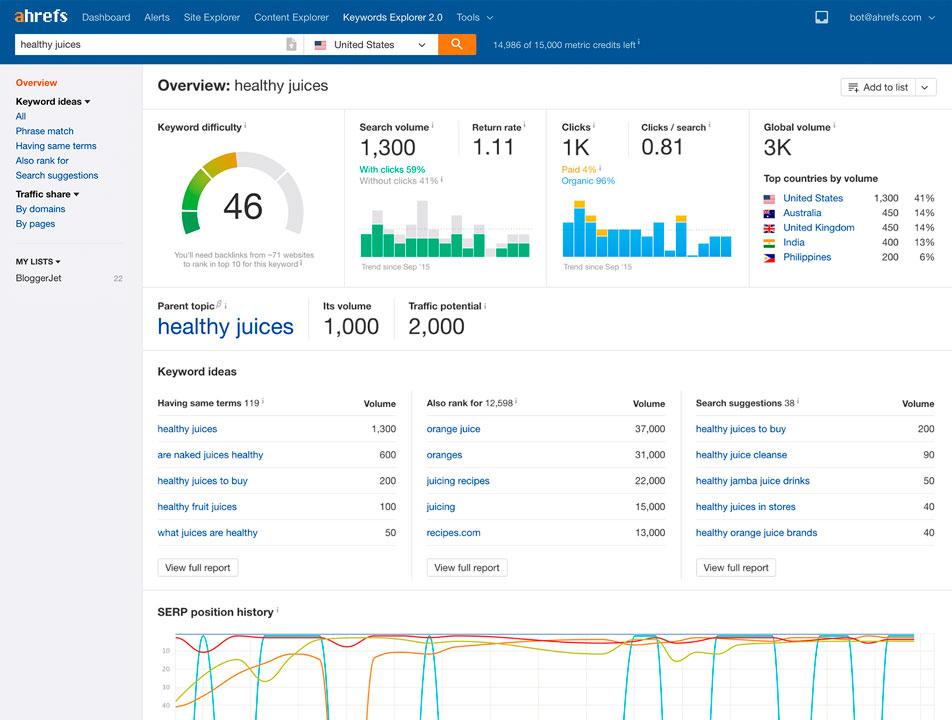
Search behavior changes constantly, which means your keyword strategy must evolve as well.
The phrases people searched in 2019 are not the same ones they use in 2026.
If your content does not reflect current search intent, your visibility will decline.
To stay competitive:
Conduct regular keyword research;
Track changes in user intent and search patterns;
Target high-intent and long-tail keywords;
Update older content with new search terms;
Align keywords with your conversion-focused funnel.
Using tools like Google Keyword Planner and other SEO platforms helps identify trending and location-based keywords relevant to your product or service.
This ensures your web content, blog posts, and social media assets remain discoverable.
If your content does not contain the right keywords at the right time, your brand simply will not appear in search results.
Conclusion on Content Marketing Tactics
Content marketing tactics remain a primary driver of brand growth, but success now depends on strategy, not volume.
Quality content combined with updated, high-intent keywords increases traffic, builds authority, and improves conversions.
Strong brands continuously refine their content strategy, analyze performance data, and adapt to evolving search behavior.
In 2026, consistency, optimization, and strategic updates are what separate visible brands from invisible ones.
✨FAQ Section
Q: Is content marketing still effective in 2026?
A: Yes, but the metric has changed. Success is no longer measured by raw traffic, but by Brand Mentions and Conversion Depth. High-quality content now acts as a “trust signal” for AI agents and human buyers alike.
Q: How does AI change content creation this year?
A: AI has made “average” content free. To rank, you must use AI as a “prep cook, not the chef.” Use it for outlines and research, but ensure the final output contains original data, unique perspectives, and a distinct human voice.
Q: Why is unique content more important than ever?
A: Because of the “Meaning Economy.” With AI flooding the web with generic text, unique frameworks and “Information Gain” (providing facts others haven’t mentioned) are the only ways to earn top rankings in 2026.
Comparison: 2019 vs. 2026 Marketing
| Strategy | 2019 Approach | 2026 Approach |
| Goal | High Traffic Volume | Qualified Conversion & Trust |
| SEO Focus | Keyword Density | User Intent & Entity Clarity |
| Format | 800-word blog posts | Short-form Video & Interactive Tools |
| Trust Factor | Plagiarism Checks | Lived Experience & Social Proof |