
How Not to Kill Your Own SEO With Bad Backlinks
🔥Key Points
- Cheap backlink packages can quietly damage rankings for years before traffic drops become visible.
- Google’s SpamBrain system now detects unnatural link patterns more aggressively than ever.
- Many websites can recover traffic by repairing backlink quality instead of restarting SEO completely.
One of the biggest SEO myths floating around founder communities, SaaS discussions, and entrepreneur forums right now is the idea that every traffic drop means you need to completely restart your SEO strategy.
In reality, many businesses spent years quietly damaging their own rankings without even realizing it.
It usually starts when company hires an affordable SEO agency.
Someone buys a “safe” backlink package. Another business outsources link building to an agency promising hundreds of backlinks every month.
For a while, everything looks successful, traffic grows, seams like rankings move up and then suddenly:
- impressions collapse,
- rankings disappear after a Google update,
- high-converting pages stop performing,
- and organic traffic slowly bleeds out month after month.
Studies consistently show that backlinks remain one of Google’s strongest ranking factors, but Google’s SpamBrain system is now designed to detect manipulative and low-quality link patterns at scale.
That means thousands of businesses are now dealing with the long-term consequences of cheap link building strategies that once seemed “good enough.”
The scary part is that many website owners panic and make the situation even worse.
They redesign the site, delete pages, switch domains, or completely restart SEO before identifying the actual problem.
And sometimes the real issue is sitting quietly inside the backlink profile the entire time.
A healthy backlink profile is no longer about getting the highest number of links.
Modern SEO is about trust, relevance, authority, and natural link signals.
One strong editorial mention from a relevant industry website can now outperform hundreds of random directory links or AI-generated guest posts.
That is why businesses today are asking a different question:
How do you find the real reason behind the traffic drop and recover rankings without destroying years of SEO progress?
Click here to know more about link building.
What is a backlink?
Simply put, a backlink is a link from another website that directs users to your site.
They’re also known as either inbound links or external backlinks, and having a variety of different backlinks to your website is crucial to building authority on a Google search engine page.
What is a Backlink Profile?
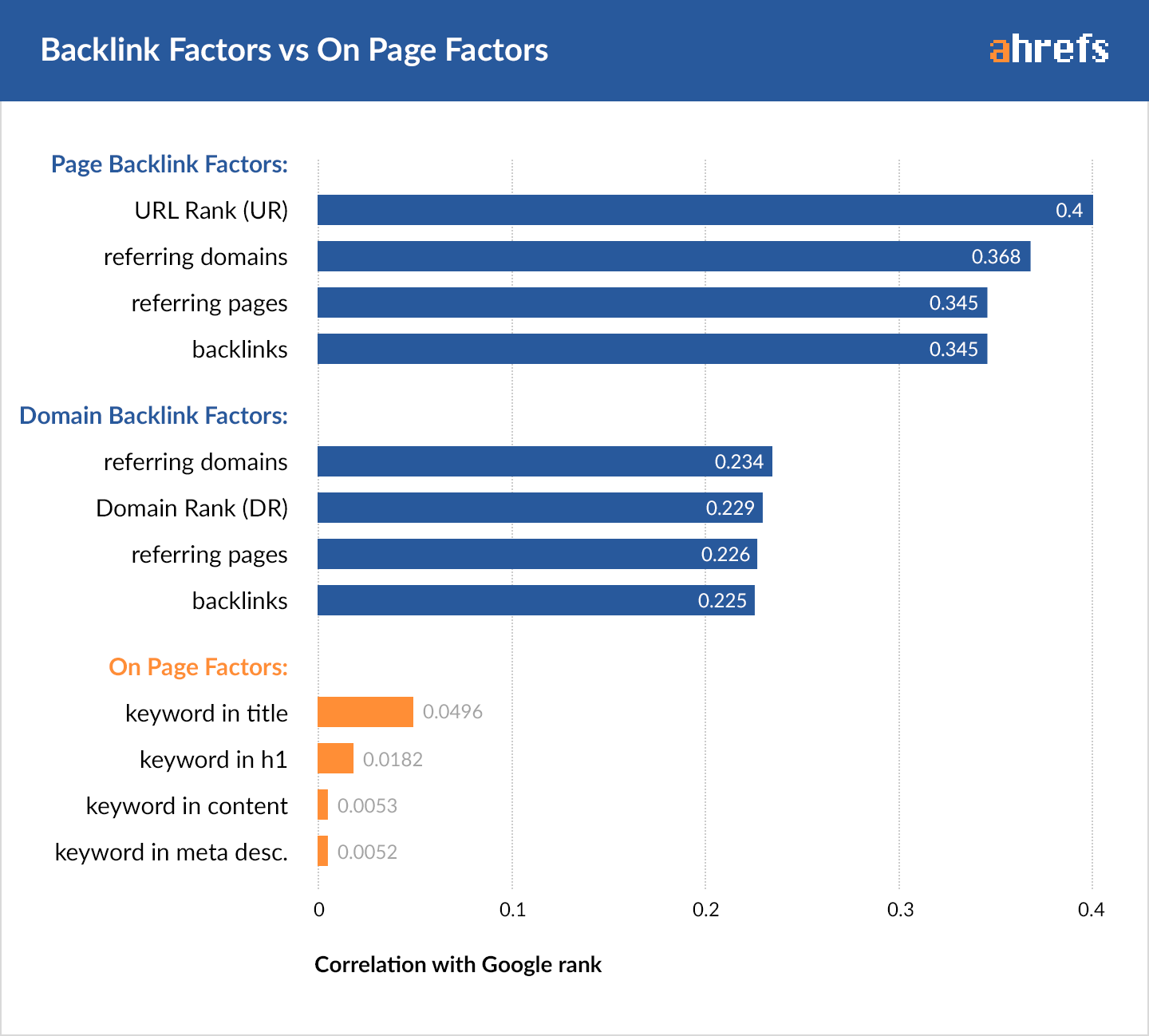
According to the best SEO link building services – a backlink profile is simply all of the different external links to your website.
Not all links are created equal, and it is important to have a variety of different websites linking to you.
Why? The answer is easy: search engines use bots to crawl each website and see if their content and backlinks are relevant to their supposed niches.
Considering that it’s easy to purchase backlinks to higher authority websites, if one crawler sees that a website has too many links with the same domain rating (DR), this can be seen as spammy and not an authentic link building practice.
How is a Website’s Domain Rating Calculated?
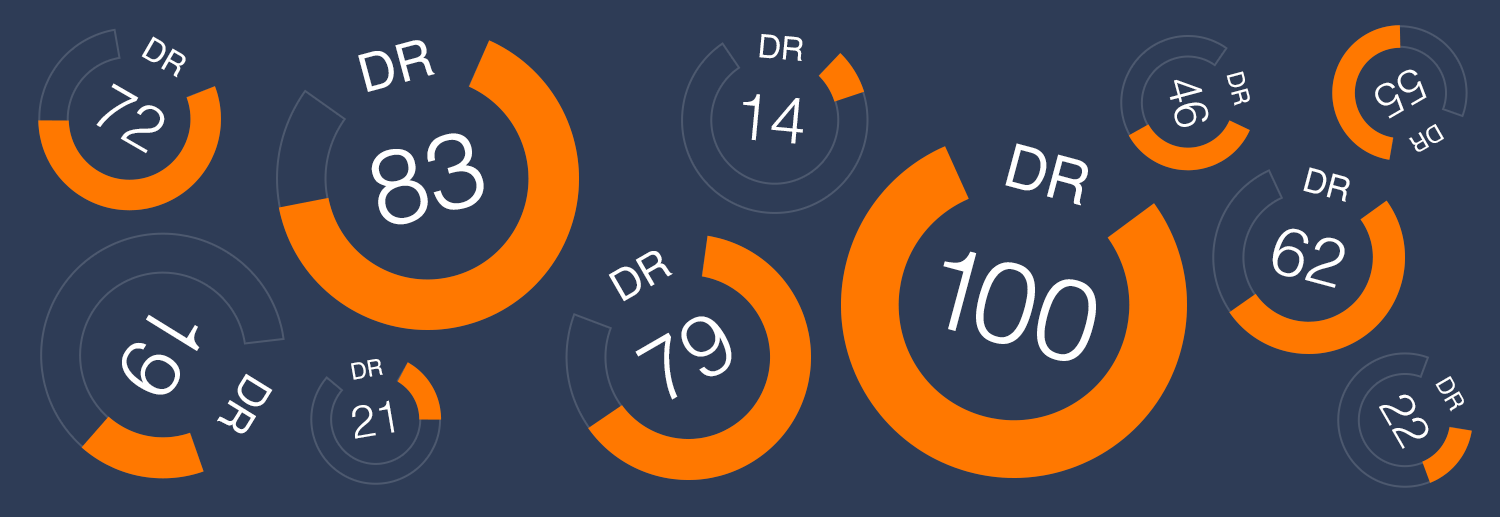
A website’s domain rating (DR) is a score indicating how likely your website is to rank highly on search engines.
It’s calculated by taking a variety of different factors into consideration building your link building strategy.
This includes content such as a blog page or marketing information, keyword optimization, the website’s bounce rate, and if the backend of the website is in good working order.
Generally speaking, a website’s DR is a good measurement of its SEO, because a higher the domain rating indicates a higher quality website.
All new websites start with a DR of 0, and your goal is to get a higher DR than your direct competitors.
The DR scale is logarithmic, meaning that it is easier to grow your DR from 15 to 20 rather than 75 to 80.
What to Look For in a Backlink
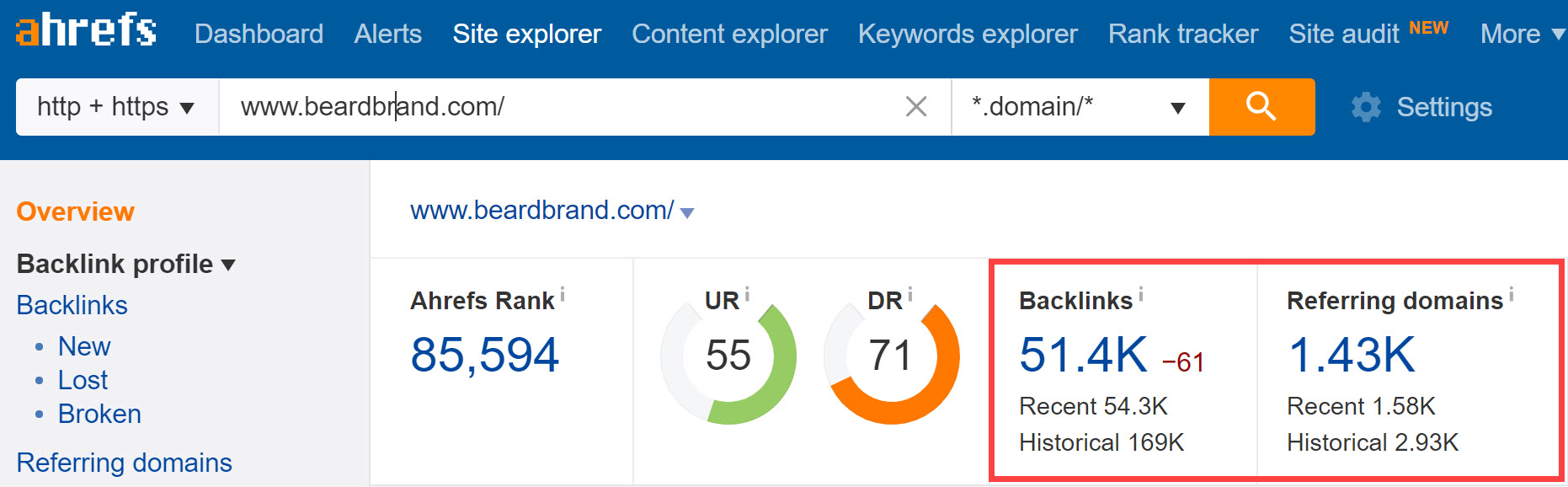
There are a few things to look for when attempting to build a link building strategy.
It is crucial to know what a backlink looks like during this process, so keep the following in mind:
- Relevancy — is the external website relevant to your business’s niche?
- Is the website’s company located near you? Local websites just work to enhance relevancy and authority.
- Website traffic — how many people are visiting the website where you want a link?
- Language. Is the other website in the same language as yours? If not, this can look incredibly spammy.
How to Link Building Strategy
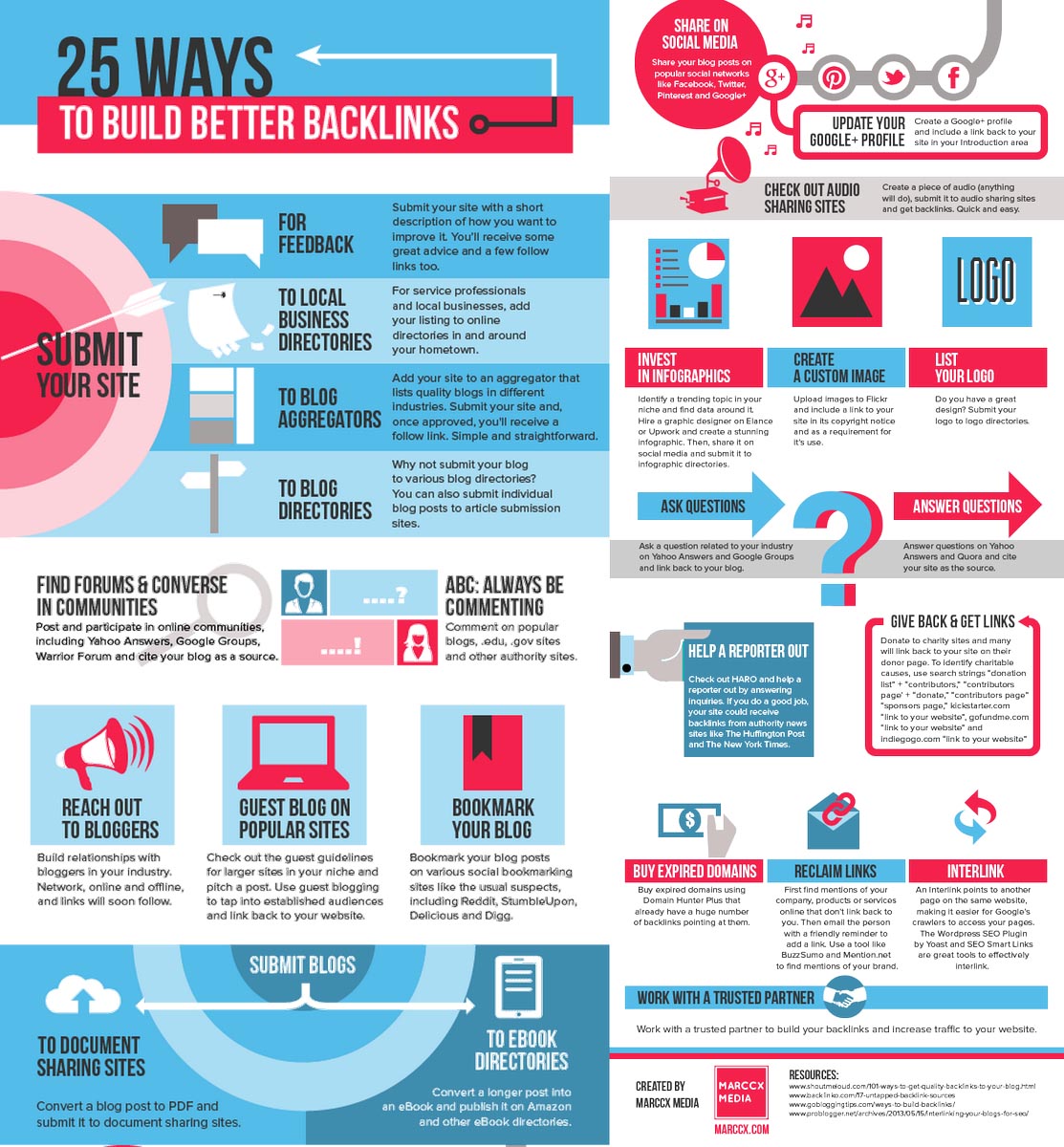
At the end of the day, backlinks work to build a layer of trust around your website.
Here are some ways to build them:
- Developing a strong social media presence. The do’s and don’ts for businesses using social media – are crucial to know for creating brand authority, so use Facebook, Instagram, and Twitter to ensure you have a solid follower base.
- Creating a business listing and citation.
- Build relationships with influencers so they can share your products/services on their website. This can be something like a link exchange, where you both link to each other, while simultaneously driving traffic between the websites.
- Build relationships with other relevant websites by providing content they can share. Content is king when it comes to a good SEO strategy, and it is common for a lot of people to accept free content in exchange for a link back to your website. These link building strategies can be incredibly successful.
Above anything else, there isn’t a perfect science when it comes to creating backlinks.
It takes creativity and innovation, so use this guide as a basis for building up your backlink profile and growing your business.