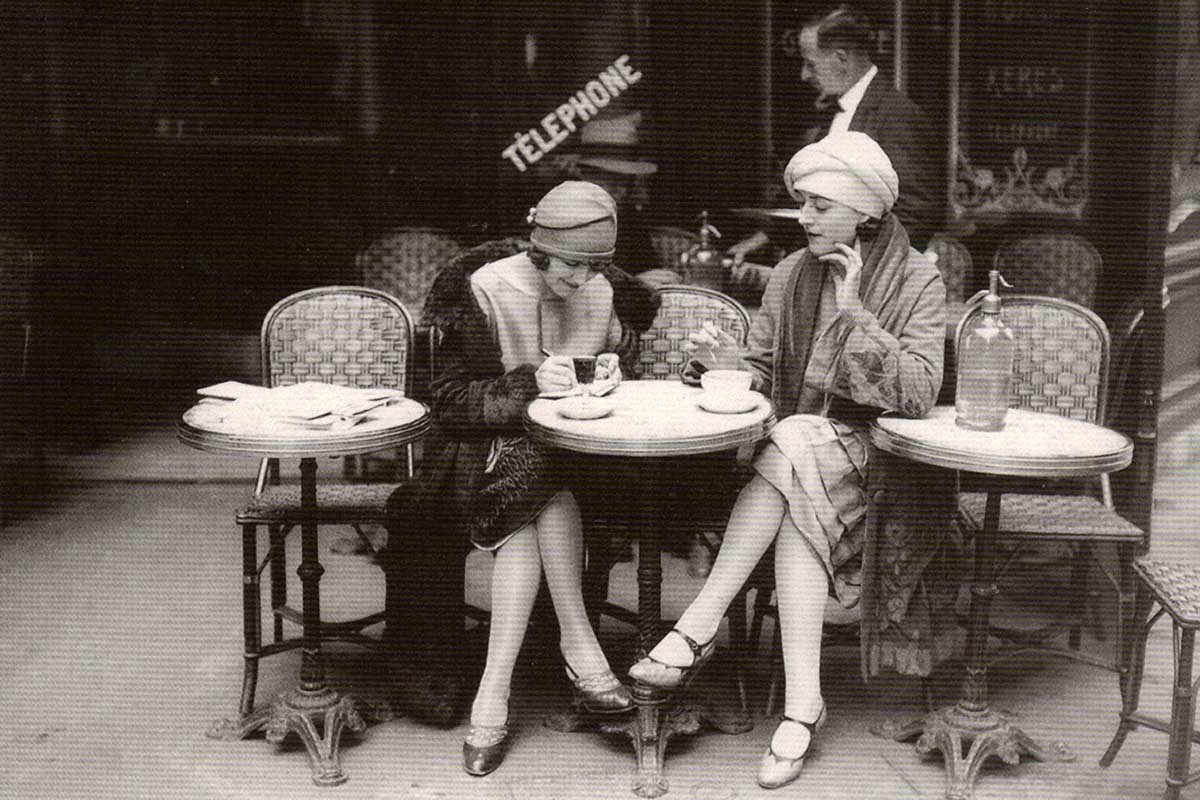
1920s Trends: Popular Things That Defined the Roaring Twenties
✨ Key Points
Fashion as freedom: Shorter hemlines, bobbed hair, and loose silhouettes showed women’s independence and rejection of old norms.
Rise of mass culture: Department stores, film, and media spread trends quickly, shaping modern consumer and celebrity culture.
Glamour vs rebellion: Prohibition, crime, and nightlife clashed with the American Dream, defining the bold spirit of the 1920s.
Why the 1920s Still Matter
When we look back at the 1920s from the 2020s, the parallels are striking: rapid social change, new technologies reshaping daily life, and a visible break from tradition.
The decade wasn’t just stylish—it was transitional. Many ideas that feel modern today first took recognizable form in the 1920s.
If you’ve ever wondered why fashion suddenly became freer, how consumer culture took off, or what set the tone for modern celebrity and retail, this era holds the answers.
What Was Changing in the World Around 1920?
A Society in Motion
The end of World War I triggered deep cultural recalibration across Europe and North America. People were eager to:
Reject rigid Victorian norms
Embrace speed, youth, and self-expression
Reimagine gender roles and personal freedom
This mindset powered everything from fashion to entertainment to shopping habits.
The Rise of Modern Consumer Culture
Large-scale retailers began shaping how people discovered trends and defined aspiration. Department stores were no longer just places to buy goods—they became lifestyle curators.
Notable names included:
Selfridges – transformed shopping into a social and cultural experience
Parisian fashion houses that globalized style influence rather than keeping it local or aristocratic
These retailers helped standardize trends and made fashion more accessible beyond elites.
What the 1920s Anticipated About the Future
The decade quietly introduced systems and patterns we now take for granted:
Trend cycles driven by media and retail;
Fashion as identity signaling;
Celebrity influence on consumption;
Youth culture as a market force.
These weren’t accidents—they were early versions of today’s cultural engines.
Famous things in the 20s: Art and Culture
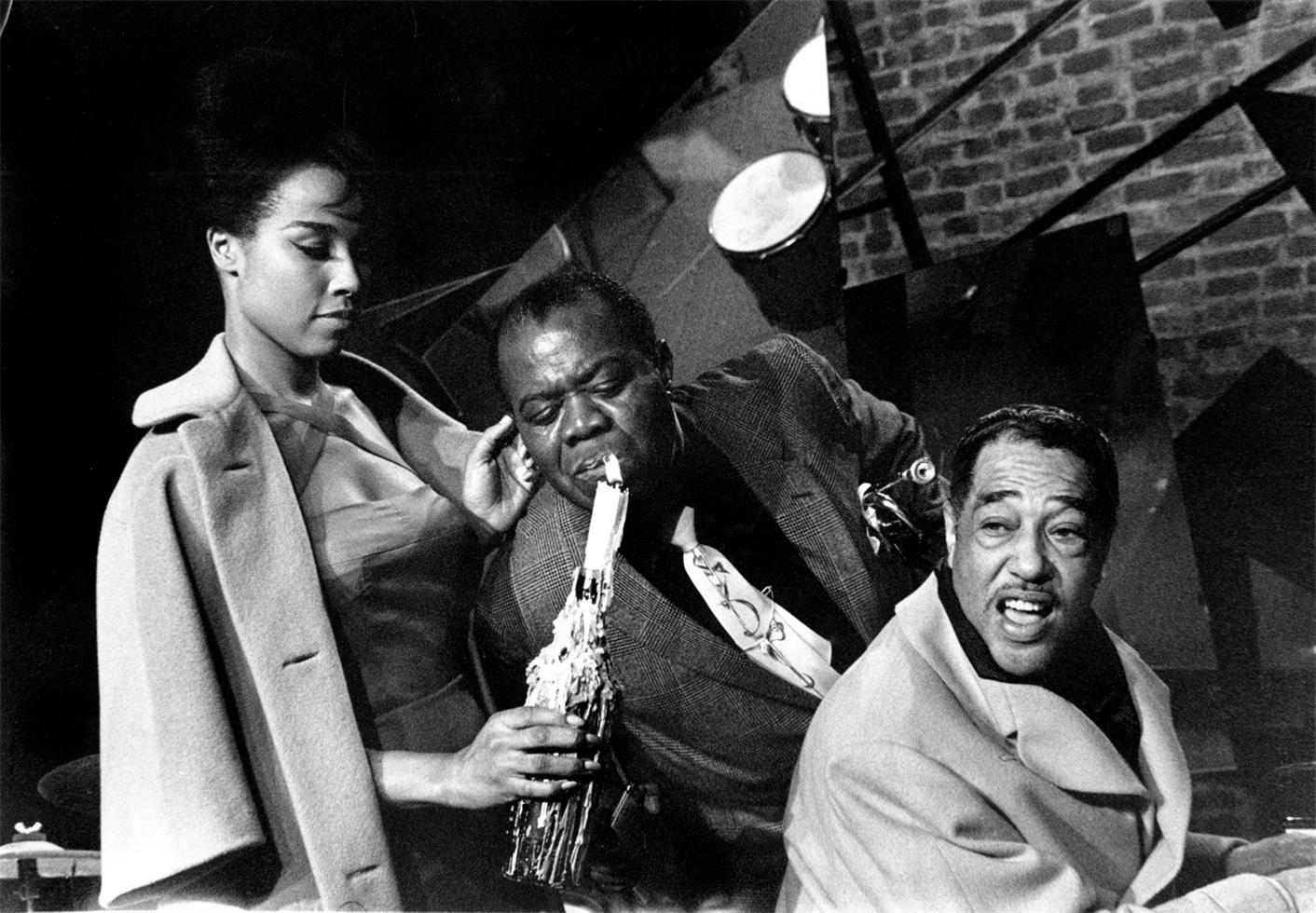
The 1920s was a jazz era, spearheaded by the famous Louis Armstrong and Duke Ellington, among others.
Art Deco influenced the change in art as one of the most popular things in the 20s.
Architects like Frank Lloyd Wright Bauhaus designed company structure buildings with linear lines.
The Art Deco influence gave rise to 1920s fashion, structured lines, pyramids, and square shapes.
Queen Elizabeth married the Duke of York on January 13th, 1923, in her straight and shapeless dress.
The dress was designed by Madame Handley Seymour, who used to make dresses for Queen Mary.
The 1920s Trends: The Prohibition
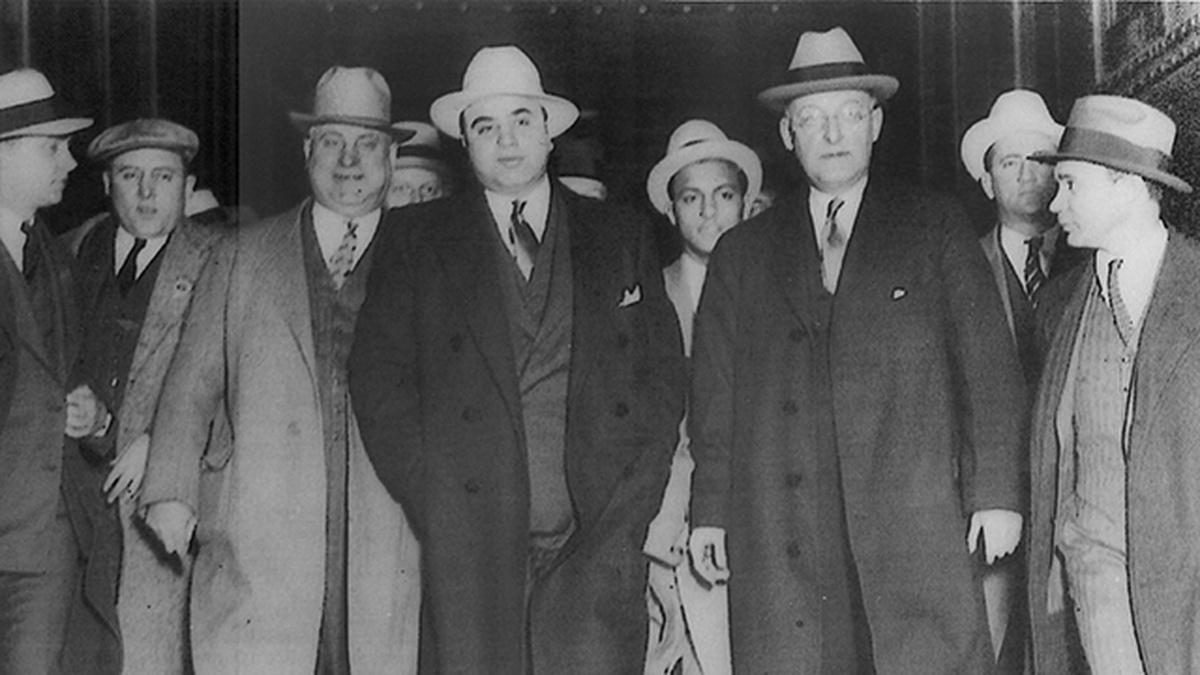
This was a prohibition period. The US prohibited transporting, manufacturing, selling, importing, and exporting alcohol.
Prohibition law was meant to alleviate the crime rate and reduce social problems.
Prohibition failed as the crime was organized and therefore became the daily norm.
Underground speakeasies were invented to work illegally. There also arose bootlegging (smuggling) and organized crime.
Al Capone was notorious for criminal activities dedicated to smuggling liquor and prostitution.
He, therefore, grew very famous and was seen in lavish attire.
The Flapper Style
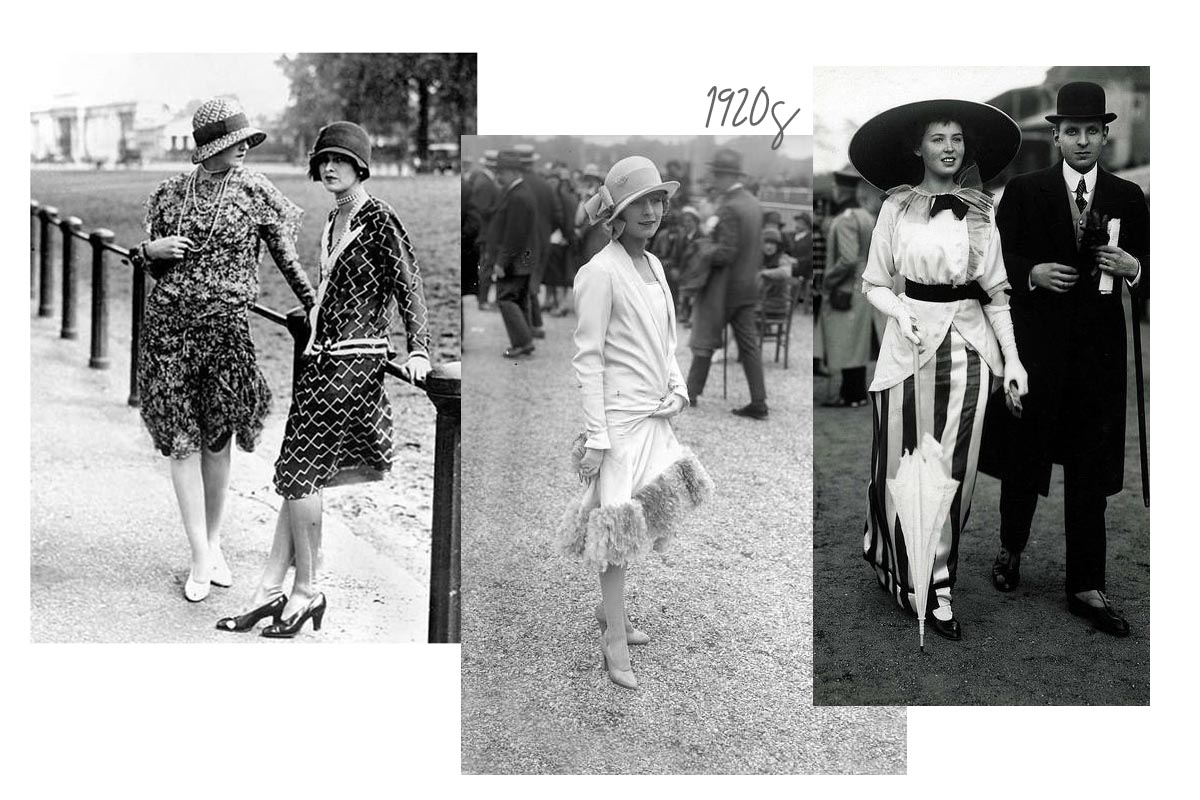
The women’s fashion changed dominated by ‘boyish bob’ and the ‘Garonne frock’ fashion terms.
While a classic flapper girl dressed in a short shapeless shift dress, short sleek hair, and had an exceedingly flat chest, the flapper rebelliously wore makeup, smoking, and exposed her limbs while dancing in jazz clubs.
Shapes and Silhouettes
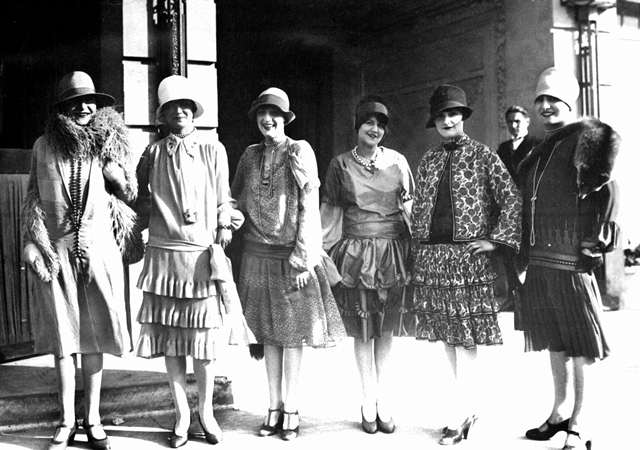
Then spaghetti straps, a more sleek and sophisticated look, was adopted.
They were to reveal the sexy topography intentionally.
The chemise style dress was designed, and adorned for dancing to jazz.
With the waist disappearing and the bust suppressed, a slim boyish figure was preferred.
The air was shortened, curves eliminated, and lines simplified.
Menswear
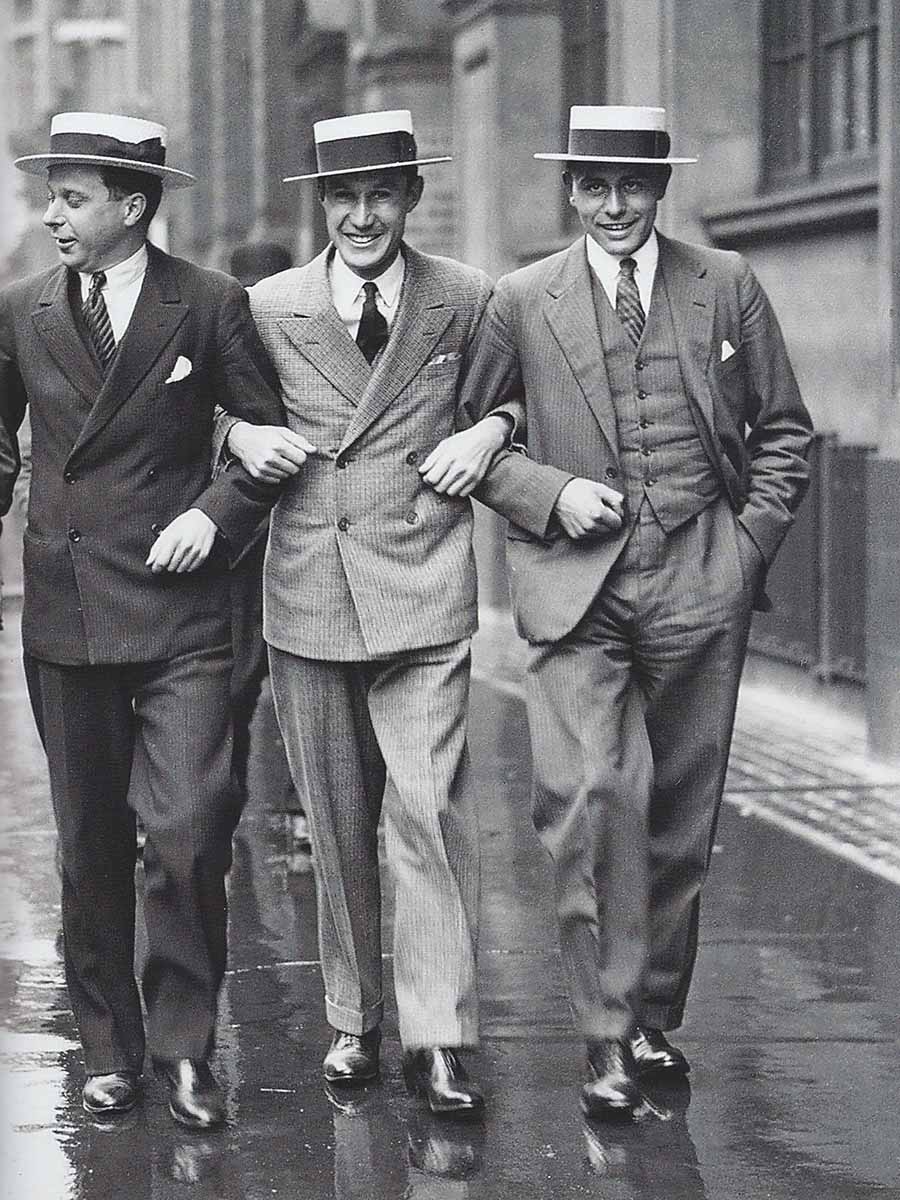
The 1920s menswear was classic. Suits were not meant only for the city but were popularized in rural areas by the idea of the American dream.
The conservative case was popular at the onset of the 1920s.
It was famous for its jacket, tight waist, and narrow shoulders. For jazz enthusiasts, there was a jazz suit for them.
Oxford Bags were a trend formed at Oxford University in England after a ban on knickerbockers and fours.
There was an emergence of wide-legged trousers to hide the knickerbockers underneath.
Before the decade ended, short suit jackets were worn, long jackets becoming morning outfits while tailcoats for formal events.
Men later wore shorter tuxedo jackets leaving the old tailcoat regarded as fashioned.
Fedora hats dominated the decade, designed for women, but the apparel became a male trend as gangsters were seen loving the accessory.
Accessories
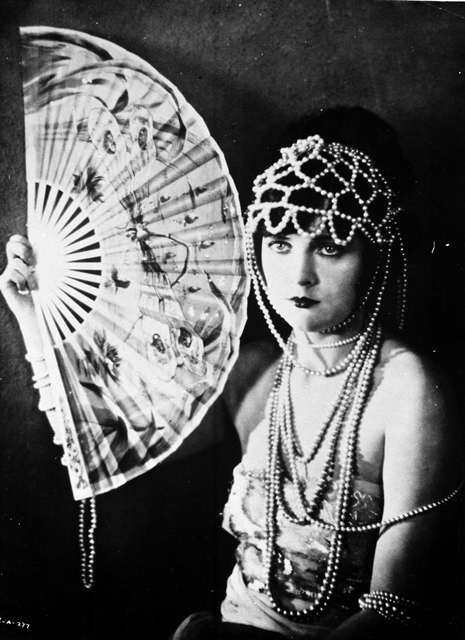
Various accessories improved the 1920 look.
These included the Egyptian style, beaded bags, feather boas, and embellished headbands. People liked the pearls.
At the onset of the decade, women are using pointed shoes, which gradually turn more rounded.
In the mid-twenties, the Cuban style and Mary Jane’s shoe style dominate female fashion. These are regarded as high heels.
Hats were popular with women for more elegant looks. Initially, the hats were simple with brims, later on, the rimless cloche hat became the female fashion in the mid-twenties.
The hat was fitting for a short flat hairstyle due to its fitting design.
The hat covered the eyes and this affected female posture as they tilted their heads to see.
The Icons
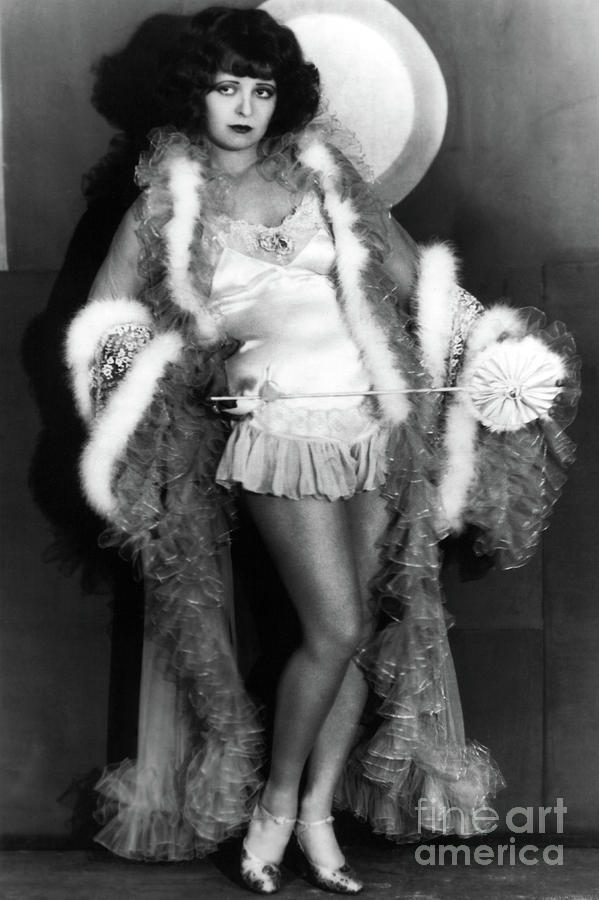
The decade’s decline in silent movies led to ‘talking’ film stars.
Clara Bow was the premiere flapper girl who represented the Twenties’ sexual styles. In the decade, Josephine Baker became the first African American film star, while the actor Marlene Dietrich became the highest-paid actress of the era.
The Designers
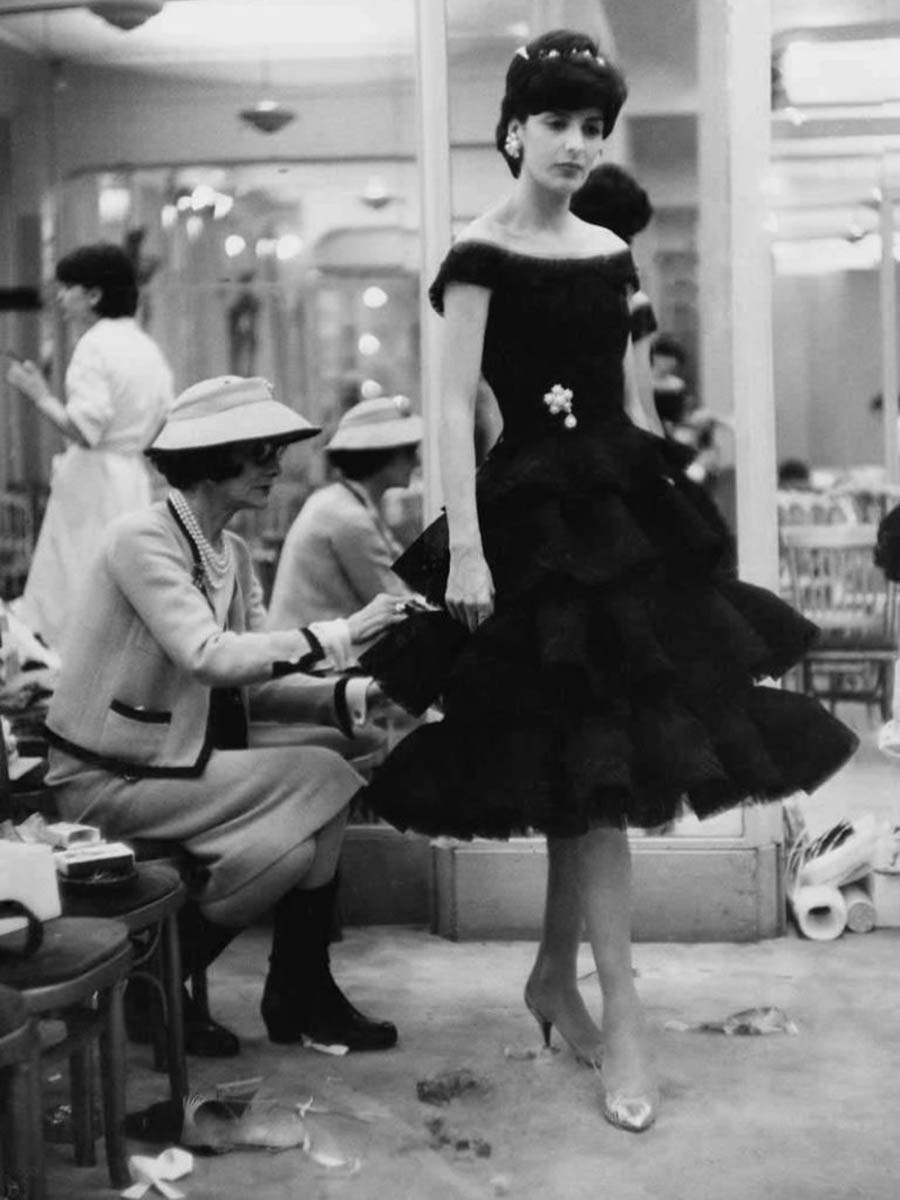
Coco Chanel
Chanel was one of the famous designers of the 1920 styles.
Her design was focused on demonstrating elegance and sophistication and was one of the most popular things in the 20s.
She promoted the styles associated with pearls and flappers.
She designed the first little black dress, which was reinterpreted severally by other designers.
Jeanne Lanvin
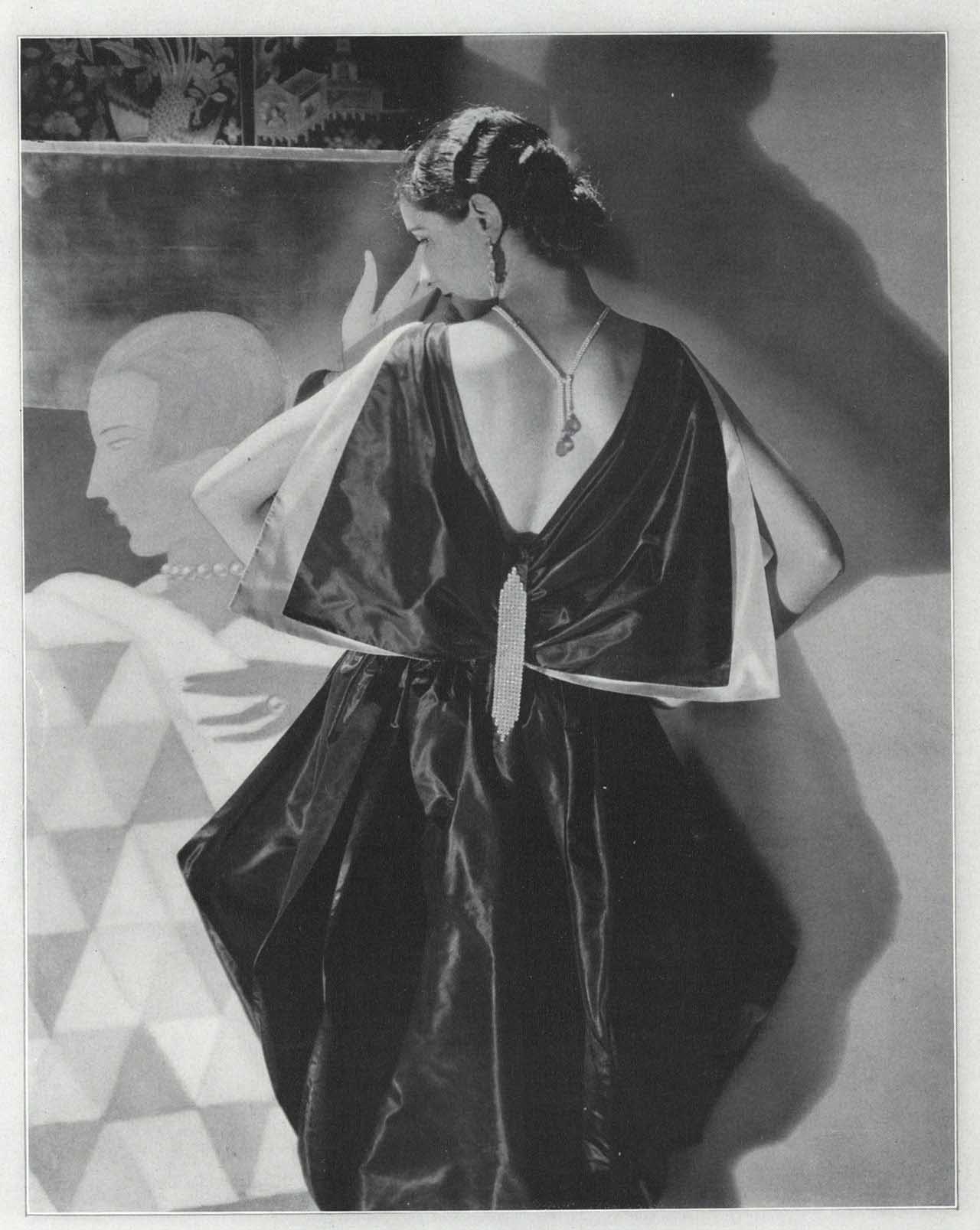
Lanvin’s style adopted the look of the time with the use of embellishment, complex trimmings, and exceptional embroideries.
Her designs were mainly recognized through her skillful embroidery, a unique feature of 1920s fashion.
Retail
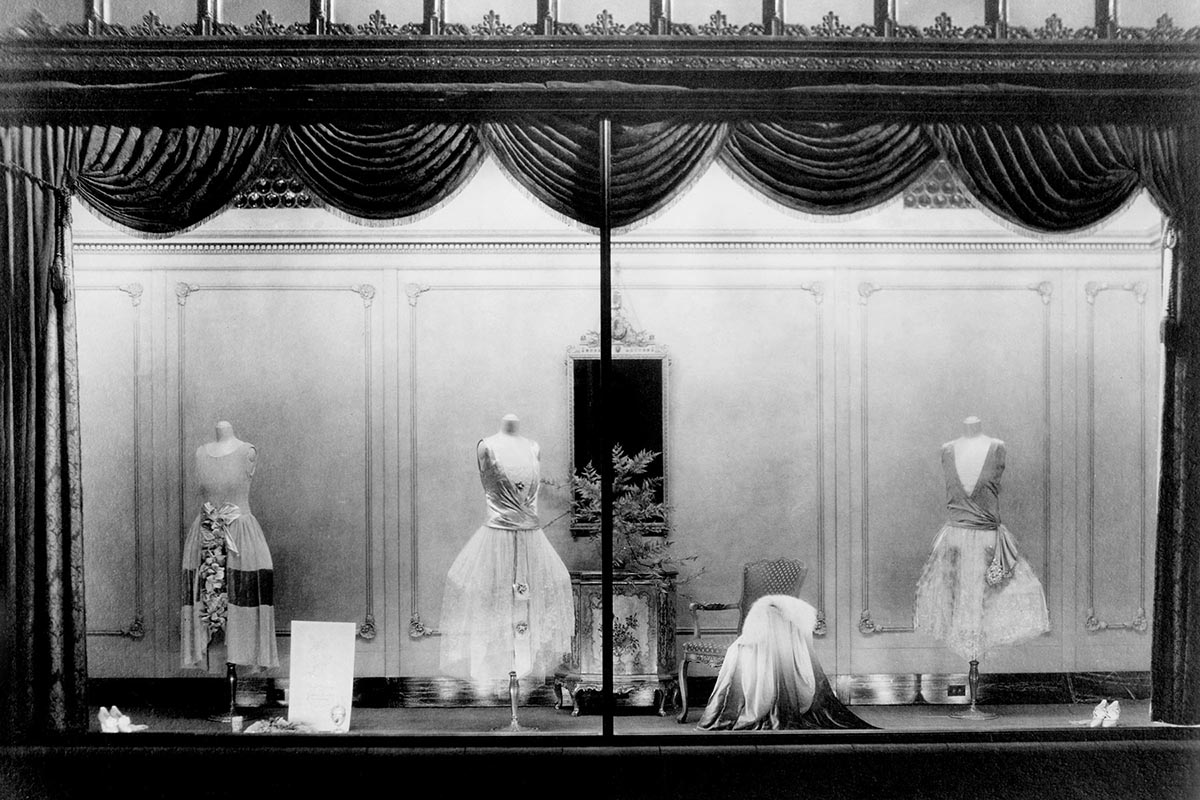
Neiman Marcus
Initially, Neiman Marcus was a top-notch fashion retailer in 1907 in Texas.
The shop improved by 1927, premiering the US’s first weekly retail fashion show.
She expanded again in 1929 and started selling menswear as well, posing competition to other fashion stores.
Popular things in the 20s: Saks Fifth Avenue
Saks Fifth Avenue was founded in 1867. The company merged with Gimbel Brothers Inc to become Saks Fifth Avenue in 1924.
The company’s twenties saw a rise in Saks Fifth Avenue, opening a new store in Southampton in 1928 and another in Chicago in 1929, followed by several others.
The 1920s Trends: Movies
Famous things in the 20s – movies inspired modern-day audiences.
The 1987 Untouchable film was inspired by Al Capone, the prohibition era, and the classic gangsters.