

How to Build a Strong Business Intelligence Strategy
✨Key Points
- Start with the right data: Collect and organize data from all relevant sources to create a single, reliable view of your business.
- Turn data into insights: Use BI tools, analytics, and dashboards to identify trends, track performance, and support data-driven decisions.
- Focus on action, not just analysis: The goal of BI is to help teams make faster, smarter decisions that improve results and drive growth.
Build a Data-Collection Framework
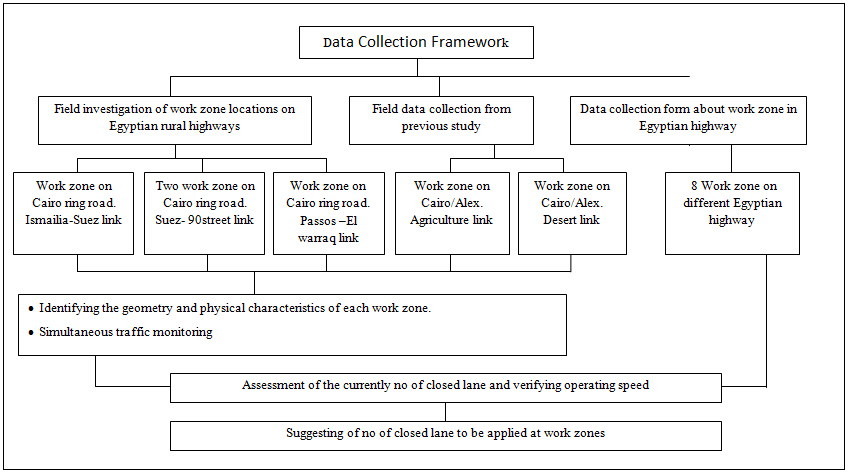
There’s no shortage of data today—but more data doesn’t automatically mean better decisions. Even advanced technologies like AI and big data analytics perform best when they work with focused, well-structured datasets.
That’s why building a clear data collection framework is critical. Without it, businesses risk creating blind spots or ending up with data that’s too complex to use effectively.
Start by identifying the most valuable data for your business, such as:
- Sales performance and revenue trends;
- Customer demographics and behavior;
- Operational metrics and efficiency data;
The goal isn’t to collect everything it’s to collect what matters.
While it’s important to work with diverse datasets, a poorly planned approach can quickly become overwhelming.
Too much unstructured or irrelevant data makes analysis harder, not easier.
A more effective approach is to start small, focus on key data points, and expand gradually as your needs grow and your strategy becomes clearer.
Depending on your industry, you may also have access to unique data sources.
For example, many businesses now use Internet of Things (IoT) sensors to capture real-time information such as equipment performance, supply chain activity, or even customer behavior.
When done right, data collection becomes a strategic advantage, not a burden.
Use AI-Powered BI Analytics

Many modern BI platforms — like Microsoft’s Power BI and IBM’s Cognos Analytics — include powerful AI-based tools by default.
They enable your BI team to uncover insights they may not have been able to find with traditional analytics.
Advanced features also make these platforms more user-friendly.
Some BI platforms include natural language processing (NLP) tech.
This technology uses AI to intelligently parse and answer requests written in plain English.
If an analyst wants a graph of the best-selling products of last quarter organized by unit cost, they can simply type in the request.
The system will generate a chart, no coding or spreadsheet use required.
The right BI tool will ensure your analysts spend more time analyzing and less time programming.
Make Data Highly Accessible
Data accessibility and visibility is a common problem, especially in companies that grow rapidly and struggle to scale up business structures to accommodate new hires.
Information will only be useful to your analysts and BI technology if it’s easy to access. In most cases, this will mean adopting a centralized approach to data management.
Avoiding siloed-off databases and information will ensure your analysts have access to everything they need as your business grows.
Business mapping software can provide a highly visual, geographic data representation of how your company is meeting customers’ needs compared to your competitors.
However, a full map needs a lot of information — like sales, customer location, and competitor performance data.
If any of this info is siloed off to a specific department, your analysts may not be able to communicate the full picture.
Structuring your data collection strategy so key information is centralized and available companywide can help you avoid this issue.
Train Current Staff

While BI analysts are the best-equipped to uncover insights into your business’s data, most staff members will likely have theories on how business operations can be improved.
A combination of accessible data, easy-to-use tools, and basic training can enable staff who don’t have backgrounds in analytics to investigate business performance.
These employees will probably have their own unique perspective that will inform their analysis. As a result, they may pursue lines of inquiry that BI analysts may not have considered.
Your marketing team may have noticed a correlation between your website’s ranking on search result pages and e-commerce conversion rate.
With the right tools and training, they may be able to demonstrate a relationship between the factors influencing your site’s search placement and how much money your business makes.
Create a BI Team Structure
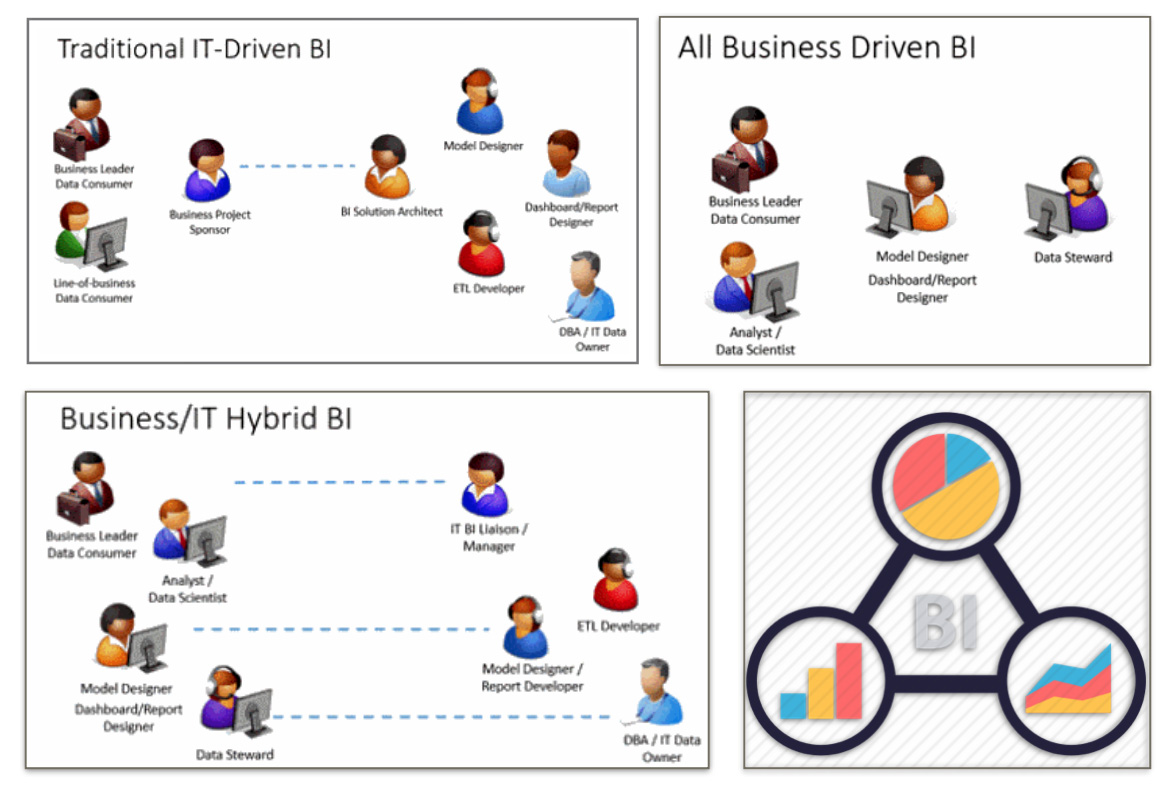
A robust BI structure ensures analysts have the data they need, and that the insights they produce will be delivered to the right people.
As your business grows, its key information stakeholders may shift.
For any company, BI lineage will be crucial.
Your analysts should always know who they will be reporting to, who needs to be the first to receive updated analysis and new information.
A clear BI structure will also help create an effective feedback loop.
Your team of workers will be consistently generating new insights, passing that information on, and receiving feedback they can use to inform their analysis.
Business Intelligence Strategies: Prepare to Scale Up

As your business grows, you should prepare to also scale up your BI strategy and invest in additional resources.
It may not be practical to store company data in on-site servers.
In a situation like this, it may be a good idea to investigate cloud-based storage options.
You may also need additional workers to implement your strategy.
Your current IT staff may not be ready to manage an expanded data-collection scheme, and you may not have the number of analysts needed to study key aspects of your business’s performance.
Following Through on an Effective BI Approach
A well-executed business intelligence (BI) strategy doesn’t just organize data, it delivers measurable business results.
Companies that adopt a strong, data-driven BI approach consistently see:
- Faster, more confident decision-making based on real-time insights;
- Improved operational efficiency by identifying and fixing performance gaps;
- Better forecasting and planning, reducing uncertainty and risk;
- Stronger business outcomes, from revenue growth to cost savings.
Without a structured BI strategy, organizations are forced to rely on reactive decisions, guesswork, or incomplete information, often leading to missed opportunities.
The foundation of these results lies in effective data collection and management.
Businesses need a clear framework that enables teams to:
- Collect relevant, high-quality data;
- Store it in a centralized, accessible system;
- Analyze it at scale using modern BI tools.
When this framework is in place, data becomes a strategic asset, not just information.
It allows organizations to move from reacting to change toward anticipating it, ultimately driving smarter decisions and better performance across the board.