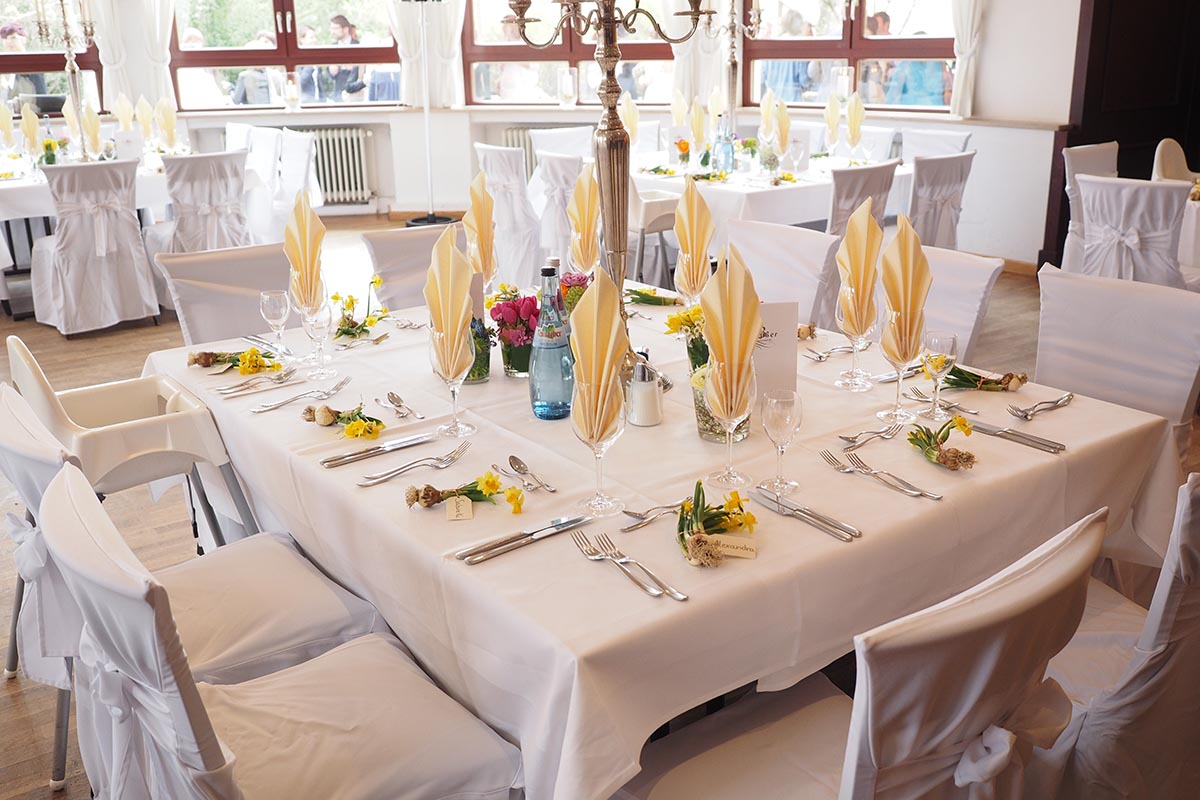
7 Wedding Seating Chart Tips for a Comfortable Reception
Creating a wedding seating chart can feel surprisingly personal.
You are not simply placing names around tables, you are balancing family relationships, friendships, accessibility needs, children, plus-ones, and guests who may not get along.
The Knot’s 2026 Real Weddings Study found that the average U.S. wedding had 117 guests, making a clear seating plan valuable for many receptions.
A thoughtful wedding seating chart can:
- Help guests find their places quickly;
- Keep couples and close family members together;
- Reduce tension between guests with difficult relationships;
- Make conversation feel more natural;
- Provide appropriate access for older or disabled guests;
- Help caterers deliver meals efficiently;
- Prevent empty or overcrowded tables.
Avoid grouping every single guest together simply because they are unmarried, and do not assume all children need a separate table.
Instead, consider personalities, ages, relationships, and who will help each guest feel comfortable.
The goal is not to create a mathematically perfect arrangement.
It is to remove uncertainty so guests can relax, connect, and focus on celebrating with you.
These seven wedding seating tips will help you build a chart that supports both the practical flow and emotional atmosphere of your reception.
Choose Your Table Shapes and Arrangement
Assigning guests to tables is easier when you have your table size, shape, and arrangements decided.
Table shapes and sizes affect how many people can sit there and the table drapes you’ll use.
Wedding and event drapes are extremely useful for structuring and customizing an event to your exact specifications.
It is ideal for creating a unique backdrop for your dessert table or dividing a room into two for the ceremony and reception.
This information helps you divide your guests into logical groupings.
The placement of those tables is also important. You naturally want to seat some people closer to the action, including close friends and family.
Knowing how many tables are close to the action helps prioritize those guests.
Take Venue Considerations Into Account
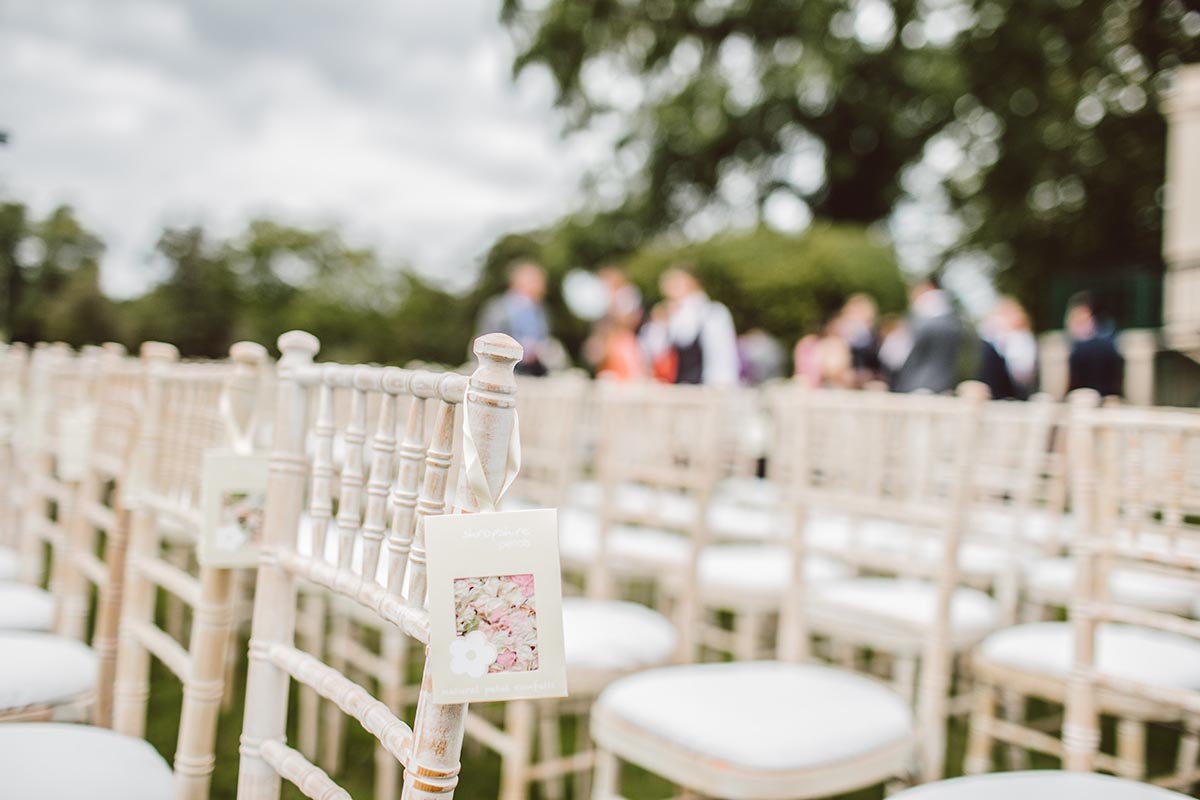
The features of the venue can affect the table arrangements and seating assignments.
Things such as the DJ location, speakers, dance floor, and food can influence where you place people.
Younger people might want to be close to the action, such as near the dance floor.
Older people might want to spend more time socializing and won’t want to be near speakers or other loud, busy areas.
If anyone is in a wheelchair, consider obstacles that might get in the way.
You also want to ensure there’s plenty of space to maneuver the wheelchair.
People with mobility issues might be better placed near the food, so they don’t have to walk as far.
Decide How to Seat Your Wedding Party
Your wedding party is the most prominent seating assignment for the wedding.
Some people choose to do a single head table where the couple and the wedding party sit.
This becomes the focal point of the venue.
Other couples choose to do a sweetheart table that’s just for the newlyweds.
The sweetheart table becomes the focal point of the setup.
The wedding party sits nearby at one or more tables.
One option is to let each wedding attendant or small group of wedding attendants host their own tables.
They might sit there with their families or close friends so they can have a good time with people they know well.
You can also put all of the wedding attendants at one or two tables separate from the sweetheart table.
These tables are usually close to the happy couple.
Find a Spot for Family and Close Friends
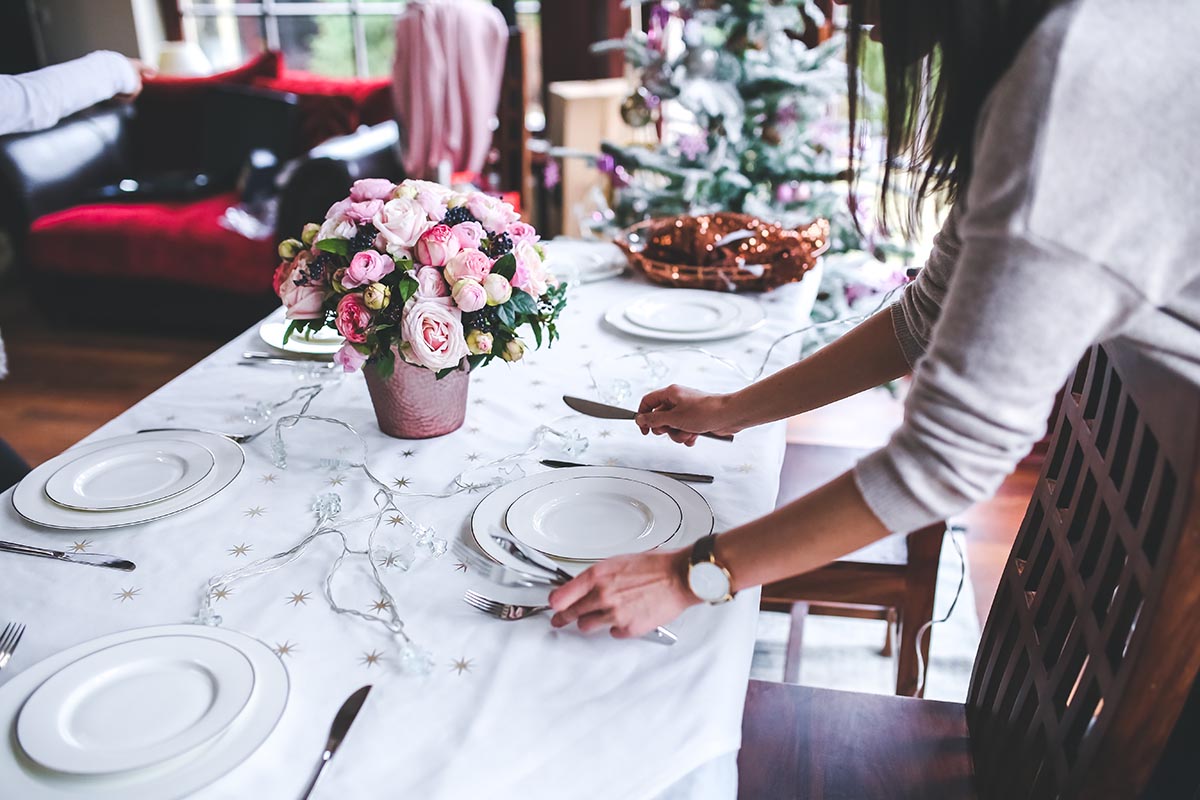
The family is usually the next group to get seated.
If they’re not at the wedding party, your parents, grandparents, and siblings usually have the next closest tables to the couple.
You might also put your close friends in those prominent spaces close to your table.
Many of your closest friends will likely be at the wedding party, but you might have other close friends who aren’t.
You’re not as close to other family members might be a little further away from the head table but still closer than other guests.
Think about your guests’ VIP status to decide how close to place them at the head table.
Group Your Guests
Remaining guests who aren’t seated up close go into the pool for the rest of the tables.
Grouping your guests based on shared characteristics can help you figure out those arrangements.
You might group guests based on how you know them.
This could include people you know through work, high school, college, or social activities.
Putting those people together at tables means they’ll know each other and have something in common to talk about.
Be aware of potential conflicts within those groups that could affect seating.
If two of your high school friends had a falling out years ago that never got resolved, you don’t want to place them near one another.
Some people choose to have a kids’ table if there are many kids on the guest list.
You can make those tables kid-friendly with activities or fun decorations that make them more appealing.
Keep in mind that some kids won’t feel comfortable sitting away from their parents, especially young kids.
Another common option is a single table, but this can be awkward.
Many of the people won’t know each other and won’t feel comfortable talking to one another.
They might feel singled out when they’re already very aware of being single at a wedding.
Once you group your guests, you can start assigning spots.
Try to make sure all guests have at least one other person they know at their table to make them feel more comfortable.
Go Digital

The old fashioned way of creating a wedding seating chart involves drawing out the arrangement and writing names on the spots.
Using sticky notes can make the job of rearranging people easier, but it’s still a slow, clunky way to assign seating.
Using seating chart software can save you a ton of time.
You can easily manage your guest list within the software, including RSVPs and notes about attendance.
This type of software lets you recreate the layout of your wedding venue, including all of the tables and seats.
You can pop people into the seating chart as you get your RSVPs.
If you need to rearrange the seating assignments, it’s much easier to do it in a digital environment.
Get Input
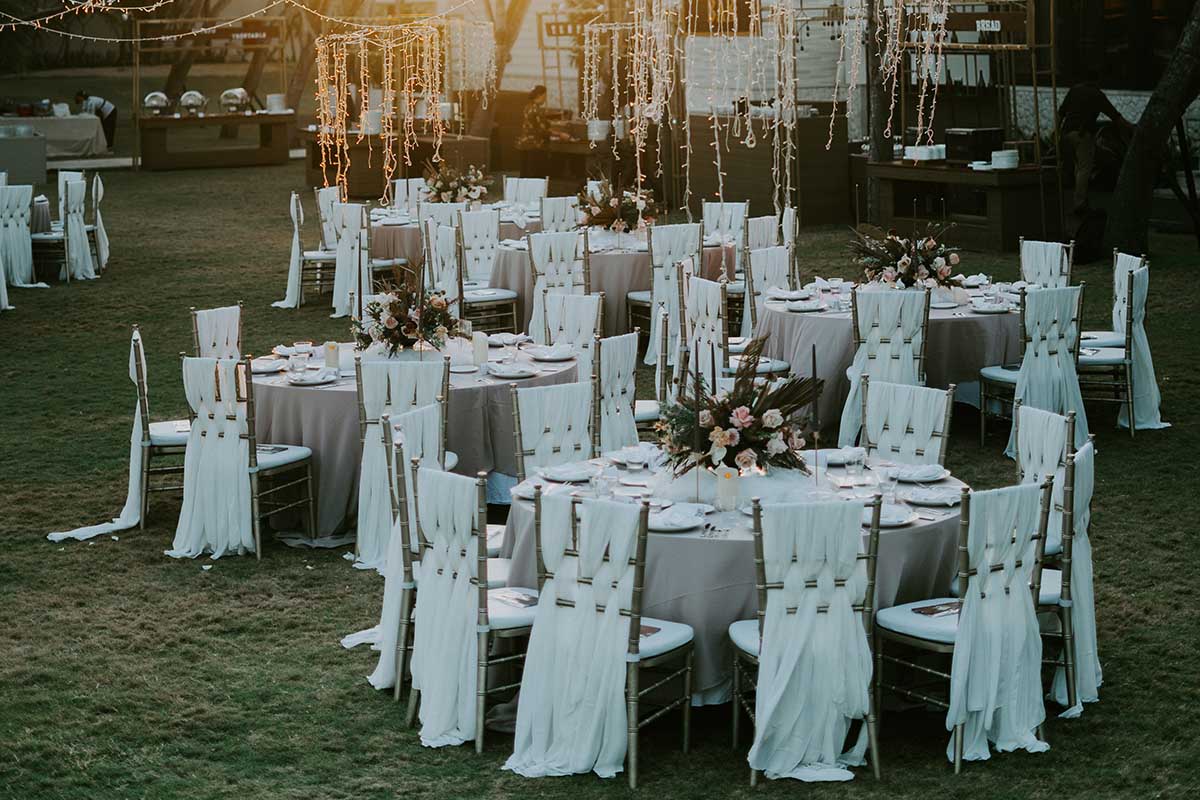
If your parents have people, they’re inviting that you don’t know well, getting input on where to seat them can make the job easier.
You might find out if anyone has a wheelchair or special needs that might affect where to seat them.
Your parents can also help you decide which of their friends might get along well and should be seated next to one another.
Get your fiance involved in the seating arrangements, too.
You might not know everyone on the guest list very well if they’re not your friends or family.
Your fiance can make suggestions for ideal seating arrangements.
Get Your Wedding Seating Chart Under Control
A wedding seating chart does not need to make every guest instantly become friends.
Its purpose is to remove uncertainty, reduce avoidable tension, and give everyone a comfortable place from which to enjoy the celebration.
Before finalizing it:
- Confirm the venue’s table sizes and floor plan;
- Update late RSVPs, cancellations, and meal selections;
- Keep couples and invited households together;
- Accommodate mobility, hearing, vision, and sensory needs;
- Separate guests with serious unresolved conflict;
- Review the arrangement with the caterer and venue coordinator;
- Keep a digital version that can be updated quickly;
- Print a final backup for the wedding team.
Once the chart is complete, allow your coordinator or venue staff to manage last-minute changes.
You should not spend your reception moving chairs or negotiating family dynamics.
The real benefit of thoughtful wedding seating is not a flawless diagram.
It is walking into the reception knowing your guests can find their places, feel considered, and begin connecting, while you remain present for one of the most meaningful evenings of your life.