
What to Add to Your Diet for Better Health
✨Key Points
- Best foods to add to a healthy diet: Vegetables, fruit, legumes, whole grains, quality protein, nuts, seeds, and healthy fats provide essential nutrients.
- How to make meals healthier at home: Improve familiar dishes with extra vegetables, protein, fiber, and flavorful herbs instead of following restrictive rules.
- How to maintain a balanced diet: Choose realistic foods that fit your tastes, budget, culture, health needs, and cooking ability.
Healthy eating often sounds like a list of foods to avoid.
A more practical approach is to ask what you can add: more vegetables, fruit, fiber, protein, healthy fats, water, and variety.
This matters because only about 1 in 10 U.S. adults meets recommended fruit or vegetable intake levels.
The World Health Organization advises people aged 10 and older to aim for at least 400 grams of fruits and vegetables and 25 grams of naturally occurring fiber daily.
You do not need expensive superfoods, complicated recipes, or restaurant-quality cooking. Start with familiar meals and make them more nourishing:
- Add frozen vegetables to pasta, soup, or rice;
- Include eggs, yogurt, beans, tofu, fish, or lean meat for protein;
- Replace some refined grains with oats, brown rice, or whole-grain bread;
- Add nuts, seeds, avocado, or olive oil for healthy fats;
- Keep fruit available for simple snacks;
- Use herbs, spices, garlic, and citrus to make nutritious food enjoyable;
Cooking at home can provide more control over ingredients, portions, and cost, but prepared and restaurant foods can still fit into a balanced diet.
The goal is not to cook every meal from scratch or achieve “optimal health.”
It is to create an eating pattern that supports your energy, digestion, long-term health, budget, culture, and real schedule.
This guide explains what to add to your diet for better health, why each choice matters, and how to use it in meals you will genuinely want to eat.
Nourish Your Body With Prebiotics and Probiotics
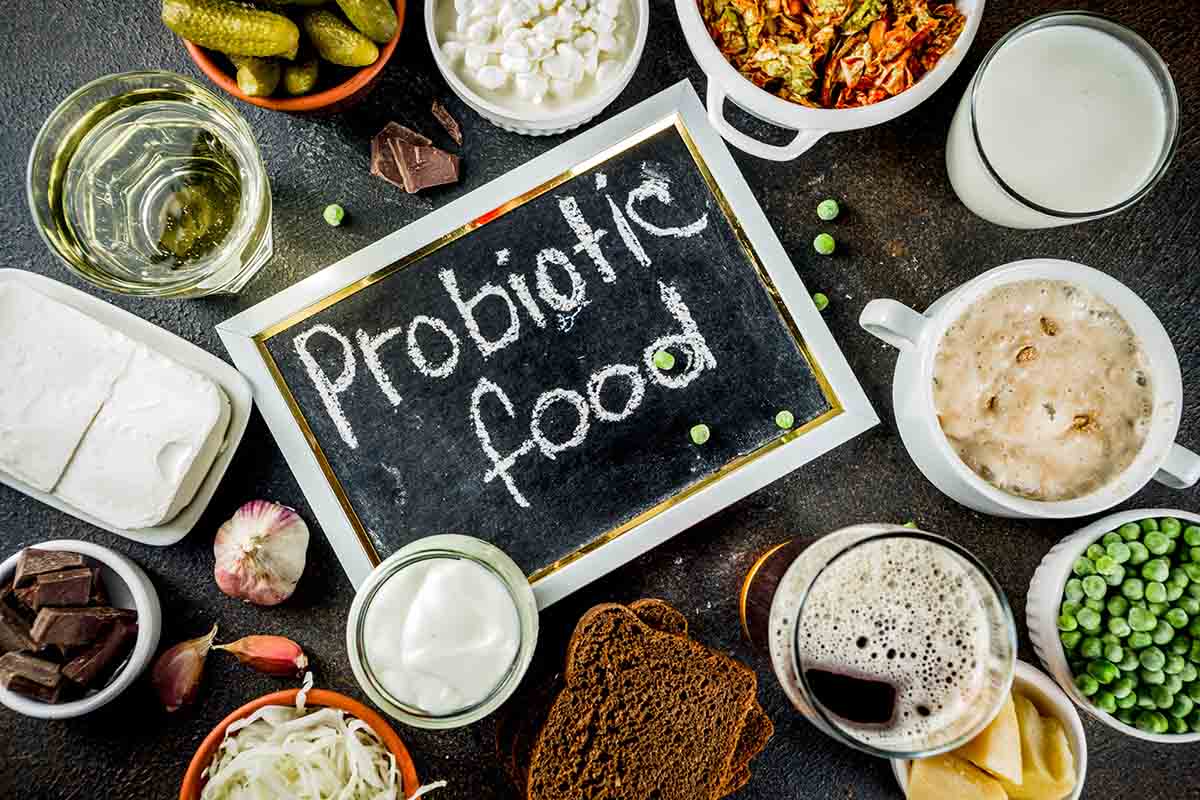
Many assume that pre and probiotics are very similar.
While they are both great for your health, they play quite different roles.
You may be wondering: what exactly are the differences between the two?
Well, probiotics are beneficial bacteria that live and are found in certain foods.
At the same time, prebiotics come from fibrous foods, which our guts find hard to digest. Prebiotics eat this fiber.
There are many benefits of taking a daily prebiotic.
Gut bacteria, sometimes known as gut flora, play a vital role in many bodily functions.
Good bacteria help fight off invading harmful bacteria.
They can also help fight inflammation and promote a robust immune system.
As well as offering mood-stabilizing benefits.
Thus, eating the proper pre and probiotics is essential for good gut health.
As supplements are a great idea to increase your pre and probiotics consumption, you can get the same benefits from eating certain foods.
Healthy, balanced diets provide the best gut health.
Buying whole, fresh, and nutritious foods is an easy way to prioritize your health on a budget.
They are packed with pre and probiotics.
Find the Right Adaptogen, Without Falling for the Hype

Adaptogens are herbs and fungi traditionally used to help the body cope with physical or emotional stress.
Ashwagandha, rhodiola, ginseng, maca, turmeric, and certain medicinal mushrooms are commonly marketed as adaptogens.
However, “natural” does not automatically mean safe or effective.
Research varies significantly between ingredients, and adaptogens do not literally detect what your body needs, “balance” every hormone, or prevent stress from entering the body.
They should also never replace nutritious food, prescribed medication, therapy, sleep, or medical care.
What Does the Evidence Actually Show?
- Ashwagandha: Some preparations may support short-term stress management and sleep, although evidence for treating anxiety remains unclear. It can interact with medications and has been associated with rare cases of liver injury. It should be avoided during pregnancy.
- Rhodiola: Often promoted for fatigue, concentration, and stress, but there is not enough reliable evidence to confirm its effectiveness for any health-related purpose. Possible side effects include insomnia, dizziness, and headaches. It may also interact with blood-pressure medication.
- Turmeric and curcumin: Turmeric is a flavorful addition to curries, soups, and roasted vegetables. Concentrated curcumin supplements, however, have not been proven to treat depression or anxiety. Certain enhanced-absorption formulations have been linked to liver injury.
- Ginseng: Asian ginseng is traditionally used for energy and resilience, but its effects depend on the product, dose, and individual. It may cause insomnia and interact with medicines, including those used to manage blood sugar.
- Maca: Maca can be added to smoothies, oatmeal, or yogurt, but evidence that it relieves acute stress, anxiety, or fatigue is limited. It should be treated as a food or optional supplement—not a mental-health treatment.
- Medicinal mushrooms: Lion’s mane and reishi are being studied for possible effects on cognition, mood, and immune function, but human evidence remains limited. Oyster mushrooms are nutritious culinary mushrooms, although they should not automatically be classified as medicinal adaptogens.
Practical Ways to Use Adaptogenic Foods
If you want to explore adaptogens, start with food-based options instead of creating a complicated supplement routine:
- Add turmeric to soups, rice dishes, or roasted vegetables.
- Mix a small amount of maca powder into oatmeal or a smoothie.
- Cook oyster mushrooms in stir-fries, pasta, or soups.
- Drink an herbal tea containing one clearly identified ingredient.
- Introduce only one new product at a time so you can notice side effects.
People who enjoy growing food at home can cultivate culinary oyster mushrooms with ready-made indoor grow kits.
This can make fresh mushrooms more accessible, but they should still be enjoyed as part of a varied diet rather than treated as a cure.
Choose Supplements Carefully
Dietary supplements are not approved in the same way as prescription medicines before reaching the market.
Product quality, strength, and purity can therefore differ between brands.
Before buying an adaptogen supplement:
- Look for independent testing from organizations such as NSF or USP.
- Check the label for the exact ingredient, extract strength, and serving size.
- Avoid proprietary blends that conceal individual quantities.
- Be cautious of claims such as “balances all hormones,” “boosts immunity,” or “treats anxiety.”
- Ask a doctor or pharmacist about possible medication interactions.
Extra caution is necessary if you are pregnant or breastfeeding, preparing for surgery, taking prescription medication, or managing liver, thyroid, autoimmune, blood-pressure, or blood-sugar conditions.
Adaptogens may have a place in a wellness routine, but they are not shortcuts to better health.
The most dependable foundation remains a varied diet, regular movement, sufficient sleep, meaningful social connection, and professional support when stress, anxiety, or depression begins interfering with everyday life.