Restoring Classic Cars: Important Things to Know
✨ Key Points
- Buy the best starting point your budget allows. Paying more for a solid body and complete vehicle can sometimes be cheaper than rebuilding a severely neglected bargain.
- Decide what “restored” means before spending money. A concours restoration, period-correct classic, restomod, and weekend driver can require dramatically different budgets and decisions.
- Don’t assume restoration equals investment profit. Restore a car because the finished vehicle and experience are valuable to you; resale value may not recover every dollar or hour you put into it.
The exciting part of buying a classic car is imagining the finished result.
The difficult part begins when you open the garage door on Saturday morning and have to decide what to restore first.
Do you rebuild the engine before addressing rust?
Should that worn interior be replaced or preserved? Is the original paint worth saving?
Which modifications could improve everyday usability—and which could reduce the character or collector appeal that made you buy the car in the first place?
That’s where restoring classic cars becomes less about fixing individual problems and more about managing an entire project.
Before removing the first major component, create a restoration plan that answers:
- What is worth preserving? Original paint, trim, interior materials, numbers-matching components, and documentation may have historical or collector significance.
- What needs immediate attention? Structural corrosion, brakes, steering, fuel systems, wiring, and other safety-related problems may deserve priority over cosmetic work.
- What is your finished car supposed to be? A show car, period-correct restoration, weekend cruiser, or modernized restomod requires a different approach.
- Who will do each job? Separate realistic DIY projects from work that requires a classic-car specialist.
- Where will everything go? Parts removed today may need to be labeled, photographed, catalogued, and safely stored for months.
- What is your stopping point? Without a defined scope, one repair can easily turn into a complete rebuild.
These are also important mistakes to avoid while buying a classic car.
Before purchasing a project, think beyond whether the engine starts or the body looks good in photographs.
Consider whether you can actually source the missing parts, find the right expertise, store the vehicle, and complete the type of restoration you have in mind.
A successful classic-car restoration starts long before the first new part goes on the car. It starts with deciding what should stay, what should change, and what you ultimately want that vehicle to become.
The Perfect Car
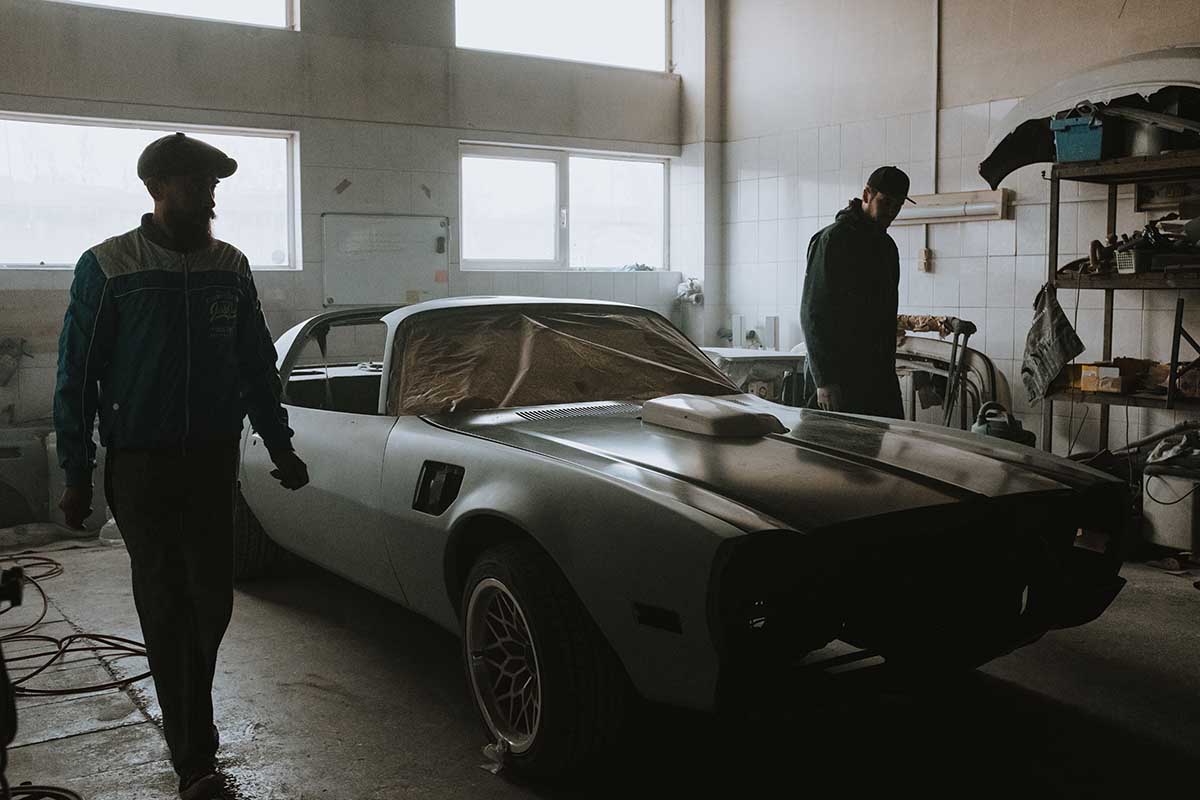
Finding the right car to work on is the first and probably the most important step to take in this journey.
There are loads of places online and out in the world to look for the perfect car, so make sure not to rush this process and wait for the perfect option to come your way.
Restoring Classic Cars: Equipment and Tools
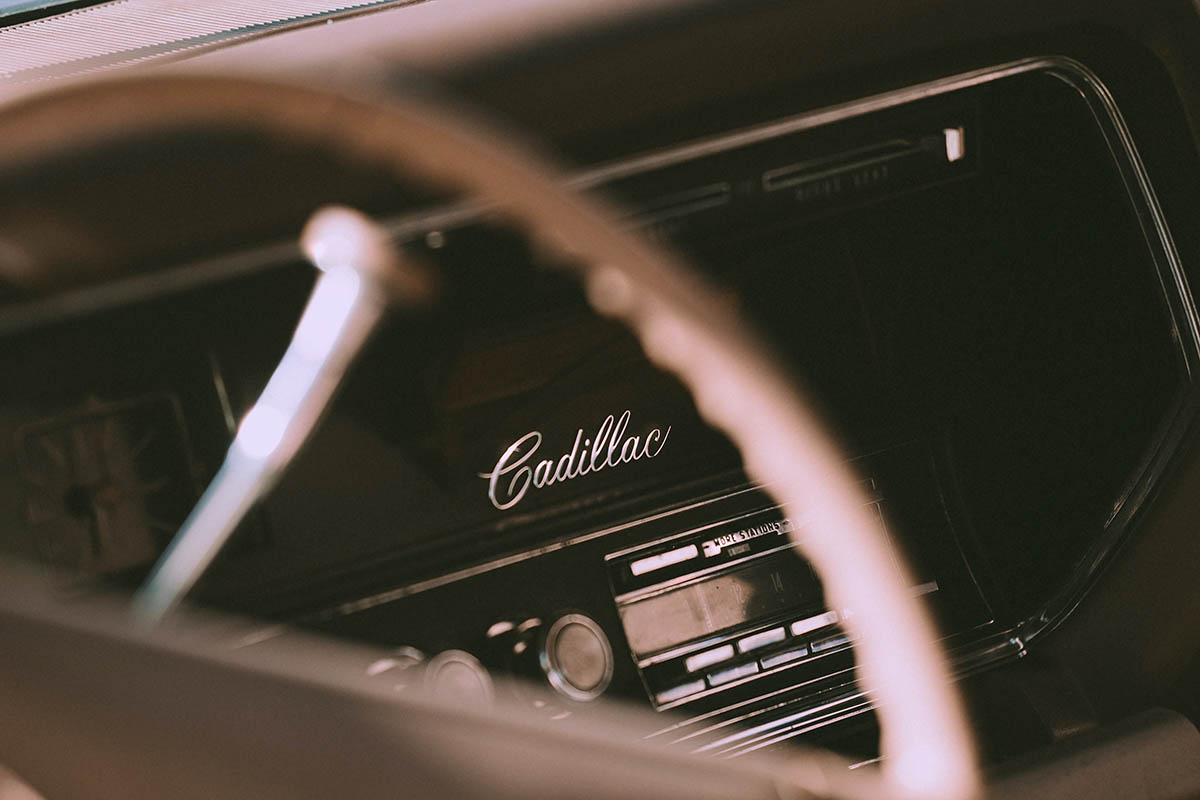
If you’re going to be doing the dirty work yourself (which is usually half the fun), there are a few important tools and important pieces of equipment you’ll need.
Aside from the car itself, this will be one of your most expensive elements of the process.
First of all, you’ll, of course, need a basic toolkit consisting of screwdrivers, pliers, drills, wrenches and sockets, and similar items.
However, you’ll also need a few other specialized pieces of equipment like grinders, blowtorches, and compressor guns which you could get from a powder coating supplier.
These items will be crucial if you intend to get all the work done on your car.
Plan Your Budget
As you can already see, there will be certain things you’ll need to invest in, items you may need to hire, and professionals who might need to be outsourced.
Having a set budget for how much you’d like to spend on your car is a good step to take.
Try to include a little extra in your budget for any mishaps or unexpected expenses that could pop up along the way.
It’s important to understand where you can save a few dollars and where it’s important to spend bigger money for quality and longevity for your car, especially if you’re planning on reselling it.
Get Inspiration
Going into this journey completely blind and clueless might result in your car not looking quite the way you wanted it to.
Spend some time doing research online and looking for inspiration for your final product.
Look at car magazines, go to some exhibitions and chat with others who are into classic cars to get some ideas of what you want.
Only start working on your car once you have a clear idea and a list of everything you want to do with it to avoid spending unnecessary money on ideas you regret or having to do last-minute rushing because you forgot about something you wanted to add in.
Be Patient
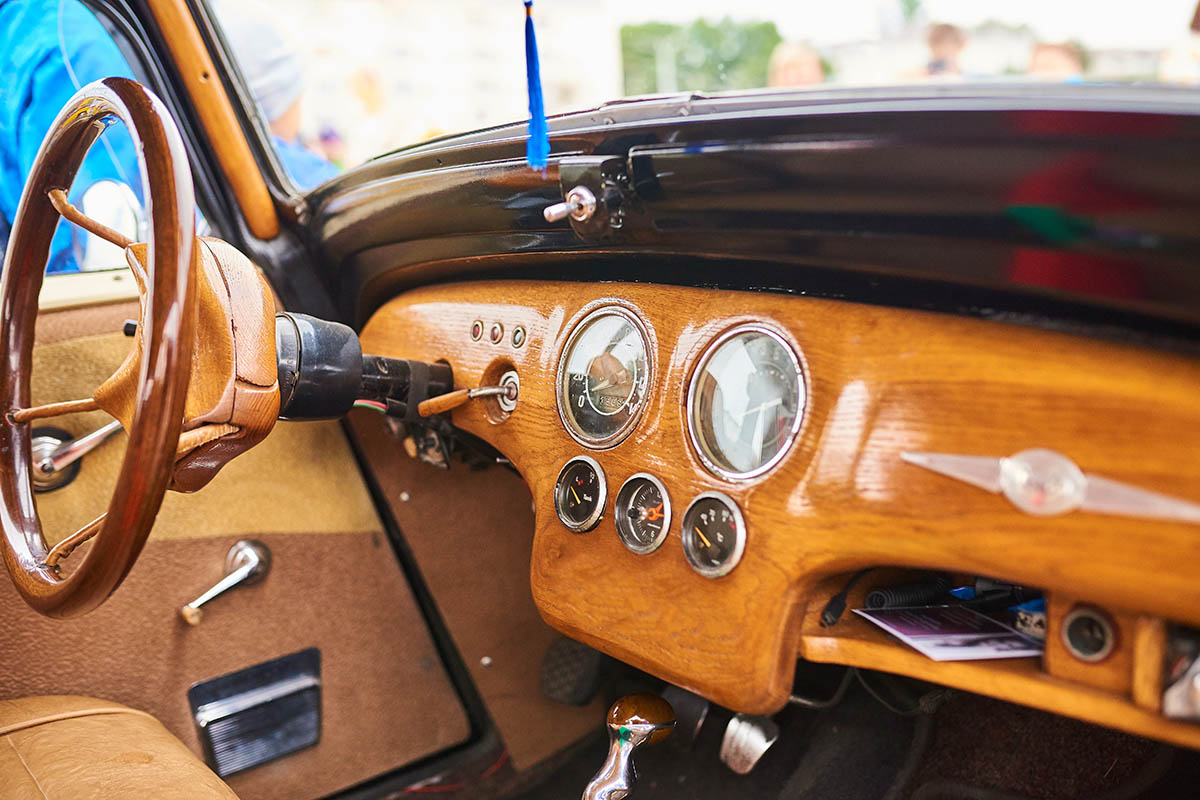
Good things take time. You can’t rush perfection and throw in whatever other quote you can think of to make you feel better about the fact that this will probably take a while.
The matter is that the restoration process is long, especially if you want it done right and with care.
Set yourself a timeframe but don’t be overly ambitious about how soon you can have it finished, especially if you have other obligations.
This project will turn out better if it’s not rushed, so kick back and enjoy the ride.
Call the Specialists
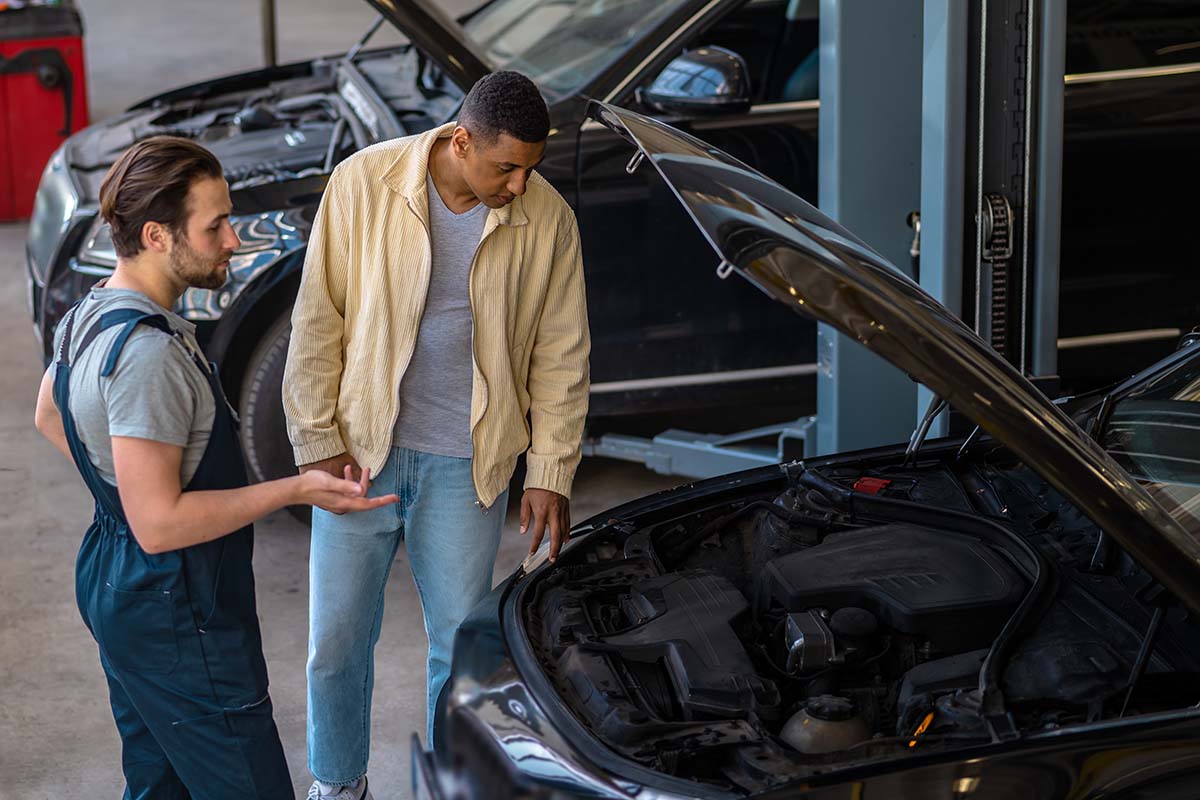
Even if you want to do all the work yourself, it’s important to get in touch with someone in the know before you start ripping the car apart and setting things on fire.
Getting some professional advice on what can and cannot be done, how certain elements should be handled, and any assistance you might need will only make the journey smoother and help you avoid making expensive and time-consuming errors.
Vintage Vehicles, Restoring Classic Cars: To Wrap It Up
The most valuable tool in restoring classic cars may not be sitting in your garage. It’s knowing when to research, verify, and ask someone with more experience before making an expensive decision.
That becomes particularly important when sourcing unusual project vehicles.
Buying stolen and recovered cars at auction, for example, can introduce additional questions around vehicle history, title status, damage, missing components, insurance history, and registration requirements.
A tempting auction price shouldn’t replace proper due diligence.
Before committing money to any vintage vehicle or restoration project:
- Verify the VIN, title, ownership history, and available documentation.
- Investigate previous accident, theft, flood, fire, or structural damage where records are available.
- Estimate parts and specialist labor before assuming a project is affordable.
- Photograph and catalogue components before dismantling the vehicle.
- Build relationships with marque specialists, restoration shops, parts suppliers, and experienced classic-car owners.
- Keep a financial reserve for discoveries you couldn’t see before the restoration began.
Online communities can help locate rare parts and share experience, but advice should still be checked against reliable technical information and qualified specialists.
Ultimately, restoring classic cars is partly mechanical work and partly detective work.
The more you know about where a vintage vehicle has been, what has happened to it, and what it will realistically take to bring it back, the better your chances of finishing with a car you actually want to drive, not an unfinished project you can’t afford to complete.