If Your Marketing Is Lacking, You Need Some New Ideas
✨Key Points
- If your marketing isn’t driving traffic or sales, it’s a sign your current approach needs a refresh.
- Ignoring weak marketing can slowly drain profits, even if everything else in your business is solid.
- You don’t have to be a marketing expert — simple changes or expert help can make a real difference.
If your marketing feels flat right now, you’re probably seeing it where it hurts most — fewer website visits, less foot traffic, and slower sales.
That drop in attention doesn’t just sting; if it drags on, it can quietly eat into your profits.
Here’s the reality many business owners don’t hear enough: this doesn’t always mean you’re doing something wrong.
Markets change. Some niches that were once profitable simply aren’t performing the way they used to.
Customer behavior shifts with each generation, and what worked five or even two years ago may no longer connect today.
Technology has also changed the game.
Automation, AI tools, and smarter marketing systems are now standard — yet many businesses are still doing everything manually, the same way they always have.
When competitors are moving faster and scaling smarter, staying hands-on with everything can leave you struggling to keep up.
The frustrating part is knowing something isn’t working, but not knowing what to fix first.
And if marketing isn’t your background, trying to guess your way through it can feel overwhelming — or worse, like you’re burning time and money with little to show for it.
That’s exactly why rethinking your approach matters.
Whether it’s updating your strategy, embracing automation, or bringing in someone who lives and breathes marketing, change isn’t a risk — it’s a necessity.
Keep reading to discover fresh, practical ideas that can help your business adapt, regain attention, and move forward with confidence.
Traditional Marketing Is Not Dead
The first thing that we want to say is that traditional marketing is not dead.
Many conventional methods can still be used with great success, and you should not be taking these for granted.
For example, television ads are still a fantastic way to advertise your business and get the increased level of traffic that you are looking for.
Further than this, you can still use billboards as people are still driving past them.
The only thing you have to make sure of is that they are eye-catching and display your information.
It has got to be something that sticks in the minds of people who are going past, and this can be something like using dynamic DOOH software that powers spectacular billboards.
It’s something to take a look at, at least.
Go Live On Social Media and Be Seen
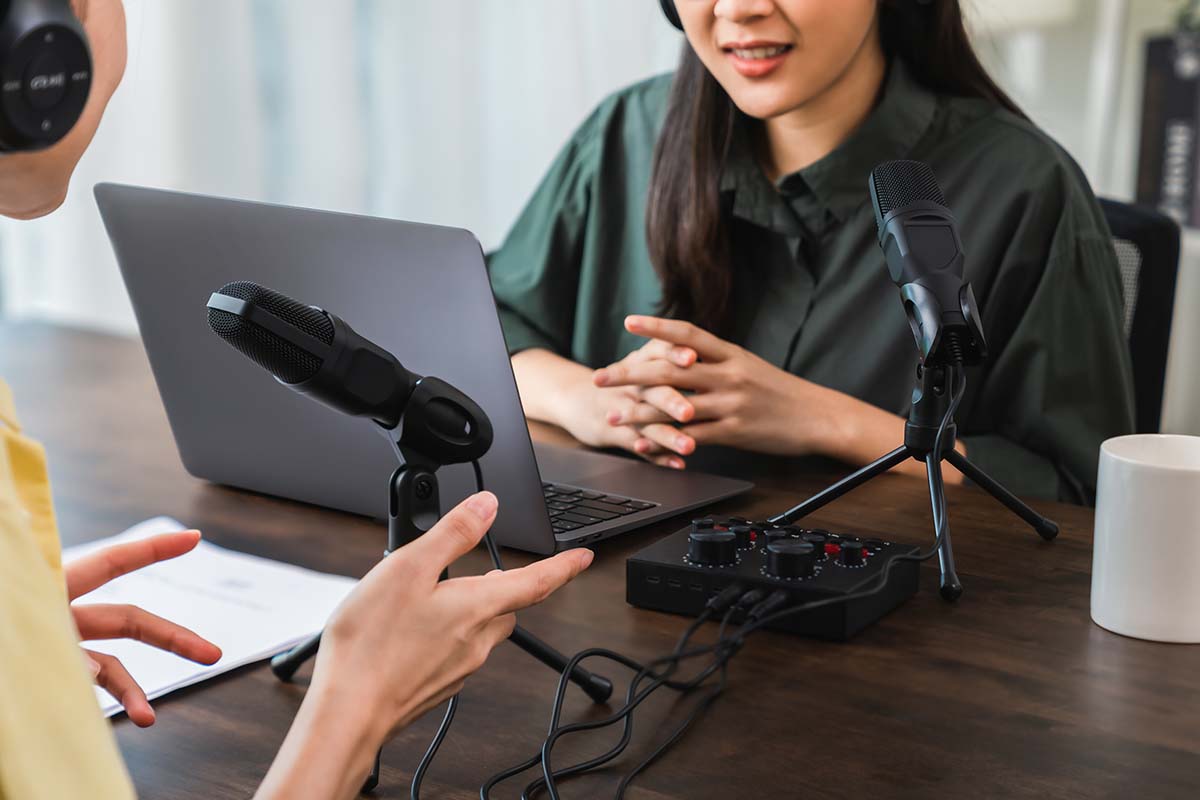
Another powerful way to strengthen your marketing is by going live on social media.
Live video shows people that there are real humans behind the business — not just logos, ads, or automated posts.
And right now, that human connection matters more than ever. People are tired of faceless corporations that take their money and never engage with them.
Going live helps build trust quickly because it’s unpolished, real, and interactive.
Viewers can ask questions, see how you think, and decide if they feel comfortable buying from you.
Why live content works so well
It instantly humanises your brand;
It builds trust faster than static posts;
It encourages real-time interaction and questions;
Platforms often prioritise live content in their algorithms.
Live sessions also create valuable content you can reuse. You can clip highlights, turn answers into posts, and even build targeted ads around topics people clearly care about.
How to make live sessions even more effective
Address common customer fears, objections, or myths;
Talk openly about pricing, process, or expectations;
Invite questions and respond honestly;
Keep it simple — helpful beats polished every time.
When combined with targeted ads, live content becomes even more powerful. You can retarget people who watched your live video, engaged with your posts, or visited your website — reaching warm audiences who already trust you.
Think of it this way
Live builds trust;
Targeted ads reinforce visibility;
Engagement turns attention into action.
You don’t need to go live every day or be perfect on camera.
Consistency and authenticity matter far more than production quality.
In a world full of automation and ads, showing up as a real person is often what sets your business apart — and keeps your marketing working long after the live stream ends.
Share Your Values

One of the most effective ways to improve your marketing is to be open about what your business truly stands for.
Many businesses avoid this because it feels risky — and in a way, it is. Sharing your values will naturally push some people away.
But that’s not a loss; it’s clarity. The customers who don’t align with your values were never meant to be long-term supporters.
At the same time, being clear about your values helps attract the right people — the ones who trust you, believe in what you do, and are far more likely to stay loyal.
Why sharing your values works:
It builds trust faster than polished marketing messages;
It attracts customers who actually align with your brand;
It reduces price-driven buyers and increases loyalty;
It makes your business more memorable and relatable;
At first, it may feel like you’re losing more people than you’re gaining. That’s normal. It takes time for your message to reach the audience that truly resonates with it.
What to keep in mind while you do this:
Be honest, not performative;
Stay consistent across your website, social media, and messaging;
Don’t panic if results aren’t instant — trust takes time.
We hope this article has helped you understand why your marketing may feel flat and what you can start doing differently. There’s no single fix, but small, intentional changes can lead to meaningful growth.
The most important takeaway:
Don’t stay stuck doing the same thing;
Experiment, adjust, and refine your approach;
Focus on attracting the right people, not just more people.
That’s how marketing starts working again — naturally, sustainably, and with confidence.
Market Research: Has the Market Quietly Moved On?

One of the hardest truths in business is this: sometimes the market changes before we notice the results slipping.
When that happens, it’s often not the product or service itself that’s failing — it’s the product–market fit that has quietly shifted.
What once solved a clear problem for a specific group may no longer resonate in the same way.
Customer priorities evolve, new segments emerge, and your original target market may start behaving differently — or move on entirely.
This is where market segmentation becomes critical. Instead of speaking to “everyone,” businesses that adapt break their audience into clear groups and reassess:
Who still needs this solution?
Who is no longer a good fit?
Which new segments are emerging?
Your marketing struggles may simply be a signal that your message is aimed at the wrong audience — not that your offer lacks value.
Revisiting your target market helps you realign your messaging, pricing, and positioning with the people who are most likely to buy today, not the ones who bought years ago.
In other words, when results dip, it’s not always time to push harder — it’s time to refocus.
✨Real example: A local fitness studio sees fewer sign-ups. Ads are running. Social posts are consistent. But searches for “group fitness classes” are down, while “home workouts” and “personal training” are climbing. The demand didn’t disappear — it shifted.
What to do:
Check Google Trends for your main service over the last 2–3 years;
Compare how customers describe their problems now vs. before;
Look at what competitors are adding or removing.
✨Helpful reality: If fewer people are searching for what you offer, better marketing alone won’t fix it — repositioning will.
Niche Research: Are You Still Speaking to the Right Buyer?
Your niche might still exist — but it may no longer respond the same way.
✨Real example: A premium service once marketed on quality and trust now struggles because younger buyers prioritize speed, reviews, and convenience over brand loyalty.
What to check:
Has your audience aged out or been replaced by a new generation?
Is price now more important than expertise?
Do buyers want fast answers instead of long explanations?
✨Simple test: Read recent customer reviews in your industry. Notice the language they use. If it doesn’t match your messaging, you’ve found the gap.
✨Helpful reality: Your niche may still be profitable — but only if you speak its current language.
Funnel Reality Check: Where Are People Giving Up?

Many businesses blame traffic when the real issue is what happens after someone shows interest.
✨Real example: An e-commerce store gets clicks but few purchases. The checkout has five steps, no reviews, and unclear delivery info. Visitors aren’t confused — they’re cautious.
What to fix first:
One clear offer per page;
Fewer steps between interest and action;
Social proof where hesitation happens.
✨Quick insight: If people visit but don’t convert, the problem isn’t visibility — it’s trust or clarity.
Automation Gap: Are You Competing With Machines Using Human Effort?
Technology didn’t replace effort — it replaced repetition.
✨Real example: Two service businesses compete locally. One manually replies to inquiries within 24 hours. The other uses automation to respond instantly, book calls, and follow up. Guess who wins most leads?
Easy automation wins:
Automatic email follow-ups;
Booking links instead of back-and-forth messages;
Simple CRM to track leads.
✨Helpful reality: If competitors automate and you don’t, you’re working harder for fewer results — not because you’re worse, but because the game changed.
Put It All Together: Fix the Foundation Before Spending More
Throwing money at ads without fixing the strategy is like filling a leaky bucket.
✨Real example: A business doubles its ad spend but sees no growth. After adjusting its niche message, simplifying the funnel, and adding automation, conversions rise — without increasing traffic.
What actually works:
Understand the market shift;
Fix the funnel;
Support it with automation.
✨Final truth to include: When marketing stops working, the solution isn’t doing more — it’s doing smarter, with intention.
Conclusion: When Marketing Stops Working, It’s a Signal — Not a Failure
When marketing isn’t delivering the results it used to, it’s easy to assume something is broken.
In reality, it’s often a sign that your business has reached a turning point. Technology moves forward. And customer expectations don’t stand still.
What worked yesterday may no longer connect today — and that’s normal.
The businesses that continue to grow aren’t the ones doing more marketing, but the ones willing to pause, reassess, and adapt.
They look closely at demand, revisit who they’re speaking to, fix weak points in their funnel, and use automation to work smarter instead of harder.
This isn’t about chasing trends or reinventing your entire business overnight. It’s about making thoughtful, strategic adjustments that align your marketing with how people actually buy now.
If your marketing feels stuck, take it as an invitation to evolve.
With the right insights, a clearer message, and a smarter system behind it, results don’t just return — they improve.
Change isn’t the problem.