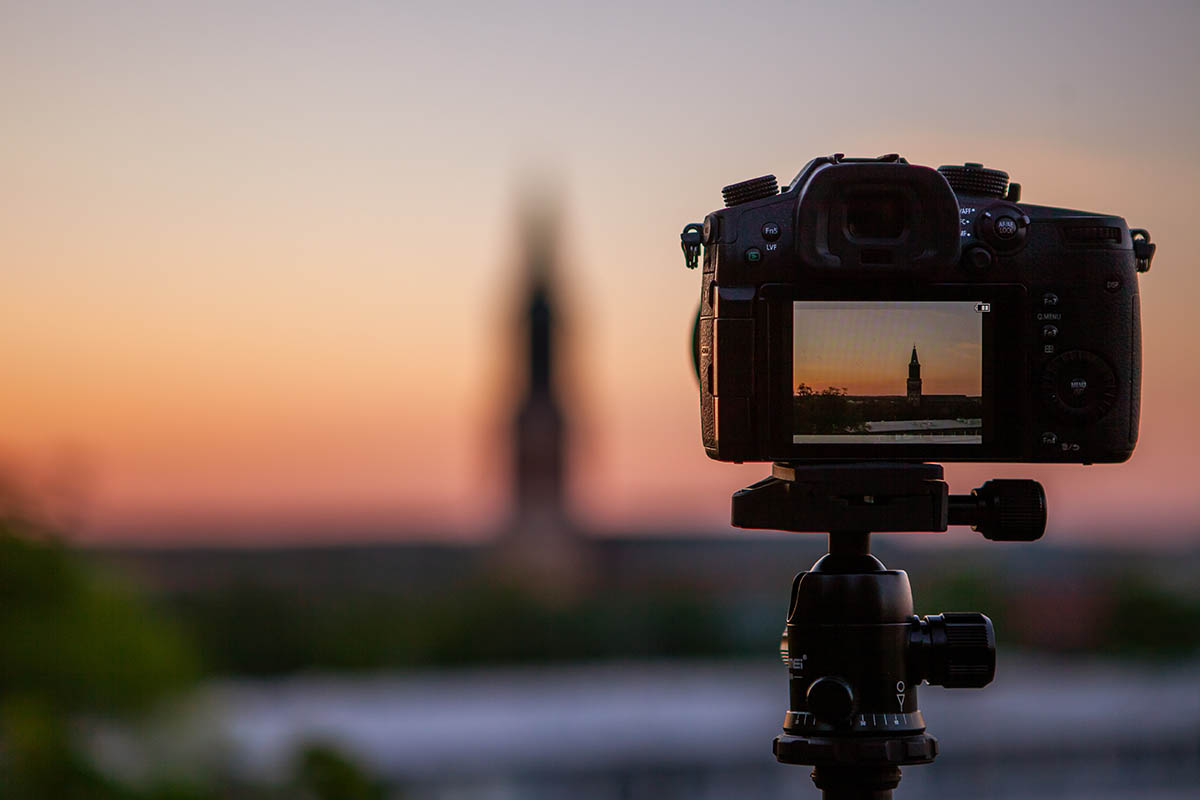
The Secret to Better Photos Without Buying an Expensive Camera
✨ Key Points
- Learn how to use a camera tripod to take sharper, more professional-looking photos with any camera or smartphone.
- Discover how to take hands-free selfies, travel photos, and full-body portraits using a tripod, timer, or remote shutter.
- Avoid common tripod mistakes and master simple techniques that improve composition, stability, and overall photo quality.
If you’ve ever wondered why your photos don’t look as sharp or professional as the ones you see online, the answer often isn’t a better camera, it’s a more stable one.
A simple tripod can dramatically improve image quality by eliminating camera shake, giving you complete control over composition, and allowing you to step into the frame.
After working alongside some of the world’s leading fine art photographers for more than five years, one lesson became clear: great photography depends far more on technique than expensive equipment.
A tripod is one of the most affordable tools that can instantly improve your results, whether you’re shooting landscapes, family photos, travel content, or learning how to take nude beach selfies hands-free.
In this guide, you’ll learn:
- Why a tripod can improve photo quality even when you’re using a smartphone.
- How to take nude beach selfies and full-body travel photos without asking strangers for help.
- The best tripod height and camera angles for more flattering portraits.
- How to eliminate blurry photos caused by shaky hands or low light.
- When to use a timer, remote shutter, or Burst Mode for natural-looking poses.
- Common tripod mistakes that can ruin an otherwise great photo.
A tripod isn’t just for professional photographers. It’s one of the easiest ways to take sharper photos, create hands-free selfies, and capture better travel memories.
Whether you’re shooting for social media, UGC, or your personal photo collection, you’ll get more polished results with the camera you already own.
What Is a Camera Tripod?
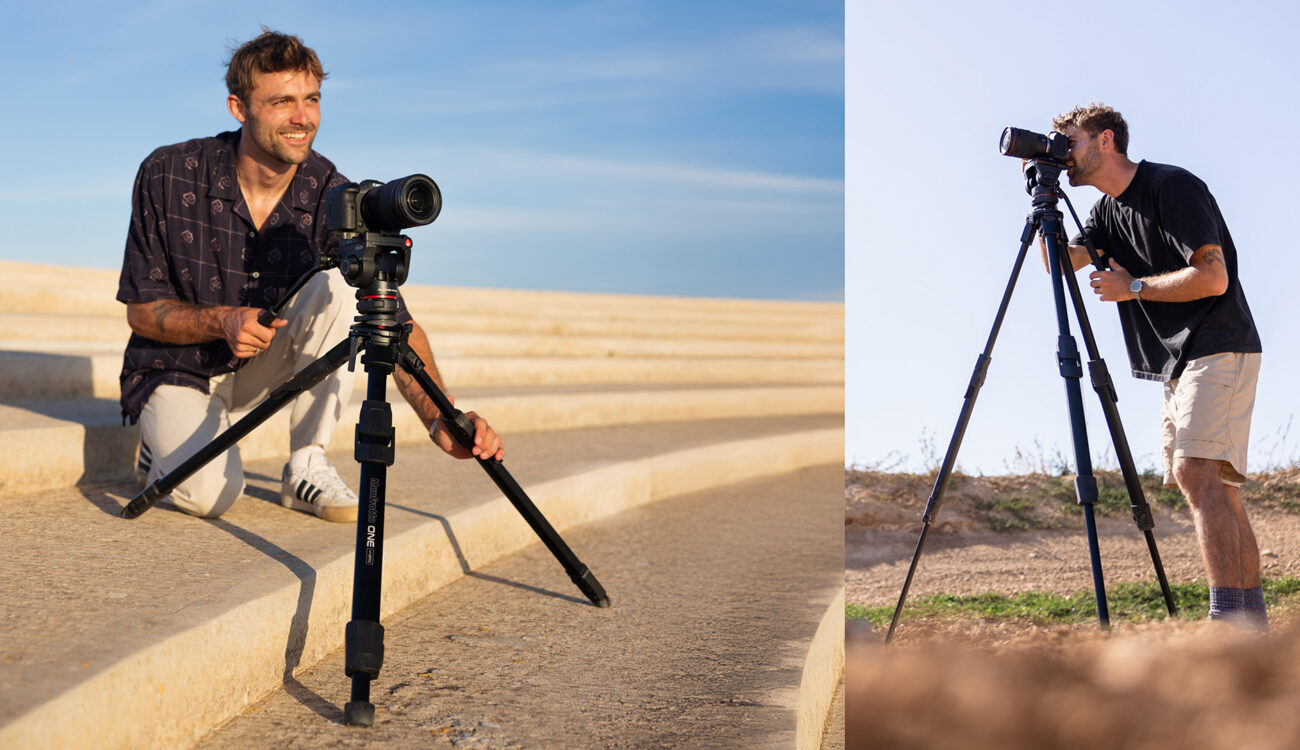
A camera tripod is one of those photography tools that looks simple but can completely transform the way your photos turn out.
Its three adjustable legs create a stable base that holds your camera or smartphone in place, allowing you to focus on composition instead of trying to keep your hands perfectly still.
The biggest advantage isn’t just stability—it’s creative control.
Instead of rushing to press the shutter or relying on someone else to take the photo, you can slow down, experiment with different angles, refine your composition, and capture the exact image you envisioned.
A tripod becomes especially valuable when you want to:
- Take hands-free selfies and full-body portraits using your phone’s timer or a Bluetooth remote.
- Capture sharper photos in low-light conditions, such as golden hour, blue hour, or indoors.
- Create polished travel, lifestyle, or UGC content that looks intentional instead of rushed.
- Record smooth videos for YouTube, Instagram, TikTok, or your personal travel journal.
- Photograph landscapes, city skylines, wildlife, or night scenes without blur caused by camera shake.
One of the best things about a tripod is that it works with almost any device.
Whether you’re using the latest smartphone or an entry-level camera, adding stability often improves your photos more than upgrading your equipment. In photography, better results usually come from better technique, not a bigger budget.
If you’re ready to invest in one, you’ll find excellent options for every budget.
Ulanzi is a popular choice among travel creators and smartphone photographers thanks to its lightweight, portable designs, while Manfrotto is trusted by professional photographers for its exceptional durability and stability.
The best tripod is the one that matches your shooting style and is light enough that you’ll actually take it with you.
What Should You Look for When Buying a Camera Tripod?
Not all tripods are built the same.
The best choice depends on the type of photography you enjoy, the equipment you use, and where you plan to shoot.
Buying the cheapest model can lead to shaky photos, while an oversized professional tripod may be heavier than you want to carry on trips.
Before you buy, consider these features:
- Weight capacity. Make sure the tripod can safely support your camera, lens, or smartphone. If you plan to upgrade your gear in the future, choose a model with extra capacity.
- Size and portability. If you travel often or hike to photo locations, look for a lightweight tripod that folds compactly and fits easily into your backpack or suitcase.
- Material. Aluminum tripods are durable and affordable, while carbon fiber models are lighter, stronger, and better at reducing vibrations—though they usually cost more.
- Adjustable height. Choose a tripod that extends to your eye level without raising the center column too high, which can reduce stability.
- Ball head with a quick-release plate. This allows you to change camera angles in seconds and quickly attach or remove your camera without slowing down your shoot.
- Stable, adjustable legs. Look for legs with secure locking mechanisms that are easy to extend and can remain stable on sand, rocks, grass, or uneven terrain.
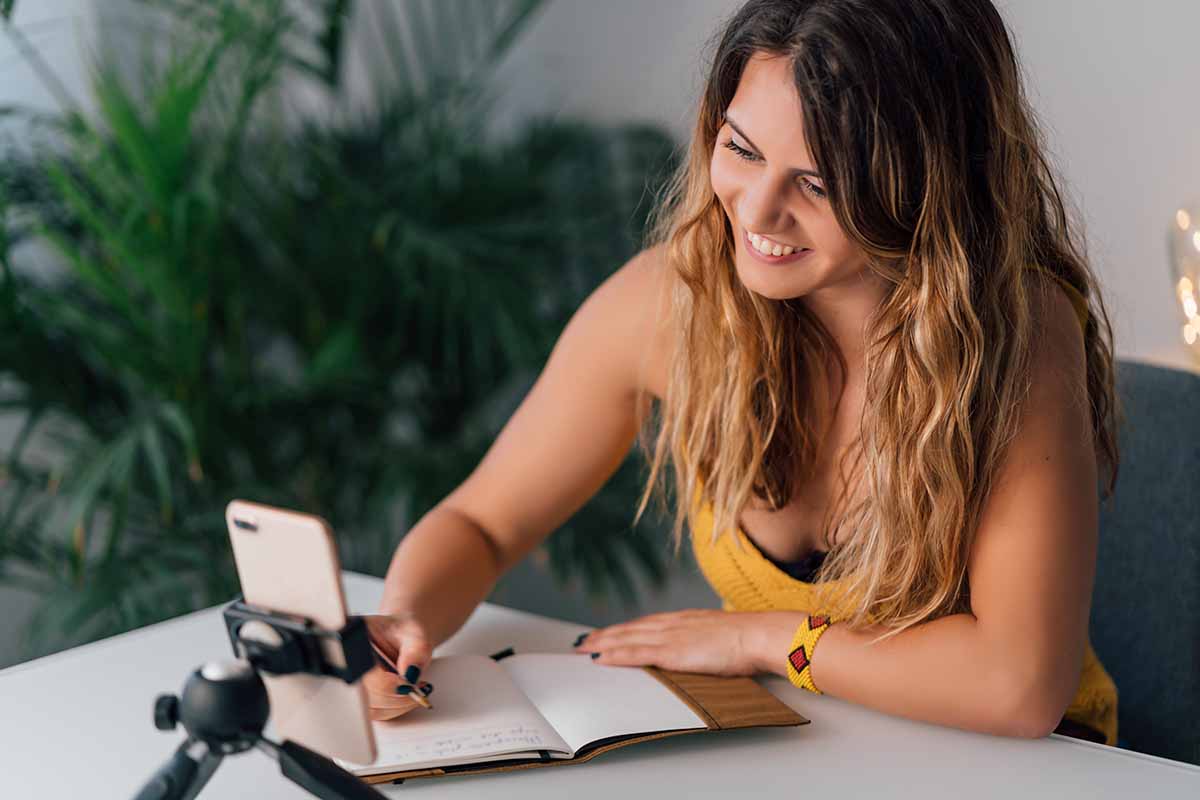
- Smartphone compatibility. If you’re using your phone for travel photography, selfies, or UGC, check that the tripod includes—or can support, a reliable smartphone mount.
✨Pro tip
Think about how you’ll use your tripod most often before making a purchase.
- For travel: Choose a lightweight, compact model that’s easy to carry all day.
- For content creation and UGC: A tripod with a phone holder, Bluetooth remote, and adjustable angles offers the most flexibility.
- For landscape or night photography: Prioritize stability over weight to keep your images sharp during long exposures.
A good tripod isn’t necessarily the most expensive one, it’s the one you’ll actually enjoy carrying and use regularly.
The more often you use it, the more you’ll improve your photography.
Camera tripods: where can I buy a tripod?
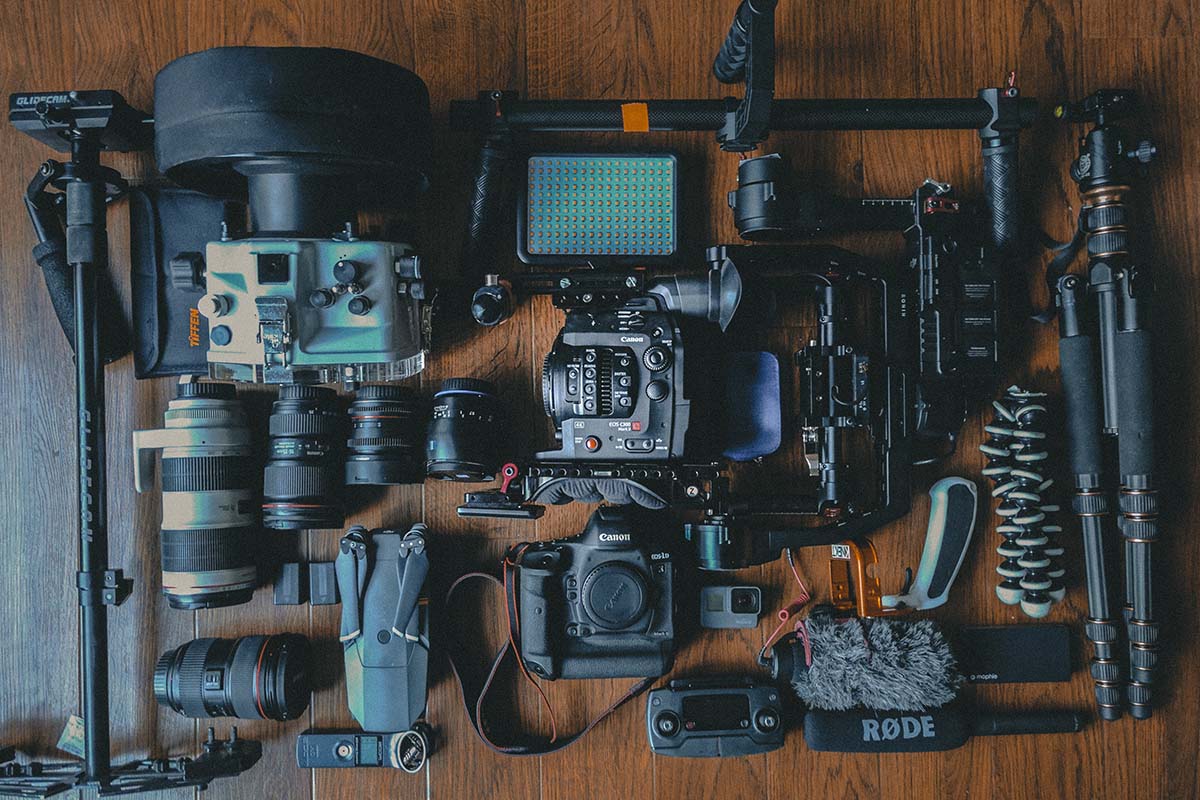
There are many places to buy tripods online or in stores.
Most electronic goods stores will offer a wide selection of tripods from different brands. Other options include specialty camera stores and local gadget shops.
How Can a Tripod Help You Take Better Photos?
A tripod does much more than hold your camera still. It gives you the stability and freedom to focus on lighting, composition, and creativity instead of worrying about blurry images. W
hether you’re using a smartphone or a professional camera, a tripod can instantly improve the quality of your photos.
Here are some of the biggest benefits:
- Capture sharper photos. Even a slight hand movement can soften an image, especially when zooming in or shooting in low light. A tripod keeps your camera perfectly steady, resulting in crisp, detailed photos.
- Take better selfies and portraits. Use your phone’s timer or a Bluetooth remote to step into the frame, experiment with different poses, and capture natural-looking photos without asking someone else to take them.
- Shoot in low-light conditions. During sunrise, sunset, indoors, or at night, your camera often uses a slower shutter speed. A tripod prevents camera shake, allowing you to take clear photos without increasing the ISO and adding unwanted noise.
- Create long-exposure images. If you want to photograph silky waterfalls, light trails from passing cars, fireworks, or star-filled skies, a tripod is essential for keeping the camera completely still during longer exposures.
- Improve composition. Because the camera stays in the same position, you can carefully adjust your framing, fine-tune the background, and pay attention to small details before pressing the shutter.
- Record smoother videos. A tripod eliminates shaky footage, making it ideal for travel vlogs, tutorials, interviews, UGC content, and social media videos.
Example
Imagine you’re photographing a sunset on the beach.
Holding your phone by hand may cause slight blur as the light fades.
By placing it on a tripod and using a 10-second timer, you can slow down, compose the perfect shot, step into the frame, and capture a sharp, professional-looking image that would be difficult to achieve handheld.
✨Pro tip: Pair your tripod with your camera’s timer or a Bluetooth remote shutter.
This prevents vibrations caused by pressing the shutter button, helping you capture the sharpest possible photo every time.
Where Can You Use a Camera Tripod?
A tripod is one of the most versatile photography accessories you can own.
While many people associate it with professional photographers, it can improve almost any type of photo or video, whether you’re traveling, creating content, or capturing everyday moments.
Here are some of the best places and situations to use a tripod:
- Travel destinations. Capture iconic landmarks, beaches, mountains, and city skylines without blurry photos. A tripod also lets you step into the frame instead of always being behind the camera.
- Nude beaches and scenic coastlines. If you’re learning how to take nude beach selfies, a tripod allows you to shoot hands-free, experiment with different poses, and compose your photo carefully while respecting other beachgoers’ privacy.
- Nature and landscapes. Photograph waterfalls, forests, lakes, flowers, or wildlife with greater stability and sharper detail, especially in windy conditions.
- Sunrise, sunset, and night photography. As the light fades, cameras use slower shutter speeds. A tripod prevents camera shake, making it possible to capture colorful sunsets, city lights, fireworks, and even star-filled skies.
- Family photos and group pictures. Instead of asking a stranger to take your picture, use a tripod with a timer or remote shutter so everyone can be included in the shot.
- Sports and wildlife photography. A tripod provides extra stability when using heavy telephoto lenses, making it easier to track moving subjects over longer periods.
- Content creation and UGC. Whether you’re filming product reviews, tutorials, travel videos, or social media content, a tripod helps you create cleaner, more professional-looking photos and videos.
- Indoor photography. Perfect for photographing food, crafts, products, real estate, or home décor when you want consistent framing and sharp images.
✨Pro tip
Don’t think of a tripod as something you’ll only use on special occasions.
Keep a lightweight travel tripod in your car or backpack.
You’ll be surprised how often you’ll reach for it when you discover a beautiful viewpoint, want to capture a family moment, or need a stable setup for content creation.
The more you use your tripod, the more you’ll notice improvements in your composition, creativity, and overall photography.
Beyond the Tripod: Simple Ways to Take Better Photos Every Time
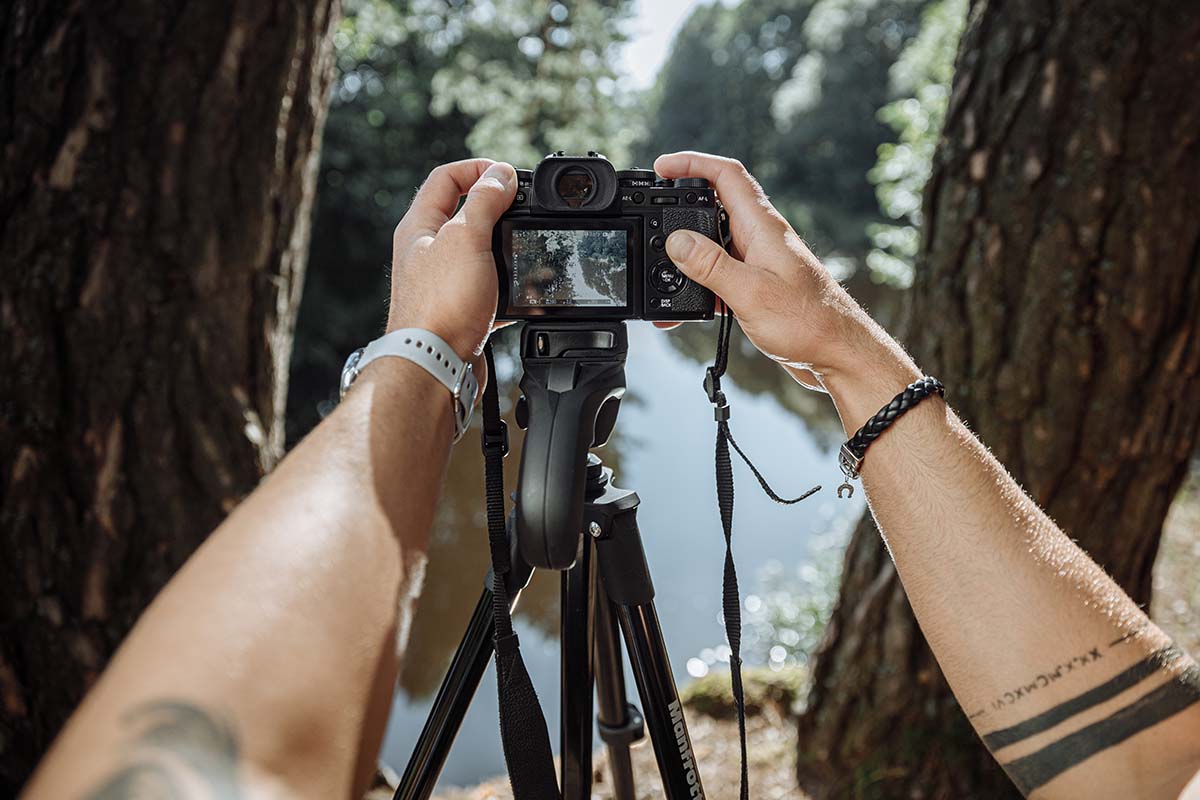
A tripod is a fantastic starting point, but it’s only one piece of the puzzle.
The most memorable photographs come from understanding how to use light, composition, and storytelling together.
These are the same principles professional photographers rely on, regardless of whether they’re shooting with a smartphone or a high-end camera.
If you want to continue improving your photography, focus on these techniques.
Build a Strong Composition
Composition is how you arrange everything within your frame.
A well-composed photo guides the viewer’s eye naturally to the subject instead of letting it wander around the image.
Try these simple techniques:
- Use the Rule of Thirds. Place your subject slightly off-center instead of directly in the middle for a more balanced, dynamic photo.
- Look for leading lines. Roads, fences, shorelines, bridges, or walking paths naturally guide the viewer’s attention toward your subject.
- Keep the background clean. Before taking the photo, check for distracting people, signs, trash cans, or objects that compete for attention.
- Add depth. Include foreground elements such as flowers, rocks, or trees to make landscapes feel more immersive.
Learn to Work With Natural Light
Light has the biggest impact on the mood of your photos.
For the best results:
- Photograph during golden hour shortly after sunrise or before sunset for soft, warm light.
- Avoid harsh midday sunlight when possible, as it creates strong shadows and causes people to squint.
- Experiment with side lighting to add depth and texture.
- Try backlighting during sunrise or sunset to create a warm glow around your subject for a more artistic look.
Tell a Story Instead of Just Taking a Picture
The best photographs make people feel as though they were there.
Instead of asking yourself, “What should I photograph?”, ask:
- What do I want people to feel when they see this image?
- What makes this location unique?
- What details help tell the story of this moment?
For example, instead of photographing only a beach, include footprints in the sand, a beach towel blowing in the breeze, or someone walking along the shoreline.
Small details often create stronger emotional connections than wide scenic shots alone.
Practice With Purpose
Every photo teaches you something.
Rather than taking one picture and moving on:
- Shoot the same scene from different angles.
- Move closer, then farther away.
- Change your camera height.
- Try both horizontal and vertical compositions.
- Review your images afterward and identify what worked—and what didn’t.
Professional photographers rarely capture their favorite image on the first attempt. They experiment until they find the composition that feels right.
Most Importantly, Enjoy the Process
Photography isn’t about owning the newest camera or following every rule perfectly.
It’s about learning to notice beautiful light, interesting perspectives, and meaningful moments that others might overlook.
The more you practice these skills alongside using your tripod, the more naturally you’ll begin creating sharp, engaging photos that tell a story, whether you’re documenting your travels, creating UGC content, growing your social media presence, or simply preserving memories with friends and family.
A Tripod Is One of the Simplest Ways to Take Better Photos
If you want to consistently capture sharper, more professional-looking images, a tripod is one of the smartest photography investments you can make.
Whether you’re using a DSLR, mirrorless camera, or taking better photos with your smartphone, a tripod provides the stability needed to produce noticeably higher-quality results.
The benefits go far beyond reducing camera shake. A tripod allows you to:
- Capture sharper photos by eliminating hand movement.
- Take clearer images in low light without increasing image noise.
- Create hands-free selfies, group photos, and travel portraits using a timer or Bluetooth remote.
- Improve composition because you have time to carefully frame each shot.
- Record smoother videos for social media, YouTube, or UGC content.
Even the slightest movement can make an otherwise beautiful image appear soft or blurry, especially when photographing at sunrise, sunset, indoors, or at night, when cameras use slower shutter speeds.
A tripod keeps your camera perfectly still, allowing you to capture crisp details and vibrant colors that would be difficult to achieve handheld.
The best part? You don’t need expensive photography gear to see a dramatic improvement.
Learning how to use a tripod effectively can have a greater impact on your photos than upgrading to a more expensive camera.
Master this simple tool, and you’ll be well on your way to taking better photos with your smartphone or camera, whether you’re documenting your travels, creating UGC content, or preserving life’s most memorable moments.