Essentials of a Balanced Diet for Better Everyday Nutrition
✨ Key Points
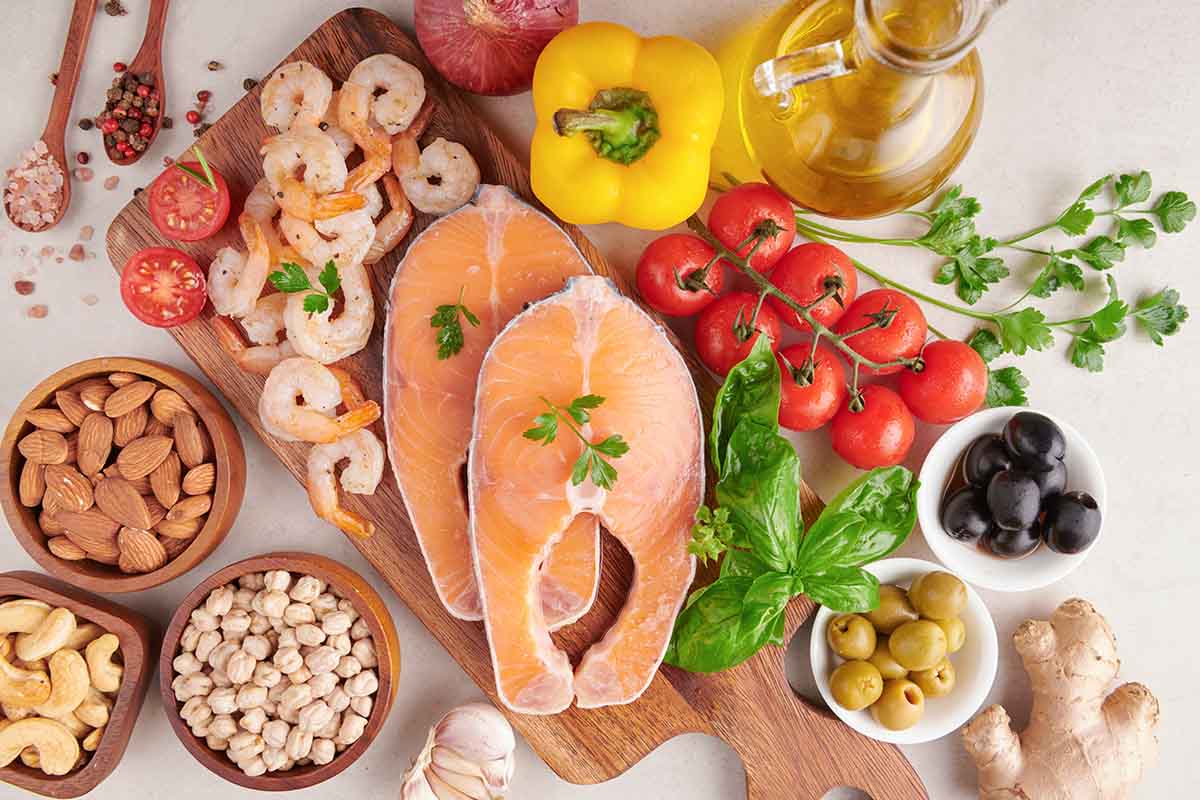
- What to eat for a balanced diet: Build meals with vegetables or fruit, quality protein, high-fiber carbohydrates, and healthy fats.
- Benefits of a balanced diet: A varied eating pattern supports energy, digestion, muscle health, nutrient intake, and long-term well-being.
- How to maintain healthy eating habits: Choose realistic portions, plan simple meals, stay hydrated, and prioritize consistency over perfection.
Eating well is not about following a restrictive plan or making every meal perfect.
A balanced diet means regularly choosing a practical variety of foods that provide protein, carbohydrates, healthy fats, fiber, vitamins, and minerals.
Current nutrition guidance gives the issue real urgency:
- Only about 1 in 10 U.S. adults meets recommended fruit or vegetable intake levels, according to the CDC.
- The World Health Organization recommends at least 400 grams of fruits and vegetables and 25 grams of naturally occurring fiber daily for people aged 10 and older.
- The current Dietary Guidelines for Americans, 2025–2030 prioritizes whole, nutrient-dense foods.
- More consistent energy throughout the day;
- Digestion and regularity;
- Muscle maintenance and recovery;
- Heart and metabolic health;
- Healthy weight management;
- Better intake of essential nutrients.
This guide explains 10 things to include in a balanced diet, how they support the body, and how to combine them in realistic everyday meals.
Individual needs vary based on age, health conditions, activity, pregnancy, medications, allergies, and cultural preferences.
The eating-disorder statistic should be removed from this introduction.
Understanding the essentials of a balanced diet can support everyday nutrition, but eating disorders are serious mental and physical health conditions, not evidence that someone simply needs a better eating routine, and require qualified professional care.
The Importance of a Balanced Diet
Research conducted in 188 countries shows that mainly 4.3% of people have no health problem.
While a healthy balanced diet directly impacts your overall health and well-being.
Following your eating routine can help prevent different health problems and feel better physically and mentally.
You are all in a rush which sets some people into a question: how do you have a balanced diet if you are busy all day long?
Fortunately, you can access the best Balanced Meal Plans due to specialized meal delivery services, like Wholesome2go.
You can get your meals delivered without worrying about shopping, preparing, and time.
Starting your balanced diet requires some awareness of the details.
Here are ten simple “rules” that can help you in your journey.
Enjoy Food Without Treating Healthy Eating as Punishment

A balanced diet should not leave you dreading every meal or permanently avoiding the foods you love.
Healthy eating becomes more sustainable when it fits your tastes, culture, budget, schedule, and nutritional needs.
Make balanced meals more enjoyable by:
- Using herbs, spices, citrus, garlic, and flavorful sauces;
- Preparing nutritious foods with textures and cooking methods you enjoy;
- Keeping favorite foods in reasonable portions instead of banning them;
- Trying new recipes without replacing every familiar meal at once;
- Adjusting meal plans to your dietary needs and daily routine;
- Eating slowly enough to notice flavor, hunger, and fullness;
The best healthy meal plan is not the strictest one, it is the one tailored to individual nutritional needs and realistic enough to maintain.
This principle applies to every type of nutrition planning. For example, guidance on beet pulp for horses considers the animal’s age, digestive health, activity level, and complete diet rather than evaluating one ingredient in isolation.
Human nutrition also requires context.
If a diet removes entire food groups without a medical reason, creates anxiety around eating, or repeatedly leads to overeating, it may not be balanced or sustainable.
Limit Added Sugar and Saturated Fat
You do not need to eliminate all sugar or fat to follow a balanced diet.
The practical goal is to limit added or free sugars and replace some saturated fats with unsaturated fats.
Focus on reducing:
- Sugary drinks, sweetened coffee, candy, and frequent desserts;
- Packaged foods containing large amounts of added sugar;
- Butter, fatty processed meats, and heavy cream;
- Foods made with palm or coconut oil when eaten frequently;
Choose more often:
- Whole fruit instead of juice or candy;
- Plain yogurt with fruit instead of heavily sweetened yogurt;
- Olive oil, avocado, nuts, seeds, and oily fish;
- Water or unsweetened drinks instead of soda;
Cut Back on Salt
Your body needs a small amount of sodium to support fluid balance and normal nerve and muscle function.
However, regularly consuming too much can raise blood pressure and increase the risk of heart disease and stroke.
Most sodium comes from packaged, processed, and restaurant foods, not simply the salt added at the table. To reduce your intake:
- Compare sodium amounts on Nutrition Facts labels;
- Choose lower-sodium soups, sauces, and packaged foods;
- Rinse canned beans and vegetables;
- Flavor meals with herbs, spices, garlic, or lemon;
- Taste food before adding extra salt.
Small changes across everyday meals can reduce sodium intake without making food bland.
Eat More Fruits and Vegetables
Fruits and vegetables provide fiber, vitamins, minerals, and protective plant compounds that support digestion and long-term health.
Eating a variety of colors also helps you obtain a broader range of nutrients.
To include more in your routine:
- Add fruit to breakfast or snacks;
- Fill a substantial part of your plate with vegetables;
- Use fresh, frozen, or low-sodium canned options;
- Choose whole fruit more often than juice;
- Try different colors and varieties throughout the week.
The World Health Organization recommends at least 400 grams, roughly five servings, of fruits and vegetables daily for most people aged 10 and older.
Frozen produce is nutritious and can be a convenient, affordable alternative to fresh food.
Drink Enough Water

Water is essential to a balanced diet because it helps the body break down food, absorb and transport nutrients, regulate temperature, and prevent constipation.
The Mayo Clinic notes that fluid needs vary according to body size, activity, climate, health, pregnancy, and breastfeeding.
Water from other beverages and foods also counts toward your daily intake.
Drink regularly throughout the day and increase fluids during exercise, hot weather, or illness.
Pale-yellow urine and rarely feeling thirsty generally indicate adequate hydration.
People with kidney, heart, or liver conditions should ask their healthcare provider about an appropriate fluid target.
Eat Breakfast If It Supports Your Routine
The “99% feel better” statistic should be removed unless the original survey can be verified.
Breakfast can help some people manage morning hunger, energy, and nutrient intake, but it is not a requirement for everyone.
Choose a balanced breakfast with:
- Protein, such as eggs, yogurt, or beans;
- Fiber-rich carbohydrates, such as oats or whole-grain toast;
- Fruit or vegetables;
- Healthy fats from nuts, seeds, or avocado.
If you are not hungry in the morning, you do not need to force a large meal.
Focus on your overall eating pattern and choose a nutritious first meal when you are ready to eat.
Choose Portions That Match Your Needs
Research shows that larger portions can encourage people to eat more than they intended.
However, healthy portion control does not mean eating as little as possible, it means serving enough to feel comfortably satisfied.
To manage portions:
- Begin with a moderate serving and take more if you are still hungry;
- Eat slowly and pause before having seconds;
- Avoid eating directly from large packages;
- Include protein and fiber to make meals more satisfying;
- Use hunger and fullness cues rather than rigid rules.
Your needs may change with activity, health, age, and appetite.
The goal is to reduce mindless overeating without leaving yourself hungry or turning meals into constant calorie calculations.
Limit Alcohol Consumption
Drinking less alcohol, or choosing not to drink, can support better sleep, energy, weight management, and long-term health.
Current evidence does not confirm a health benefit from light or moderate drinking, and even low consumption may increase the risk of certain cancers.
To reduce alcohol intake:
- Choose alcohol-free days each week;
- Alternate alcoholic drinks with water;
- Try alcohol-free beer, wine, or mocktails;
- Avoid using alcohol to manage stress or sleep;
- Do not begin drinking for supposed health benefits.
Alcohol should be completely avoided during pregnancy and when it conflicts with medications, medical conditions, recovery from alcohol use disorder, driving, or other safety-sensitive activities.
Limit Highly Processed Foods
Not all processed foods are unhealthy, frozen vegetables, canned beans, yogurt, and whole-grain bread can be nutritious and convenient.
The goal is to limit highly processed foods that contain large amounts of added sugar, sodium, or unhealthy fats.
Try to reduce:
- Sugary drinks, candy, and packaged desserts;
- Processed meats such as bacon, sausage, and hot dogs;
- Instant meals and salty snacks;
- Products with long ingredient lists and little fiber or protein.
Choose more whole or minimally processed foods, but keep the approach realistic.
Convenience foods can still fit into a balanced diet when you compare labels and combine them with fruits, vegetables, protein, or whole grains.
Support Healthy Eating With Quality Sleep
Sleep is not part of your diet, but it strongly supports your overall health.
Too little sleep can affect appetite, food choices, energy, stress, and motivation to prepare balanced meals or exercise.
Most adults should aim for at least seven hours of sleep each night.
Support better rest by:
- Keeping a consistent sleep and wake schedule;
- Limiting late-night caffeine and alcohol;
- Avoiding large meals shortly before bed;
- Making the bedroom dark, quiet, and cool;
- Reducing screen use before bedtime.
A balanced diet cannot replace adequate sleep, and sleep cannot compensate for poor nutrition.
They work together as part of a sustainable healthy lifestyle.
A Balanced Diet Should Make Everyday Life Feel Better
Healthy eating is not only about preventing future health problems.
Its value becomes visible in ordinary moments: having enough energy to finish the workday, feeling satisfied after meals, thinking more clearly, sleeping better, and enjoying activities without constantly feeling tired or uncomfortable.
A balanced diet can help you:
- Maintain steadier energy throughout the day
- Support digestion and comfortable regularity
- Manage hunger without extreme restriction
- Protect muscle, heart, and metabolic health
- Make grocery shopping and meal planning less confusing
- Build habits you can maintain without fearing food
You do not need a perfect diet or a complete lifestyle transformation overnight.
Start with one practical improvement: add vegetables to dinner, include protein at breakfast, replace one sugary drink with water, or prepare an extra meal for the following day.
The deeper goal is not simply to live longer or reach a number on the scale.
It is to feel well enough to work, travel, spend time with people you love, and remain active and independent.
Choose consistency over perfection, and build an eating routine that supports your real life rather than controlling it.