10 Tips for Buying Fabric at a Fabric Store
✨Key Points
- Shop for the project, not just the fabric. Decide what you are making before being tempted by materials that may not suit it.
- Touch and test the fabric whenever possible. Look at its weight, stretch, texture, opacity, and drape rather than judging it only on the bolt.
- Buy with the finished project in mind. Yardage, shrinkage, pattern matching, care requirements, and sewing difficulty can all affect how much fabric you need and whether it is a practical choice.
The most expensive fabric-shopping mistake isn’t necessarily paying too much per yard.
It is buying several yards of beautiful fabric and discovering at home that it doesn’t behave the way your project requires.
A fabric’s appearance tells you surprisingly little about how the finished piece will perform.
Fiber content, weave or knit construction, weight, stretch, drape, shrinkage, opacity, and care requirements can all affect whether the material works for a dress, quilt, curtains, upholstery, or another sewing project.
That matters financially, too.
According to the U.S. Bureau of Labor Statistics, the consumer price index for fabric, yarn, and sewing materials increased by more than 20% between 2020 and 2025.
When a project requires several yards of material, choosing incorrectly can turn into an expensive lesson.
Before You Take Fabric to the Cutting Counter
Check these details first:
- Fiber content: This influences breathability, durability, feel, care, and often price.
- Weight and drape: Two fabrics that look similar on a bolt can create completely different silhouettes.
- Stretch: Your sewing pattern may require a specific amount and direction of stretch.
- Fabric width: Yardage requirements often change depending on the width of the material.
- Opacity: Hold lighter fabrics up to the light to determine whether the project may require lining.
- Care instructions: Consider washing, drying, ironing, and potential shrinkage before cutting.
- Pattern repeat or direction: Prints, stripes, plaids, and fabrics with nap may require additional yardage for matching.
The advantage of shopping at a local fabric store is not simply having more textiles to browse.
It is being able to physically evaluate the material and compare alternatives before committing several yards, and several hours of work, to your project.
These 10 tips will help you choose fabric for a sewing project based on how it will actually perform, not just how attractive it looks on the bolt.
Understand the Store Layout
Familiarity with the store’s layout is paramount.
Most fabric suppliers organize their fabrics by types, such as upholstery, cotton prints, or specialty materials like silks and satins.
Some might also categorize items by use or theme, such as seasonal fabrics or quilting materials.
Taking a few moments to scan the layout or asking an employee for a brief tour can save time and help pinpoint exactly where to find the necessary materials.
Plan Your Visit During Off-Peak Hours
To make the most of your visit, consider shopping during off-peak hours.
Early mornings or weekdays are generally less crowded times, providing more space and freedom to explore the offerings in a shop without the hassle of navigating through big crowds.
This also means more access to cutting tables and quicker service from staff.
Bring Samples and Swatches
For those looking to match or complement existing materials, bringing along samples or swatches is essential.
This allows for direct comparison and ensures that purchases will align with the intended project’s color palette and texture requirements.
It also reduces the likelihood of return trips due to mismatches.
Know Your Fabrics
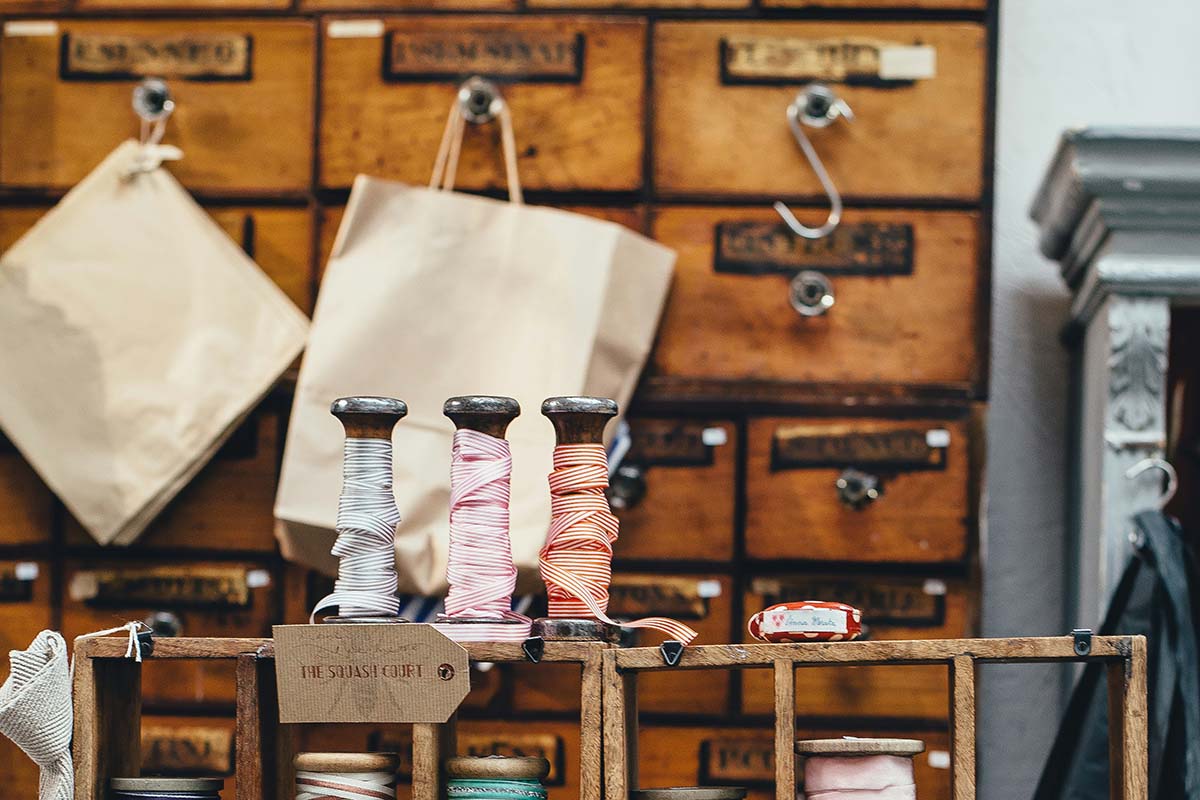
Basic knowledge of different fabric types and their applications can significantly enhance the shopping experience.
Understanding the difference between blends and pure fibers, or why certain fabrics are better suited for specific seasons or clothing types, empowers shoppers to make informed decisions.
If you are looking for fabric to buy online, ensure you know the basic materials and terms.
Ask for Cutting Policies
Before making any selections, inquire about the store’s cutting policies. Some stores may have minimum cut requirements or specific rules about cutting certain types of fabric.
Knowing these policies can help in planning purchases more effectively and avoiding any surprises at the checkout.
Use Store Resources
Many stores offer workshops, pattern books, or consultations.
Utilizing these resources can provide additional guidance, especially for complex projects or when trying new techniques.
These services can also offer a deeper understanding of how different fabrics behave, which can be invaluable for both novice and experienced sewers.
Check for Quality and Defects
Carefully inspect fabrics for any defects or quality issues before buying.
Look out for colorfastness, print alignment, or any signs of damage.
Unrolling a few yards from the bolt and checking both sides of the fabric can prevent disappointment and the need for returns.
Consider Sustainability Options
For those interested in environmental impact, exploring eco-friendly fabric options can be beneficial.
Many fabric shop online now offer organic or sustainably produced textiles.
These choices support environmental efforts and often come with benefits such as reduced chemical exposure and better durability.
Stay Updated on Sales and Promotions
Signing up for newsletters or following the store on social media can keep you informed about various events, promotions, sales, or exclusive offers.
This is a great way to plan purchases around discount events, potentially saving a lot of money on large projects.
Set a Budget
Fabric shopping can quickly become expensive, especially when dealing with premium materials or large quantities.
Setting a budget before entering the store can help you avoid impulse purchases.
It also encourages a more thoughtful selection of fabrics based on the project’s needs rather than aesthetic impulses alone.
By following these guidelines, visitors to a fabric shop can maximize their time and ensure they leave with materials best suited to their projects.
With a bit of preparation and knowledge, navigating these treasure troves of textiles becomes not only manageable but also a thoroughly enjoyable part of the creative process.