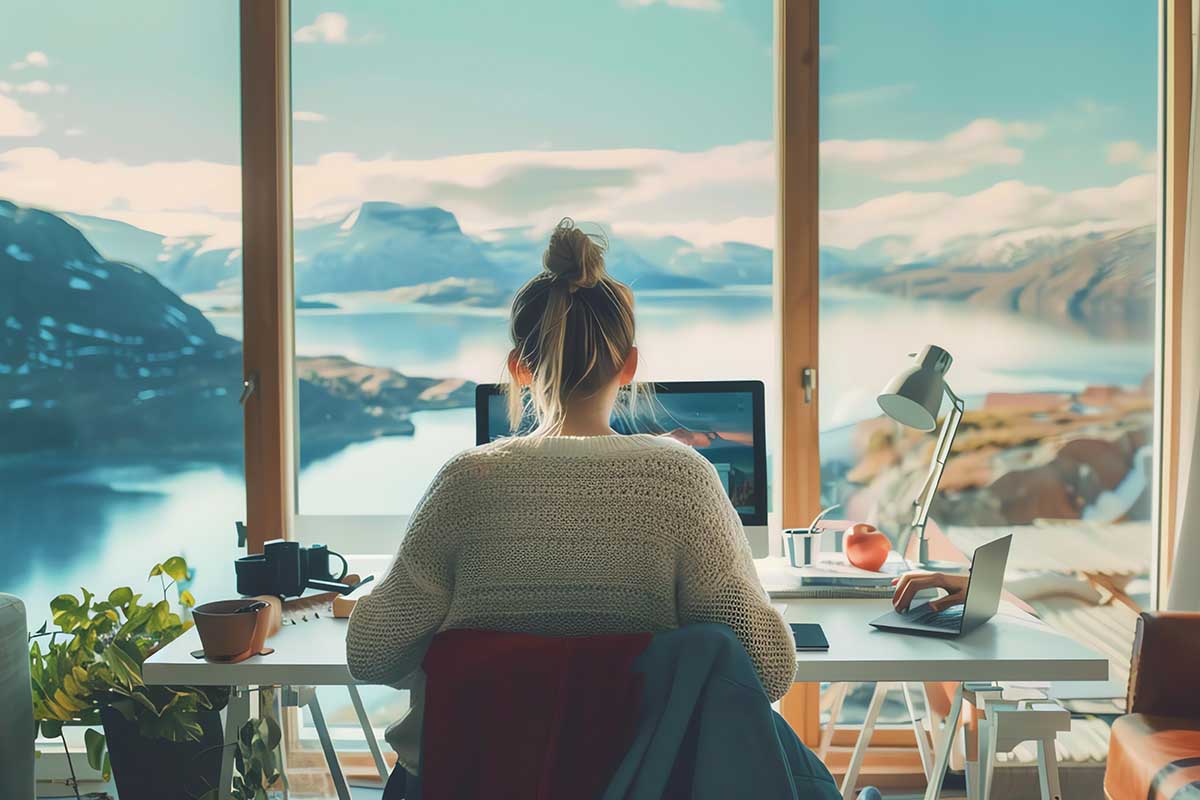
How Graphic Design Reduces Confusion and Burnout in Remote Teams
✨ Key Points
- Visuals save time and reduce misunderstandings in remote work.
- Graphic design helps teams feel connected, even when they’re apart.
- Simple visual systems make collaboration easier and more enjoyable.
When you work remotely, graphic design quietly becomes one of your best tools—even if you’re not a designer.
It helps ideas land faster, keeps everyone on the same page, and makes remote work feel less scattered.
There’s a reason for that.
Studies show people process visuals up to 60,000 times faster than text, and remote teams that use visual communication are more likely to stay aligned and finish projects on time.
In simple terms: pictures save time and reduce confusion.
In remote teams, good design replaces a lot of what you lose by not being in the same room.
Instead of long explanations or extra meetings, a clear visual often does the job better.
How graphic design actually helps in day-to-day remote work
It makes communication easier. A simple visual, mockup, or slide can explain in seconds what might take multiple messages to clarify.
It helps teams collaborate without constant meetings. Shared visuals let people give feedback, make changes, and move forward—even across time zones.
It keeps remote culture feeling human. Consistent visuals, branding, and internal graphics help people feel connected and part of something, not just “another Zoom square.”
It improves how your work shows up publicly. Clean visuals, presentations, and content make your brand look trustworthy and put-together everywhere online.
Simple ways to use graphic design right now
Use visual templates for decks, docs, and reports so everyone starts from the same place
Replace long explanations with diagrams, screenshots, or quick visuals
Keep a shared folder with brand styles, fonts, and colors
Ask for feedback directly on visuals instead of scheduling another meeting.
You don’t need fancy tools or a design background to see the benefits. Small, consistent visuals go a long way in making remote work smoother and less stressful.
The art of remote work in graphic design extends beyond mere practicality; it becomes a vehicle for creativity, innovation, and expression.
By embracing the power of engaging visuals, recognizing the importance of design in shaping remote culture, and facilitating virtual collaboration, organizations can harness the full potential of graphic design to thrive in the evolving landscape of remote work.
Cultivating Remote Culture Through Design

The remote revolution has transformed workplaces, but fostering a strong company culture across geographical distances can feel like building castles in the sky.
Here’s where design thinking comes in – the strategic use of design principles to bridge the gap and cultivate a thriving remote culture.
Imagine a virtual workspace as vibrant and collaborative as a physical office.
The design assumes a pivotal role in crafting this encounter.
User-friendly video conferencing platforms that encourage interaction, team chat tools with built-in fun features, and well-structured project management software are just the building blocks.
But design goes beyond functionality. Consider incorporating virtual team-building activities specifically designed for remote teams.
These could be an online escape room, a collaborative brainstorming session using interactive whiteboards, or even a virtual happy hour with games and icebreakers.
These meticulously crafted activities aim to nurture social bonds, fostering a sense of community and closeness that surpasses geographical barriers.
Design can champion transparency and inclusivity.
Regularly scheduled “all-hands” meetings with clear agendas and opportunities for questions ensure everyone feels informed and engaged.
Communication tools that allow for asynchronous participation, like discussion forums or knowledge-sharing platforms, also cater to different work styles and time zones.
By strategically integrating design principles, we can transform remote work environments from isolated bubbles into vibrant communities.
This fosters a sense of shared purpose and belonging, ultimately leading to a more engaged, productive, and successful remote workforce.
This of course is implemented by the business management team at large for efficiencies within a professional working environment.
Remote Work Reinvented: Graphic Design Strategies
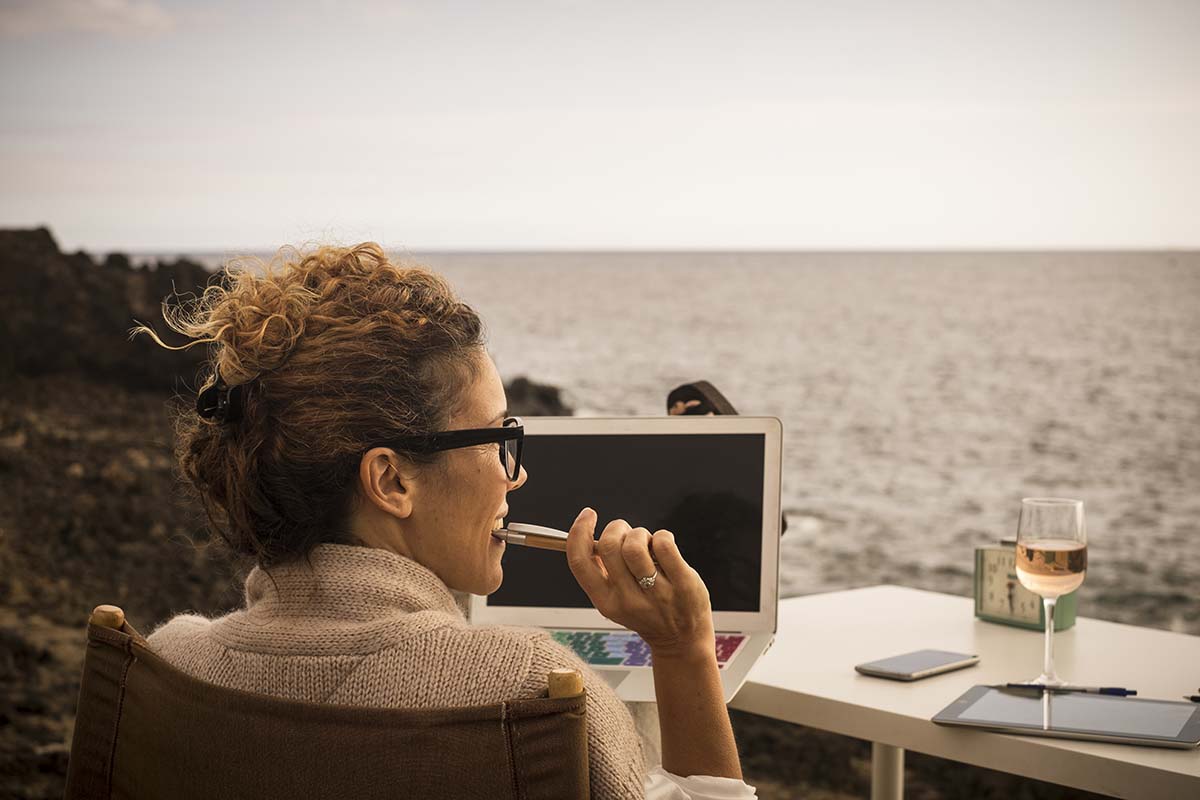
The remote work revolution has redefined the traditional office, but for graphic designers, fostering seamless collaboration across distances can feel like staring at a blank canvas.
However, innovative graphic design strategies can bridge the gap and transform remote work into a vibrant and productive environment.
Imagine a design team scattered across the globe, yet working together as if they were side-by-side.
Cloud-based design software with real-time collaboration features allows instant feedback and simultaneous edits, eliminating version control headaches.
Shared mood boards and style guides, visually crafted with clear design principles, ensure everyone stays on the same aesthetic page.
Visual communication takes centre stage. Utilise wireframing and prototyping tools to create interactive mock-ups that come alive on screen, fostering clear communication between designers and clients.
Explainer videos and visually compelling presentations can replace lengthy text documents, saving time and ensuring everyone grasps complex design concepts.
Engagement doesn’t have to be sacrificed for distance.
Designate virtual “brainstorming rooms” within the chosen collaboration platform, complete with digital whiteboards and sticky note features.
Encourage a culture of constant feedback through visually appealing design critiques, leveraging online annotation tools for pinpoint comments and suggestions.
By embracing these graphic design strategies, remote work transforms from a physical disconnect to a space brimming with creative energy.
This fosters a collaborative spirit transcending location, empowering geographically dispersed teams to produce exceptional design work.
Elevating Remote Collaboration Through Graphic Design

Elevating remote collaboration through graphic design represents a transformative approach to bridging the physical divide in remote work environments.
As teams increasingly rely on virtual communication platforms to connect and collaborate, graphic design becomes paramount in facilitating effective communication and fostering meaningful engagement.
At the heart of this endeavor lies visual storytelling, where complex ideas and concepts are conveyed through compelling visuals that resonate with remote team members.
Graphic design catalyses clear and concise communication, whether through dynamic infographics, engaging presentations, or visually appealing documents.
This enables remote teams to synchronise their efforts towards shared goals and objectives.
Graphic design is crucial in enhancing the overall remote collaboration experience by creating visually cohesive and immersive environments that promote team cohesion and productivity.
Through the strategic use of design aesthetics and branding elements, organisations can instil a sense of identity and belonging among remote team members, fostering a collaborative spirit that transcends physical boundaries.
Elevating remote collaboration through graphic design can unlock new avenues for creativity, innovation, and connection in the remote work landscape.
By embracing the power of visual communication and leveraging design principles to enhance the remote collaboration experience, organizations can create dynamic and engaging environments where remote teams thrive and succeed together.
Frequently Asked Questions
- What role does graphic design play in remote work culture? The graphic design facilitates visual communication, fostering engagement and cohesion among remote teams through compelling visuals and creative solutions.
- How does graphic design contribute to virtual collaboration? Graphic design provides a visual language that transcends geographical barriers, enabling effective digital communication and aligning remote team members towards shared objectives.
- In what ways can engaging visuals shape remote culture? Engaging visuals, such as visual storytelling and cohesive design aesthetics, imbue remote culture with vibrancy and authenticity, fostering a sense of belonging among team members.
- How does graphic design enhance digital communication in remote teams? Graphic design enhances digital communication by creating visually impactful presentations, dynamic infographics, and cohesive branding materials, strengthening brand representation and visual engagement.
- What is the significance of design aesthetics in remote collaboration? Design aesthetics create visually cohesive and immersive environments that promote team cohesion and productivity, fostering a collaborative spirit that transcends physical boundaries in remote teams.
- How can graphic design elevate the remote collaboration experience? By embracing the power of visual communication and leveraging design principles, organisations can unlock new avenues for creativity, innovation, and connection in the remote work landscape, creating dynamic and engaging environments where remote teams thrive and succeed together.