The Enchanting World of Photo Manipulation Art: Carole Sanson’s Creative Reign
Before generative AI could create a fantasy portrait from a sentence, photo manipulation artists were already building impossible worlds one photograph, texture, shadow, and layer at a time.
That distinction feels particularly interesting today.
Photo manipulation art begins with existing visual material but transforms it through composition, retouching, color, lighting, scale, and digital effects.
The finished image can sit somewhere between photography, digital painting, graphic design, and surreal art, recognizable enough to feel real, yet deliberately impossible.
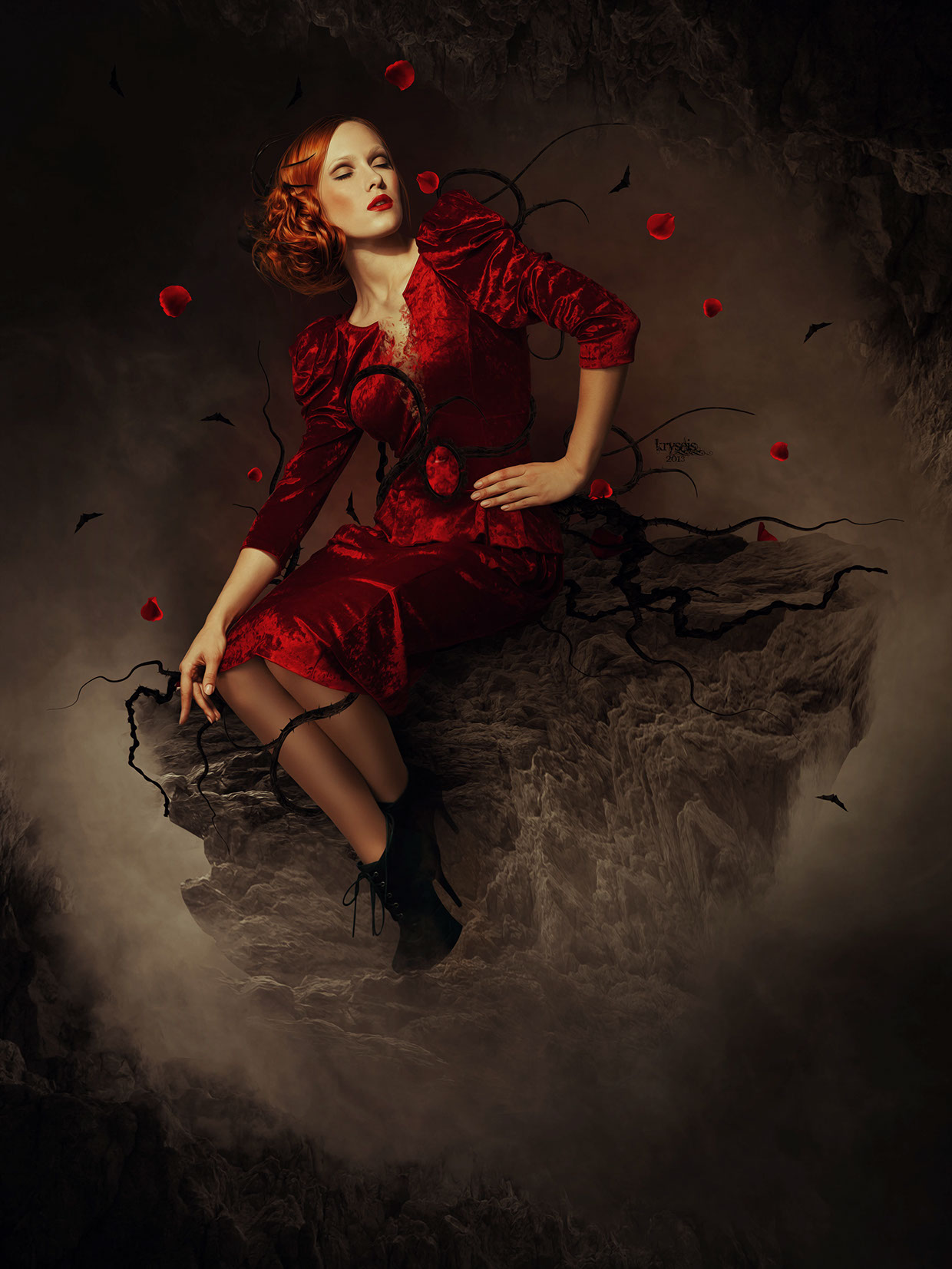
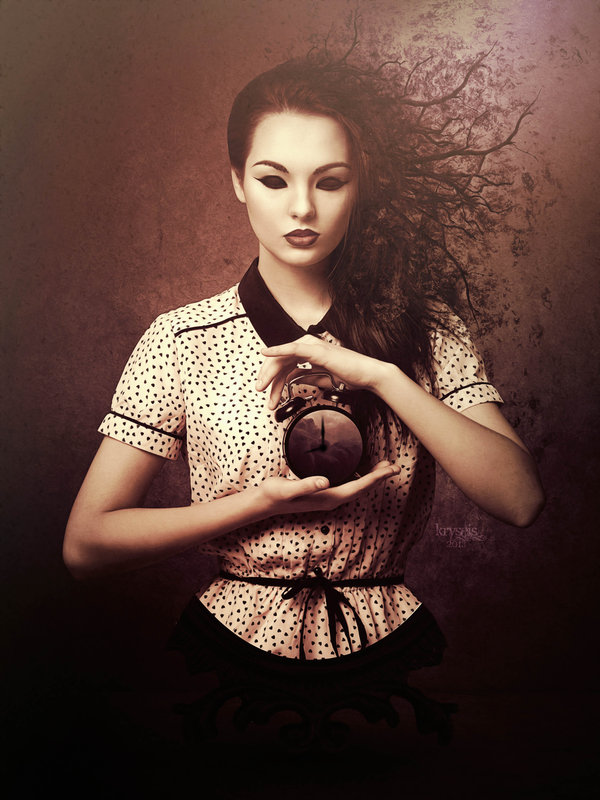
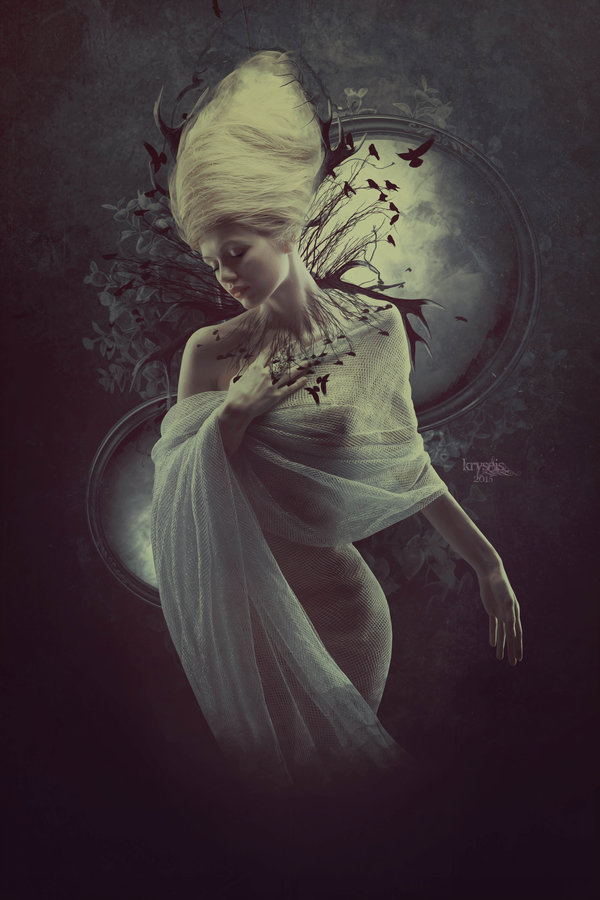
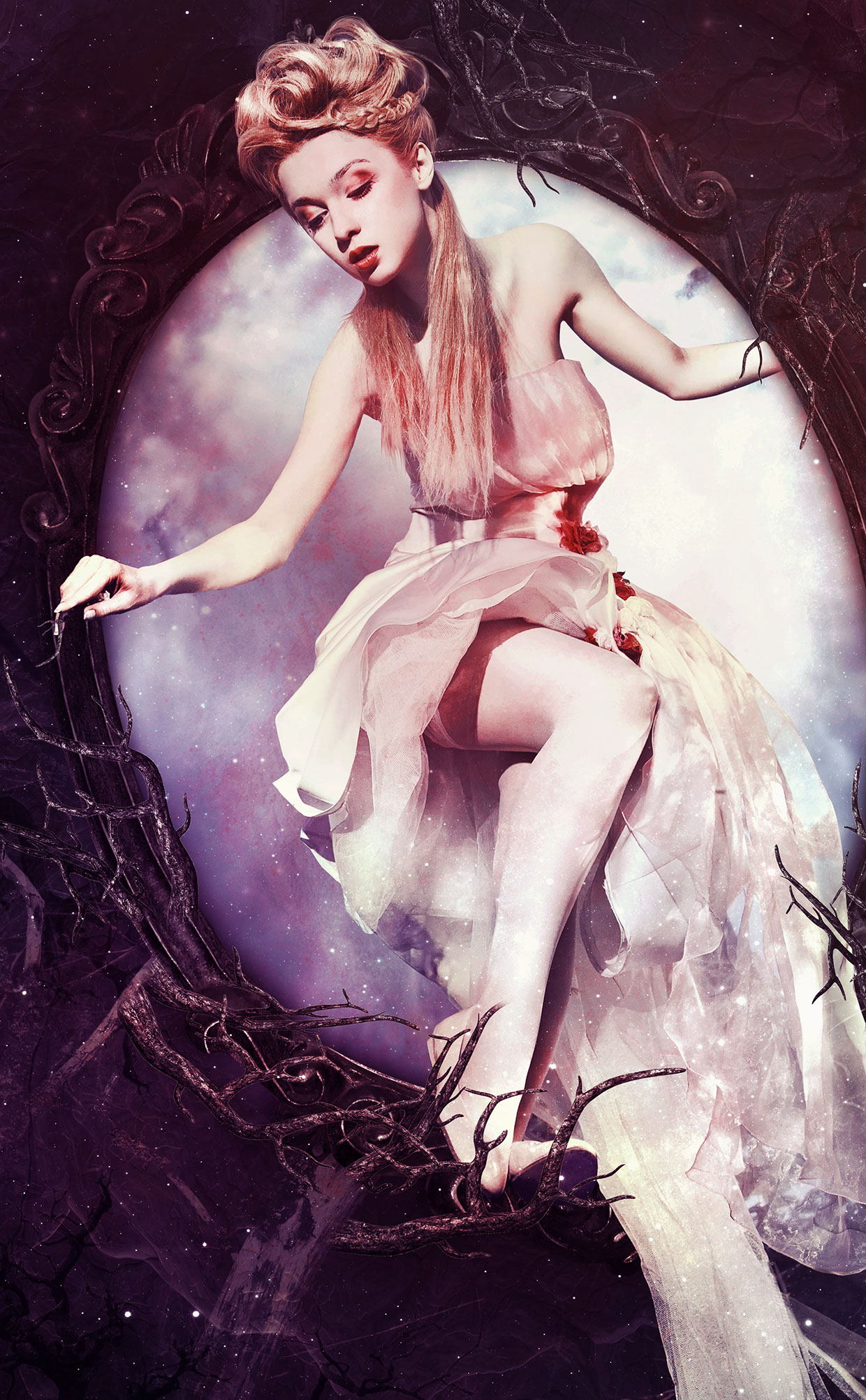
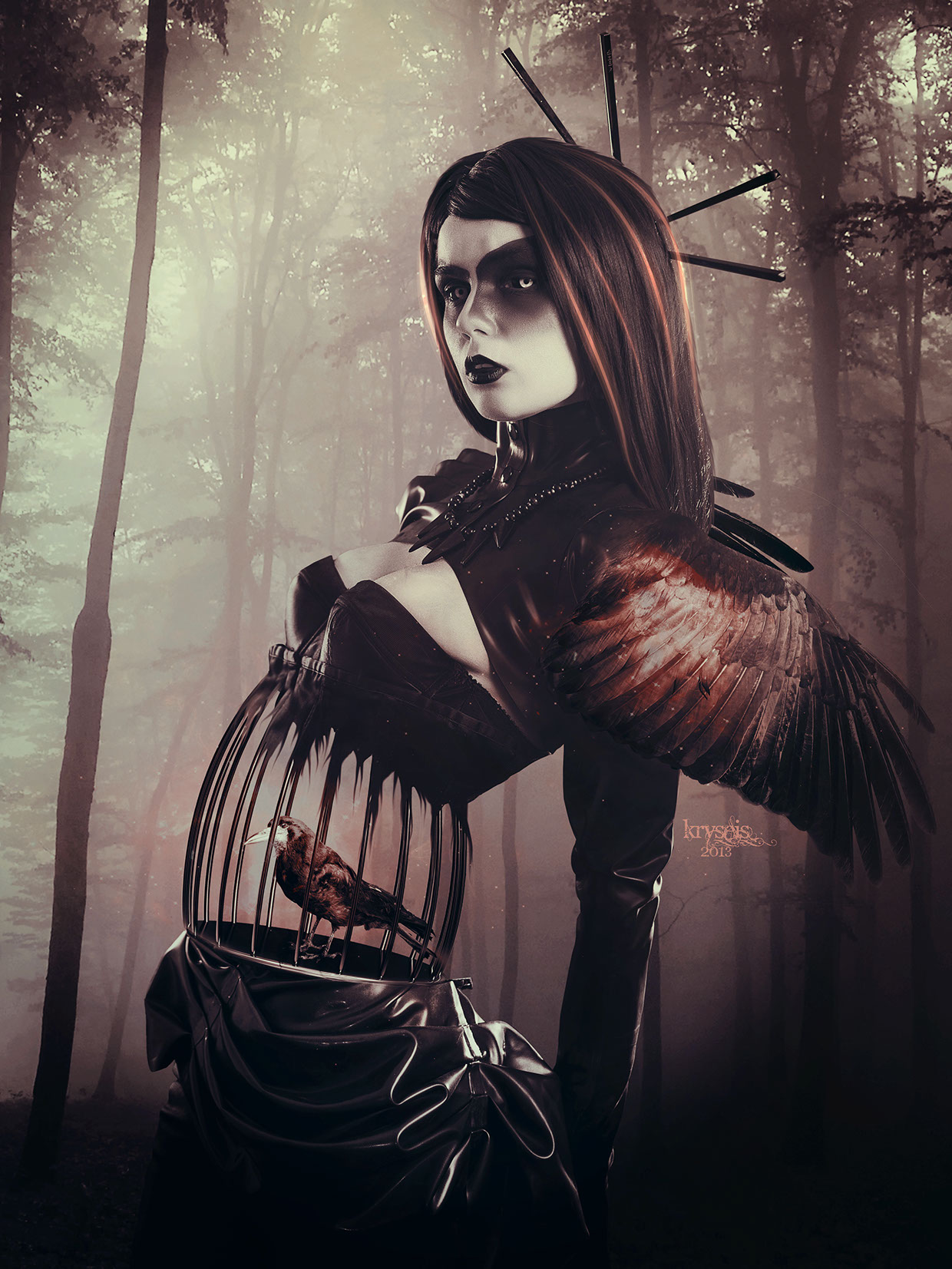
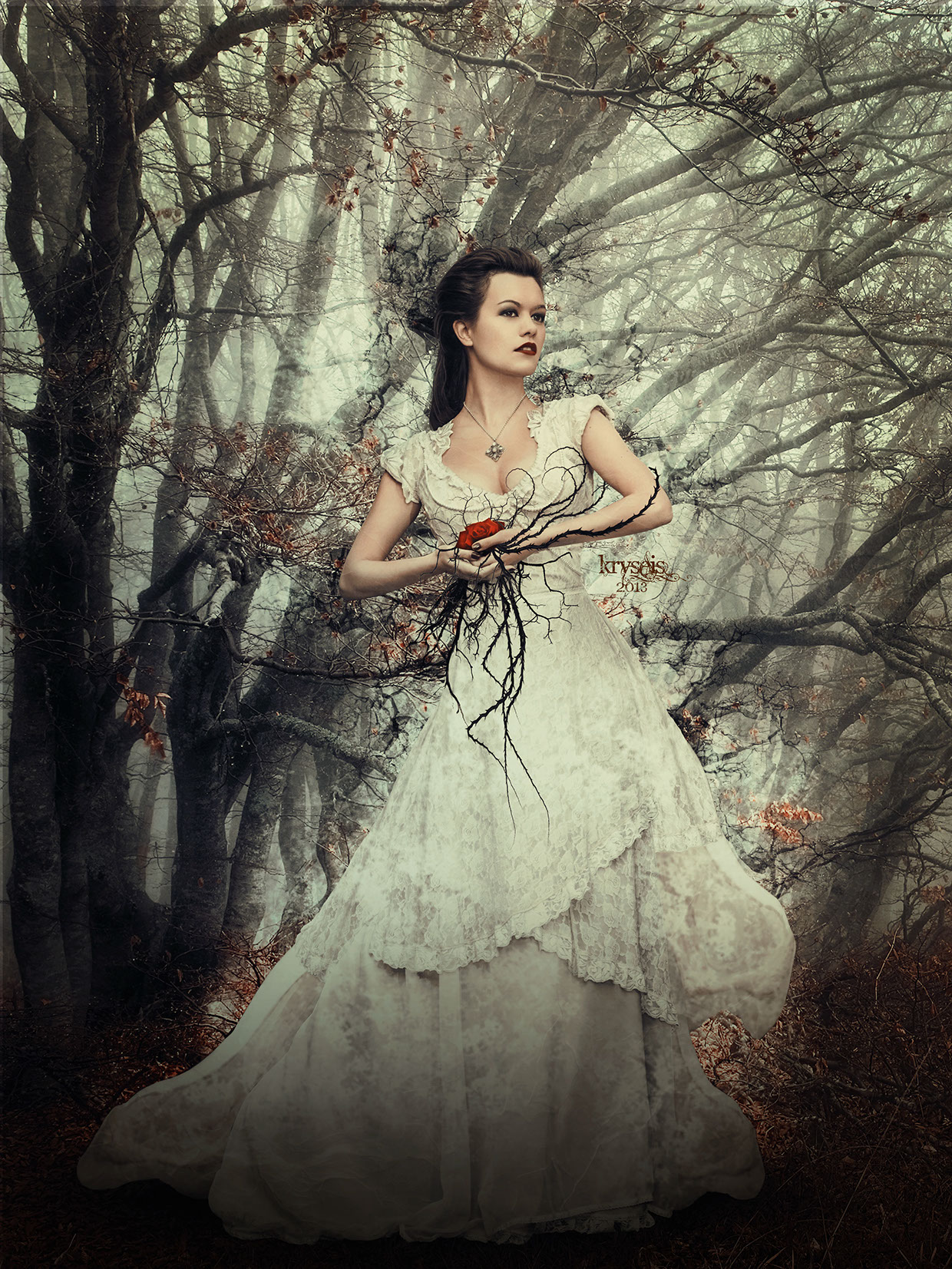
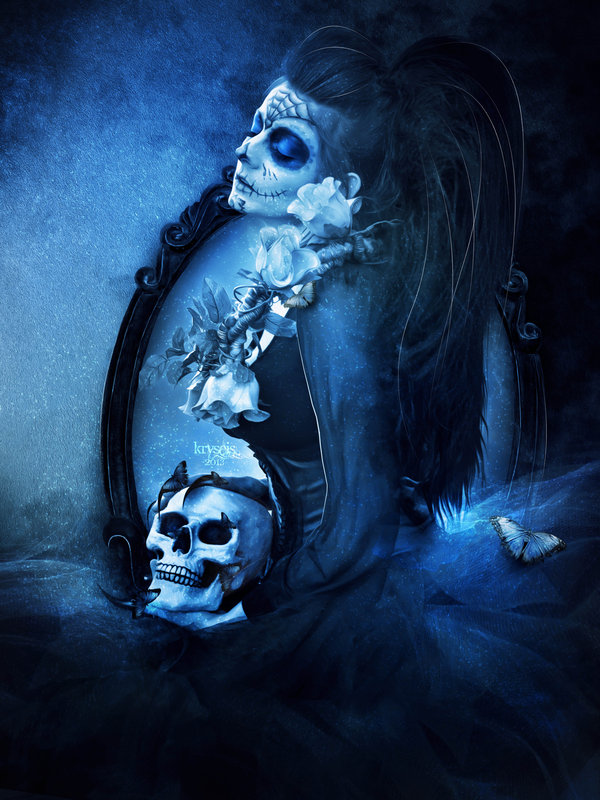
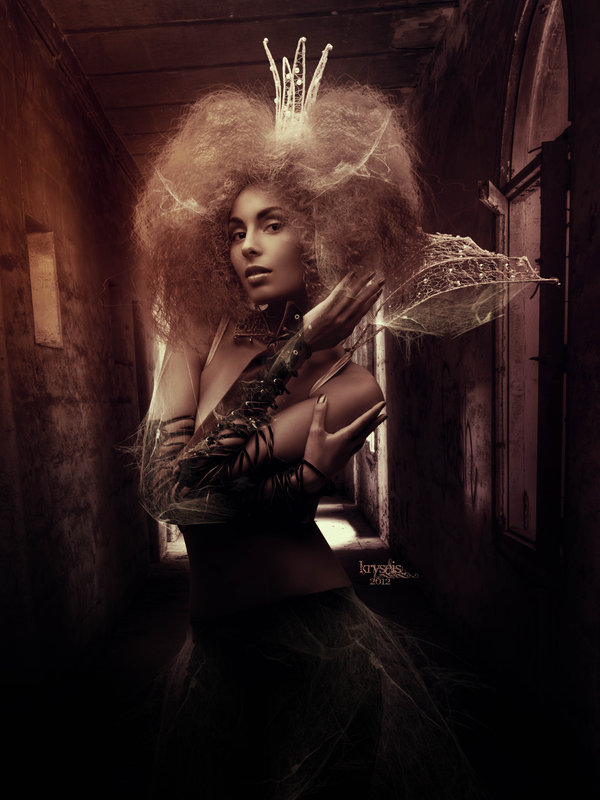
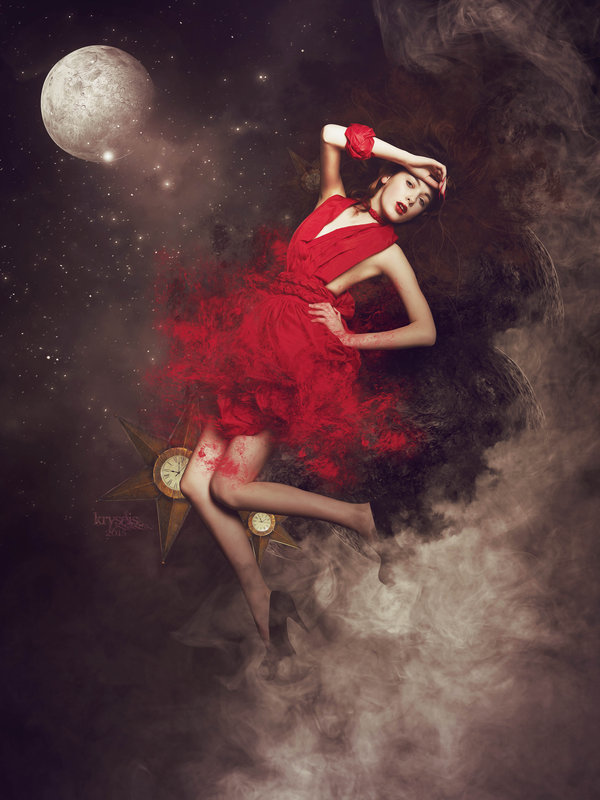
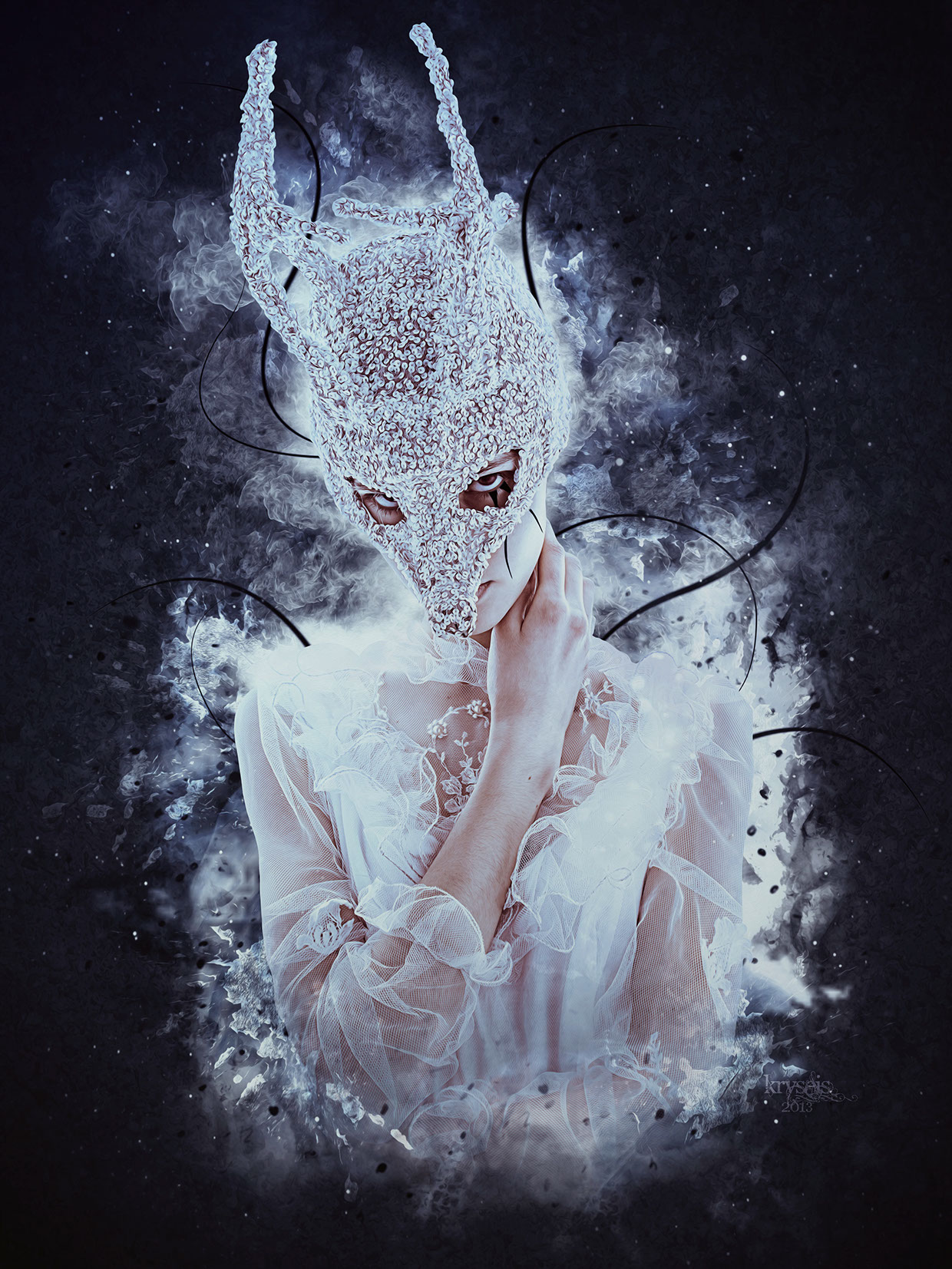
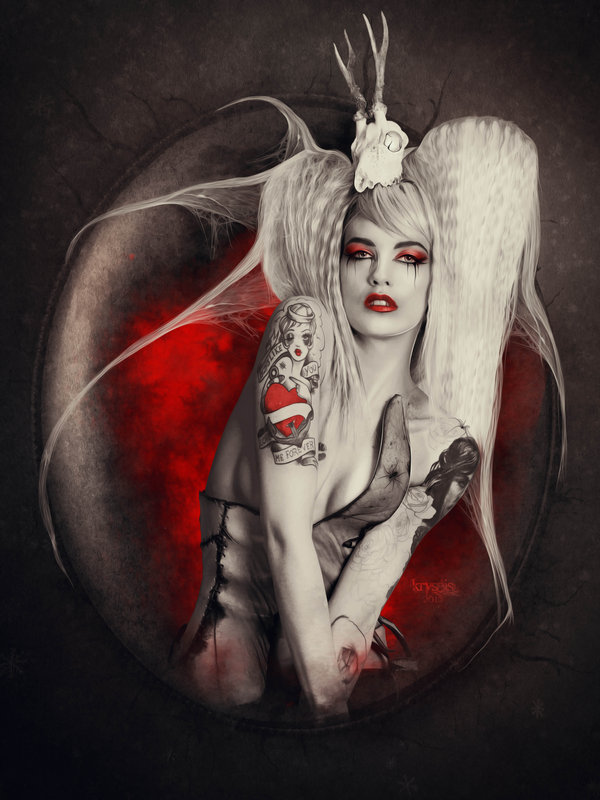
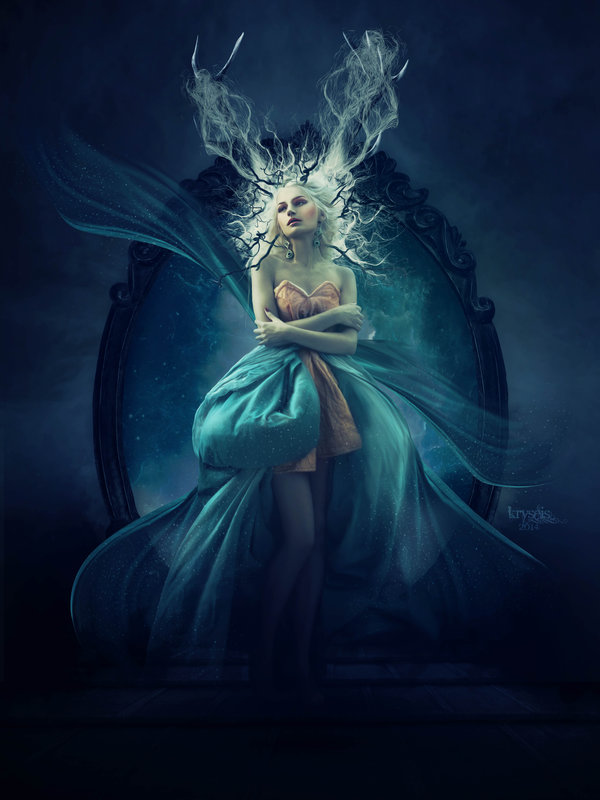
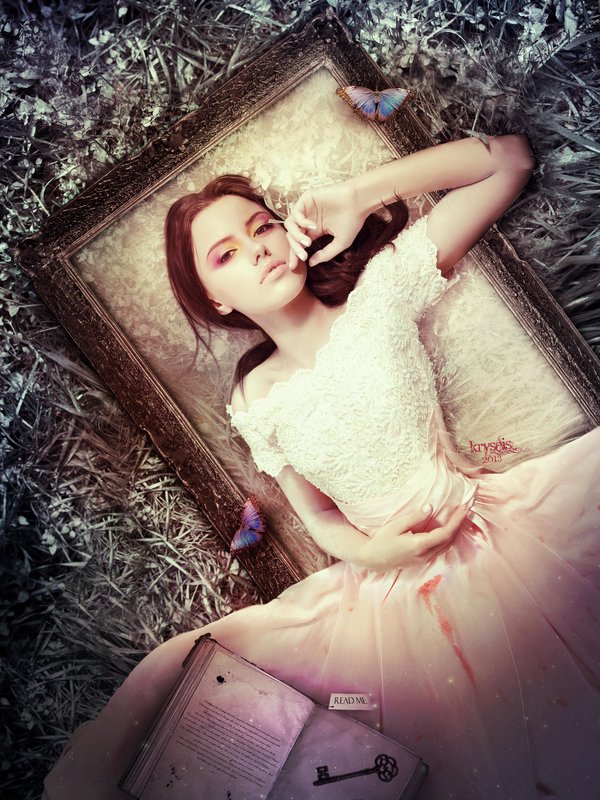
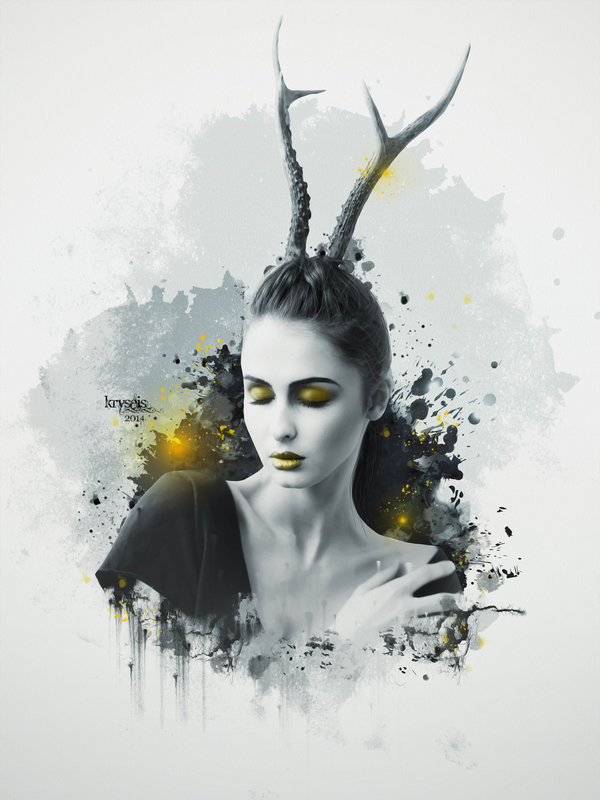
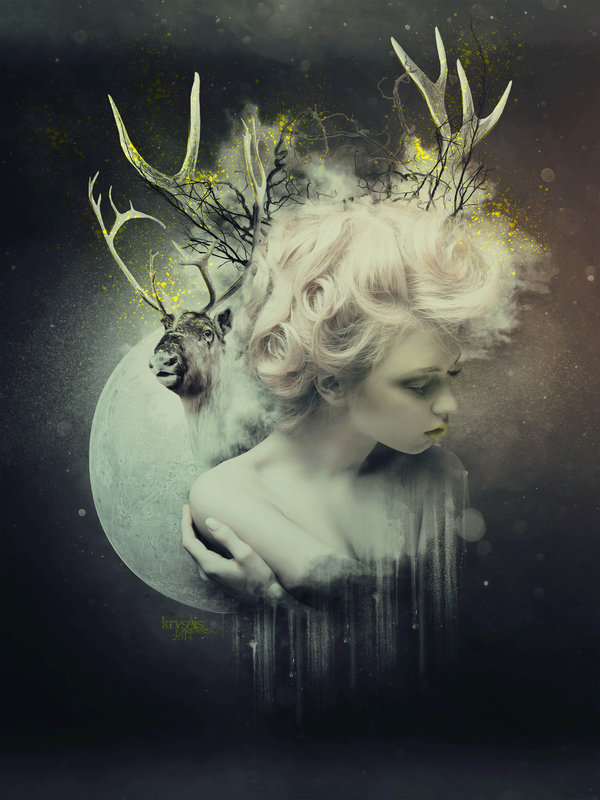
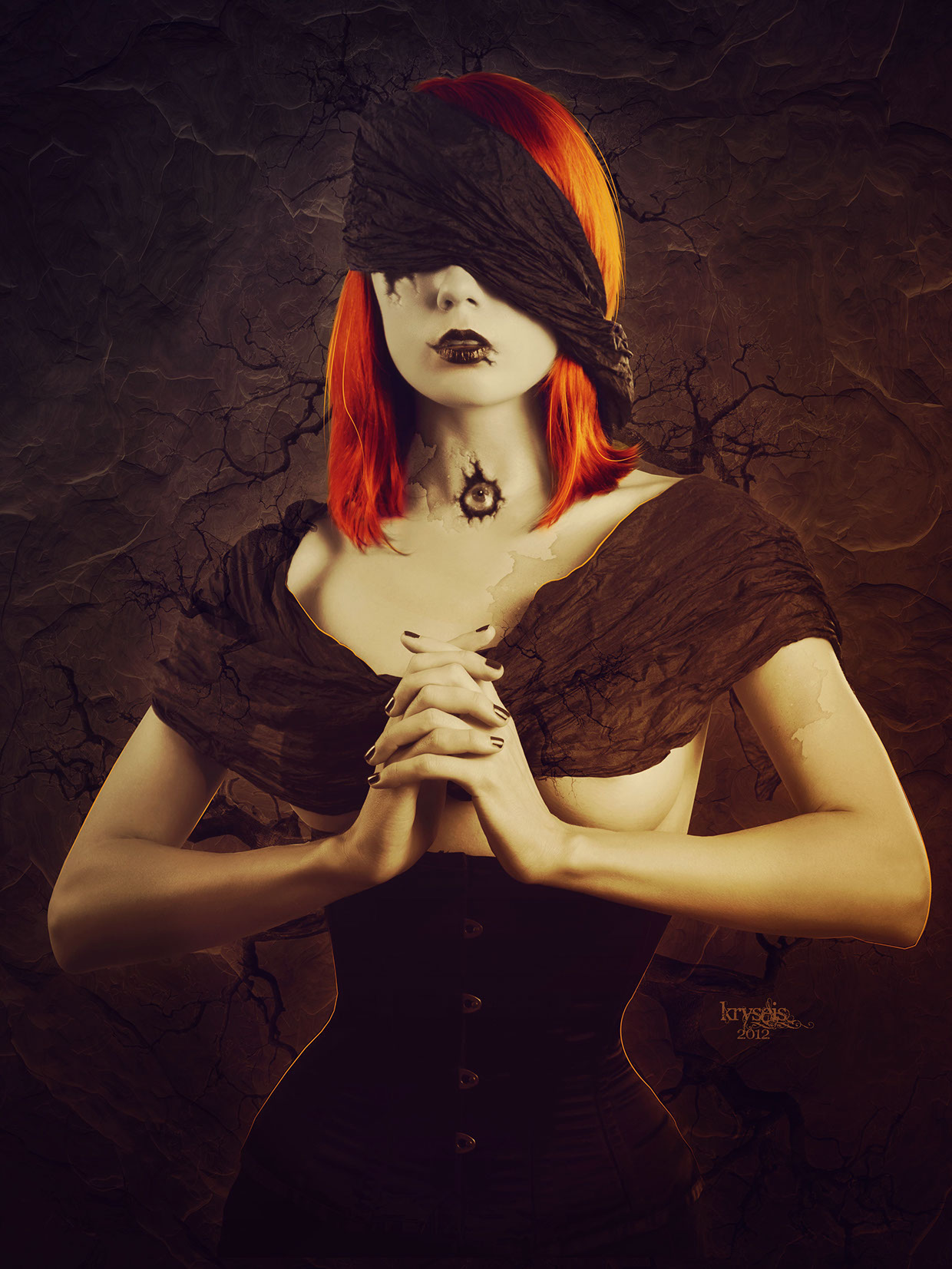
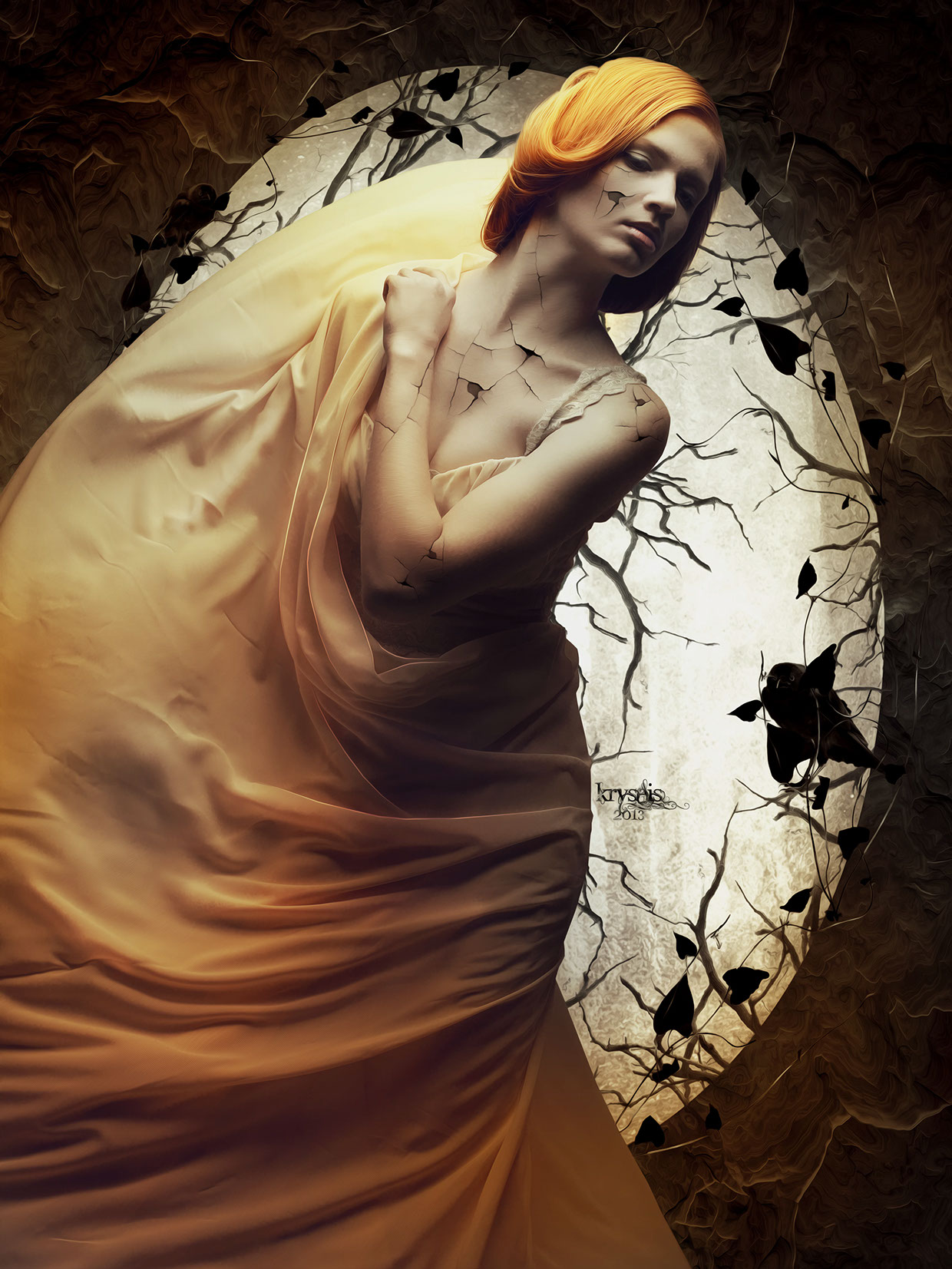
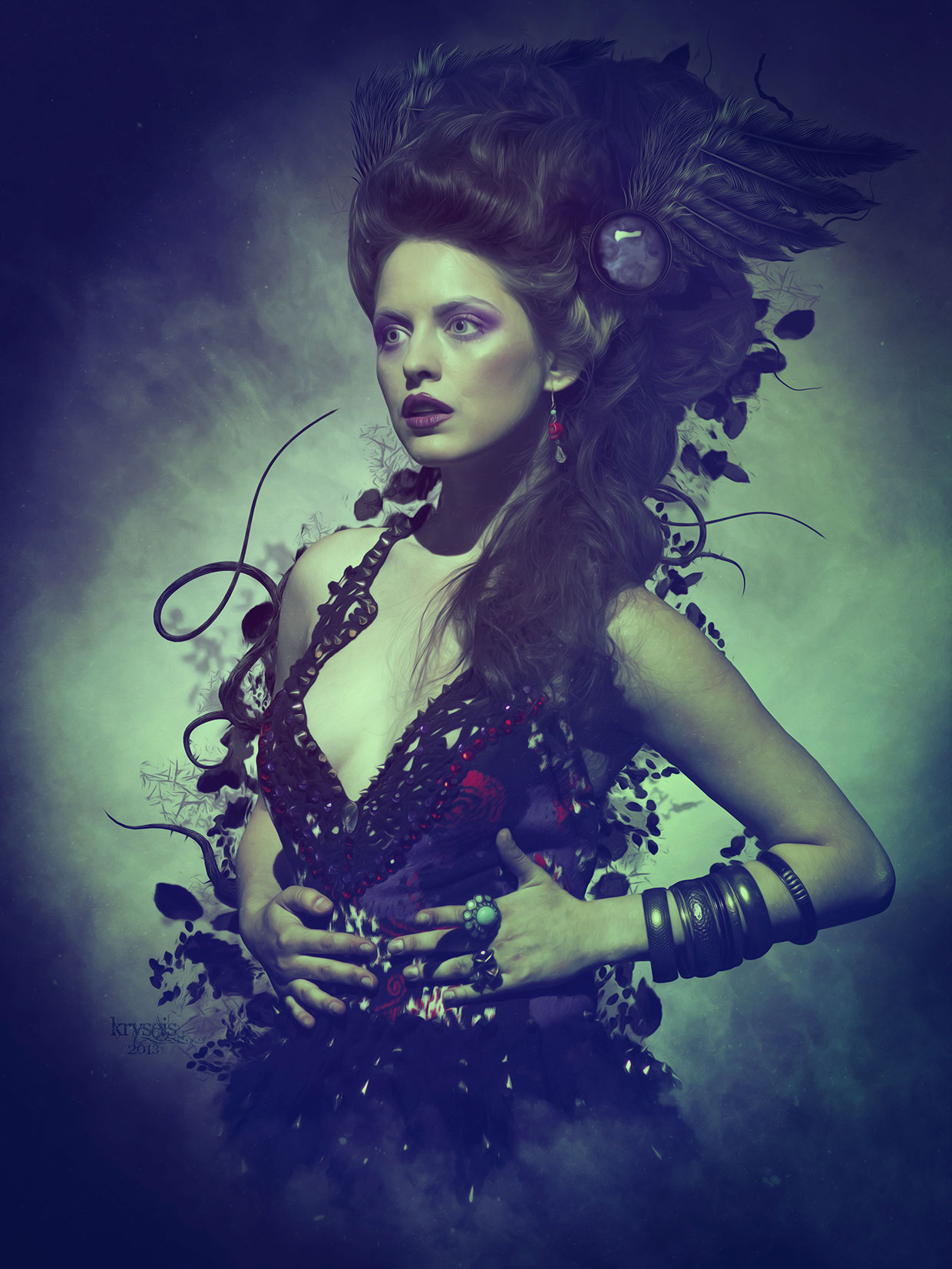
French graphic and digital artist Carole Sanson, known as Kryseis Art, explores this territory through atmospheric compositions centered largely on fantastical female characters.
Her work draws the viewer into worlds shaped by:
- Fantasy and surrealism, where familiar human figures exist in imagined environments.
- Digital compositing, bringing separate visual elements together into a unified scene.
- Dramatic light, color, and atmosphere that establish the emotional character of an image.
- Highly stylized female figures that move between portraiture and fantasy character design.
- Photoshop-based image manipulation that transforms source photographs rather than simply documenting reality.
What makes work like Sanson’s particularly relevant in 2026 is the changing meaning of digital art itself.
As AI image generators make it possible to produce sophisticated visuals almost instantly, the interesting question is becoming less “Can technology create this image?” and more “What decisions did the artist make—and why?”
Traditional photo manipulation makes those decisions especially visible.
An artist chooses the source material, constructs the composition, controls where the viewer looks, adjusts individual elements, and gradually creates an image that never existed in front of a camera.
In Sanson’s work, photography becomes raw material rather than the finished product.
The photograph records what existed; photo manipulation asks what else it could become.
Photo Manipulation Art: An Alchemy of Imagination and Pixels
Photo Manipulation Art represents a captivating subgenre within digital art, where artists like Carole Sanson flourish.
It involves the skillful alteration of photographs through digital tools, transcending the original image to create alluring, surreal, and often unexpected compositions.
Through adept software like Adobe Photoshop, artists weave narratives, transform realities, and evoke emotions, turning ordinary photos into extraordinary masterpieces.
Carole Sanson’s Photo Manipulation Gallery: Enigmatic Elegance
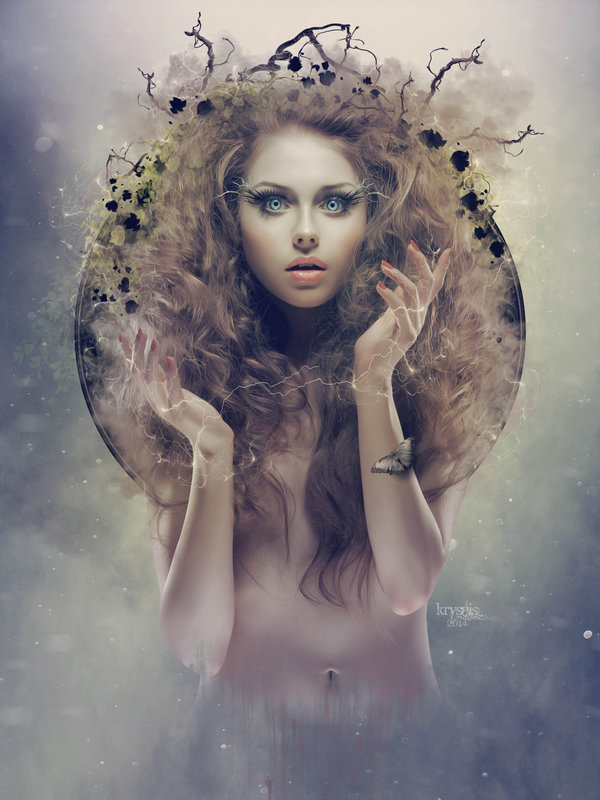
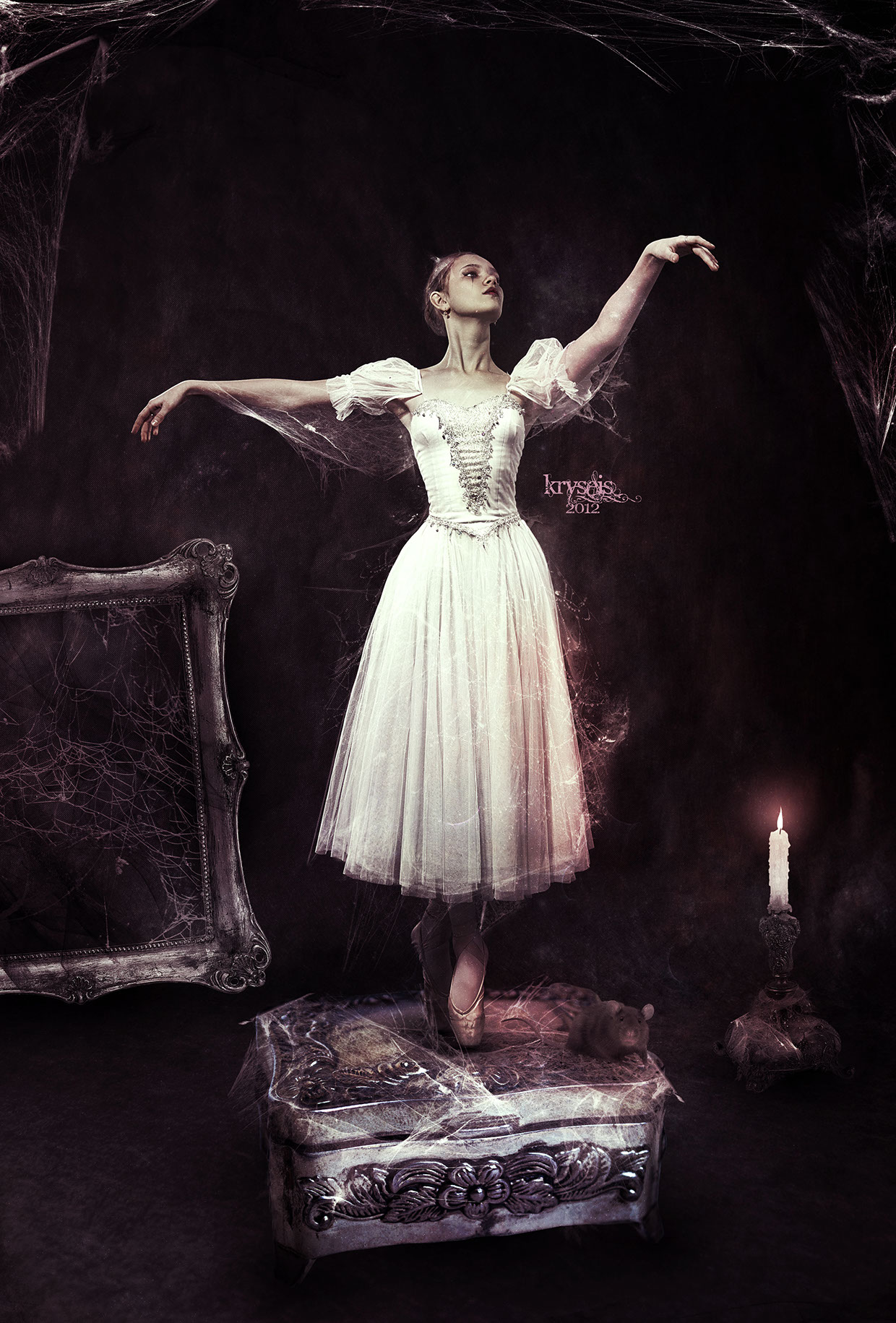
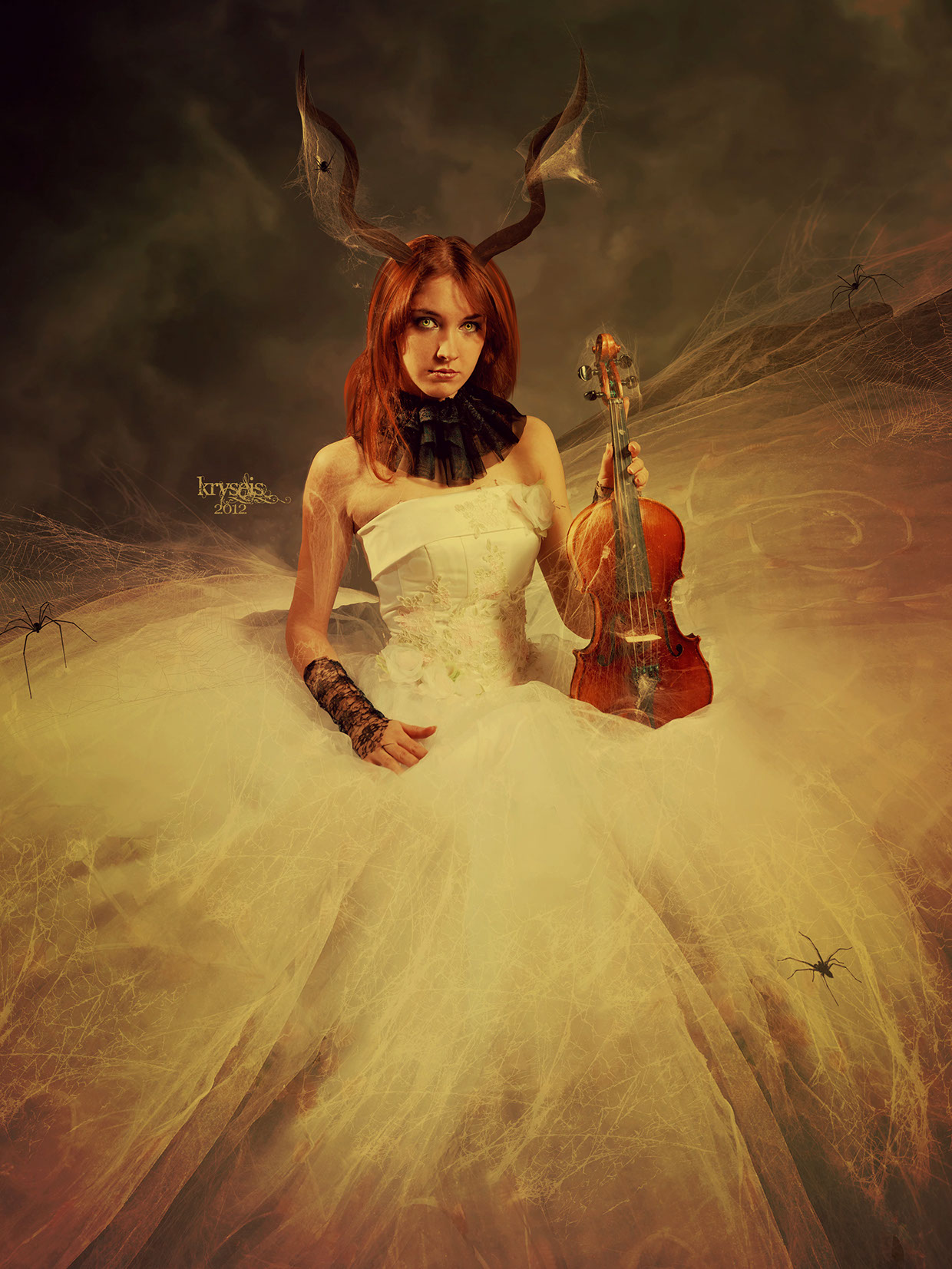
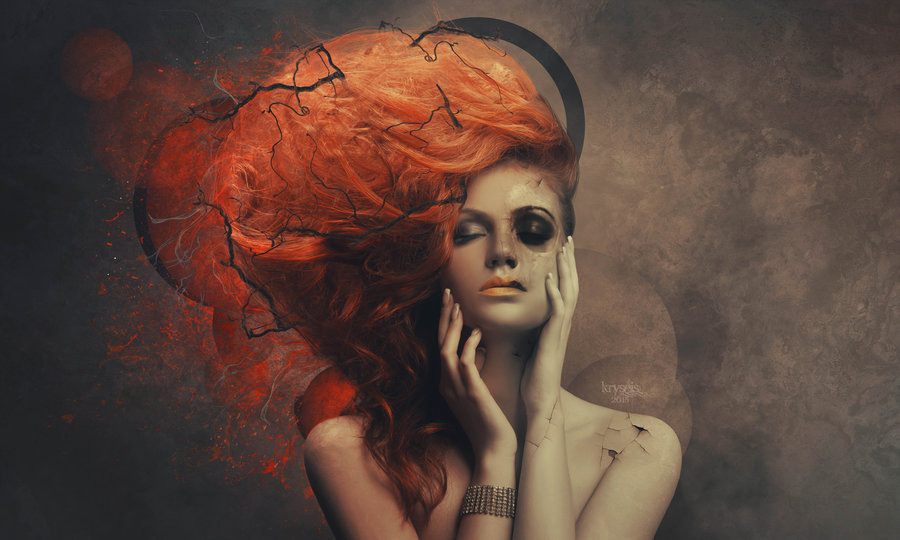
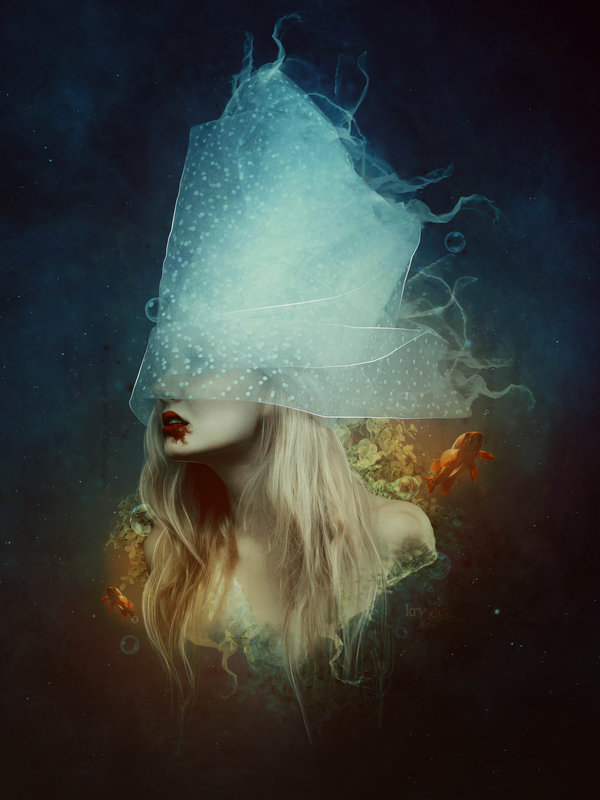
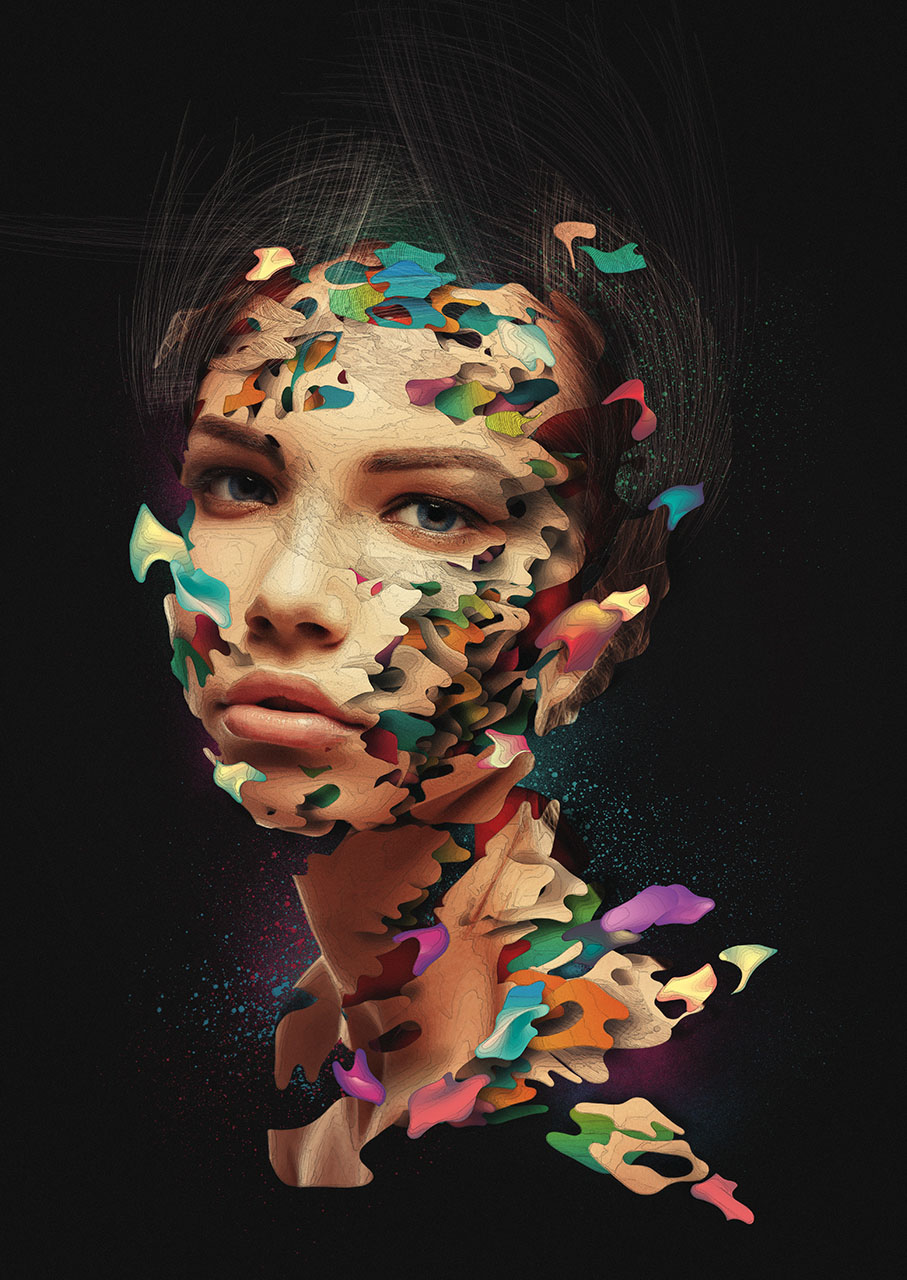
Sanson’s portraits often begin with a recognizable human figure but move quickly beyond conventional portrait photography.
Changes in lighting, texture, surroundings, and color transform the subject into a character who seems to belong to another world.
Seductive Surrealism
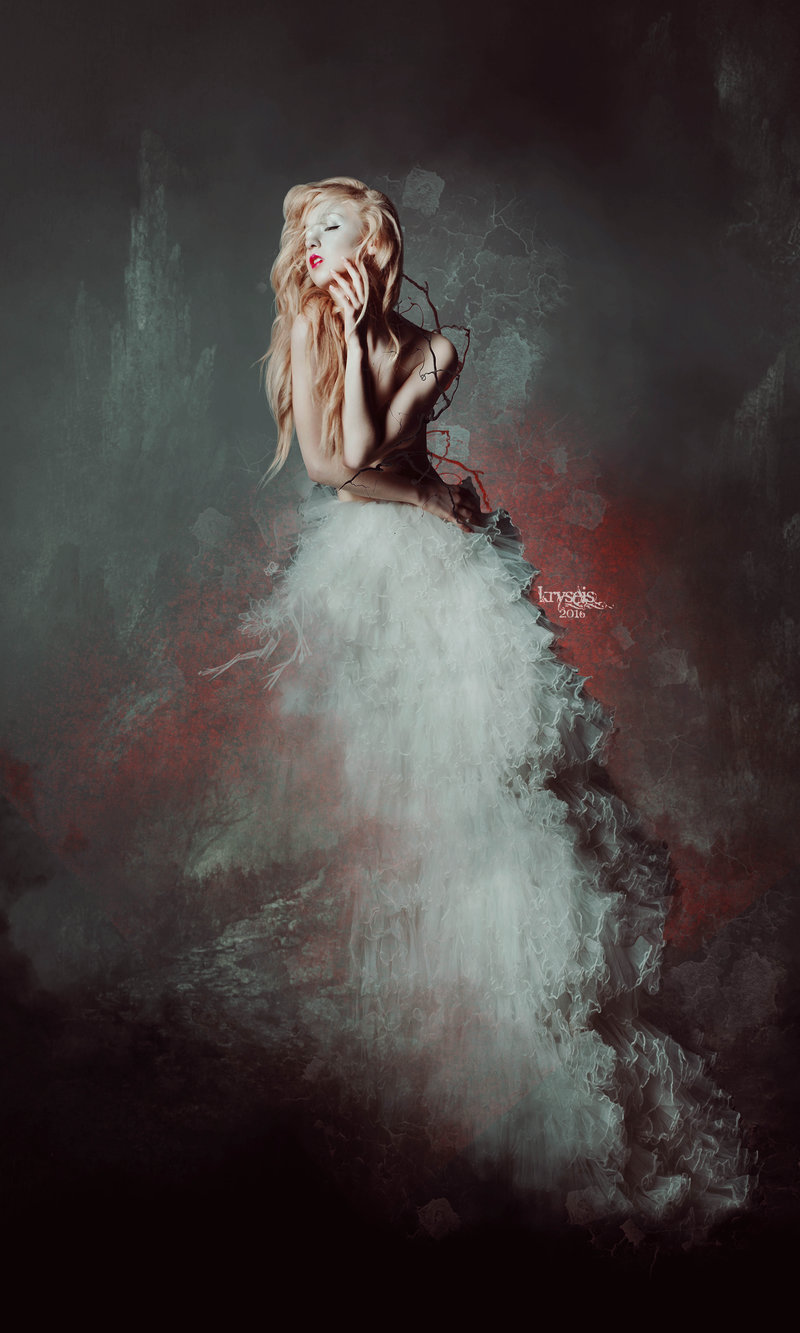
One of the strengths of photo manipulation art is its ability to make something impossible look almost believable.
Sanson combines photographic elements with fantasy imagery, allowing reality and invention to exist within the same composition.
Unexpected Beauty
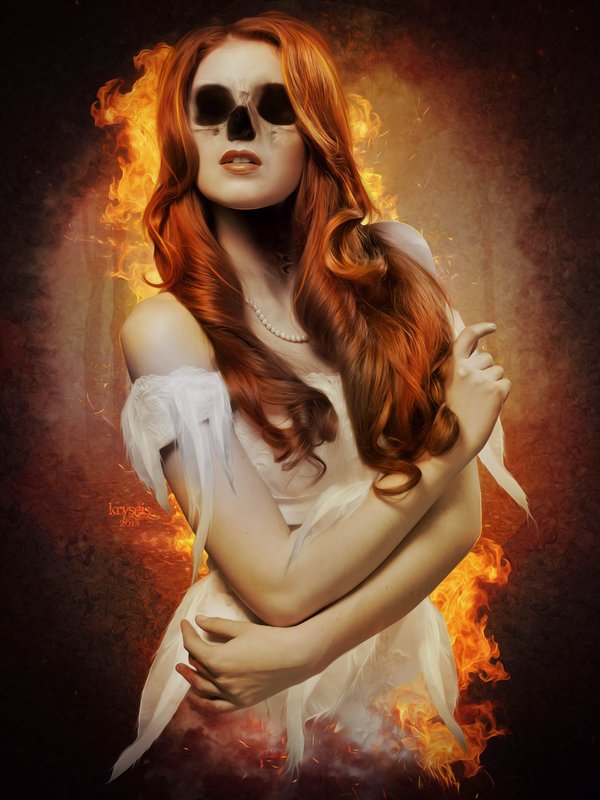
Darkness in art doesn’t necessarily mean ugliness or horror.
Sanson’s interest in Dark Art and Metal music helps explain the dramatic atmosphere of her work, where beauty can appear mysterious, melancholic, powerful, or slightly unsettling rather than traditionally romantic.
Her images frequently explore contrasts:
- Beauty alongside darkness.
- Human features inside impossible environments.
- Soft femininity against dramatic or gothic imagery.
- Photographic realism combined with surreal digital art.
- Familiar faces transformed into fictional characters.
These contrasts matter even more as we enter a new chapter of digital art.
Generative AI can now produce an elaborate fantasy image in seconds.
That doesn’t make traditional Photoshop manipulation irrelevant; instead, it raises new questions about what audiences value in an artwork.
Is it technical difficulty? Originality? The artist’s choices? The process? The emotional response?
Or the story behind why an image was created?
For artists working with photo manipulation, the future may therefore be less about competing with AI on speed and more about developing something technology cannot automatically provide: a recognizable artistic point of view.
Sanson’s work is interesting within that conversation because her recurring fascination with dark aesthetics, fantasy, femininity, and surreal environments creates continuity between individual pieces.
The tools may continue to change, Photoshop itself is already incorporating increasingly sophisticated AI features—but tools have never been the whole story of art.
Photography gave artists a way to capture reality. Photo manipulation gave them permission to reconstruct it.
AI is now challenging them to decide what comes next.
The Digital Art Renaissance: The Influence of AI and Photo Manipulation
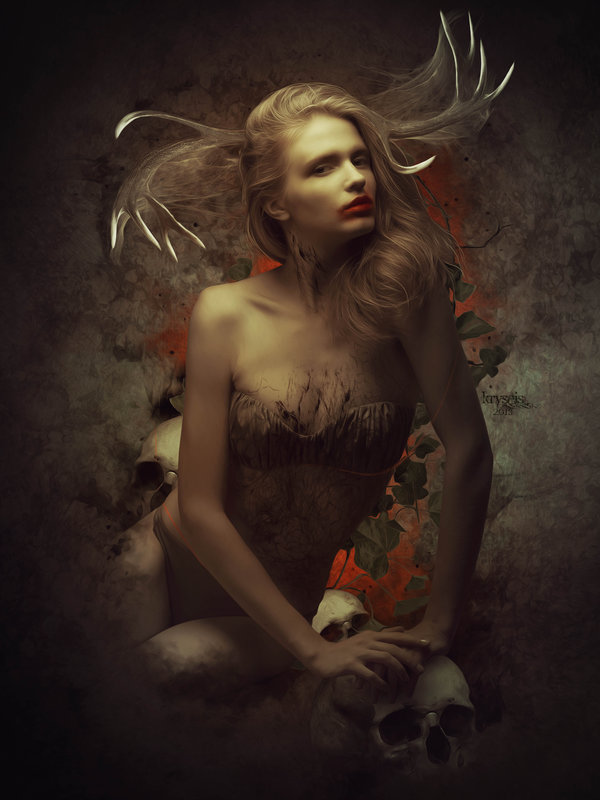
In the ever-evolving landscape of art, the Digital Age has ushered in a renaissance marked by the intersection of creativity and technology.
At the forefront of this movement is the captivating realm of digital art, where artists harness the power of technology to breathe life into their imaginations.
Within this expansive domain, the emergence of AI has become a transformative force, impacting artists and their creations in profound ways.
The Role of AI in Digital Art
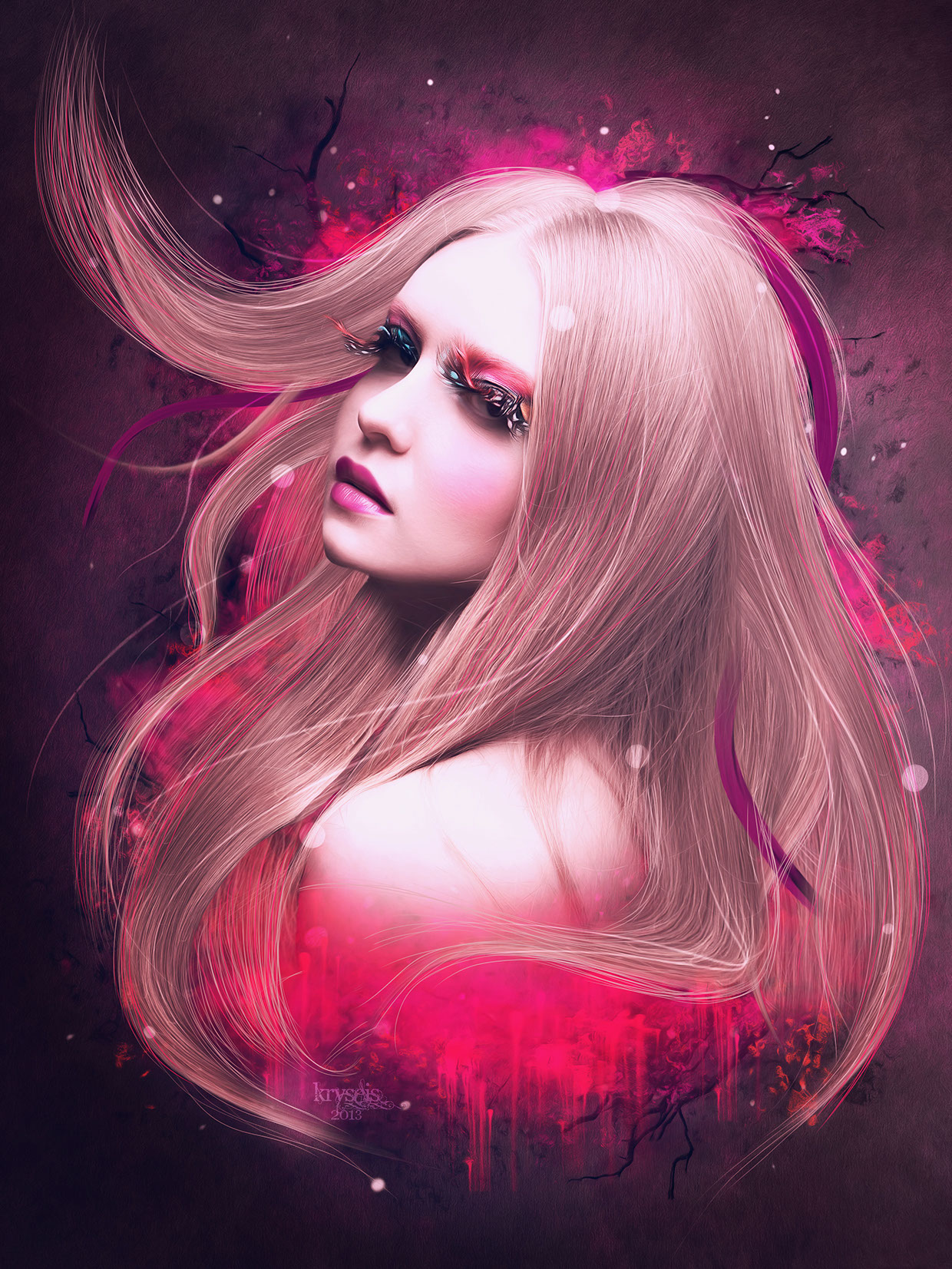
Artificial Intelligence has established itself as both a collaborator and a catalyst for innovation in digital art.
With algorithms capable of generating unique visual outputs and assisting artists in their creative processes, AI serves as a dynamic tool that augments human creativity.
From generating abstract compositions to inspiring novel concepts, AI’s influence is redefining the boundaries of artistic expression.
While some artists embrace AI as a creative partner, others grapple with questions of authorship and the fine line between human intuition and machine-generated outputs.
Nevertheless, the integration of AI opens new avenues for experimentation, enabling artists to explore uncharted territories and push the boundaries of traditional artistic mediums.
Top Art Collectors and Audience
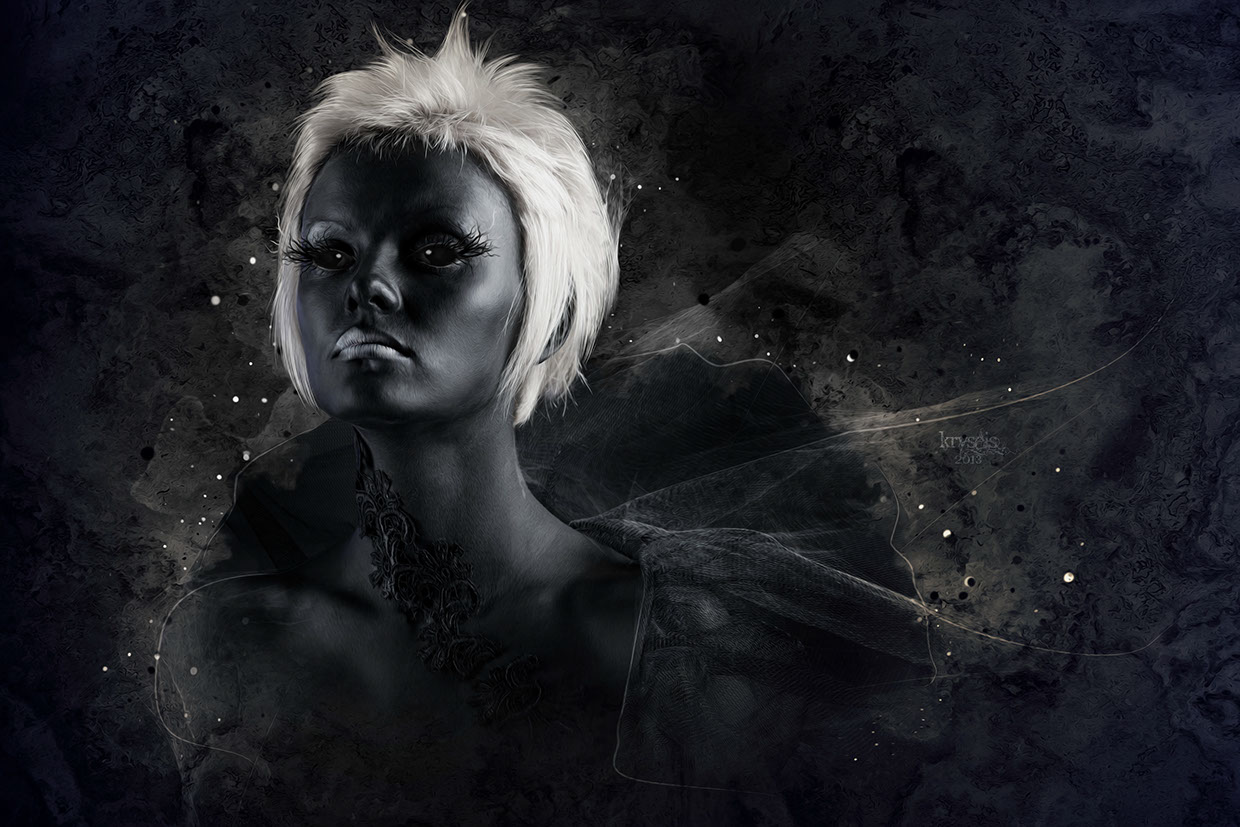
The allure of digital art, including Photo Manipulation, has not gone unnoticed by discerning art collectors.
Notable names such as the Mugrabi family, who have an extensive collection of contemporary and digital art, recognize the intrinsic value of these innovative creations.
Collectors seeking to invest in the future of art are increasingly turning their attention to digital mediums, recognizing the unique and dynamic nature of these pieces.
Moreover, the audience for Photo Manipulation Art extends beyond traditional art enthusiasts.
Tech-savvy individuals, creative minds, and those captivated by the intersection of technology and art find themselves drawn to these visually striking compositions.
As the accessibility of digital platforms increases, the democratization of art allows a broader audience to engage with and appreciate the nuances of Photo Manipulation.
Top Names in the Digital Art Sphere
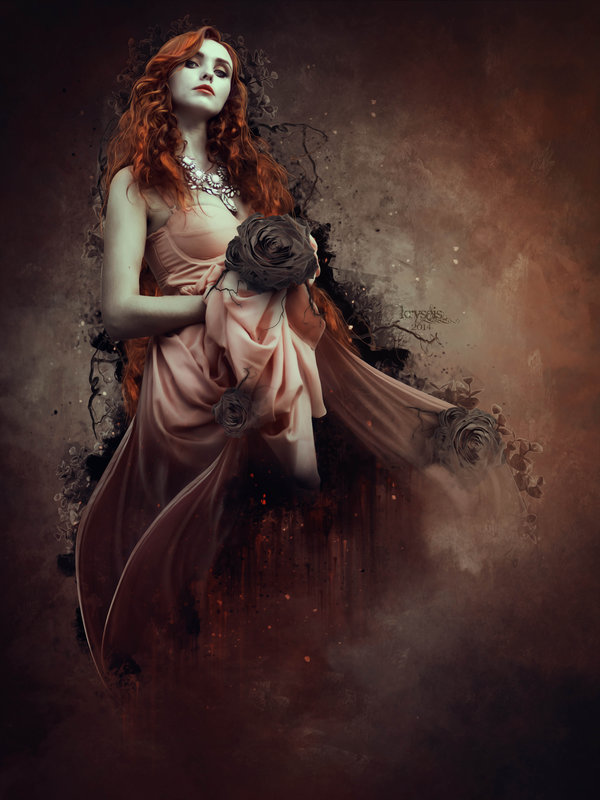
 Beeple (Mike Winkelmann): Renowned for his groundbreaking NFT art and digital illustrations, Beeple has played a pivotal role in reshaping the landscape of digital art.
Refik Anadol: A master of data sculpture, Anadol’s work seamlessly integrates AI algorithms and large datasets to create mesmerizing visual experiences.
Quayola: Known for his innovative use of technology, Quayola’s digital art explores the intersection of the classical and the contemporary.
Social Media Trends 2027
In the dynamic realm of social media, Photo Manipulation Art is poised to become a prominent trend in 2027.
Platforms such as Instagram, TikTok, and Pinterest provide a vibrant canvas for artists to showcase their creations, attracting a diverse audience.
These artworks’ shareability and visual impact align seamlessly with social media trends’ fast-paced, visually-driven nature, making them highly shareable and engaging for users seeking fresh and compelling content.
In conclusion, the digital art renaissance, fueled by the symbiotic relationship between artists and AI, transforms the creative landscape.
Photo Manipulation Art, with its alchemy of imagination and pixels, emerges as a captivating facet of this movement, captivating art collectors, enthusiasts, and a broad audience alike.
As we navigate the unfolding trends of 2027, the role of digital art in shaping cultural narratives and pushing artistic boundaries remains more prominent than ever.
The Collection of Sexy and Passionate Photo Manipulation Art by Carole Sanson / Kryseis Art