
Types of Credit Cards: Which Are the Best Credit Cards for 2027?
✨Key Points
- Find the right credit card for your needs. Compare cashback, travel rewards, low-interest, and credit-building cards to see which fits your lifestyle and spending habits.
- Avoid credit card costs that eat into your savings. Learn how interest rates, annual fees, and hidden charges can make a seemingly great deal more expensive.
- Choose a card that helps you reach your financial goals. Whether you want to pay off debt, improve your credit score, or earn rewards on everyday purchases, understand what to look for before applying.
Choosing a credit card sounds simple until you start comparing them.
One offers cashback, another promises free flights, and a third gives you 0% introductory APR.
They all sound great, but which one will actually save you money?
Maybe you’re tired of paying interest every month and want to get your debt under control.
Maybe you’re planning a vacation and wondering if a travel rewards card is worth the annual fee.
Or maybe you’re trying to build your credit score and don’t want to make a mistake that could cost you later.
And here’s where people often get stuck.
A card might offer amazing rewards, but if you’re carrying a balance and paying high interest, those rewards can quickly lose their value.
A travel card might look impressive, but why pay a $95 annual fee if you barely travel?
The best credit card for 2027 depends on how you spend your money, what you’re trying to achieve, and what you can realistically afford.
In this guide, we’ll look at the different types of credit cards, including:
- Low-interest and balance transfer cards if you’re trying to pay off debt and reduce interest costs.
- Cashback cards if you want to earn something back on everyday spending like groceries and gas.
- Travel rewards cards if you travel often and want to make the most of your spending.
- Secured and credit-building cards if you’re starting from scratch or rebuilding your credit.
- No-annual-fee cards if you want to keep things simple and avoid paying for benefits you may never use.
We’ll also cover what to watch out for, from high APRs and annual fees to rewards that sound better than they actually are.
Because the last thing you need is another monthly payment that makes your life more expensive.
The goal is to find a credit card that fits your life and helps you make better financial decisions.
Chase Sapphire Preferred — For Travel
If you travel a few times a year, flights, hotels, and meals can add up quickly.
The Chase Sapphire Preferred is worth considering because it offers travel rewards and flexible points you can use toward future trips.
But be realistic about how often you travel. If you take one vacation every two years, paying an annual fee for travel benefits you barely use might not make sense.
Best card for Average Credit – Barclaycard Rewards MasterCard
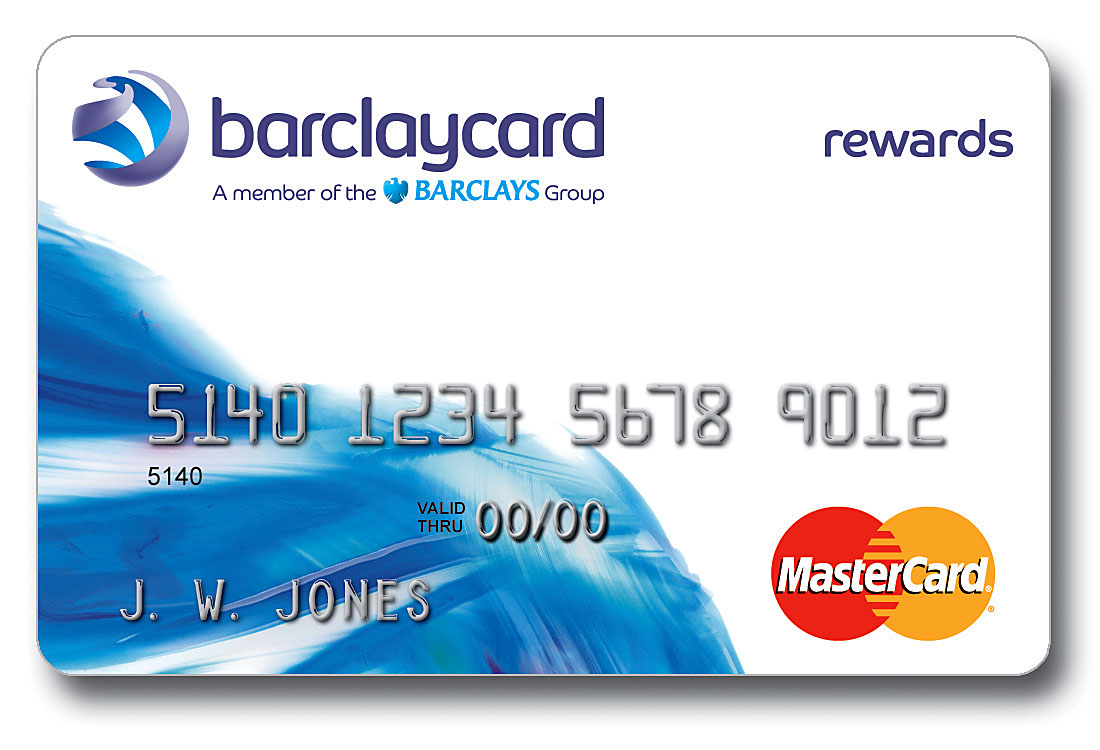
Having an average credit score can be frustrating.
You may qualify for a credit card, but the interest rates are often high, and the rewards aren’t always worth the cost.
The Barclaycard Rewards Mastercard was designed for people with fair credit who wanted to earn cashback on everyday expenses.
It previously offered 2% cashback on groceries, gas, and utilities, plus 1% on other purchases.
These are expenses most of us already have, so earning something back sounds appealing.
But here’s the problem. The card’s advertised APR was 25.24%, meaning carrying a balance could quickly wipe out your cashback earnings.
Think about it. Earning $20 in rewards won’t help much if you’re paying $50 in interest.
If you have fair credit, focus on finding a card with reasonable fees and terms you can manage.
Rewards are useful, but paying your balance on time and avoiding expensive debt will do much more for your finances.
Blue Cash Preferred from American Express — For Groceries
Groceries are one of those expenses you can’t really avoid.
If you’re feeding a family, even a normal supermarket trip can feel expensive.
The Blue Cash Preferred offers cashback on eligible U.S. supermarket purchases, making it appealing to households with regular grocery bills.
Just remember that spending caps, store exclusions, and the annual fee can affect how much you actually save.
Citi Custom Cash — For Gas
If you drive to work every day, fuel costs can take a noticeable chunk out of your monthly budget.
The Citi Custom Cash can be useful if gas stations are your highest eligible spending category. It automatically rewards your top eligible category, subject to a monthly spending cap.
But if you spend more on groceries or restaurants than gas, your bonus cashback may go toward those purchases instead.
These benefits are based on issuer information available in 2026, so check the terms again before publishing your 2027 recommendations.
Best Credit Card for Rebuilding Credit: Discover it Secured Credit Card
Trying to rebuild your credit can be frustrating.
You need a better credit score to qualify for good credit cards, but you also need a credit card to start building that score.
That’s where the Discover it Secured Credit Card can help.
Unlike many secured cards, it has no annual fee and lets you earn cashback while working on your credit history.
You can earn 2% cashback at gas stations and restaurants on up to $1,000 in combined purchases each quarter, plus 1% on other eligible purchases.
The catch? You’ll need to put down a refundable security deposit, which determines your initial credit limit.
And getting approved doesn’t automatically mean your credit score will improve.
To make this card work for you, focus on paying your bill on time and keeping your balance low.
Those habits matter much more for rebuilding your credit than earning a few dollars in cashback.
If you’re starting over financially and want a card that helps you build credit without paying an annual fee, Discover it Secured is worth considering.
Capital One Spark Cash for Small Businesses
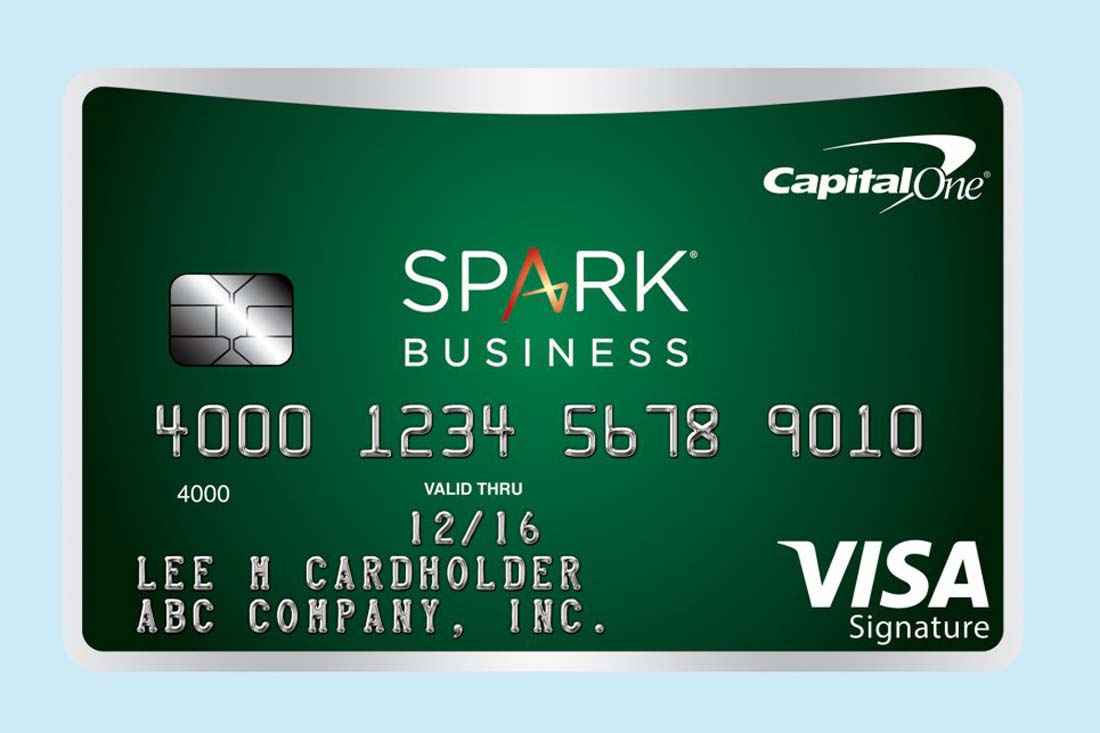
Running a small business comes with expenses that don’t always fit neatly into one category.
One month you’re paying for software and advertising, the next you’re buying equipment, booking travel, or covering unexpected costs.
That’s why a flat-rate cashback card like the Capital One Spark Cash can be useful.
You earn rewards on everyday business purchases without having to track spending categories or figure out which purchases qualify.
The biggest advantage is simplicity. You can focus on running your business while earning cashback on eligible expenses.
But before you apply for a Capital One business credit card online, check the current rewards rate, annual fee, and interest rate.
These terms can change, and a card that looks rewarding may cost you more if you regularly carry a balance.
If your business has expenses across many different categories and you pay your balance in full each month, a flat-rate cashback card could be worth considering.