Choosing a Signature Scent: Basics of Perfume Choosing
✨Key Points
- Follow the full scent journey: Compare how designer and niche perfumes smell at the opening, after 30 minutes, and several hours later—not only at the first spray.
- Match performance to your lifestyle: A powerful, experimental niche scent may suit special occasions, while a versatile designer fragrance can be easier to wear daily.
- Reduce the risk of buying online: Check the fragrance family and note structure, compare trusted reviews, and purchase a sample before investing in a full bottle.
Perfume can become part of your personal style, much like clothing or accessories.
However, choosing a signature scent requires more than selecting a famous brand or an attractive bottle.
Understanding fragrance families, concentration, performance, and how a perfume develops on the skin can help you make a more informed decision.
When learning how to compare designer and niche perfumes, consider these practical factors:
- Fragrance profile: Identify whether the scent is floral, woody, fresh, amber, citrus, or gourmand.
- Development: Compare the opening, heart, and base notes rather than judging only the first spray.
- Performance: Consider longevity, projection, and how closely the fragrance stays to the skin.
- Wearability: Decide whether it suits everyday use, professional settings, special occasions, or a particular season.
- Price and value: Evaluate the ingredients, bottle size, availability, and cost per wear, not the brand name alone.
This knowledge is especially helpful when you buy perfume online and cannot smell it beforehand.
Read the official note list, compare several independent descriptions, and order a sample or discovery set whenever possible.
Remember that reviews describe another person’s experience; skin chemistry, temperature, and humidity may produce different results on you.
Whether you are considering a Prada perfume, an experimental niche fragrance, or a unisex perfume, the best option is one that develops well on your skin, fits your lifestyle, and feels comfortable to wear.
Top, Heart, and Base Notes
Perfume is often described as a three-part fragrance pyramid: top, heart, and base notes. These terms explain how a scent changes as its more volatile materials evaporate and the longer-lasting elements become easier to detect. However, the pyramid is a useful guide—not a strict formula—and some modern fragrances develop more evenly.
- Top notes: The first impression, usually noticeable for several minutes to around half an hour
- Heart notes: The main character of the fragrance, revealed as the opening softens
- Base notes: The deeper elements that remain on the skin for several hours
Top Notes: The First Impression
Top notes are the aromas detected immediately after spraying.
Citrus, herbs, aldehydes, and light fruits are common because they create freshness and impact.
For example, Chanel No. 5 Eau de Parfum opens with bright citrus and aldehydic notes before revealing its floral character.
Although the opening matters, avoid deciding within the first few seconds—the alcohol and most volatile materials still need time to settle.
Heart Notes: The Fragrance’s Main Character
Heart notes become clearer after the opening fades, often within 20 to 60 minutes. Florals, fruits, and spices frequently appear here because they connect the fresh opening with the deeper base.
In Dior J’adore Eau de Parfum, ylang-ylang, Damascus rose, and two types of jasmine create its recognizable floral bouquet. Common heart notes in other perfumes include neroli, geranium, lavender, coriander, and nutmeg.
Base Notes: Depth and Longevity
Base notes emerge gradually and form the fragrance’s lasting impression. Woods, resins, musk accords, amber materials, vanilla, and patchouli are commonly used to add warmth and depth.
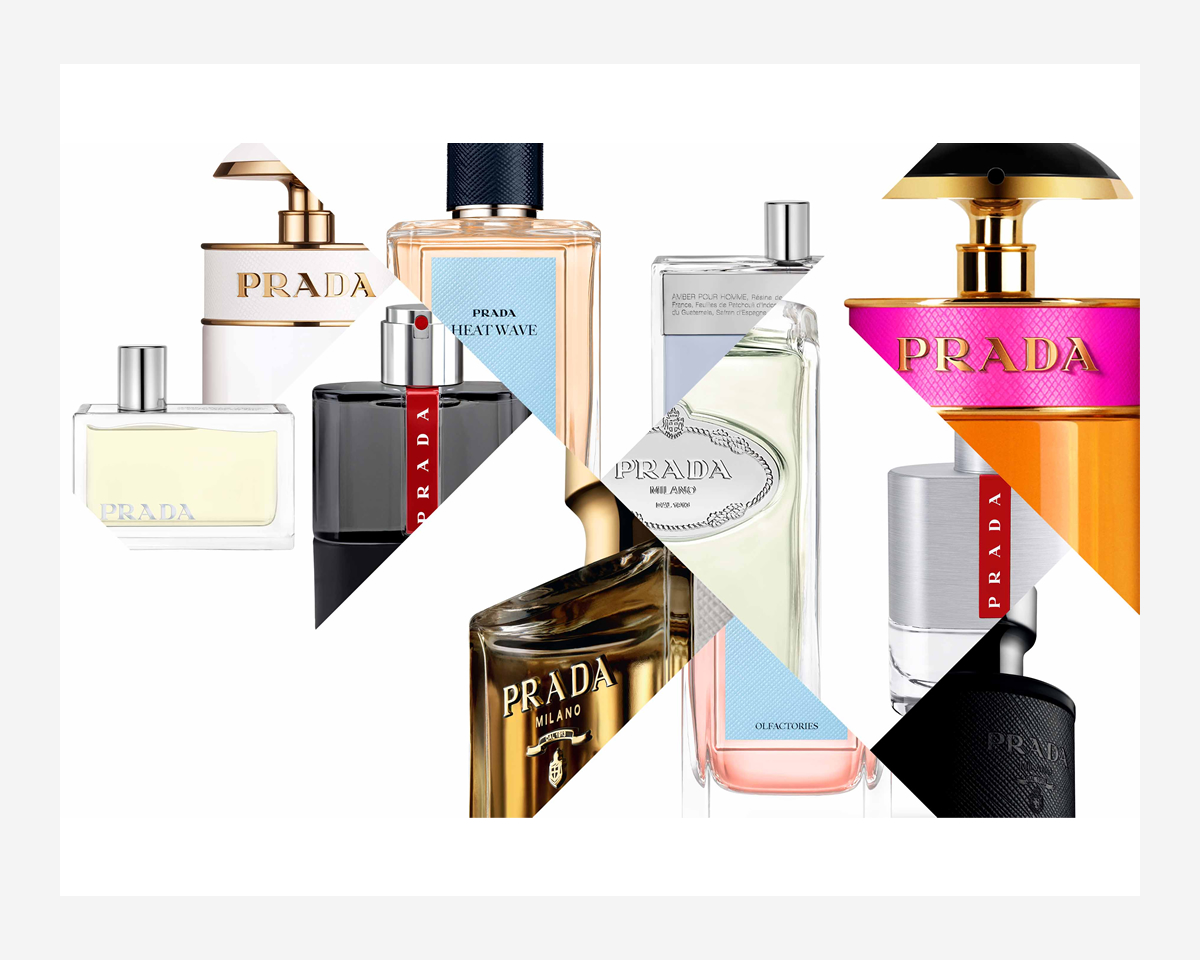
Prada Candy Eau de Parfum demonstrates this effect through warm benzoin resin, a caramel accord, and white musk. Caramel is an important part of its overall identity, but the fragrance should be experienced as a complete composition rather than judged by one note.
For a reliable test, spray perfume on clean skin and assess it at three stages:
- Immediately after application;
- After approximately 30–60 minutes;
- Again after three or four hours;
This process reveals the complete scent journey and helps prevent buying a fragrance based only on an appealing or disappointing opening
Differences Between Eau de Toilette and Eau de Parfum
Another confusing thing when choosing the fragrance is the different names, namely Eau de Toilette and Eau de Parfum.
If you also wonder what is the principal difference both in smell and price, we will help you figure this out. Everything starts with concentration.
The higher the concentration the more expensive the perfume goes and is usually named colognes or perfumes.
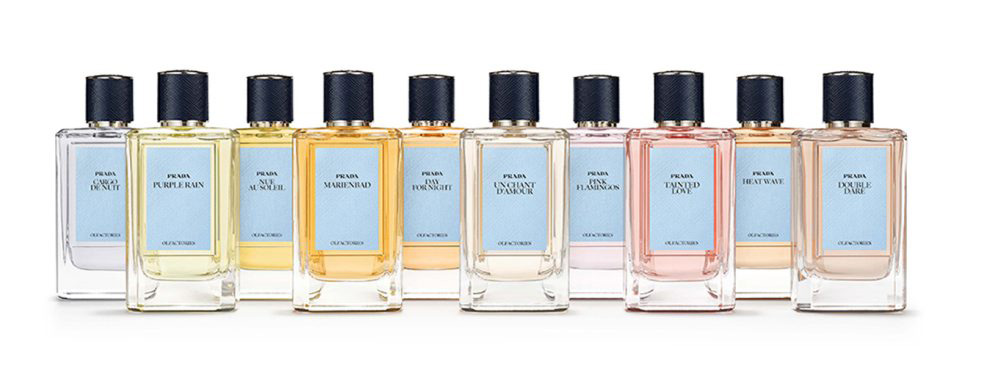
Ormonde Jayne Perfume would be a perfect choice if you want something which would make you stand out.
Choosing a Signature Scent: about all other differences get to know here:
- Cologne/ Eau de Cologne/ Eau Fraiche: usually this one has a very light concentration of perfume oils 2-4%. Thus, the cologne will only last for a few hours. These are great to spritz on and freshen up, but rather for a shorter period of time, not the whole day;
- Eau de Toilette: contains between 4-10% of perfume oil and thus is a bit stronger than cologne. However, it is also known to be used for the daytime, while perfume comes in the evening. Usually, heavier perfumes are released first with Eau de Toilette following them. This does not mean though, that both scents will be alike;
- Eau de Parfum has one of the highest perfume oil concentrations ranging from 8-15%. This scent will be prominent on you throughout the day while also not bothering people next to you. Therefore, when you usually enter the perfume store, the majority of the options you see are Eau de Parfum;
- Pure Perfume/Perfume/Extrait: one of the most concentrated scents with 15-25% of perfume oil. These fragrances are very thick and dense and may even transfer to the person you hug or touch. So be careful!
To sum it up, your fragrance choice will definitely depend on a majority of factors like the scent notes and perfume oil concentration. Whether you would want a long-lasting scent, or deo sprays to mask the sweat after the gym.
The only thing which would help you understand which one suits you better is your gut!
Once decided, make sure you know where to purchase it.
Online options include https://www.scentbird.com/ while offline depends on your place of residence. Anyways, Google will help you to find them, so do not doubt and go buy that scent!