How to Avoid Car Accidents: 10 Safe Driving Habits That Reduce Your Risk
✨Key Points
- Most accident prevention happens before an emergency. Speed, following distance, attention, visibility, vehicle condition, and planning determine how much time you have when something goes wrong.
- Speeding and distraction remain major risks. Speeding was involved in 29% of U.S. traffic fatalities in 2024, while distracted-driving crashes killed 3,208 people.
- Defensive driving means preparing for other people’s mistakes. You can’t control a driver who suddenly changes lanes, brakes unexpectedly, or looks at their phone—but you can give yourself more space and time to react.
You’re driving home after a long day.
Traffic is moving normally, you’re following the speed limit, and then the car beside you suddenly moves into your lane without checking its blind spot.
That’s the uncomfortable reality of road safety: you can follow the rules and still find yourself seconds away from an accident.
U.S. roads have become safer compared with the recent peak in traffic deaths, but the numbers remain sobering.
NHTSA estimates that 36,640 people died in motor vehicle crashes in 2025, roughly 100 people every day.
And some of the risks are surprisingly ordinary.
A quick look at a text message, driving slightly too fast for wet conditions, following another vehicle too closely, or getting behind the wheel when exhausted can dramatically reduce the time you have to respond when something unexpected happens.
Consider two major risks:
- Speeding: 11,288 people were killed in speeding-related crashes in 2024, representing 29% of U.S. traffic fatalities.
- Distracted driving: 3,208 people were killed and more than 315,000 were injured in crashes involving distracted drivers in 2024.
That’s why the best ways to avoid accidents aren’t complicated tricks.
They’re everyday safe driving habits that create more time, visibility, and space between you and danger.
That means keeping your phone away, maintaining a safe following distance, adjusting your speed for weather and visibility, checking mirrors and blind spots, maintaining your vehicle, and watching what other road users are doing, not simply what you expect them to do.
Passing a driving test proves that you’ve met the requirements to drive.
Preventing road accidents requires something more: consistently making good decisions when nobody is sitting beside you telling you what to do.
Here are the practical habits that can help you do exactly that.
Ways to Avoid Accidents: Training and License
Whether you take driving lessons from someone at home or by a professional, follow their guidelines seriously.
You can take all your time to learn before you start driving on the road.
Among all the road accidents, untrained drivers are the cause of many of them. Stay calm and get rid of all the distractions.
When you are confident enough about your driving skills then apply for a license, they will check how good you drive before they issue a license.
This process is the first step to avoid road accidents.
Stay Alert
One of the best ways to avoid accidents is also one of the simplest: keep your attention on driving.
A phone notification, conversation, navigation change, or even a few seconds spent looking away can leave you with less time to react to a sudden hazard.
To stay focused:
- Keep your phone out of reach and set navigation before you start driving.
- Avoid turning to look at passengers during conversations.
- Adjust your seat and mirrors so you can drive comfortably without restricting your view.
- Get enough sleep before a long journey and take breaks when you become tired.
- Share the driving with another qualified driver on longer trips when possible.
- If you’re struggling to stay awake, stop somewhere safe rather than trying to push through fatigue.
Extra attention is especially important when you need to stay safe while driving at night, when reduced visibility can make hazards harder to identify early.
Your car also needs to be ready for the journey.
Why car maintenance matters becomes obvious when worn tires, ineffective windshield wipers, dirty lights, or braking problems reduce your ability to respond safely.
Following basic maintenance tips for car owners can help you spot these problems before they contribute to a dangerous situation.
Being alert gives you time to react; keeping your car in good condition gives it the ability to respond when you do.
Check the Car Mirrors
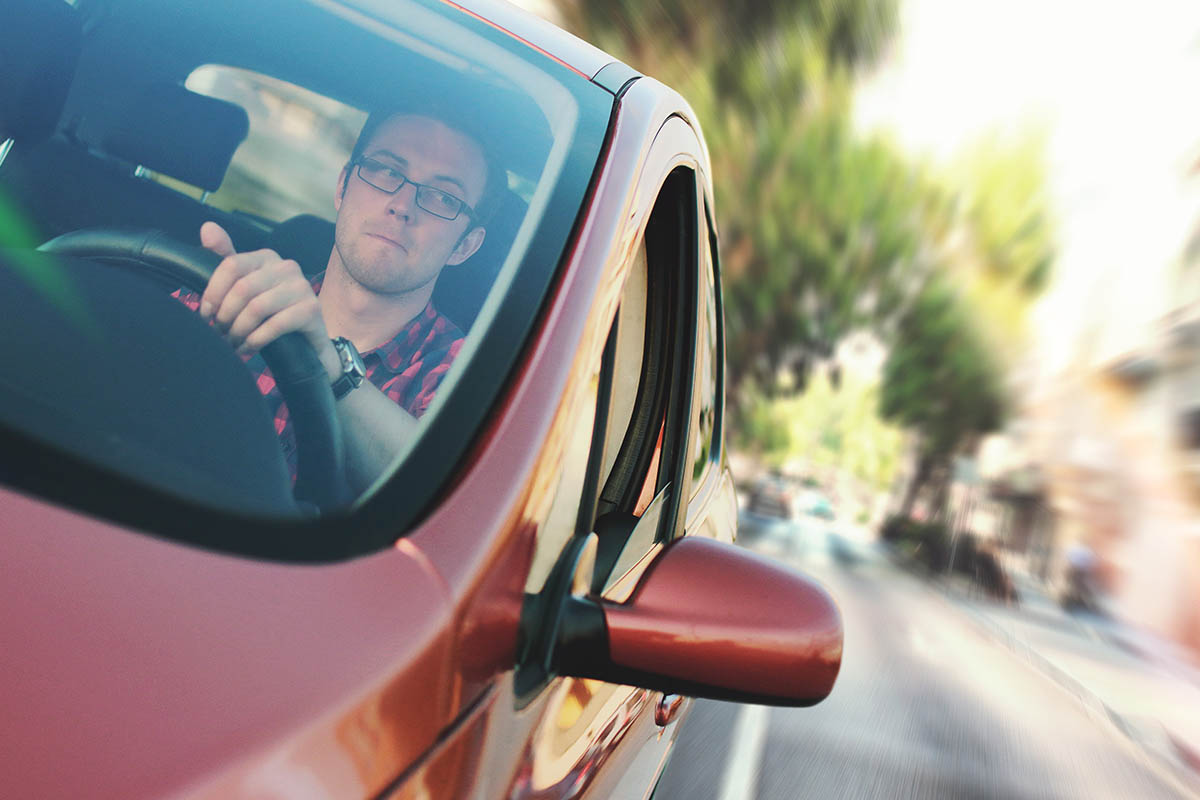
As soon as you sit in your car you should check your car mirrors. Side and rearview mirror need proper positioning.
If you drive in a heavy traffic area, you need the mirrors to give you a clear view of the road and the traffic.
Keep your mirrors clean, before setting on the road clean them well. Cleaning your mirrors during driving is not something that you should practice.
Avoid Using Your Cellphone
Anything that could distract you from focusing on the road is dangerous, using your cell phone is one of them.
If your job demands frequent phone calls then invest some money on buying good quality hands-free.
But not using your phone is the safest option. You can park your car and take the phone call if it is urgent.
It is better if you put your phone on silent, even the slightest tune can distract you.
Changing the song on the playlist, turning up the volume, and constantly keeping your mind engaged in these kinds of activities is dangerous.
Never Have Food While Driving
It is a serious offense to drive drunk, many countries have laws that can put you in jail for doing this.
A drunk mind and body do not have the same abilities as a sober one.
When a drunk person drives he puts the lives of many at-risk including his own.
With a bad vision and impaired judgment because of the alcohol level in your body, you cannot maintain a good concentration on the road.
After having a party it is necessary that you ask your sober friend to drive you home or this could result in you receiving an immediate threat license or something worse.
Taxi and bus are also alternate transportation options when you are drunk.
Maintain a safe Speed
Overs speeding and skipping lanes without using the indicator is a risk.
Following the speed limits will give you a chance to take the necessary step on time.
Pedestrians and other drivers sometimes do not pay attention and if you are on a safe speed you will be able to react on time.
A responsible driver will always listen to the signs on the road, the standard signs are drafted by experts of road safety.
Whether it is a slope, a U-turn, a speed breaker or any other sign, do not ignore them.
Avoid Changing Lane without Signaling
You should always stay on your lane and do not forget to check the mirrors.
Some areas cannot be spotted even by looking in the mirror, these are called blind spots.
You can simply look over your shoulder to see if the road is clear.
Use your indicator to signal to other cars behind you, when you are done with switching your lane you can turn off the sign.
Never Over Speed
When you over speed there is a risk of losing the control of the vehicle.
Other drivers and pedestrians can miscalculate your speed and it can cause a serious accident.
The road condition also plays a role in car safety accidents, a broken road is a threat to your safety.
Over speeding can burst your car tires, use good quality tires and check their expiration date from time to time.
Follow the Signal
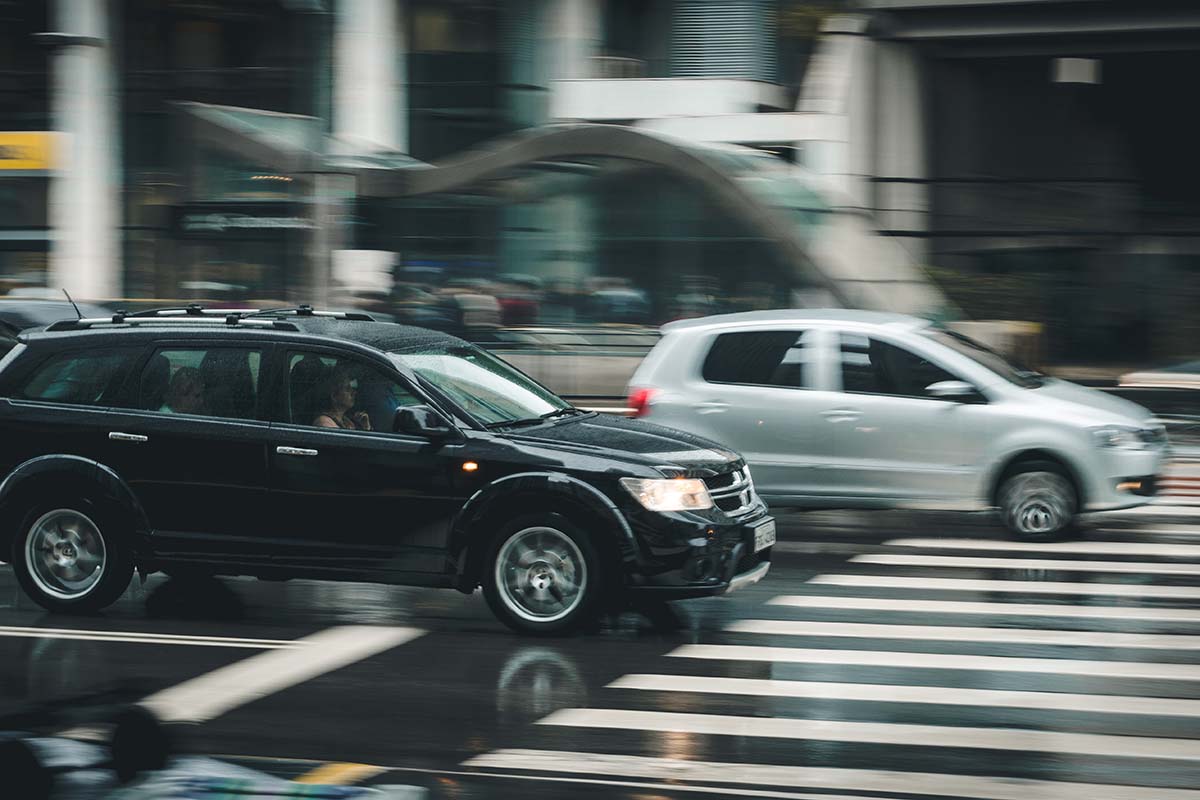
People who follow traffic rules are considered safer on the road than the ones who do not follow it.
Traffic laws have been made for the safety of drivers, passengers, and pedestrians.
The flow of traffic is controlled efficiently by these signals.
You can easily get a ticket for breaking the signal, be patient while driving.
Nothing could possibly be more important than your life, many car accidents are caused by drivers who overlook the signals rules.
New drivers should educate themselves about road signs before starting driving.
Never Drive When You Are Drunk
It is a serious offense to drive drunk, many countries have laws that can put you in jail for doing this.
A drunk mind and body do not have the same abilities as a sober one.
When a drunk person drives he puts the lives of many at-risk including his own.
With a bad vision and impaired judgment because of the alcohol level in your body, you cannot maintain a good concentration on the road.
After having a party it is necessary that you ask your sober friend to drive you home.
Taxi and bus are also alternate transportation options when you are drunk.
Conclusion on Ways to Avoid Accidents

You can follow every traffic rule and still encounter someone speeding, tailgating, checking their phone, or suddenly cutting across your lane.
That’s why avoiding accidents isn’t only about following the law, it’s also about anticipating what could go wrong.
Some of the best ways to avoid accidents are simple:
- Follow traffic laws and adjust your speed to weather, visibility, and road conditions.
- Leave enough following distance to react to sudden braking.
- Keep your phone and other distractions away.
- Check mirrors and blind spots instead of assuming another driver has seen you.
- Stay calm rather than responding to aggressive behavior with more aggression.
Learning how to handle dangerous drivers on urban streets is part of defensive driving.
If someone is tailgating, speeding, or behaving aggressively, don’t try to teach them a lesson or compete with them.
Create distance when you can do so safely and focus on getting yourself out of the situation.
You can’t prevent every mistake another driver makes.
But by staying alert, leaving yourself time and space to react, and refusing to turn someone else’s bad driving into your own, you can reduce the chance that their mistake becomes your accident.