Night Car Driving: How To Stay Safe While Driving At Night
✨Key Points
- Reduced visibility changes your reaction window. Pedestrians, cyclists, animals, road debris, and turns can be harder to identify early at night.
- Fatigue and glare create additional risks. Rest before long nighttime trips, keep your windshield clean, and avoid staring directly at approaching headlights.
- Good preparation matters before you leave. Working headlights, clean mirrors and windows, healthy tires, and a properly adjusted driving position all support safer night driving.
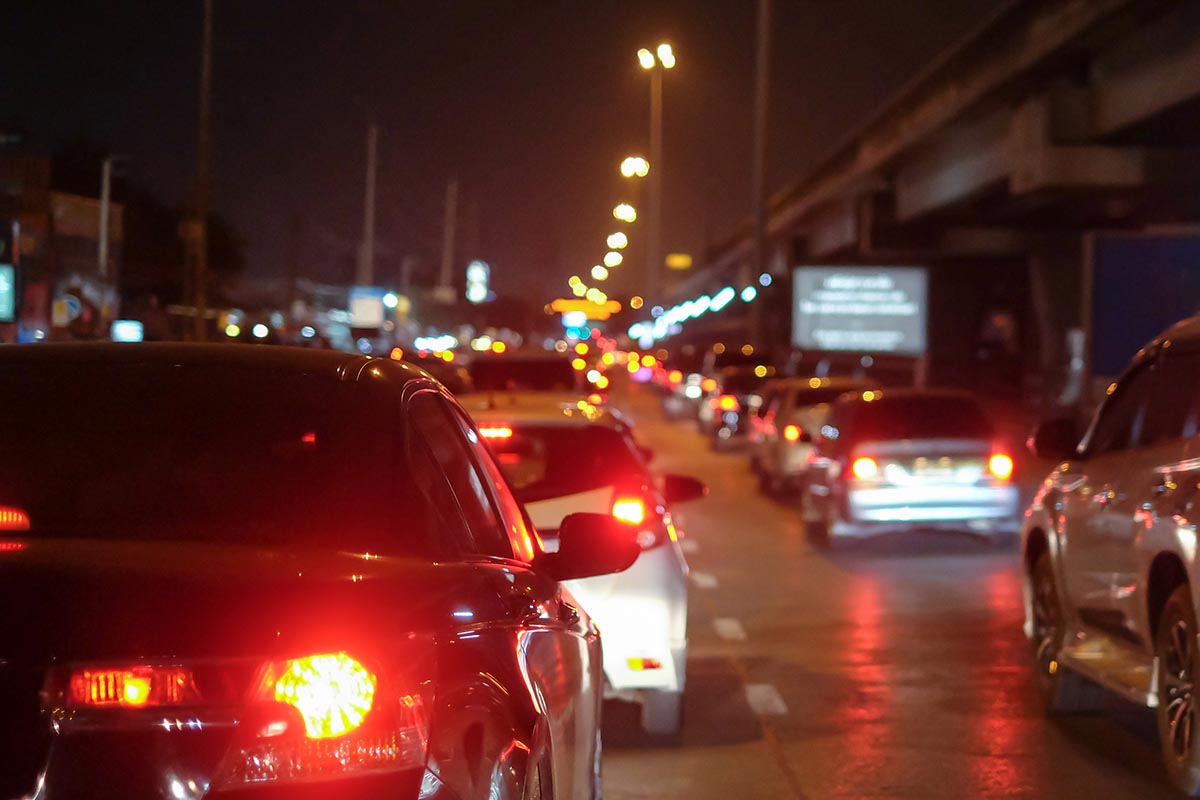
A road you drive every day can feel completely different after dark.
The intersection is still there.
The speed limit hasn’t changed.
But pedestrians are harder to notice, an animal can appear beyond the reach of your headlights, approaching headlights can create uncomfortable glare, and after a long day, your own concentration may not be as sharp as it was that morning.
That’s what makes driving at night challenging: you often have less visual information and less time to recognize what is happening ahead.
And the statistics reflect that risk.
According to the National Safety Council, about half of U.S. traffic deaths occur at night, even though only around one-quarter of travel takes place after dark.
That doesn’t mean you should be afraid to drive at night.
It means your driving needs to match the conditions.
Before and during a nighttime journey:
- Make sure your headlights, taillights, and turn signals are working properly.
- Clean your windshield and mirrors to reduce glare and improve visibility.
- Reduce your speed when you can’t clearly see far enough ahead.
- Leave additional space when conditions make hazards harder to identify.
- Watch carefully for pedestrians, cyclists, animals, and vehicles without adequate lighting.
- Avoid driving when you’re struggling to stay awake.
- Keep your phone away and minimize unnecessary distractions.
Knowing what to do if you are involved in a car accident is still valuable.
Depending on what happened, that can include getting to a safe location when possible, checking for injuries, contacting emergency services when necessary, documenting the scene, exchanging information, and notifying your insurer.
Legal advice may also be appropriate when serious injuries, disputed liability, or other complications are involved.
But ideally, you never need that information.
You can’t make the road brighter or control what another driver does after dark.
You can make sure you’re rested, your car is ready, and your speed gives you enough time to react to what your headlights reveal next.
Check Mirrors
Before you start your night car driving, the first thing to do is to check your mirrors.
Mirrors are your gateway into looking at the road and avoiding blind spots.
Make sure all your mirrors are facing the correct way, and you can see out of all of them. Adjust any mirrors that are not facing correctly, and then start the car.
However, if you ever find yourself involved in a car accident, it’s essential to take the right steps to protect your rights and seek legal assistance.
If such an unfortunate situation happens in Montana, consulting the best car accident attorney in Montana can provide you with the expertise and guidance needed to navigate the legal complexities and ensure fair compensation for any damages or injuries sustained.
Having a skilled attorney by your side can make a significant difference in the outcome of your case.
Ease Our Slowly

Never ever speed into traffic.
Even if you think that a junction is empty, keep checking to see if there’s another car in sight.
Often, drivers get daring at night and can flout safety rules and speed limits.
Other times, people might be driving under the influence.
Either way, you should always watch out for other negligent and reckless drivers when you’re easing your way into traffic and hence, do it slowly.
Keep The Lights On
This is a pro-tip, especially at night.
You should always keep your headlights on.
Switching off your headlights at night is akin to certain death.
If other drivers aren’t able to see you on the road, there will almost certainly be a collision of some sort.
Make sure you have your lights on and are therefore visible to all other drivers.
Don’t Tailgate
This is important to remember after dark.
A lot of drivers often drive drunk at night and you shouldn’t take the risk of tailgating anybody at this time.
There is no knowing when the car in front of you suddenly comes to a stop, meaning you will go crashing into it full force.
Keep a good and safe distance from the car in front of you at all times.
Night Car Driving – Be Ready for Recklessness

One of the hardest parts of driving at night is that you can’t control what other drivers do.
Someone may be speeding, distracted, tired, impaired, or changing lanes without properly checking what’s around them.
Instead of watching only the road directly ahead, keep track of what’s happening around your vehicle:
- Check your mirrors regularly and stay aware of your blind spots.
- Leave enough following distance to react if traffic suddenly slows.
- Avoid lingering beside another vehicle where its driver may not see you.
- If someone is tailgating or behaving aggressively, create distance when it’s safe rather than engaging with them.
- Watch for unusual movements such as drifting between lanes, inconsistent speeds, or sudden braking.
These are some of the best ways to avoid accidents because they give you more time to respond to someone else’s mistake.
The same defensive approach can help you handle dangerous drivers on urban streets, where traffic, intersections, cyclists, and pedestrians leave even less room for error.
Most importantly, don’t assume that spotting danger means you should immediately swerve. A sudden lane change can put you in the path of another vehicle.
Safe driving habits are about maintaining enough space and awareness that you have options when something goes wrong.
You can’t prevent road accidents caused by every reckless driver, but you can avoid making their dangerous decision even worse by staying predictable, alert, and prepared to create distance safely.