
Do You Need Backlinks in 2026?
✨ Key Points
- Backlinks still matter in 2026—but quality, relevance, and trust matter far more than sheer volume.
- Search engines now reward links that signal real authority, brand credibility, and genuine visibility.
- Smart strategies like white label link building help scale SEO without sacrificing quality or compliance.
Backlinks still matter in 2026, but only when they are built around relevance, authority, and real brand trust rather than volume.
Google’s ranking systems now evaluate backlinks as credibility and brand authority signals, which is why white label backlinks built through niche-relevant, authoritative websites are far more effective than mass link placement.
One high-quality white label backlink from a trusted site can outperform dozens of low-quality links, while staying fully aligned with modern SEO standards and long-term ranking stability.
Recent SEO studies show that pages ranking on the first page of Google earn 3–4x more referring domains than lower-ranking pages, but those links mostly come from editorial content, trusted publications, and contextual brand mentions, not link farms.
What’s helpful to understand at the awareness stage:
High-quality backlinks improve SEO rankings by signaling trust, expertise, and topical relevance to search engines.
White label link building allows agencies and brands to scale ethical link building using content-driven strategies that align with modern SEO best practices.
Relevant backlinks from authoritative websites help increase domain authority, organic traffic, and long-term search visibility.
Editorial backlinks and brand mentions convert better than low-quality links because they support real user intent and search relevance.
Low-quality backlinks increase risk of ranking drops, algorithmic penalties, and wasted SEO spend.
According to recent industry data, over 70% of SEO professionals still list backlinks as a top ranking factor in competitive niches, but nearly all agree that link quality matters more than link quantity in 2026.
Backlinks are not dead, but outdated link building tactics are.
Strategic, ethical link building remains one of the strongest foundations for sustainable SEO growth, brand authority, and long-term organic search
What is Link Building?

Link building is a core part of modern SEO because it helps search engines understand which brands and content deserve trust and visibility.
At its core, link building focuses on promoting your brand across relevant, authoritative websites to increase brand awareness, referral traffic, and organic search performance.
When done correctly, it is not about copying competitors, but about earning placement where your audience already spends time.
The process is straightforward but strategic.
You create original, useful, and informative content, then publish or contribute that content to relevant websites, blogs, or publications in your niche.
In return, those publishers link back to your website, creating high-quality inbound links that signal credibility to search engines.
Link building delivers two major SEO benefits:
It drives qualified organic traffic from relevant websites directly to your pages.
It improves SERP rankings by helping Google discover, crawl, and evaluate your website through authoritative inbound links.
While users only see clickable text, Google analyzes the entire hyperlink structure, including anchor text, context, placement, and the authority of the referring domain.
This allows Google to extract deeper signals about content relevance, topical authority, and trustworthiness.
Every backlink from a high-authority website acts as a vote of confidence, telling Google that your content is reliable, useful, and worth ranking.
Although Google’s algorithm continues to evolve, backlinks remain one of the strongest and most consistent ranking factors in SEO.
The difference in 2026 is clear: quality, relevance, and intent matter far more than volume.
Strategic, ethical link building is still one of Google’s most powerful signals for long-term visibility, authority, and sustainable search rankings.
What Types of Backlinks Do you Need in 2026
Not all backlinks improve your Google SERP rankings in 2026.
The focus for bloggers, startups, and eCommerce website owners should be on high-quality backlinks, not volume.
A high-quality backlink comes from a trusted, authoritative, and niche-relevant website.
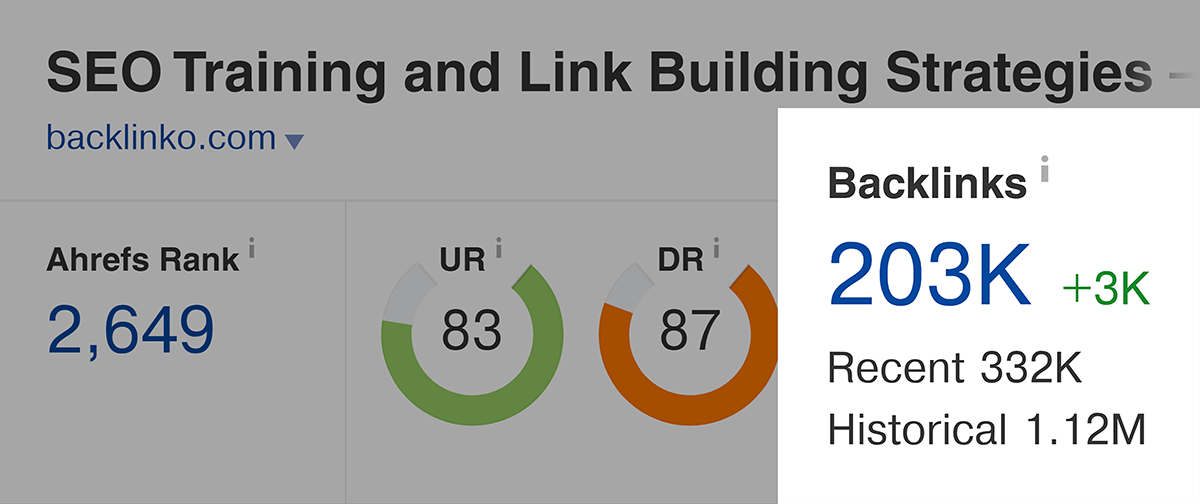
Digital marketing data consistently shows that one strong backlink from an authoritative domain can outperform hundreds or even thousands of low-quality links, especially in competitive industries.
So how do you know whether a backlink is high quality or not?
Search engines evaluate several trust signals before assigning value to a link, with domain authority, topical relevance, and editorial context playing the biggest roles.
For example, a backlink from a well-known technology publication with high domain authority carries significantly more SEO weight than a link from an unknown or unrelated website.
Research tools consistently rank major media sites like TechCrunch among domains with very high authority, which is why links from such publications have a stronger impact on rankings.
What to look for in high-quality backlinks in 2026:
High domain authority websites, which Google already trusts and crawls frequently
Editorial backlinks, placed naturally inside useful, relevant content
Topical relevance, where the linking site closely matches your industry or niche
Real traffic potential, meaning the link can drive qualified users, not just SEO value
Clean link profiles, without spam signals, paid link footprints, or excessive outbound linking
Google’s algorithm no longer rewards backlinks simply because they exist.
It rewards links that signal credibility, relevance, and real-world authority.
In 2026, earning fewer but stronger backlinks from authoritative websites remains one of the most effective ways to improve SERP rankings, organic visibility, and long-term SEO performance.
Backlink From the Relevant Website

Another critical condition of effective link building in 2026 is relevance.
Google evaluates not only who links to your website, but whether that link logically fits your brand, industry, and content.
A backlink is valuable only when it comes from a website that is contextually aligned with what you do.
For example, if you run a digital marketing or SEO agency, a backlink from a marketing blog, SaaS growth publication, business strategy site, or tech media outlet makes sense.
Google clearly understands the relationship and treats that link as a strong trust and authority signal.
A link from a high-authority, relevant site like a marketing publication can directly support higher SERP rankings and organic traffic growth.
On the other hand, a backlink from a fashion store or women’s accessories website pointing to a digital marketing company looks unnatural.
There is no topical connection, which signals manipulation rather than editorial value.
In most cases, such links are the result of paid or black-hat link building, and Google’s modern algorithms are highly effective at detecting these patterns.
When discovered, they can lead to ranking drops or penalties.
What this means in practice:
Relevant backlinks strengthen SEO by confirming topical authority.
Irrelevant backlinks add little or no ranking value and may harm your link profile.
High-authority, niche-relevant websites provide the strongest SEO impact.
Collecting backlinks from random websites no longer works.
In 2026, sustainable SEO growth depends on earning relevant, authoritative, and naturally placed backlinks that make sense to both users and search engines.