Camping in a Tent: The Top Pros and Cons to Consider
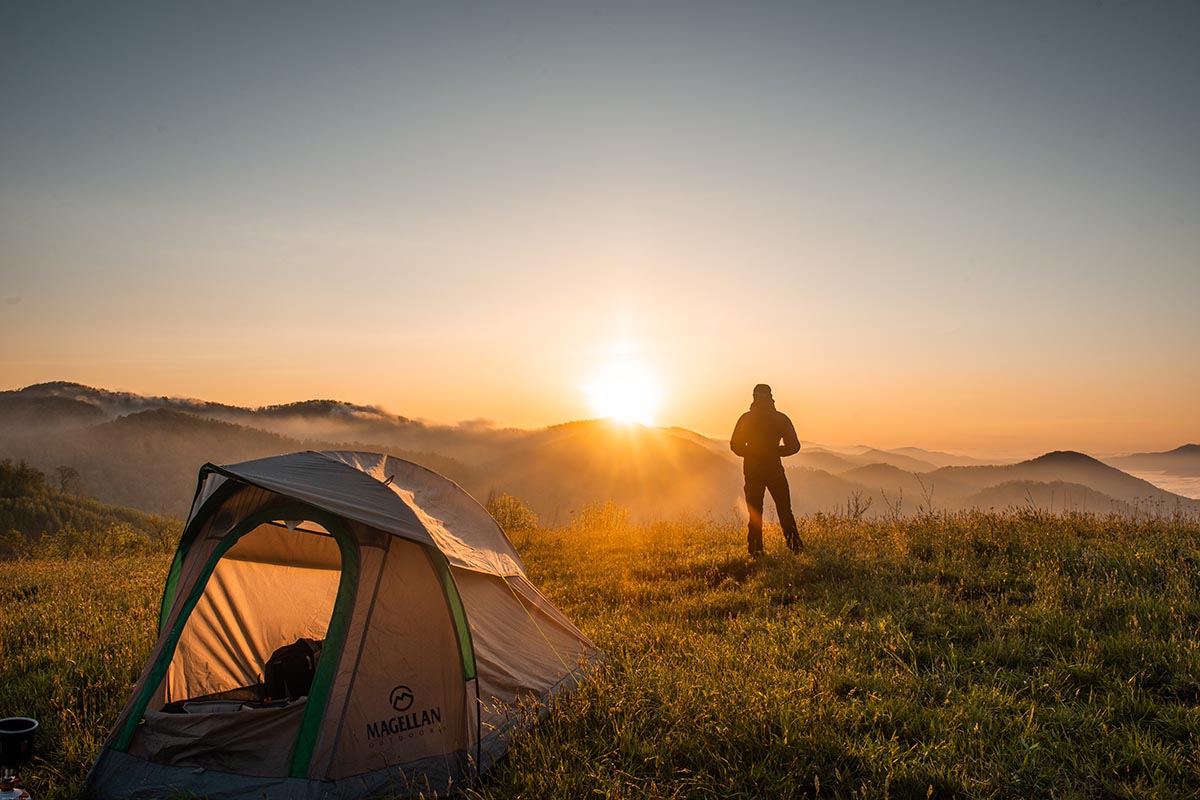
Tent camping continues to grow in popularity as more people look for affordable, nature-focused ways to disconnect from stress and reconnect with the outdoors.
According to KOA Camping Report, millions of Americans go camping every year, with many first-time campers choosing tents because of their lower cost and more authentic outdoor experience.
For many people, tent camping offers something modern life often lacks, quiet, simplicity, fresh air, and time away from screens and constant notifications. But if you’ve never camped before, it can also feel intimidating.
Questions about comfort, weather, safety, packing, and sleeping outdoors often stop beginners from trying it.
Before planning your first camping trip, it helps to understand both the benefits and the challenges.
Many people choose tent camping because it offers:
- A more affordable vacation compared to hotels or resorts;
- Closer connection to nature and outdoor activities;
- Reduced stress and improved mental well-being;
- Flexibility to explore parks, forests, lakes, and remote areas;
- A simple way to spend quality time with friends and family.
At the same time, first-time campers often worry about:
- Uncomfortable sleeping conditions;
- Changing weather and cold temperatures;
- Limited bathrooms or shower access;
- Packing the right gear and supplies;
- Safety concerns in unfamiliar outdoor environments.
Tent camping can be an incredible experience when properly planned, but it is not the right fit for everyone.
Understanding the main pros and cons can help you decide whether this style of travel matches your comfort level, budget, and adventure goals.
Pros
It Gives You Flexibility
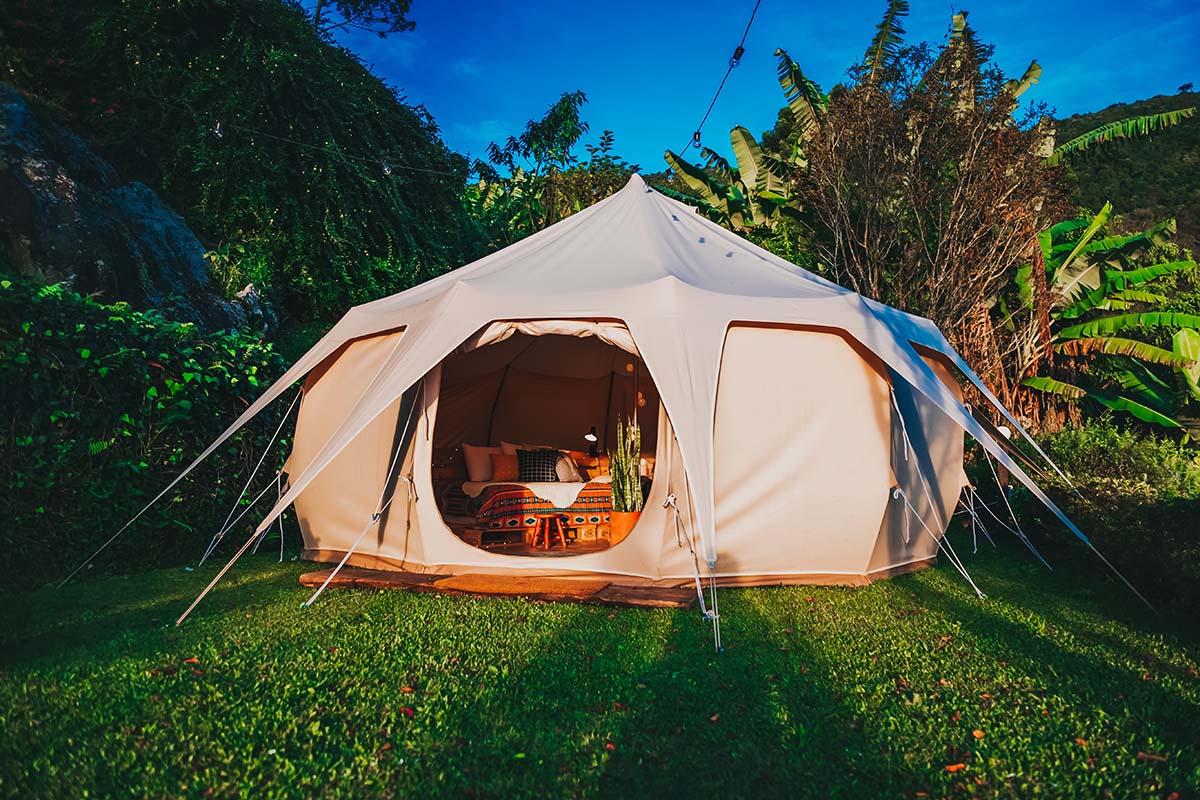
When you opt for camping in a tent, you’ll have the flexibility to decide where you set it up.
No matter where the campsite, you can head out with your tent on your back, rather than be restricted to where you can transport your vehicle (if you were RV camping for example).
The True experience of Nature
No matter what type of tent you opt for, whether it’s a 1 person tent or a 3 room family tent, you’ll feel closer to nature as you’re camping on the ground.
It also focuses on fun outdoor activities.
This break from technology will mean that you come back from your trip feeling refreshed with your batteries recharged.
It’s Affordable and Easy to Start
One of the biggest advantages of tent camping is that it offers an affordable way to travel without sacrificing adventure and memorable experiences.
Compared to hotels, resorts, or RV travel, tent camping has a much lower upfront cost, making it especially attractive for families, couples, students, and travelers on a budget.
In many locations across the U.S., including campgrounds near Mount Rainier National Park and other Pacific Northwest destinations, campsites often cost around $20–$30 per night, allowing travelers to enjoy nature without spending thousands on accommodations.
The good news is that you do not need luxury equipment to get started. With the right preparation and everything you need for a fantastic experience camping trip — including a quality tent, sleeping bag, cooking supplies, weather-appropriate clothing, and basic safety gear — tent camping can become a comfortable, fun, and budget-friendly getaway.
Affordable camping also gives travelers:
- More flexibility for weekend trips and spontaneous adventures;
- A lower-cost vacation option for families;
- The ability to explore more destinations without overspending;
- A simple way to disconnect from stress and busy routines.
For many people, tent camping delivers the perfect balance between adventure, relaxation, and affordability.
Cons
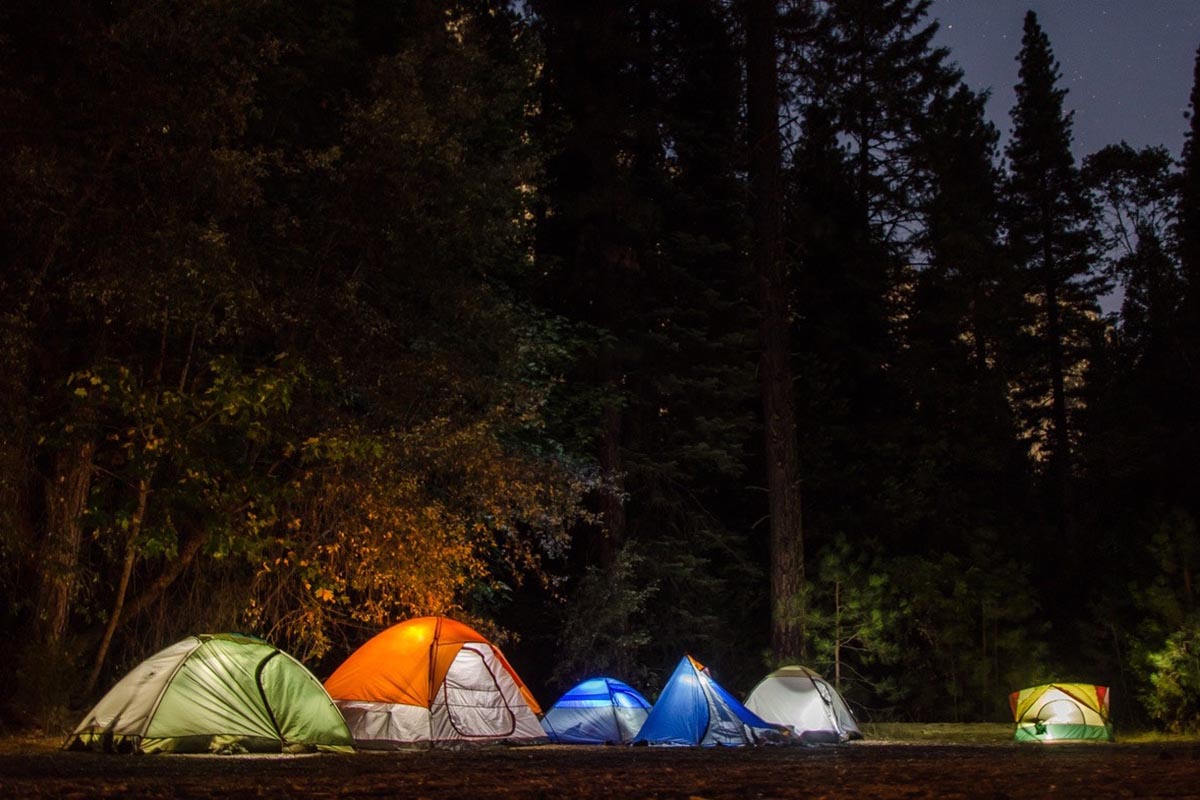
- It’s Hard to Clean Dishes. When you’re in a tent, not only do you not have washing facilities within it, but you might not have any nearby in the campsite.. Because of this, it makes it difficult to clean up after you’ve cooked a meal – a frustration felt by many campers.
- It’s Difficult to Find Shaded Areas. Regardless of where you’re planning on camping, it can be hard to find a place to camp that’s in the shade. . This can make it a very uncomfortable experience when it’s the summer months.
- You’re Exposed to the Elements. Following on from the above, when you’re sleeping in a tent, you will be effectively exposed to the elements. Whether it’s raining or snowing, you’ll wake up the next day feeling groggy as you probably wouldn’t have slept very well.
- There’s Improper Storage. One notable downside of camping is that there is a lack of proper storage for your food. . Not only will you not be able to keep a camping cooler in your tent for the whole duration of your trip, but other food that you might have may attract the wildlife – a dangerous risk that could compromise your safety.
Final Thoughts
Tent camping can be one of the most rewarding and affordable ways to travel, disconnect from daily stress, and spend more meaningful time outdoors.
Whether you’re camping near Mount Rainier National Park, exploring forests around Seattle, or escaping to a quiet lakeside campground in the Pacific Northwest, camping offers something modern life often lacks, fresh air, quiet mornings, fewer distractions, and a deeper connection with nature.
At the same time, camping is most enjoyable when you know what to expect and prepare properly.
Understanding the pros and cons ahead of time can help you avoid common beginner mistakes, choose the right gear, and create a more comfortable and stress-free experience.
For the right traveler, tent camping can provide:
- A budget-friendly escape from busy city life;
- Better mental relaxation and reduced screen time;
- Freedom to explore national parks, forests, and scenic destinations;
- Quality time with family, friends, or solo reflection;
- A memorable outdoor adventure that feels authentic and refreshing.
By weighing the benefits and challenges before your trip, you can decide whether tent camping fits your comfort level, travel style, and adventure goals, and make the most of every outdoor experience.