

Everyday Things We Can Barely Do Without the Internet
✨ Key Points
- The internet now powers work, communication, shopping, learning, and entertainment.
- Modern life increasingly depends on constant connectivity and cloud-based technology.
- Experts warn that excessive digital dependence may affect focus, relationships, independence, and mental well-being.
Not long ago, computers worked completely offline.
People mainly used them for writing documents, playing games, or storing files.
Today, most technology depends heavily on internet access.
Smartphones, laptops, cloud platforms, smart TVs, and even home devices now rely on constant connectivity for:
- Remote work and meetings;
- Streaming and entertainment;
- Online shopping and banking;
- Navigation and communication;
- Social media and digital communities.
According to global internet usage reports, billions of people now spend several hours online daily as digital platforms continue reshaping modern life and business.
But this shift has also raised deeper concerns about how technology affects human behavior and emotional development.
In “The Anxious Generation”, Jonathan Haidt argues that constant smartphone and social media exposure may be replacing real-world experiences, reducing independence, weakening attention spans, and contributing to rising anxiety and emotional fragility, especially among younger generations growing up fully online.
Even with these concerns, the internet has become so deeply integrated into daily life that many activities now feel almost impossible to imagine doing without it.
Finding an EV Charging Station

Playing Games With People Remotely
Before widespread internet access, multiplayer gaming usually meant sitting in the same room with friends, sharing a console, computer, or board game table.
Today, the internet has completely changed how people connect and play games together.
Online gaming now allows friends and families to stay connected even when they live in different cities, countries, or time zones.
One of the biggest benefits is convenience.
Players can:
- Join games instantly from home;
- Play with friends remotely;
- Compete or collaborate in real time;
- Connect through voice chat and online communities.
The internet has also made it easier to meet new people who share similar gaming interests and skill levels.
Whether someone enjoys casual games, competitive esports, strategy games, or cooperative adventures, online platforms help players find communities that match their experience and play style.
For many people, online gaming is no longer only about entertainment. It has also become:
- A social activity;
- A way to reduce loneliness;
- A stress-relief outlet after work or school;
- A way to maintain long-distance friendships.
While many people still enjoy local multiplayer experiences in person, the internet has made gaming far more accessible, flexible, and globally connected than ever before.
Things to Do Without the Internet: Getting a Crash Course In Whatever Interests You
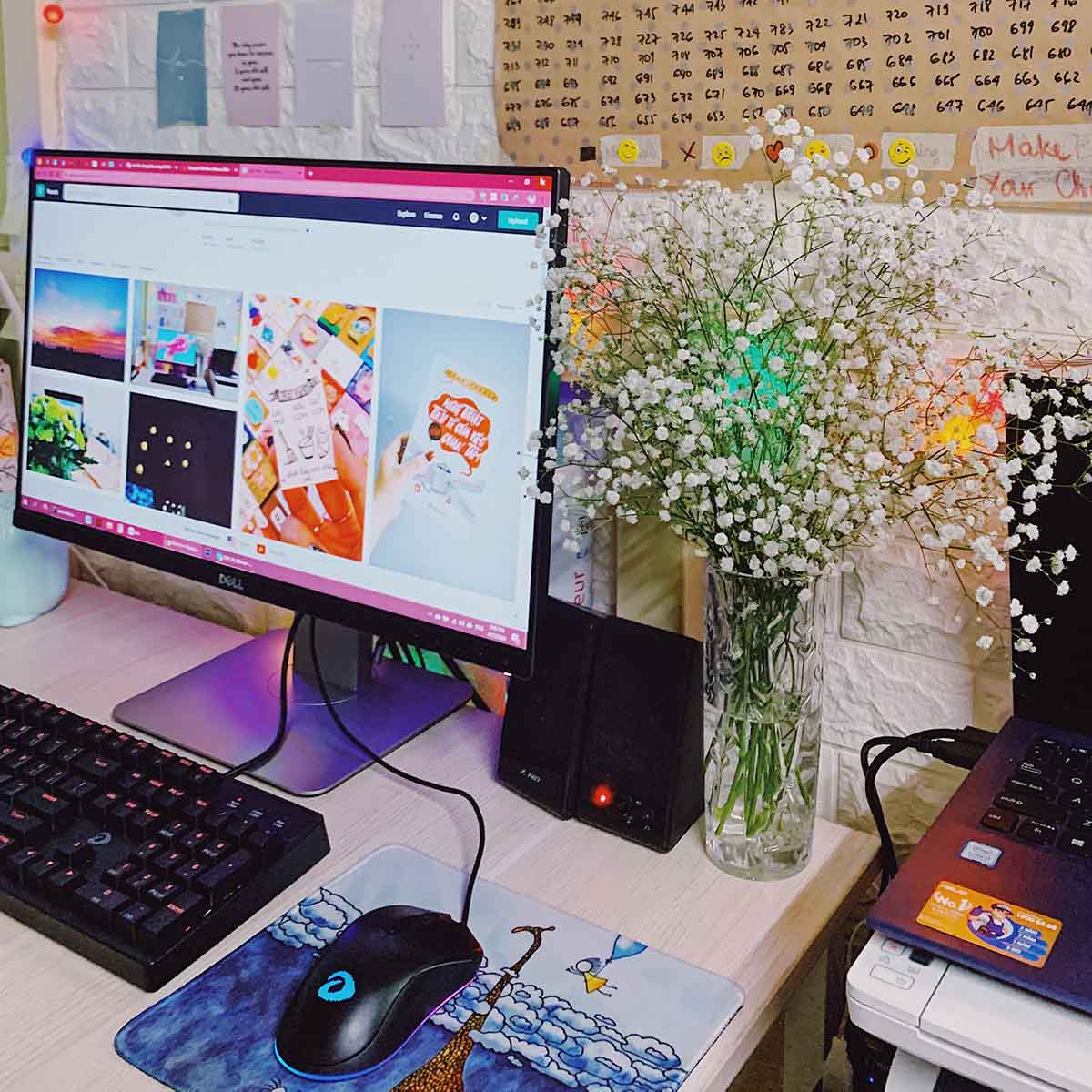
Instant Access to Information
Before the internet became part of everyday life, people often relied on printed encyclopedias, libraries, newspapers, or word-of-mouth to learn about unfamiliar topics.
The problem was that printed information could remain outdated or incorrect for years before anyone noticed.
One famous example involved encyclopedia entries repeatedly referencing the “Salem Church Dam,” a project that was planned but never actually built.
Because the mistake kept getting reprinted, generations of readers accepted the information as fact.
Today, the internet has completely changed how people access and verify information.
Instead of waiting for updated books or printed corrections, people can now:
- Research almost any topic instantly;
- Compare multiple sources;
- Watch tutorials and educational videos;
- Fact-check claims in real time;
- Access updated information as events change.
This has transformed everyday problem-solving. The internet now helps people:
- Learn new skills;
- Repair technology or appliances;
- Build projects at home;
- Follow recipes and cooking tutorials;
- Understand unfamiliar words or concepts;
- Stay informed during rapidly changing events.
At the same time, the rise of misinformation, AI-generated content, and algorithm-driven platforms has made digital literacy more important than ever.
Instant information is powerful, but understanding how to evaluate trustworthy sources has become a critical modern skill.
The reality is that civilization would not completely stop without the internet, but many parts of modern life would immediately become slower, more difficult, and far less connected.