How to Decorate a Small Bedroom and Make It Feel Bigger
✨Key Points
- Solve storage and movement problems before choosing decorations.
- Protect sleep by controlling clutter, light, noise, and temperature.
- Use AI to explore ideas, but base final decisions on accurate measurements.
A well-designed small bedroom should do more than look attractive.
It should provide comfortable movement, practical storage, clear access to doors and windows, and a calm environment for sleep.
The CDC recommends keeping bedrooms quiet, relaxing, and comfortably cool to support healthy sleep.
Before decorating, complete this quick room audit:
- Measure every wall, doorway, window, and large furniture item.
- Mark sockets, radiators, vents, and doors that require clearance.
- Identify what must remain in the room and what can be removed.
- Keep walking routes and emergency exits free from furniture.
- Photograph the room in natural light from several angles.
- Set a realistic budget before testing design ideas.
You can then use an AI interior-design tool to upload a room photo and redesign it.
Compare furniture layouts, storage solutions, colours, and lighting before spending money.
However, AI images are visual concepts, not construction plans.
They may distort dimensions, remove doors, or suggest furniture that does not fit, so verify every measurement manually.
The goal is not to make the bedroom appear impressive in a photograph.
It is to create a space that supports restful sleep, easier routines, and greater comfort every day.
Use a Coordinated Colour Scheme
A continuous colour palette can reduce visual breaks and help a small bedroom feel more open.
However, everything does not need to be pure white or exactly the same colour.
For a balanced result:
- Paint walls and the ceiling in the same light shade to soften boundaries.
- Choose flooring in a related neutral tone rather than painting it white.
- Test samples during the morning and evening because natural light changes colour.
- Use warm whites in north-facing rooms and cooler neutrals in bright, sunny spaces.
- Limit the palette to two or three main colours for visual consistency.
White can reflect light, but it is not automatically the best choice for every bedroom.
Soft beige, pale grey, muted blue, or warm cream may feel more comfortable.
Add personality with textiles, artwork, or removable original wall decals that complement the palette without overwhelming the room.
Create the Illusion of Height
Drawing the eye upward can make your room appear bigger without using additional floor space.
Try these practical ideas:
- Mount curtain rods close to the ceiling and let the fabric reach the floor.
- Choose curtains slightly wider than the window to expose more glass when open.
- Arrange artwork vertically or hang one tall statement piece.
- Use narrow bookcases, floor lamps, or storage units that emphasise vertical lines.
- Keep the tops of wardrobes and shelves organised rather than filling them with clutter.
Use only one or two vertical features so the room remains balanced.
Secure tall or heavy furniture to the wall, particularly in bedrooms used by children or located in earthquake-prone areas.
Reduce Clutter With Purposeful Storage
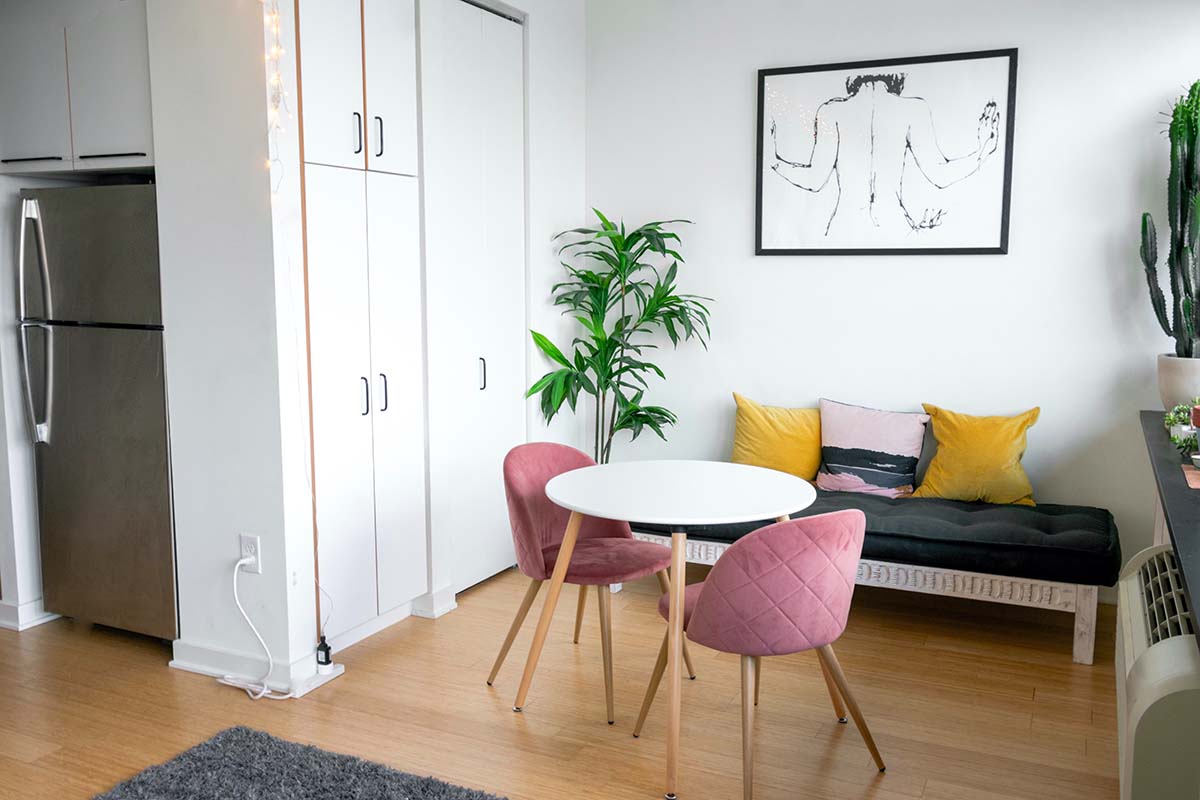
Clutter makes a small bedroom harder to clean, navigate, and relax in. Start by removing broken, duplicated, or rarely used items before purchasing storage containers.
Make effective use of every space with:
- Storage drawers or labelled boxes beneath the bed;
- Wall-mounted shelves that preserve floor space;
- Bedside tables with drawers instead of open bases;
- Hooks behind doors for bags, robes, and accessories;
- Dividers that keep drawers organised;
- One accessible basket for frequently used items.
Give every possession a specific home and spend five minutes resetting the room each evening.
This simple routine reduces visual clutter, makes cleaning easier, and creates a calmer place to begin and end the day.
Choose Multifunctional Furniture
Every large item in a small bedroom should solve at least one practical problem.
Multifunctional furniture reduces the number of pieces required while preserving storage and walking space.
Useful options include:
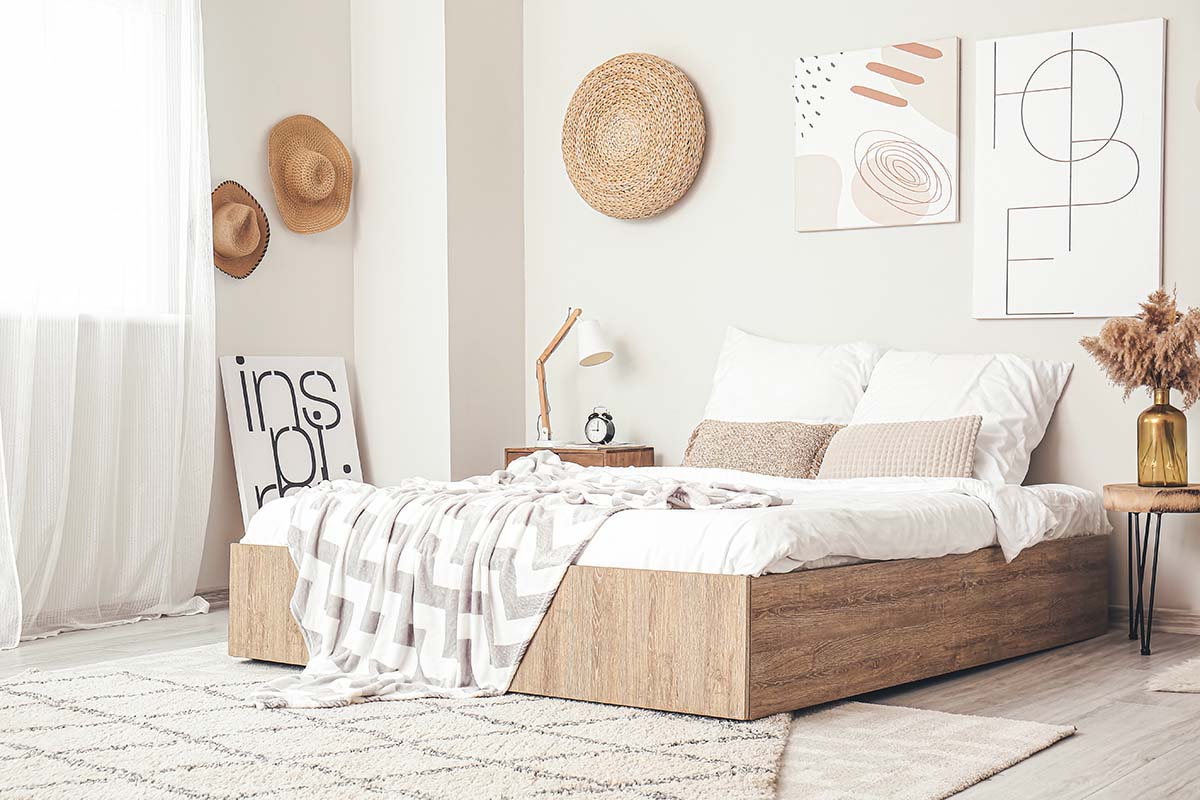
- A storage bed with built-in drawers;
- A blanket box that doubles as seating;
- A mirror with concealed storage;
- A wall-mounted desk that folds away;
- A bedside table with drawers or shelves;
- An ottoman with internal storage.
Measure the room, doorways, staircases, lift, and turning space before ordering.
A memory foam mattress in a box may be easier to move through narrow entrances, but confirm its dimensions, weight, expansion time, and return policy.
Colour can still add personality.
For example, a green bed can become the room’s focal point when paired with a restrained neutral palette.
Prioritise the correct size, useful storage, durable construction, and everyday comfort before choosing a style.
Add Texture Without Creating Clutter
Layering makes a bedroom feel warmer and more personal, but too many textiles can overwhelm a small space and create extra cleaning.
Use a simple formula:
- One fitted bedspread or duvet;
- One folded throw for colour and texture;
- Two sleeping pillows plus one or two decorative cushions;
- One correctly sized rug rather than several small rugs;
- Two or three coordinated materials, such as cotton, linen, and wool.
Keep the main colours consistent and create interest through texture rather than competing patterns.
Store seasonal blankets in an under-bed container instead of leaving them on display.
A few carefully selected layers will add comfort and depth without making the bedroom feel crowded.
Use Wall and Door Space
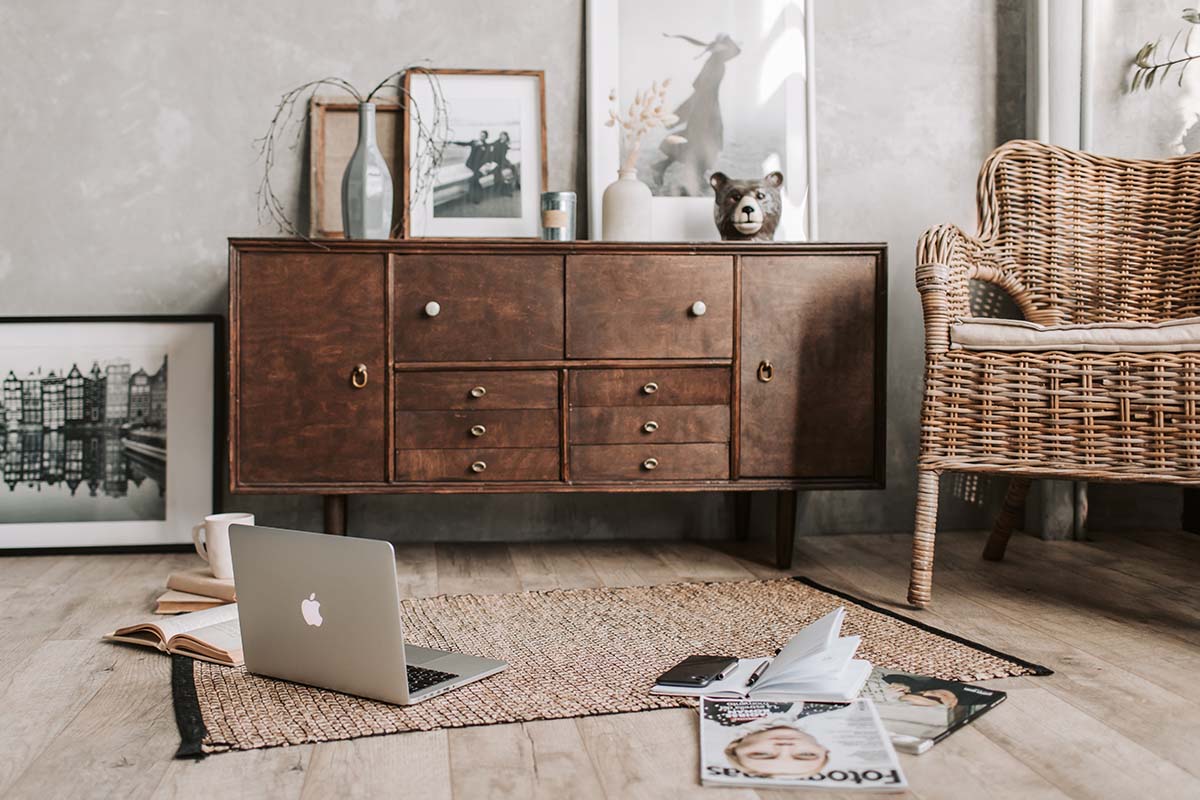
Vertical storage keeps essential items accessible while protecting limited floor space.
Consider:
- A pegboard above the desk for stationery and small supplies;
- Floating shelves for books and lightweight décor;
- Wall-mounted reading lights instead of bedside lamps;
- Hooks behind the door for bags, robes, or frequently worn clothing;
- An over-the-door organiser for shoes and accessories;
Avoid filling every wall because visual clutter can make the bedroom feel smaller.
Install shelves with fixings suited to the wall material, follow the stated weight limit, and check rental rules before drilling.
Add Colour With Intention
Colour does not automatically make a room appear larger, but a consistent palette can make it feel more balanced and inviting.
Choose one main neutral, one supporting colour, and one accent.
Muted greens, blues, or warm earth tones can create a restful atmosphere, while yellow or orange accessories add energy without dominating the room.
Test paint samples on different walls and observe them throughout the day.
Dark colours can work beautifully in a small bedroom, but they usually require thoughtful lighting and a restrained selection of furnishings.
Conclusion: Create Space for the Life You Want
A thoughtfully designed bedroom changes more than the room.
It can change how you feel and function within it.
When everything has a purpose and a place, you may experience:
- A quieter mind: Fewer visible distractions can make it easier to relax at night.
- More control: An organised room gives you one dependable place where life feels manageable.
- Better mornings: Finding clothes and essentials quickly helps you begin the day with less frustration.
- Deeper rest: A dark, comfortable, uncluttered environment supports a more consistent bedtime routine.
- More confidence: Caring for your surroundings can strengthen the feeling that you are caring for yourself.
- Greater freedom: Owning fewer unnecessary items means less cleaning, organising, and maintaining.
- Financial relief: Planning carefully reduces impulsive purchases that do not fit or solve a real problem.
- A sense of belonging: Personal colours, meaningful objects, and comforting textures make the bedroom feel truly yours.
Start with one corner rather than waiting for enough time or money to redesign everything.
Each thoughtful improvement creates a little more calm, ease, and breathing room.
The real goal is not to make a small bedroom look larger.
It is to create a space that helps you feel rested, grounded, and ready for the life waiting beyond its walls.