
Content Marketing Tools You Need to Know in 2027
✨Summery
Content marketing tools help businesses grow by improving SEO, increasing conversions, and showing what content drives engagement, leads, and sales.
By 2027, content marketing is no longer about publishing more, it’s about creating content that stands out, ranks, and gets recognized by both users and AI-driven search engines like Google SGE and Perplexity.
To do that, you need more than just writing skills. You need the right tools to research, optimize, and build content that delivers real results, from visibility to conversions, which is why more marketers rely on trusted online tools reviews.
In this guide, you’ll discover eight content marketing tools that help you create high-quality, optimized content, improve your strategy, and stay competitive in an AI-driven landscape.
Let’s get started.
Content Marketing Tools: WordPress
The foundation of strong content marketing starts with the right platform, and for most businesses, that’s WordPress.
It gives you flexibility, control, and access to a wide range of tools that help you create, manage, and optimize your content effectively.
To get the most out of WordPress, you need a reliable hosting provider with features built specifically for performance and stability.
If your content strategy is focused on blogging, a basic shared hosting plans can work for smaller or local businesses.
However, if you want a smoother, more reliable experience as your traffic grows and want to get the full WordPress benefits for SEO, it’s worth choosing a plan that includes:
- high bandwidth and scalable storage;
- WordPress optimization or acceleration features;
- a guaranteed uptime of at least 99.9%;
That said, hosting alone doesn’t guarantee speed or performance.
To keep your website fast and responsive, you should also integrate:
- a Content Delivery Network (CDN;)
- caching solutions;
- image and performance optimization tools;
For ongoing improvements, tools like Google PageSpeed Insights help you identify what’s slowing your site down and how to fix it.
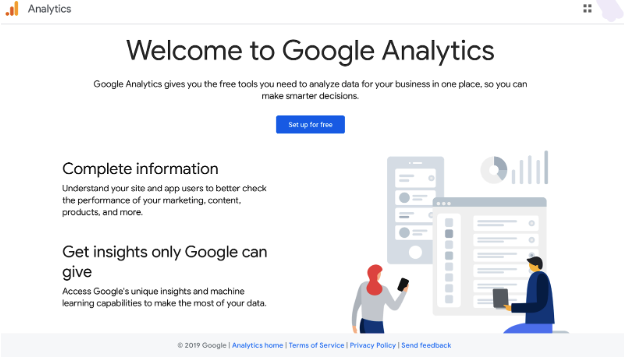
Google Tools
Notion AI
Notion AI is one of the best tools for editorial planning and centralizing your content hub.
It helps marketers keep content ideas, campaign notes, SEO research, publishing calendars, brand messaging, and drafts in one organized place.
Instead of jumping between documents, spreadsheets, and scattered notes, your team can manage the full content workflow inside one system.
For marketing, this is especially useful when you need to:
- plan a monthly blog and social media calendar;
- store keyword research next to article briefs;
- organize lead magnet ideas, email sequences, and landing page drafts;
- keep campaign messaging aligned across blogs, ads, and social posts;
- turn meeting notes or research into content outlines faster.
For example, a content team can use Notion AI to turn rough notes from a strategy meeting into a blog outline, summarize competitor research into key takeaways, or draft a first version of a content brief for writers.
It is especially valuable for businesses that want a clearer editorial process, stronger team alignment, and a central place where content strategy and execution stay connected.
HubSpot

HubSpot is one of the most valuable tools for content marketing because it helps you create, manage, and optimize content while connecting it directly to leads and conversions.
Its main strength is that it does not treat content as something separate from marketing. It helps you build content that attracts the right audience, guides them through the funnel, and turns attention into action.
HubSpot includes tools for:
- blogging;
- search engine optimization;
- landing pages;
- social media;
- marketing automation;
- lead management;
- email marketing;
- analytics;
- calls to action.
For marketers, this is useful because everything works together in one system.
For example, you can publish a blog post, connect it to a lead magnet, send new subscribers into an automated email sequence, and then track which content piece actually brought in the lead or sale.
It is also useful for:
- building landing pages for campaigns without needing a developer;
- creating email nurture flows after someone downloads a guide;
- tracking which blog posts generate the most leads;
- managing calls to action across your website;
- personalizing content experiences for different audience segments.
HubSpot is especially effective for businesses that want to save time, keep marketing organized, and create a smoother path from content to conversion.
Jasper
Jasper is one of the strongest AI brand voice tools for content teams that want consistency across everything they publish.
Its biggest value is helping your team keep the same tone, messaging, and style across blogs, emails, ads, landing pages, and social media content, even when multiple people are writing.
For marketing, this is especially useful when you need to:
- keep your brand voice consistent across campaigns;
- scale content production without sounding inconsistent;
- create first drafts for blogs, emails, or ads faster;
- adapt one message into different formats for different channels;
- make sure freelancers or team members follow the same tone;
For example, a marketing team can use Jasper to turn one campaign idea into:
- a blog intro;
- an email sequence;
- social captions;
- ad copy;
- a landing page section.
All while keeping the same voice and message.
It is especially helpful for brands that publish often and want faster production without losing the personality that makes their content recognizable.
Ahrefs
Ahrefs is one of the best tools for backlink analysis and finding content gaps in competitor websites.
Its biggest value for marketers is showing not only what competitors rank for, but also where your site is missing opportunities.
This helps you create content with clearer SEO purpose instead of guessing what to write next.
For marketing, Ahrefs is especially useful when you need to:
- find keyword gaps between your site and competitors;
- discover which articles bring traffic to other brands in your niche;
- analyze backlinks and see who is giving competitors authority;
- identify low-competition topics worth targeting;
- update older content based on current ranking data;
For example, you can use Ahrefs’ Content Gap tool to compare your site with three competitors and quickly spot topics they rank for that you haven’t covered yet.
You can also use backlink reports to see which articles naturally attract links, then create something stronger or more up to date.
It is especially valuable for businesses that want to build authority, plan smarter content, and find real opportunities to rank instead of publishing blindly.
Canva Magic Studio
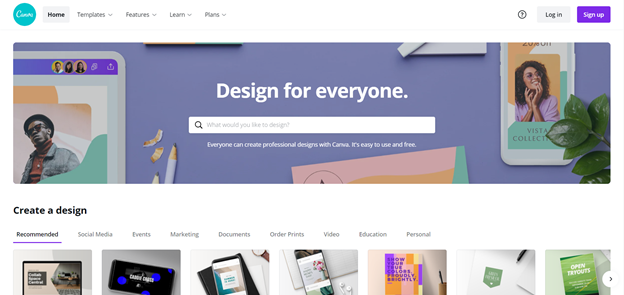
Canva Magic Studio is essential for visual SEO and creating high-authority infographics that make content easier to understand and more likely to be shared.
Canva is known for being easy to use and highly versatile.
It offers a wide range of ready-made templates and sizes for different types of content, including social media posts, flyers, posters, cards, website visuals, presentations, and infographics.
What makes it especially useful for marketers is that it helps turn ideas, blog sections, stats, and comparisons into visuals quickly, without needing a professional designer.
For marketing, Canva Magic Studio is especially useful when you need to:
- create branded blog graphics and Pinterest-style visuals;
- design infographics that increase dwell time and backlinks;
- turn article takeaways into carousel posts for social media;
- build lead magnet covers, PDF guides, and presentation slides;
- quickly resize one design for multiple platforms;
Its drag-and-drop editor and customization tools make it simple to create polished visuals fast, and your designs are automatically saved and accessible from anywhere through your Canva account.
Canva also makes it easy to upload brand assets like logos without losing quality, which helps teams keep their visuals consistent across all channels.
For businesses that want stronger visual content without slowing down production, Canva is one of the most practical tools available.
Grammarly Business
Grammarly Business goes far beyond spelling and grammar.
For 2027 teams, it helps govern style, tone, and consistency across all written communication.
Its value for marketers is that it keeps content polished and aligned, especially when multiple people are writing for the same brand.
Instead of every email, blog post, landing page, or ad sounding slightly different, Grammarly Business helps teams stay clear, professional, and on-brand.
For marketing, this is especially useful when you need to:
- keep tone consistent across writers and departments;
- improve clarity in blogs, emails, sales copy, and internal briefs;
- reduce editing time before publishing;
- catch tone issues that feel too formal, too casual, or off-brand;
- support brand style rules across large content teams;
For example, a marketing team can use Grammarly Business to make sure a blog post, nurture email, and landing page all sound like they came from the same brand, even if different people wrote them.
It is especially helpful for businesses that want stronger quality control, faster editing, and more consistent messaging as content production grows.
Content Marketing Tools: Conclusion
These content marketing tools matter because they help businesses grow with more clarity and less wasted effort.
They do not just help you produce more content.
They help you create the kind of content that brings in the right audience, improves conversions, and gives you a better understanding of what your market actually responds to.
With the right tools, you can:
- grow your business with a more organized content system;
- increase conversions by improving pages, calls to action, and user flow;
- understand your market through keyword data, competitor insights, and search trends;
- create stronger blogs, landing pages, emails, social posts, and lead magnets;
- measure which content brings traffic, leads, and revenue.
You can also improve performance further by using heat maps.
Heat maps show how people actually interact with your pages, where they click, how far they scroll, and which parts they ignore.
This helps you understand what holds attention, what creates friction, and what needs to be improved to get more engagement and action.
When used together, these tools help you make smarter content decisions, connect with your audience more effectively, and build a marketing strategy that supports real business growth.