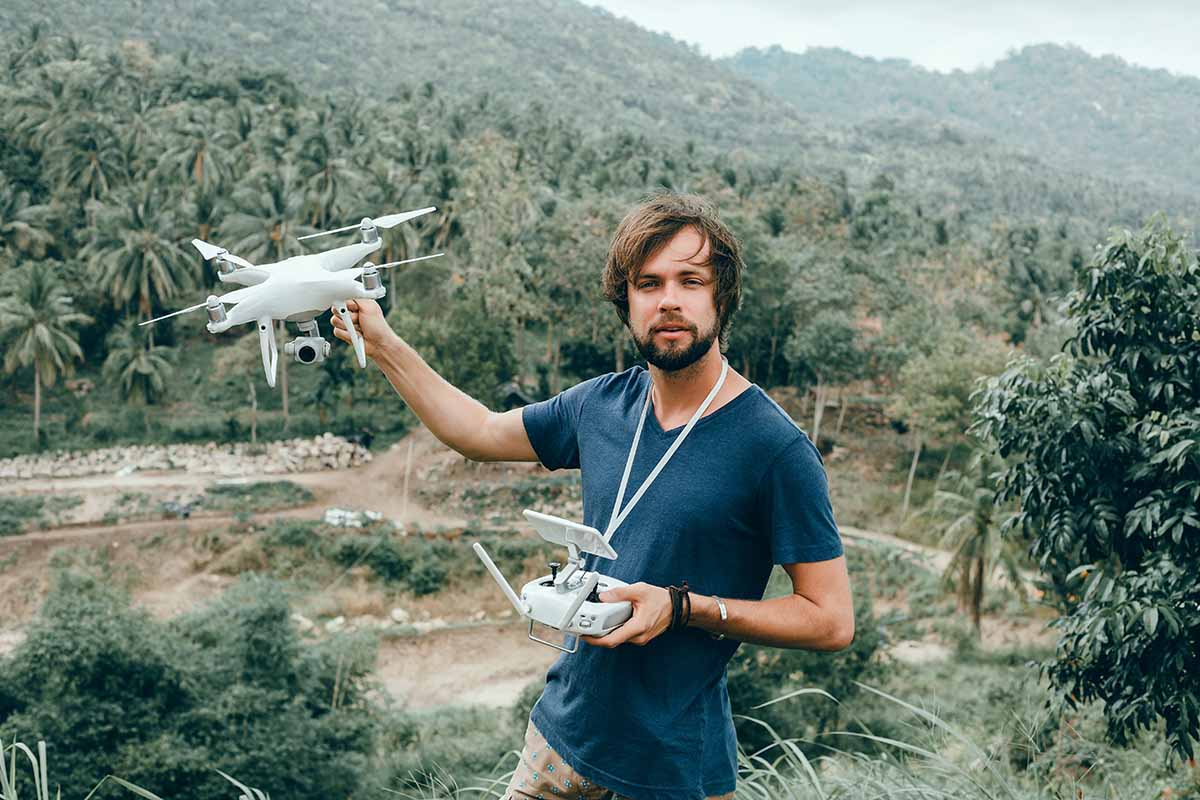
Buying Your First Drone? 3 Things to Know Before Takeoff
✨Key Takeaways
- Choose your first drone according to its intended purpose, flying environment, camera requirements, and your actual experience level.
- Check FAA drone regulations, TRUST requirements, registration, Remote ID, and local flight restrictions before purchasing.
- Calculate the complete cost of drone ownership, including batteries, accessories, software, repairs, training, and insurance.
Buying your first drone is exciting, but choosing the wrong model can leave you with limited flight locations, unexpected legal requirements, or equipment that cannot produce the photos and videos you imagined.
The drone industry is now a mature commercial market.
According to the FAA’s 2026 forecast, approximately 424,000 commercial drones were actively registered in the United States at the end of 2025, with more than 126,000 newly registered during that year.
Before comparing cameras and flight times, consider three practical questions:
- Why do you want a drone? A lightweight travel drone, racing drone, professional mapping system, and cinematic camera drone serve very different purposes.
- Where can you legally fly it? Every U.S. recreational pilot must pass the free TRUST safety test. Drones weighing more than 0.55 pounds, or 250 grams, generally require FAA registration, while registered drones must comply with Remote ID rules.
- What will ownership really cost? Budget for spare batteries, memory cards, propellers, charging equipment, carrying cases, repairs, software, registration, and possibly insurance or professional training.
Your intended use also determines which regulations apply. Taking vacation photos for yourself is recreational. Using drone footage to market a property, inspect a roof, promote a business, or support a nonprofit survey may fall under FAA Part 107 rules, even if no money changes hands.
For example, a sub-250-gram drone may suit a traveler who values portability and simpler recreational registration requirements.
A real-estate photographer may need stronger wind resistance, higher image quality, an FAA Remote Pilot Certificate, and commercial insurance.
Understanding these fundamentals will help you choose a drone that matches your skills, budget, and intended use, not simply the model with the most impressive specification sheet.
Not All Drones Are Created Equal
So you want to buy a drone. To find the right one for you, you should ask yourself what you want to use it for?
Different types of drones excel in different areas, so you should be sure to carefully check the specs of any model you’re considering to see if it’s fit for its purpose.
Some drones are faster, and some have better cameras; some can fly particularly long ranges.
But, again, knowing what your needs are will enable you to make the right choice. For further insight, check out this buying guide for DJI drones.
Start With an Affordable, Beginner-Friendly Drone
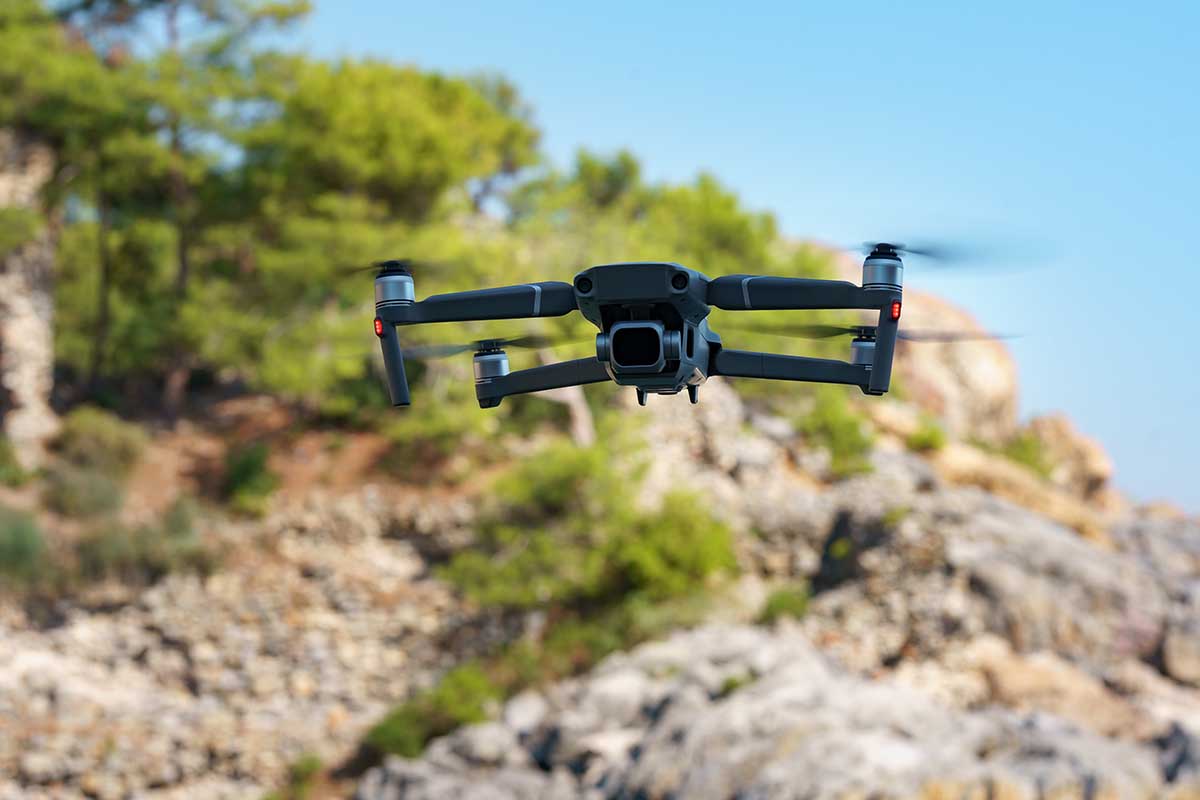
If you have never flown a drone, begin with an affordable model designed for new pilots rather than immediately buying professional equipment.
A beginner-friendly drone is a smarter first purchase because:
- You may discover that drone flying is not a hobby you want to pursue long term.
- Beginners are more likely to experience hard landings, broken propellers, or minor crashes.
- Replacement batteries, propellers, and repair parts are usually easier to find for popular entry-level models.
- You can learn basic flight control without worrying about damaging an expensive camera system.
However, avoid choosing the cheapest drone solely based on price.
Look for useful safety features such as GPS positioning, automatic return-to-home, stable hovering, propeller guards, beginner flight modes, and clear low-battery warnings.
Before your first outdoor flight, practice in an open area away from people, trees, buildings, and power lines.
A flight simulator can also help you learn the controls without risking the aircraft.
Your first drone should give you confidence and teach you safe flying habits.
Once you understand what features matter to you, you can upgrade without paying for professional capabilities you may never use.
Learn the Drone Laws Before You Fly
Every new pilot must understand the applicable drone rules and regulations before takeoff. In the United States, requirements depend on the drone’s weight, where it is flown, and whether the flight is purely recreational or connected to work.
Important FAA drone regulations include:
- Recreational pilots must complete the free TRUST safety test and carry proof of completion.
- Recreational drones weighing more than 0.55 pounds, or 250 grams, must be registered with the FAA.
- Drones requiring registration must generally comply with Remote ID requirements.
- Pilots must normally keep the drone within visual line of sight.
- Flights are generally limited to 400 feet above ground level.
- Controlled airspace may require authorization through LAANC or FAA DroneZone.
- Temporary flight restrictions may apply near wildfires, emergencies, airports, military sites, and major public events.
Do not assume a flight is recreational simply because you are not being paid. Using a drone to photograph a property for sale, inspect a roof, promote a business, or support an organization may require an FAA Part 107 Remote Pilot Certificate.
For example, flying a lightweight drone during a personal vacation may qualify as recreation.
Recording footage for a hotel’s social media account is a commercial purpose and follows different requirements.
Check federal, state, local, tribal, and property-specific restrictions before every flight.
The FAA’s B4UFLY resources can help identify controlled airspace and other flight limitations.
Buy a First Drone That Helps You Explore With Confidence
Buying your first drone is not simply about choosing the newest model or the best camera.
It is about finding equipment that matches your goals, budget, experience, and the places where you can legally fly.
Before purchasing, confirm that:
- The drone suits the photography, travel, racing, or commercial work you want to pursue.
- You understand the relevant FAA drone regulations and local restrictions.
- Replacement batteries, propellers, and repair services are available.
- The complete cost of drone ownership fits your budget.
- Beginner safety features will support you while learning.
The right beginner drone can open a completely new perspective on familiar places.
It can help you document travels, explore landscapes, develop photography and editing skills, or eventually build a professional service.
You do not need the most expensive equipment to begin.
Start with a drone you can operate confidently, practice responsibly, and upgrade only when your experience reveals what you genuinely need.
A thoughtful first purchase gives you more than impressive footage, it provides the freedom to explore and create without turning every flight into a financial or legal worry.