Students Should Revise These Ways To Save Money Learning To Drive
✨Key Points
- Professional lessons aren’t the only practice that matters. Where state rules allow, combining professional instruction with supervised practice can help students build experience without paying for every hour behind the wheel.
- Passing sooner starts with preparation, not rushing. Studying the official driver handbook, practicing weak skills, and preparing properly for the DMV permit test can reduce the cost and frustration of unnecessary retests.
- Think beyond the cost of driving lessons. Permit and licensing fees, insurance, fuel, parking, and eventually maintaining a first car should all be part of a student’s budget.
For a college student, getting a driver’s license can solve a lot of problems. Suddenly, an internship 20 miles away becomes possible.
You don’t have to turn down a late shift because the last bus leaves too early. Going home for the weekend doesn’t require three connections and someone picking you up at the other end.
But there is another problem: learning to drive costs money at exactly the stage of life when money is usually tightest.
There are professional lessons, permit and test fees, fuel for practice, and eventually insurance and the cost of a car itself.
College Board’s 2026–27 student-expense model estimates that transportation alone represents about 11% of living expenses.
And passing the test doesn’t make those costs disappear.
AAA estimates that owning and operating a new vehicle averages $11,577 per year—about $965 a month—when depreciation, financing, fuel, insurance, registration, maintenance, repairs, and tires are included.
That’s enough to make a student wonder:
Should I postpone learning to drive until I can actually afford all of this?
Not necessarily.
The smarter approach is to separate learning to drive from the idea that you immediately need to buy and finance a new car. You can look for ways to reduce the cost of becoming a safe, confident driver first:
- Use paid driving lessons strategically rather than assuming every practice hour needs to be with an instructor.
- Get supervised practice with an eligible adult when your state’s rules allow it.
- Prepare properly for your permit and driving tests so you’re not repeatedly paying for avoidable mistakes.
- Compare lesson packages by what they include, not simply the headline price.
- Ask about student, package, or off-peak discounts.
- Build driving experience before taking on the much larger financial commitment of car ownership.
There is also one place where saving money shouldn’t become the priority: safety.
Novice and teen drivers remain disproportionately represented in crashes and fatalities, according to the AAA Foundation for Traffic Safety.
Cutting unnecessary costs is smart; cutting the practice you genuinely need to drive safely isn’t.
The goal is therefore not to learn to drive as cheaply as humanly possible.
It’s to stop paying for things that don’t improve your skills while putting your limited budget toward the practice that actually does.
Choose the right driving school
While they largely cover the same learning points, different driving schools have incredibly varied pricing structures, meaning that you’re going to want to shop around to find the best deal.
While you will still need some cash to cover this, it’s a step that can make a huge difference to how quickly, and how often, you’re able to afford lessons.
Obviously, this isn’t to say that you should jump into the cheapest possible option if it doesn’t look like a good fit.
However, taking the time to find a well-rated, affordable driving school is more than worth your while.
In fact, this could be the difference between having to save for your entire college career before this goal is possible, or achieving your first lessons within a few months of setting your sights on the right option for you.
Save for a Package of Driving Lessons
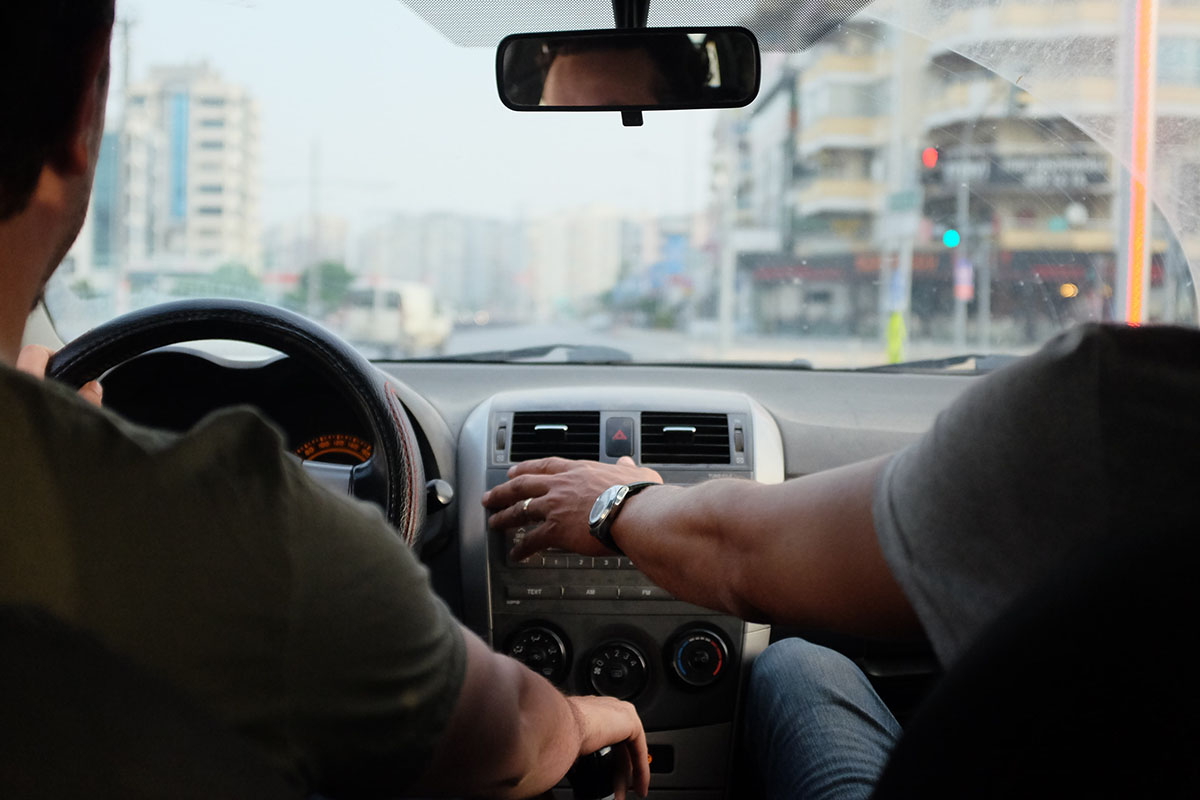
Pay-as-you-go lessons can feel easier on a student budget, but they aren’t always the cheapest option long term.
Some driving schools offer discounted packages when several lessons are purchased together.
Before booking, compare:
- The cost per lesson individually versus as a package.
- Whether packages include a practice or driving test.
- Expiration dates, cancellation policies, and refund terms.
- Whether you’re likely to use every lesson included.
If a package genuinely saves money, consider setting a small amount aside each week until you can afford it.
Just don’t assume “bulk” automatically means cheaper, calculate the actual cost per lesson before paying upfront.
Take Free Learning Opportunities Where You Can Find Them
Professional lessons are important, but you don’t necessarily need to pay an instructor for every hour of practice.
Where local licensing rules allow, supervised driving with an eligible, experienced adult can help you reinforce what you’ve learned.
Choose someone who is:
- Calm and patient when you make mistakes.
- Legally eligible to supervise a learner driver.
- Comfortable practicing the specific skills you need.
- Willing to reinforce safe habits rather than teach shortcuts.
Use professional lessons for more difficult skills and structured feedback, then use supervised practice to build repetition and confidence.
Intensive driving courses may also suit students who prefer concentrated professional training, although they aren’t automatically cheaper or the right approach for every learner.
The goal isn’t to rush your test, it’s to make every paid lesson more valuable by practicing what you’ve learned between sessions.
Save Your Test Until You’re Ready
While students rarely forget to budget for driving lessons, the cost of permit and driving tests, possible retests, and additional lessons can be easier to overlook.
And when you’ve already spent months learning, it’s understandable to want the freedom of a license as quickly as possible.
But booking your test before you’re ready can become a false economy: fail, and you may be paying for another test, more lessons, and additional practice.
Before booking, ask yourself whether you can confidently:
- Navigate busy intersections and understand right-of-way.
- Merge, change lanes, and use mirrors and blind-spot checks correctly.
- Park and reverse without constant instruction.
- Respond calmly when another driver does something unexpected.
- Adjust your driving to rain, poor visibility, and heavier traffic.
- Make safe decisions without your instructor prompting you.
Taking time to develop these skills doesn’t just improve your chances of passing.
It builds the judgment and safe driving habits you’ll need to prevent road accidents once you’re driving independently.
Don’t treat a particular number of practice hours as proof that you’re ready, either.
Supervised-driving requirements vary by state, and individual learners progress at different speeds.
One student may struggle with highway merging while another needs considerably more practice with parking or busy intersections.
If you’re still relying heavily on your instructor after completing the practice you originally budgeted for, saving for a little more targeted training may be the cheaper—and safer, choice.
The goal isn’t to take the test as soon as possible.
It’s to take it when you have a realistic chance of passing and, more importantly, are prepared for what happens when there’s no instructor sitting beside you.
Plan for the Cost of Your First Car
Money spent on driving lessons isn’t wasted if you don’t buy a car immediately after passing your test.
But if independent driving is your goal, it makes sense to start planning for car ownership before you get your license.
The purchase price is only the beginning.
A first-time driver should also budget for:
- Car insurance, which can be particularly expensive for young and inexperienced drivers.
- Registration, licensing, and applicable taxes or fees.
- Fuel or charging costs.
- Parking at home, work, or college.
- Routine maintenance, tires, and repairs.
- An emergency fund for unexpected car expenses.
Before buying, calculate what you can comfortably afford each month, rather than focusing only on the advertised price of a car.
Compare insurance quotes for the vehicles you’re considering and research likely fuel and maintenance costs before committing.
You can also reduce the initial financial pressure by:
- Saving for a larger down payment or an affordable used car.
- Sharing a family vehicle temporarily if that’s an option.
- Asking family whether they can help with supervised driving practice.
- Waiting a few months after passing rather than rushing into an expensive loan.
And remember, getting your license isn’t the end of learning.
Driving safely after passing your test means gradually building experience with highways, unfamiliar roads, bad weather, parking, and heavier traffic.
Some of the best ways to avoid accidents are also surprisingly simple: keep distractions away, maintain a safe following distance, anticipate other drivers’ mistakes, look after your vehicle, and never let confidence turn into complacency.
Learning to drive isn’t cheap, but it can open up work, education, travel, and independence that weren’t practical before.
The goal isn’t simply to find the cheapest route to a license. It’s to become a safe driver and make sure you can afford the freedom that comes afterward.