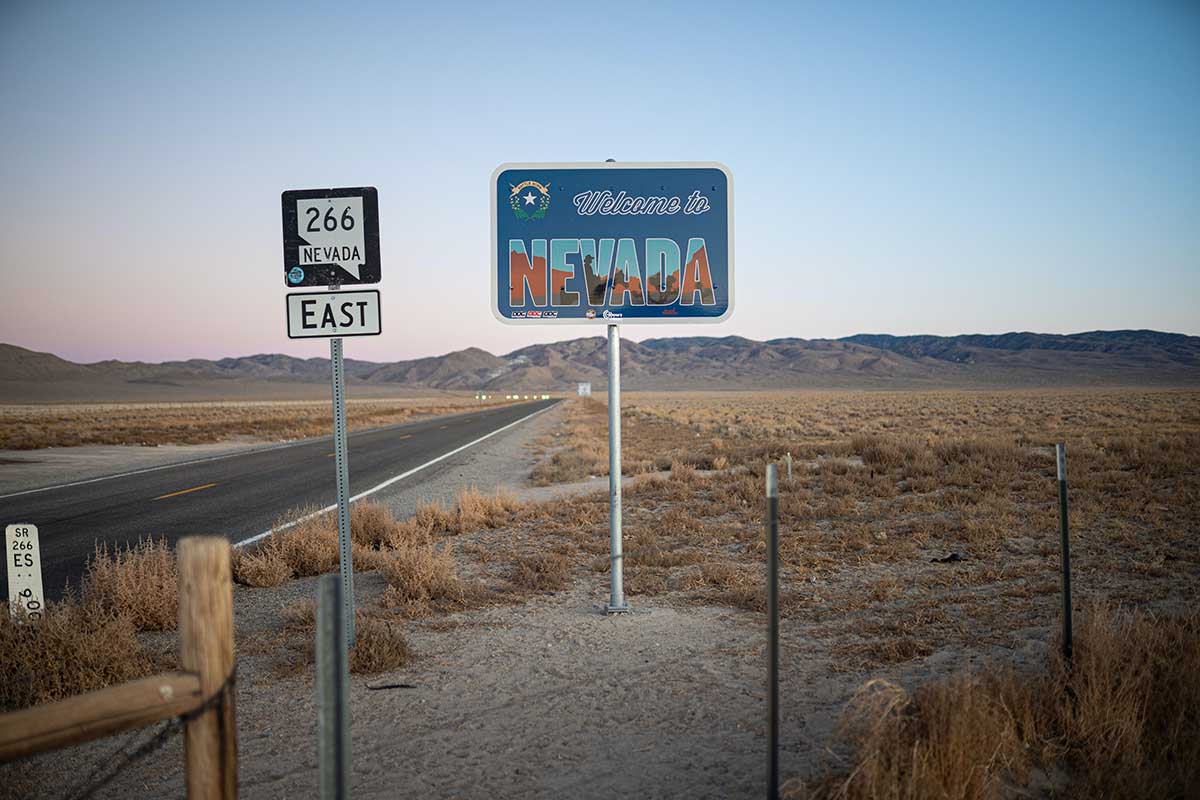
Driving Laws in Nevada That You Need to Know About
✨ Key Points
- Nevada driving laws apply whether you’re a resident, new driver, or visitor. Don’t assume the rules you follow in another state are identical.
- Speed limits, right-of-way, seat belts, phones, impaired driving, and road conditions are among the practical rules and risks drivers should understand.
- Knowing the law is only part of road safety. Defensive driving, preparation, and understanding local conditions are equally important, especially when driving somewhere unfamiliar.
Driving through Nevada can mean very different things depending on where you are.
One minute you’re dealing with busy Las Vegas traffic, pedestrians, and unfamiliar intersections; a few hours later, you could be traveling long distances on open desert highways.
That’s why understanding driving laws in Nevada matters whether you live in the state, are preparing for a DMV permit test, or are simply visiting.
Before getting behind the wheel, familiarize yourself with Nevada rules covering everyday situations such as:
- Speed limits and safe following distances;
- Seat belt and child-restraint requirements;
- Cell phone and distracted-driving laws;
- DUI and impaired-driving laws;
- Right-of-way and pedestrian rules;
- What to do after an accident or roadside emergency;
Knowing the law is also an important part of driving safely after passing your test.
Even experienced drivers can feel less confident when navigating unfamiliar roads, so learning local rules and following practical tips for road safety can help you make better decisions behind the wheel.
Whether you’re driving around Las Vegas or crossing Nevada on a road trip, preparation should begin before you start the engine.
Here’s what you should know about Nevada driving laws and staying safe on the state’s roads.
Seat Belts
Nevada’s rules regarding seat belts are very strict. According to car accident statistics in Nevada, males are more likely to drive without seatbelts. Unfortunately, car accidents are not discriminatory.
Both men and women are killed in them, but as men are less likely to wear a seatbelt, it should come as no surprise that they account for most fatalities.
In Nevada, children six years old and younger must be fastened in with an approved child restraint system.
Adults, front and rear, must wear their seatbelts at all times.
Children

Children who are younger than seven years old must never be left unattended in a vehicle if there is a risk to their health unless they are supervised by a person who is at least 12 years old.
It is also illegal to leave a cat or dog unattended in vehicles in dangerous conditions, or when the weather is either extremely hot or cold.
Emergency service personnel are legally allowed to breach your car to rescue a child or your pet if it appears to be unsupervised in dangerous conditions.
Driving Laws in Nevada: Cell Phone Usage
One of the easiest ways to become a better driver is also one of the simplest: put your phone away when you’re behind the wheel.
Under Nevada law, drivers are generally prohibited from manually using a handheld wireless device to write, send, or read text-based communications while driving.
Using a handheld device for voice communication is also generally restricted, although hands-free use and certain exceptions may apply.
The risks go beyond getting a ticket.
Texting and driving and the legal complications that you may face can include fines and other consequences depending on the circumstances and whether there are repeat violations.
More importantly, looking at a screen takes your attention away from changing traffic conditions, pedestrians, cyclists, and other vehicles.
Nevada law provides certain exceptions, including situations involving:
- Reporting an emergency, crime, or serious safety hazard.
- Certain authorized emergency and public-safety personnel performing official duties.
- Some communications specifically permitted under state law.
Because laws and penalties can change, check the current Nevada DMV handbook and state law rather than relying on an old fine amount before driving in the state.
Ultimately, one of the most practical ways to prevent road accidents is to remove unnecessary distractions before they happen.
Set your navigation and music before moving, use hands-free features when legally permitted, and if something genuinely requires your attention, pull over somewhere safe before using your phone.
Move-Over Laws

Nevada’s move-over rules are easier to understand when you separate what to do after your own crash from what to do when approaching an emergency or disabled vehicle.
If you’re involved in a crash that causes only property damage, your vehicle is obstructing traffic, and it can be moved safely, Nevada requires you to move it to a location where it won’t obstruct traffic and then return to the scene.
Crashes involving an injury or at least $750 in property damage must be reported to the Nevada DMV.
If law enforcement does not investigate the crash, the involved parties generally need to submit an SR-1 report within 10 days.
Emergency Vehicles
When approaching a stopped emergency vehicle, traffic incident, or certain other vehicles displaying warning lights in Nevada, drivers should:
- Reduce their speed to a reasonable speed below the posted limit.
- Proceed cautiously and be prepared to stop.
- Move into a non-adjacent lane when possible and safe.
- Pay attention to people working near the roadway rather than focusing only on the stopped vehicle.
Nevada’s rules extend beyond police cars and ambulances.
They can also apply around tow trucks, certain transportation vehicles, stalled vehicles, and vehicles undergoing roadside repairs.
Slow-Moving Traffic
On certain Nevada highways, don’t unnecessarily remain in the far-left lane when you’re traveling below the normal flow of traffic and another vehicle is trying to pass.
For a beginner driver, the practical lesson is simple: don’t treat the left lane as your default cruising lane when faster traffic needs to pass.
At the same time, never exceed a safe or legal speed simply because another driver is pressuring you from behind.
Driving Laws in Nevada: Motorcycles and Mopeds
Motorcycles are entitled to use a complete traffic lane in Nevada.
Because motorcycles are smaller and can be more difficult to see or judge from a distance, drivers should give riders adequate space and pay particular attention before changing lanes or turning.
A few Nevada rules are especially useful to remember:
- Motorcycle operators and passengers are generally required to wear DOT-compliant helmets.
- Motorcycles have the right to use a full traffic lane.
- Mopeds must also be given a complete lane rather than being passed within the same lane.
- Mopeds generally travel in the extreme right-hand lane, with exceptions such as preparing for a left turn or when doing so would be unsafe.
- Allow additional following distance when road or weather conditions make riding more difficult.
Your responsibility as another driver isn’t to police motorcyclists.
It’s to share the road safely, check blind spots carefully, and give smaller vehicles enough space.
Teen Driving Curfew
Nevada also places additional restrictions on young drivers.
Drivers under 18 generally cannot drive between 10 p.m. and 5 a.m., with exceptions for travel connected with activities such as school or work.
Local jurisdictions may have additional curfew rules, so young drivers and their parents should check both state requirements and applicable local regulations.
Nevada traffic laws cover far more situations than we can include in one guide.
Whether you’re a new resident, preparing for your permit, or simply driving through Nevada on vacation, check the current Nevada DMV Driver Handbook before getting behind the wheel.
Knowing the rules isn’t only about avoiding a ticket.
It’s about recognizing potentially dangerous situations early enough to make a safer decision.