
How Much Does a Vet Visit Cost in 2027? What Pet Owners Should Budget For
✨ Key Points
- The exam fee is only the starting point. Your total vet visit cost can increase when the appointment includes bloodwork, X-rays, medications, vaccines, diagnostic testing, or other treatment.
- Where and when you seek care matters. Routine appointments generally cost less than emergency or after-hours care, while veterinary prices can also vary significantly by location, clinic, and the type of care your pet needs.
- Planning before your pet gets sick gives you more options. Knowing typical veterinary costs, requesting estimates, understanding pet insurance, and keeping money available for unexpected care can make an urgent health decision less financially overwhelming.
Your cat hasn’t eaten since yesterday. Your dog suddenly starts limping.
You find a lump that definitely wasn’t there before.
The question “How much does a vet visit cost?” stops being casual research very quickly when you are trying to decide whether your pet needs to be seen today.
The confusing part is that there is rarely one simple “vet visit price.”
The examination fee may only be the starting point. Depending on what your veterinarian finds, the final bill can also include:
- bloodwork or laboratory testing
- X-rays, ultrasound, or other imaging
- medications and injections
- vaccines or preventive treatments
- emergency or after-hours fees
- specialist care, procedures, or surgery
Here in the Seattle area, where many everyday services already come with higher costs, knowing the exam fee alone isn’t particularly helpful. What pet owners really need to know is what the entire visit could involve and which costs they can ask about before approving additional care.
If you’re calling a veterinary clinic, ask three questions upfront: What is the exam fee? What tests are commonly recommended for this type of problem? Can you provide an estimate before additional diagnostics or treatment?
That small amount of preparation can make a stressful appointment easier.
This guide looks at the latest available veterinary pricing and what pet owners can reasonably expect heading into 2027, including routine exams, diagnostic tests, emergency vet visits, vaccinations, dental care, and other common expenses.
It also explains where costs can unexpectedly climb and how to prepare financially without delaying care your pet genuinely needs.
A Booming Industry
If veterinary care feels more expensive than it used to, pet owners are not imagining it.
Americans are spending more on veterinary services as pet ownership, medical capabilities, staffing costs, and demand for advanced care continue to reshape the industry.
For pet owners, the important takeaway is practical: vet visit costs are no longer just about the basic exam fee.
Diagnostics, medications, emergency care, dental treatment, and specialist services can substantially increase the final bill.
As you budget for 2027, it makes sense to plan for both routine care and the unexpected expenses that can come with illness or injury.
What Determines the Cost of a Vet Visit?

Before searching for a vet hospital near me, it helps to know that there is no single standard price for veterinary care. Your final vet visit cost can vary considerably depending on:
- whether you need a routine, urgent, or emergency appointment
- your pet’s species, age, and health
- where you live and the type of veterinary clinic you choose
- whether your pet needs bloodwork, imaging, medication, or other diagnostics
- whether specialized or exotic-animal care is required
A routine wellness exam is generally one of the least expensive visits, while dental procedures, diagnostic testing, emergency treatment, and specialist care can push the bill into the hundreds or even thousands of dollars.
Location matters too.
Pet owners in higher-cost areas such as Seattle may encounter different prices than owners in smaller cities or rural communities.
When booking, ask for the exam fee and an estimate for likely additional services so you have a more realistic idea of the total cost before treatment begins.
Different Visits, Different Costs
The reason for the appointment is usually one of the biggest factors behind your vet visit cost.
A healthy puppy coming in for vaccines has very different needs from a senior dog needing bloodwork or a cat arriving at an emergency hospital because it cannot urinate.
Costs can increase depending on the care involved:
- Puppies and kittens: initial exams, vaccinations, parasite prevention, and spay or neuter procedures can make the first year more expensive than a routine adult year.
- Healthy adult pets: annual wellness exams may include vaccines, parasite screening, preventive medications, and occasional laboratory testing.
- Senior pets: veterinarians may recommend bloodwork, urinalysis, imaging, or more frequent examinations to detect age-related problems earlier.
- Dental visits: the final cost can include anesthesia, bloodwork, X-rays, cleaning, and extractions rather than one simple “dental cleaning” fee.
- Emergency visits: an emergency exam is only the beginning if your pet also needs X-rays, laboratory tests, IV fluids, hospitalization, wound treatment, or surgery.
Geography matters as well.
Veterinary practices in higher-cost metropolitan areas such as Seattle or San Francisco may charge more than clinics in smaller cities or rural communities because operating costs, wages, and local market conditions differ.
The most useful question, therefore, isn’t simply “How much is a vet visit?” Ask what the quoted exam fee includes and request an estimate before additional diagnostics or treatment are performed.
That gives you a much clearer picture of what you may actually pay.
Saving Money
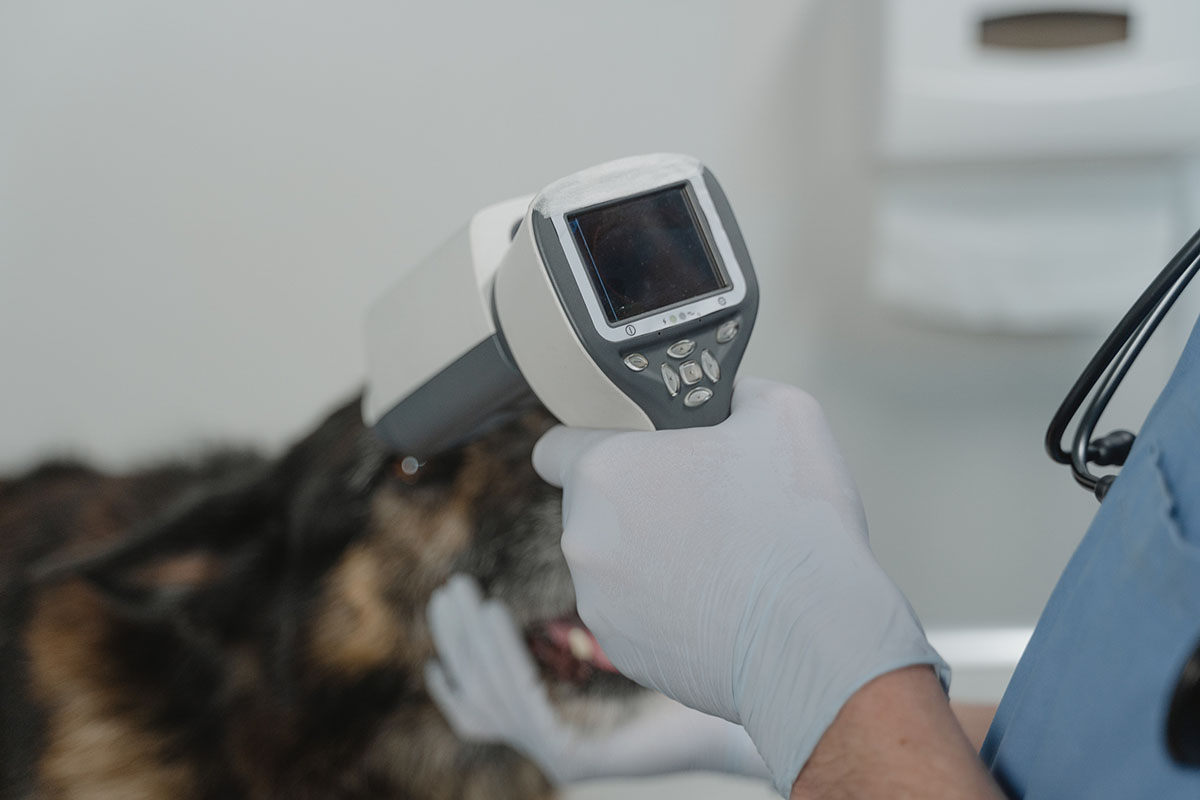
Even though pet care has been growing in cost for years and is subject to inflationary pressures like everything else, there are things you can do to try and manage your costs.
- Shop Around: If you have some idea what vet services you need, then you can call around and ask them about their prices. For 24/7 vets, see if weekdays are cheaper than evenings or weekends. Also, see about preferred pricing plans or financing options that they might have available.
- Pet Insurance: Pet insurance doesn’t work exactly like human health insurance, but it can certainly stabilize a lot of the costs in pet health care. Just make sure you look into wellness add-ons to be sure that routine vet visits are accounted for. Shopping around for pet insurance can pay off just as much as it does for car insurance. Your rates of reimbursement, deductibles, and annual coverage limit will all factor into how much your premiums are.
- Maintain Healthy Pets: If the whole point is keeping your pets healthy, then why not start there? Feed your dog or cat as well as you can, make sure they get enough water and have them exercise as much as possible. Be sure that someone in your family is socializing with your pets on a regular basis to keep up their emotional and mental health. It plays a huge role in their physical health.
- Keep Up With Your Vet: Skipping vet visits might save money now but could also mean missing out on illnesses and conditions that cost more later. Make sure you stick to your suggested vet schedule the best that you can.
Be Prepared
Preparing for veterinary expenses is easier when you think beyond the annual checkup.
In the U.S., routine veterinary expenses can add up to several hundred dollars per year, while an unexpected illness or emergency can quickly push a single bill above $1,000.
A practical yearly plan can include:
- Protect Your Pet From Pests: flea, tick, and heartworm prevention can add hundreds of dollars annually, depending on your pet’s size, medication, and local parasite risks.
- Dog Training Services: basic group training commonly costs around $100–$300 for a multi-week course, while private sessions can cost considerably more.
- Winter Season Illnesses in Your Pets: cold-weather injuries, respiratory problems, or worsening chronic conditions can mean an unplanned examination, medication, or emergency visit.
- Unexpected veterinary care: keeping $1,000–$2,000 or more accessible for veterinary emergencies can provide a useful starting cushion, although surgery or hospitalization can cost several thousand dollars.
Costs generally increase as pets age and require more diagnostics or ongoing treatment.
Rather than relying on one national average, build your budget around your pet’s age, species, lifestyle, preventive-care needs, and local veterinary prices.
In higher-cost markets such as Seattle, leaving additional room in that budget can be particularly useful.
How Much Does a Vet Visit Cost: Key Takeaways
Having a pet means accepting that veterinary care will be part of your household budget for years to come.
The challenge is that vet visit costs rarely stay predictable: a healthy adult pet may need little beyond preventive care one year and require diagnostics, dental treatment, or an emergency visit the next.
The smartest approach heading into 2027 is to prepare for both:
- predictable costs, including wellness exams, vaccines, parasite prevention, and routine screening
- life-stage changes, as senior pets may need more frequent exams, bloodwork, medications, or monitoring
- unexpected bills, which can reach $1,000 or more and climb considerably higher when hospitalization or surgery is involved
- your own financial flexibility, using dedicated savings, pet insurance, or a combination of both
The goal isn’t to predict every veterinary bill. It is to avoid having your pet become sick or injured at the same moment you realize there is no room in the budget to help them.
Planning ahead gives you something more valuable than knowing how much a vet visit costs: it gives you more options when your pet needs care and helps you protect a long, healthy life together without allowing every unexpected appointment to become a financial emergency.