
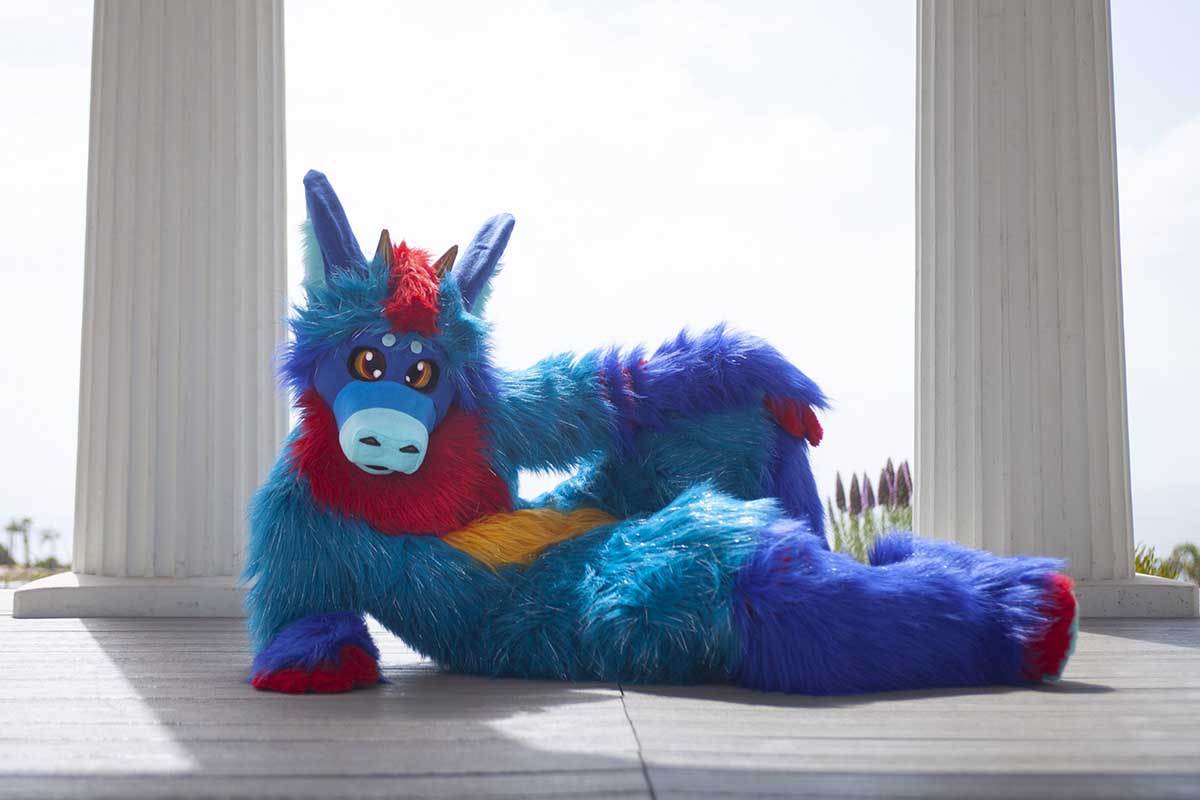
How Fursuit Makers Have Made A Hobby A Full-Time Job
✨ Key Points
- What is a fursuit? A custom animal costume that represents a person’s “fursona,” a personalized character used for identity, creativity, and self-expression.
- How fursuit makers make money: Artists design and build custom fursuits for the furry fandom, turning creative skills into a profitable niche business.
- From hobby to full-time job: Growing demand for custom fursuits has allowed some makers to transform their hobby into a full-time creative career.
What Is A Fursuit?
A fursuit is a custom-made animal costume created for members of the furry fandom, a community of people who enjoy anthropomorphic animal characters animals that have human traits like speaking, emotions, or walking upright.
These suits are usually designed to represent a person’s fursona, which is a personalized animal character that reflects their personality, creativity, or identity.
Unlike store-bought costumes, fursuits are typically handcrafted and highly customized.
Each suit is built around the owner’s character design, meaning colors, patterns, facial expressions, and accessories are unique to that individual.
For many people, wearing a fursuit allows them to express creativity, participate in conventions and community events, and bring their character to life in a physical way.
To better understand what makes a fursuit special:
Fursuit: A handmade animal costume representing a fictional character.
Fursona: A custom animal persona created by a member of the furry community.
Customization: Most fursuits are built by artists and costume makers and can take weeks or months to complete.
Community use: Fursuits are commonly worn at conventions, meetups, performances, and online content creation.
Creative expression: Many people use their fursona and fursuit as a form of storytelling, art, and personal identity.
Today, the demand for custom fursuits has grown significantly, with skilled makers turning costume design, sewing, and character art into a niche creative industry serving a global fandom.
What Are Furries?
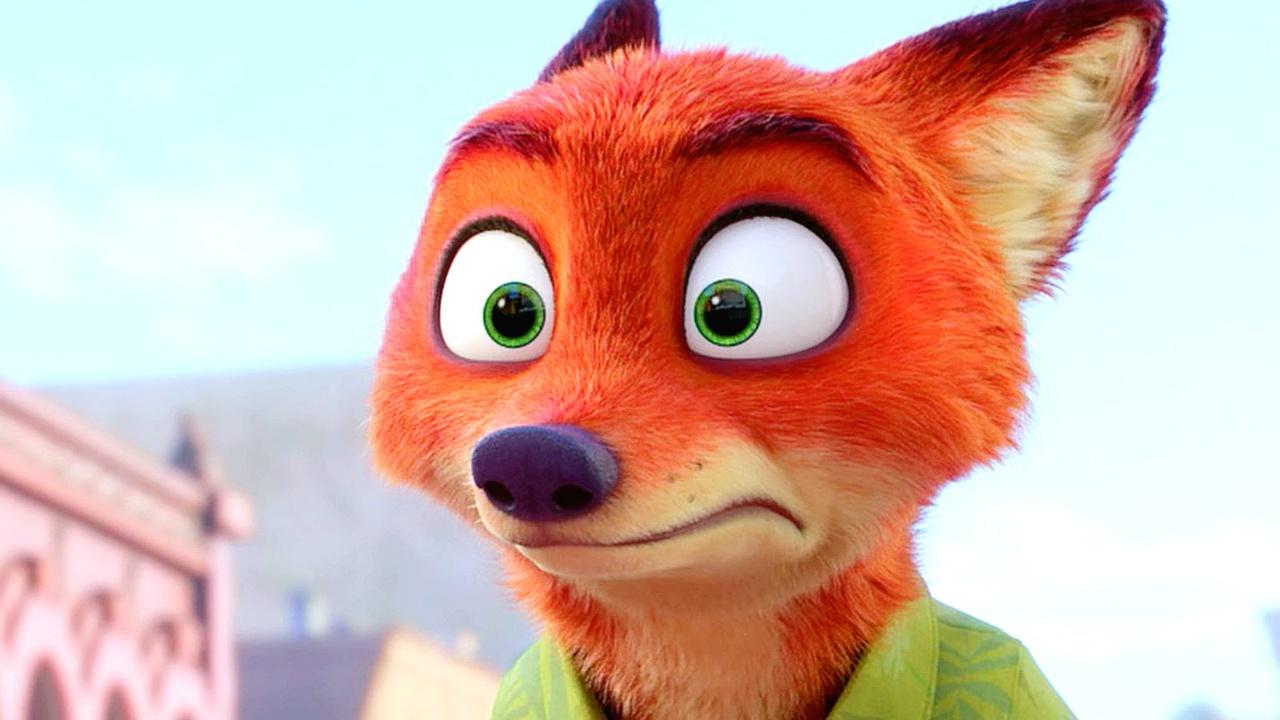
How Are Fursuit Makers Making Money?
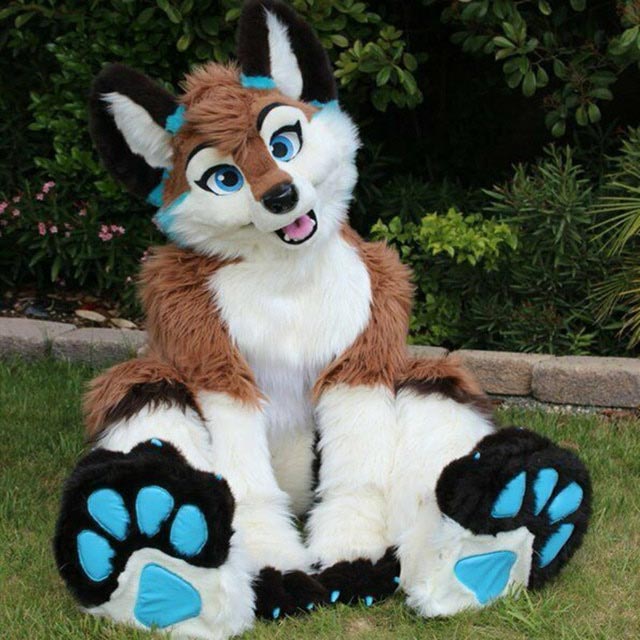
Okay, so we get it; these fursuit makers have a target audience in mind, but how do they do it?
What’s the secret? Well, there are actually a few methods they go about to make their money. So let’s skim through a few.
- The Dealer’s Den
While it isn’t the mainstream of income for fursuit makers, The Dealer’s Den offers a marketplace for fandom merchandise, but more often than not, this refers to fursuits. Because it’s not a commission-based service, the profit margins are a lot slimmer, but it’s an excellent place for fursuit makers to sell spare suits or parts of a suit that they’re never going to use.
- Lemonbrat
Some great money will be made for the fursuit makers that get in contact and end up working alongside them. If you don’t already know, Lemonbrat is likely the biggest fursuit commissioning service out there and has about 20,000 monthly users. Therefore, these guys are constantly getting commissions and will often have to push projects back to make time to finish others.
- Etsy
Quality fursuit makers are an extremely sought-after service. Many fursuit makers head to Etsy to independently advertise their services for those not fond of going to Lemonbrat.
Building A Site
This is likely one of the most effective strategies for fursuit makers looking to make good money for their work, but it is also the highest effort out of the four.
Building a site and ranking on Google for keywords like “fursuit for sale” or “buy a fursuit” can be a great way for fursuit makers to get exposure.
This also builds a much stronger customer-to-seller bond which is essential in a transaction that can sometimes last over a year.
How Much Money Does The Average Fursuit Maker Make?
So if they have so many facets of income, how much are these fursuit makers making?
A fursuit can cost upwards of $2000, which is cheaper; a fursuit maker can make more than $40 an hour.
The average American drives around $27 an hour, making about $78,000 a year.
How Are Fursuits Made?
With price tags like that, you’d think these suits are made of solid gold, but the answer is quite the opposite.
The materials used to make these suits, for the most part are relatively affordable and accessible.
The issue is the expertise required to put these suits together.
Most suits are predominantly made up of foam, faux fur, vinyl fabric, and stitchwork.
The foam is layered to act as the suit’s base, and the fur is then layered to create the case.
Are There Other Kinds Of Fursuits?
Fursuits don’t just stop at the bog-standard foam and fur, though.
These fursuit makers can get pretty creative with their designs.
For example, Protogen fursuits are fursuits for an almost bionic species of furries known as protons.
Quad-suits are designed for fursuiters who want a more realistic fursuit experience and wish to walk on all fours instead of just on their legs.
Unguligrade suits offer furry hooves instead of hands to resemble animals like horses or rhinos.