Why Is My Car Using So Much Gas? 5 Ways to Save in Seattle
✨ Key Points
- Spot what drains your tank: stop-and-go traffic, short trips, idling, and roof boxes can increase fuel use.
- Get more miles from each gallon: smoother acceleration and braking help reduce avoidable fuel waste.
- Lower your driving costs: combine errands and make small changes that save gas while reducing emissions.
Still waiting for gas to get cheaper? Your Seattle commute isn’t waiting with you.
Whatever the promises about lower prices, you still need to get to work, buy groceries, and find room in your budget for another fill-up.
Regular gas averaged about $5.01 per gallon in the Seattle–Bellevue–Everett area on November 16, 2026.
Although prices have dropped since last month, they remain above last year’s average.
At that price, a 15-gallon fill-up costs roughly $75.
And the way we get around can make that expensive tank disappear faster:
- Stop-and-go commutes on I-5: repeatedly accelerating and braking wastes fuel.
- Seattle’s steep hills: climbing requires more energy than driving on level roads.
- Short trips for separate errands: a cold engine has less time to reach its most efficient operating temperature.
- Waiting with the engine running: parked warm-ups and pickup lines burn gas without adding miles.
- Roof boxes left on after weekend trips: added air resistance reduces highway fuel efficiency.
Research shows those driving habits matter. The U.S. Department of Energy cites MIT analysis finding that speeding, rapid acceleration, and hard braking can reduce fuel economy by 10–40% in stop-and-go traffic and 15–30% at highway speeds.
That means fewer miles from every gallon you’ve already paid for.
You can’t control the price on the sign, but you can tackle avoidable fuel waste.
These five ways to make your car more eco-friendly will help you stretch your gas budget, get more miles between fill-ups, and reduce emissions along the way.
Save Gas by Planning Your Errands Around Trips You Already Make
When gas feels expensive, it’s easy to focus on finding a cheaper station.
But another useful question is: how many separate trips am I paying for each week?
A grocery run, a package drop-off, and a pharmacy pickup can each feel too small to matter.
Yet repeated short trips mean repeatedly warming up your engine, which uses fuel less efficiently while cold.
Try making your existing journeys do more:
- Pick up groceries on your way home instead of heading out again after dinner.
- Keep returns and packages ready by the door so you can drop them off along your route.
- Group errands by neighborhood, rather than driving across town for each one.
- Park once when stops are close together and walk between them where practical.
You still get everything done, but with fewer extra miles, cold starts, and searches for parking.
The benefit is more than saving gas: you reclaim some of the time your errands usually take from your evening.
Open Windows at Low Speeds
So, does opening car windows save gas? It can at lower speeds, when fresh air keeps you comfortable without using AC.
The science is simple: AC uses engine power, but open windows increase air resistance.
That resistance grows as you drive faster, making your engine work harder.
On mild neighborhood drives, open your windows.
On the highway, close them and use AC as needed, the approach recommended by the U.S. Department of Energy.
Stop Paying to Drive Your Storage Closet Around
Those donation bags have been in your trunk for weeks, alongside camping equipment from your last trip.
You may have stopped noticing them, but you’re still using fuel to carry them everywhere.
Give your trunk a quick reset:
- Drop off donations along an existing route, then take them off your weekly commute.
- Unload sports and camping gear when the trip is over.
- Keep work tools limited to what you need for that day.
- Leave essential safety supplies in place, including equipment suited to the season.
Extra weight makes your engine work harder. Removing unnecessary cargo can improve fuel efficiency, especially in smaller cars, a free change that also leaves you more room for the things you actually need.
Look Beyond the Pump Price

A cheaper fuel doesn’t always mean cheaper driving.
E85, for example, is only suitable for flex-fuel vehicles and typically delivers 15–27% fewer miles per gallon than gasoline.
Compare the cost per mile and check your owner’s manual before switching.
When it’s time to replace your car, comparing electric cars and petrol cars can help you weigh charging access, running costs, and your daily mileage.
According to the EPA, EVs typically produce fewer greenhouse gas emissions over their lifetime, even when manufacturing and electricity generation are included.
The practical goal is to choose an option that lowers emissions and fits your budget, not simply one labeled “alternative.”
Use a Waterless Car Wash for Quick Cleanups
Waterless car washing is a convenient alternative for lightly dirty cars, especially if you don’t have access to a hose or live somewhere with water restrictions.
It reduces water use, but whether it’s more eco-friendly also depends on the ingredients, packaging, and how you use it.
Chemical Guys is a brand I buy regularly.
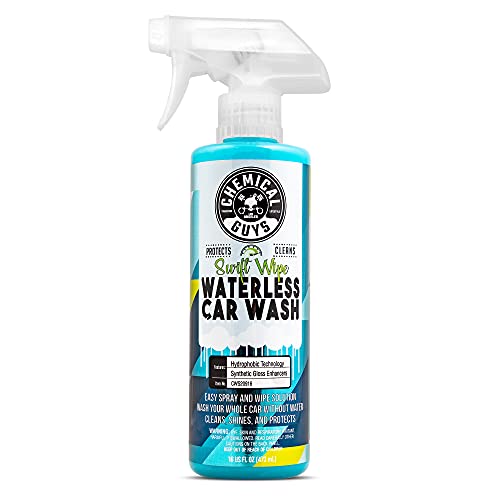
Spray and wipe to clean and shine paint, glass and wheels with no water, a slick gloss for quick washes anywhere
Its Swift Wipe Waterless Car Wash is one option for spray-and-wipe cleaning with microfiber towels.
Apply it to a cool surface in the shade, following the manufacturer’s directions.
Before trying it:
- Check the ingredients and safety information, rather than relying only on “green” claims.
- Use it for light dust and dirt, not heavy mud or gritty buildup.
- Keep several clean microfiber towels ready so you don’t drag dirt across the paint.
- Compare cost per wash and refill options if you plan to use it regularly.
For muddy Seattle winters, a commercial car wash that collects wastewater is a more practical choice.
Seattle Public Utilities recommends commercial washes to help prevent dirty, soapy runoff from reaching local waterways.
Maintain Your Car Before Small Problems Get Expensive
When gas already stretches your budget, maintenance can feel like another expense to postpone.
But catching a small problem early can help you avoid a bigger repair bill and keep your current car running efficiently.
Whether you visit a local repair shop or handle basic maintenance yourself, follow your vehicle’s service schedule and focus on these essentials:
- Check tire pressure: underinflated tires make your car work harder and wear out faster.
- Use the recommended engine oil: follow the manufacturer’s oil specification and change intervals.
- Investigate warning lights: finding the cause early can prevent further damage.
- Address leaks and unusual noises: small changes can signal problems worth checking.
Regular care can support fuel efficiency, help control emissions, and extend your car’s useful life.
Before taking on the cost of a replacement, get a clear repair estimate—you may have more affordable miles left in the car you already own.