
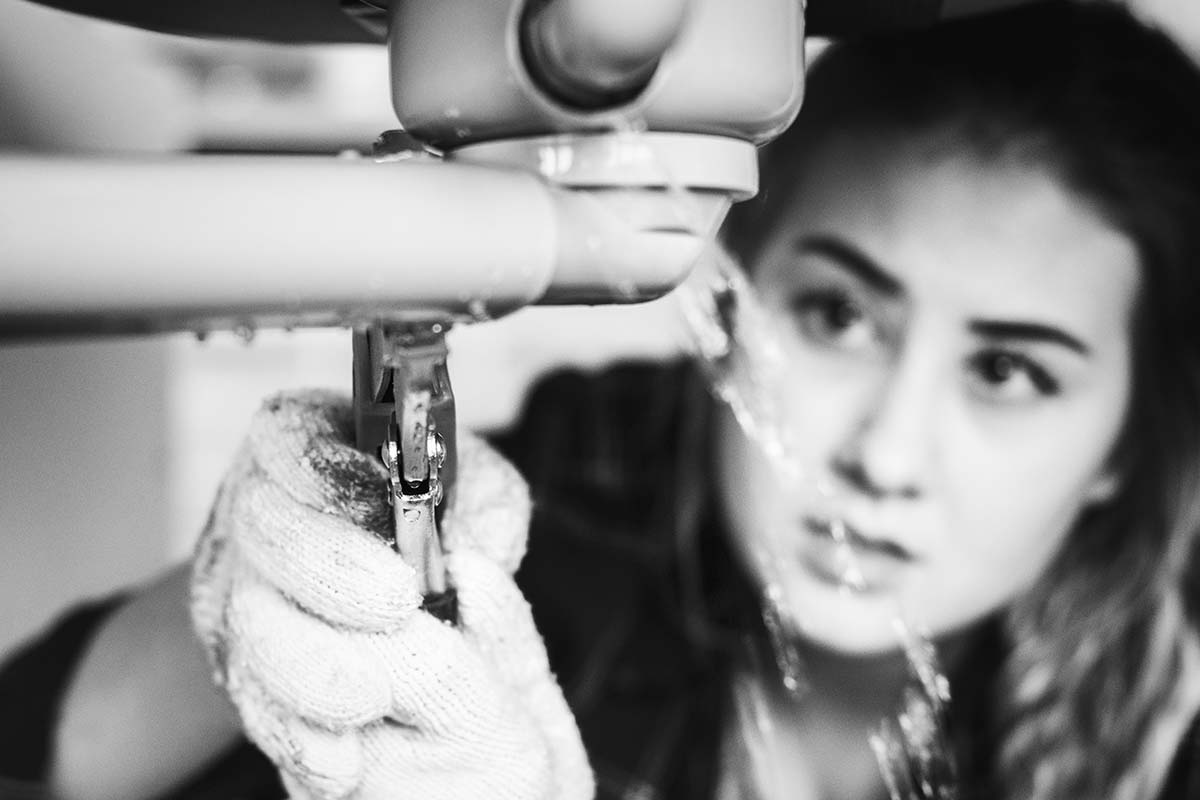
How to Fix a Leaky Faucet Before It Becomes a Costly Plumbing Problem
A leaky faucet may seem minor, but even a slow drip can raise water bills and lead to hidden plumbing damage over time.
According to the EPA WaterSense Program, a faucet dripping once per second can waste more than 3,000 gallons of water per year.
Many homeowners in Seattle ignore small leaks until they become expensive repairs involving water damage, mold, or pipe issues.
Common warning signs include:
- Rising water bills;
- Moisture under sinks;
- Mold or musty smells;
- Constant dripping sounds;
- Reduced water pressure.
Modern water leak detection tools can also help homeowners catch hidden leaks early and avoid larger plumbing problems.
Fixing a leaky faucet early can help you:
- Save money on water bills;
- Prevent plumbing damage;
- Protect your home from moisture issues;
- Avoid costly emergency repairs.
With the right tools and a little guidance, fixing a leaking faucet is often a simple and affordable DIY repair.
This article will walk you through the steps to fix a leaky faucet with expert guidance from Graham and Sons Plumbing in Sydney.
How to Fix a Leaky Faucet: Common Causes of a Leaky Faucet
Before we jump into the step-by-step guide, let’s first look at some common causes of a leaky faucet.
By identifying the cause, you can better determine the appropriate fix.
- Worn-out washer: The most common cause of a leaky faucet is a worn-out washer. Over time the constant pressure of water flowing through the faucet can cause the washer to wear down and become damaged.
- Corroded valve seat: The valve seat is the connection between the faucet and the spout. This connection can become corroded, which can cause leaks.
- Loose parts: Sometimes, a leaky faucet can be caused by loose parts within the faucet. This can be a result of general wear and tear or improper installation.
- High water pressure: If the water pressure in your home is too high, it can cause damage to the faucet resulting in leaks.
- Broken plumbing: In rare cases, a leaky faucet can be caused by damaged plumbing. If the faucet leaks from the base of the handles, it may be a sign of broken plumbing.
Required Tools and Materials
Before fixing your leaky faucet, you’ll need a few tools and materials.
Here’s what you’ll need:
- Adjustable wrench;
- Screwdriver (flathead or Phillips, depending on your faucet;)
- Replacement washer and/or valve seat;
- Penetrating oil (for corroded faucet parts;)
- Plumber’s grease.
Step-by-Step Guide to Fix a Leaky Faucet
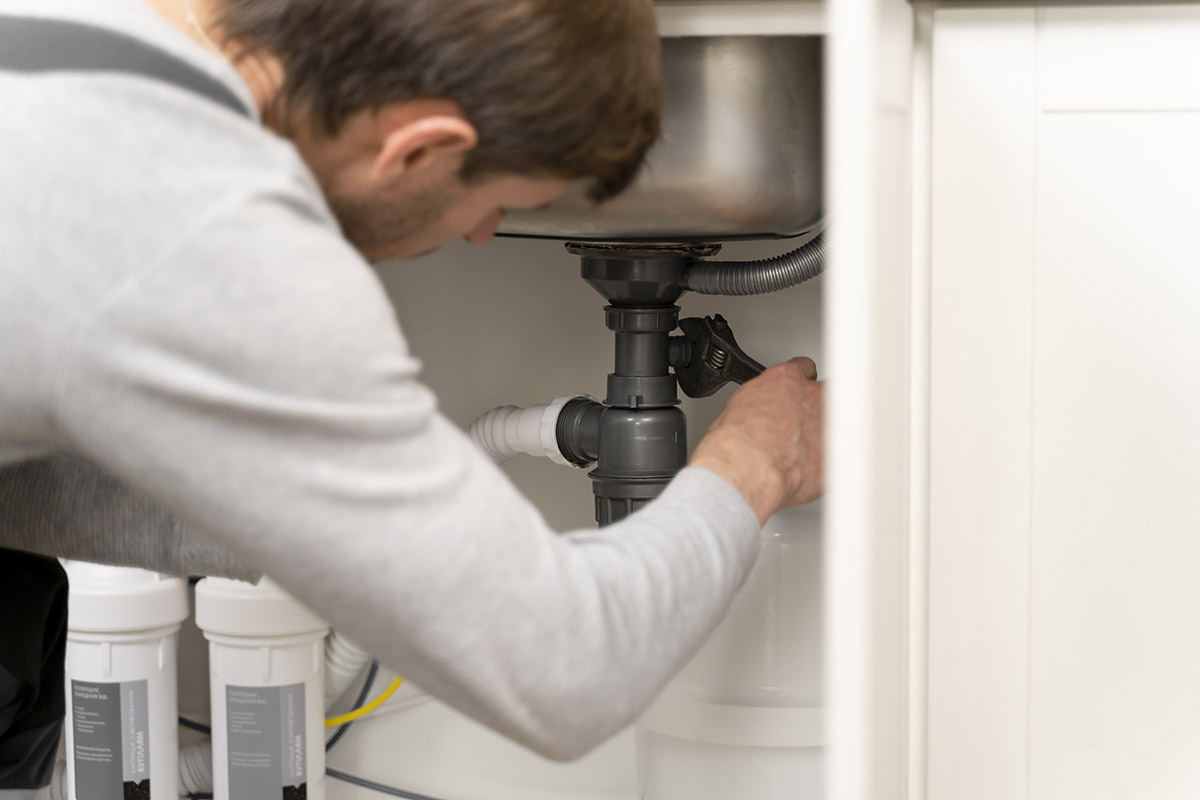
Now that you have the necessary tools and materials, it’s time to start fixing your leaky faucet.
Here’s a step-by-step guide from Graham and Sons Plumbing in Sydney:
- Turn off the water supply: Before you begin, turn off the water supply to the faucet. You can usually find the shutoff valve under the sink or near the main water supply line.
- Disassemble the faucet: Use your screwdriver to remove the handles and decorative caps from the faucet. Then use your adjustable wrench to remove the nut holding the faucet stem.
- Remove the old washer and/or valve seat: If your faucet leaks from the spout, the washer is likely the culprit. Use your screwdriver to remove the screw that holds the washer in place and then replace it with a new one. If the valve seat is corroded, use your specialized tool to remove it and replace it with a new one.
- Install the new washer and/or valve seat: Once you have removed the old washer and/or valve seat, it’s time to install the new one. Apply a small amount of plumbers grease to the washer to ensure a tight seal. For the valve seat, use your specialized tool to install the new one, ensuring it is tightly screwed in place.
- Reassemble the faucet: Once you have installed the new washer and/or valve seat, it’s time to reassemble it. Follow the steps in reverse order, careful not to overtighten any screws or nuts.
- Turn the water supply back on: Now that you’ve reassembled the faucet, it’s time to turn it back on. Slowly turn the shutoff valve back on and let the water run for a few seconds to flush out any debris that may have accumulated during the repair process.
- Test the faucet for leaks: Once the water is running smoothly, test the faucet for leaks. Turn it on and off a few times and check for any dripping from the spout or handles. If everything looks good, congratulations – you’ve successfully fixed your leaky faucet!
If you still notice leaks, you may need to repeat the process or seek the help of a professional plumber.
At Graham and Sons Plumbing in Sydney, we have the expertise and tools to quickly and effectively fix any plumbing issues you may encounter.
It’s important not to ignore the problem. Persistent leaks can cause damage to your plumbing system as well as lead to wasted water and higher utility bills.
Sometimes, the issue may be more complex than a simple washer replacement, and attempting to fix it on your own may worsen the problem.
Professional plumbers like Graham and Sons Plumbing have the latest technology and tools to quickly and efficiently diagnose and fix any plumbing issue.
They can determine the root cause of the problem, whether it’s a faulty valve seat, a damaged cartridge, or something else entirely.
They’ll work quickly and efficiently to fix your faucet and leave your home clean and tidy after the job.
Choosing a reputable plumbing service that offers a satisfaction guarantee on all of their work is important.
This ensures that you can have confidence in the quality of their service and trust that they will do the job right the first time.
Preventing Future Faucet Leaks
While fixing a leaky faucet is easy, it’s always best to prevent leaks from happening in the first place.
Here are some tips to help you prevent future faucet leaks:
- Regularly check your faucets for leaks and fix them as soon as possible.
- Avoid turning your faucet handles too tightly, which can cause unnecessary wear and tear on the washer and valve seat.
- Don’t use excessive force when turning the faucet on or off, as this can damage the washer and valve seat.
- Keep your water pressure at a moderate level to avoid damage to your plumbing system.
- Have your plumbing system inspected regularly by a professional plumber to catch any potential issues before they become major problems.
How to fix a leaky faucet: in conclusion
A leaky faucet can be a frustrating and costly problem, but it can be easily fixed with the right tools and some know-how.
By following the steps outlined in this article, you can fix your leaky faucet and prevent future leaks from occurring.
And if you ever encounter a plumbing issue that you can’t fix on your own, don’t hesitate to contact Graham and Sons Plumbing in Sydney – we’re always here to help!