
How to Build a Strong Brand Personality That Stands Out and Builds Loyalty
✨ Key Points
- A strong brand personality helps you stand out in crowded markets and makes people remember you.
- Consistent identity across platforms builds trust, recognition, and stronger customer relationships.
- People buy from brands they connect with, clear values and personality increase loyalty and sales.
What Is Brand Personality?
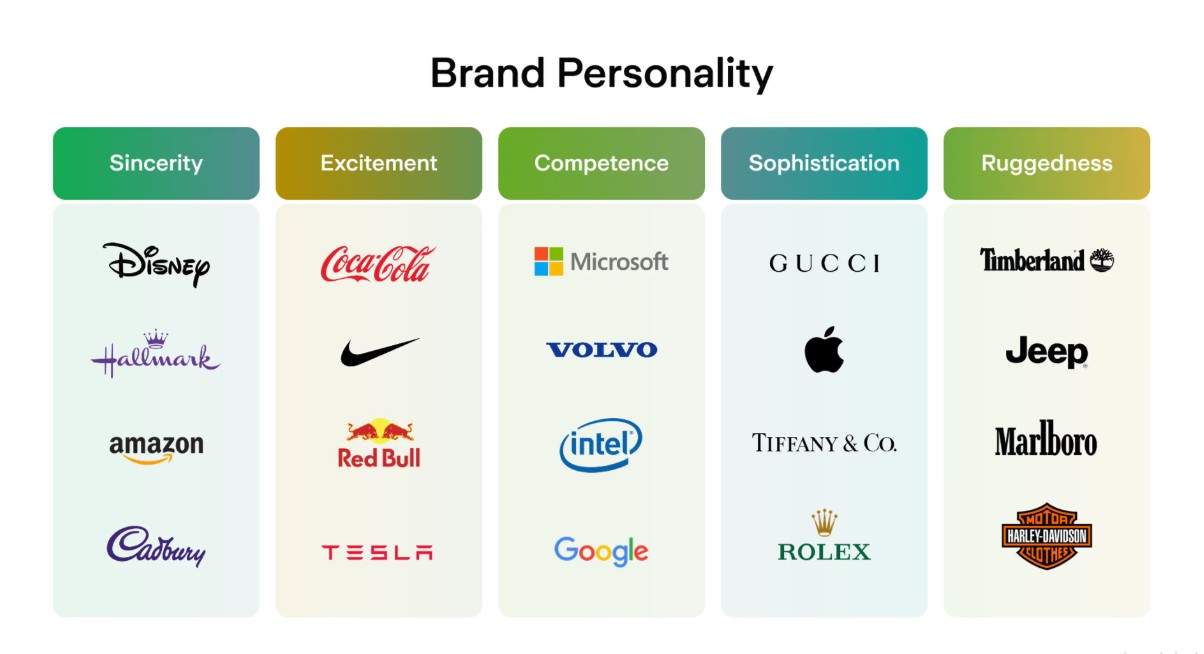
Brand personality is what makes your brand feel human, relatable, and memorable.
Instead of being just a logo or product, your brand takes on traits, values, and a distinct identity, similar to how people have personalities.
This is where many brands struggle.
You might have:
- A brand that feels generic or forgettable;
- Inconsistent tone across Instagram, website, and content;
- No clear “voice” or identity;
- Difficulty connecting emotionally with your audience;
Without a clear personality, it’s hard for people to relate to your brand, or even remember it.
A strong brand personality is built through:
- Messaging → how you communicate;
- Visual identity → colors, fonts, and design;
- Tone of voice → formal, playful, bold, minimal;
- Overall experience → how people feel when they interact with your brand.
When done right, it helps your brand:
- Feel more personal and relatable;
- Stand out in crowded markets;
- Express clear values and beliefs;
- Build stronger emotional connections with customers;
In simple terms, brand personality turns your business from something people see… into something they recognize, trust, and connect with.
Connection Between Brand Personality and Emotional Bond With Consumers
Successful branding is not just about what you sell. It is about how people feel when they see, hear, or interact with your brand.
Brand personality gives your business a human side. It shapes how you communicate, how you look, and how people experience you.
When your brand personality aligns with your audience, it creates a sense of connection that goes beyond a simple transaction.
Why this connection matters:
- Relatability drives attention. People engage with brands that feel like them or reflect who they want to be.
- Trust builds faster. Consistency in tone, visuals, and messaging makes your brand feel reliable and safe.
- Emotions influence decisions. People rarely choose based on logic alone. Feelings like comfort, excitement, or nostalgia play a big role.
- Loyalty becomes natural. When customers feel connected, they stay longer and come back without needing constant persuasion.
- Word-of-mouth grows organically. Emotionally connected customers are more likely to recommend your brand to others.
How brands create emotional bonds:
- Through shared values. When your audience sees their beliefs reflected, they feel understood.
- Through storytelling. Stories help people see themselves in your brand, not just your product.
- Through consistency. A clear and steady voice builds familiarity and recognition over time.
- Through realness. Authenticity matters more than perfection. People connect with what feels honest.
A strong brand personality can create a sense of belonging, spark positive emotions, and stay in people’s minds long after the first interaction.
And in a crowded market, that emotional connection is often the reason people choose you and keep choosing you.
The 6 Companies With the Best Brand Personalities

Red Bull is not like other companies. It does not just sell energy drinks—it sells adrenaline, ambition, and a mindset built around pushing limits.
The brand is known for its bold, high-energy personality. Its marketing is built on extreme sports, risk, and unforgettable moments that instantly capture attention. Events like Red Bull Air Race and Red Bull Rampage are not just promotions—they are experiences that embody speed, courage, and intensity.
Red Bull’s approach goes far beyond traditional advertising. Instead of focusing on the product, the brand creates a world people want to be part of. It connects with thrill-seekers, explorers, and anyone drawn to challenge and excitement.
Through powerful storytelling and visually striking content, Red Bull inspires people to step outside their comfort zone and try something new. This is what makes the brand feel less like a drink—and more like a lifestyle.
In a crowded market, Red Bull stands out as a true maverick. It does not compete on features. It wins by owning a feeling.
Key takeaways
- Sells a lifestyle, not just a product;
- Builds identity around energy, risk, and adventure;
- Uses experiences and events instead of traditional ads;
- Connects deeply with thrill-seekers and ambitious audiences;
- Wins through emotion and storytelling, not product features.
IKEA
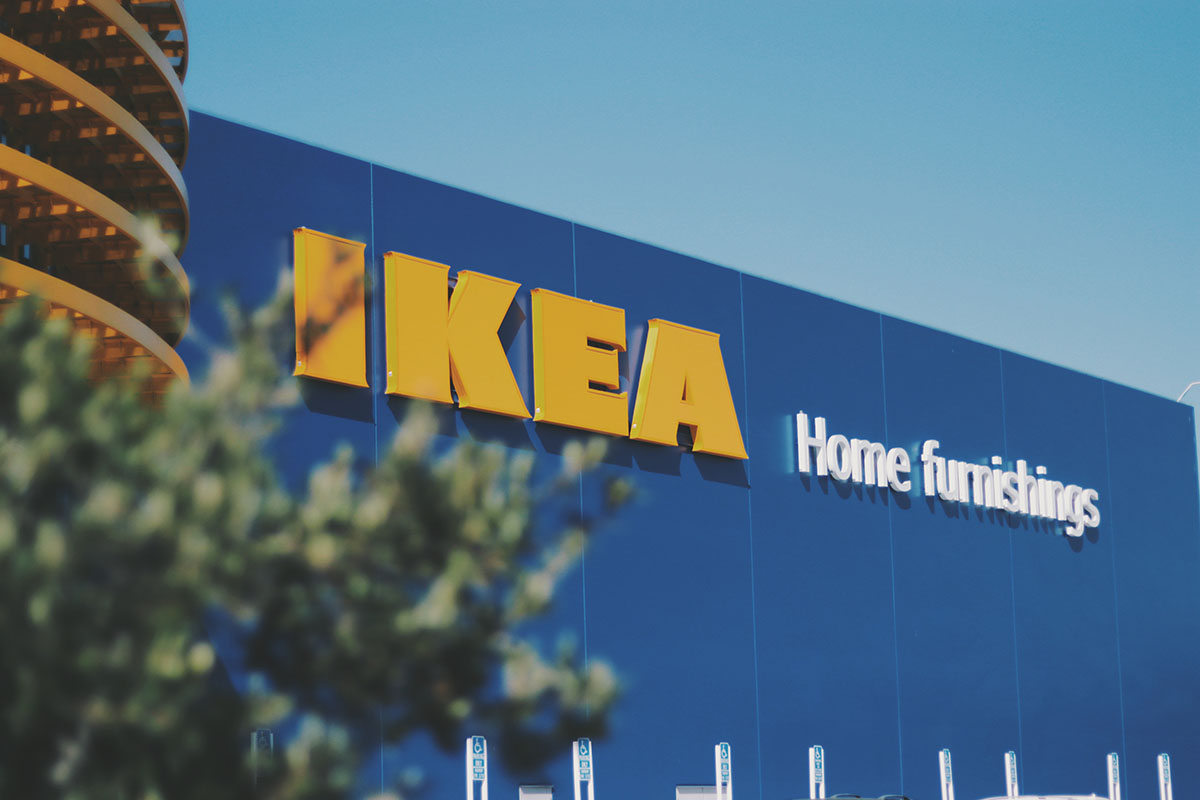
IKEA has built its brand around simplicity, affordability, and smart design.
It is known for clean lines, functional products, and practical solutions that fit real, everyday life.
The brand appeals to modern, minimalist consumers who want their spaces to feel stylish without overspending. IKEA makes design feel accessible, not exclusive.
At the core of its identity is the idea of democratizing design making well-designed, attractive home products available to as many people as possible.
Instead of positioning itself as luxury, IKEA focuses on value and usability.
Flat-pack furniture plays a big role in this experience.
Customers are not just buying furniture, they are part of the process.
By assembling products themselves, they save money and feel a sense of ownership over their space.
IKEA also stands out through its focus on organization and efficient use of space.
From storage systems to small-space solutions, the brand is designed to make everyday living easier and more functional.
This balance of style, practicality, and affordability has made IKEA a go-to brand for people who want their homes to look good and work well, without unnecessary complexity.
Key takeaways
- Makes design accessible and affordable
- Combines minimalism with everyday functionality
- Turns customers into co-creators through flat-pack furniture
- Focuses on practical, space-saving solutions
- Wins through value, simplicity, and smart living
Rhode

Rhode is built around simplicity, glow, and intentional skincare.
The brand focuses on a “less but better” philosophy, offering a small, curated range of products designed to support healthy, radiant skin.
Rhode’s identity feels modern, minimal, and effortless.
It speaks to consumers who are tired of complicated routines and want skincare that fits naturally into their lifestyle.
The messaging is soft, clean, and confident never overwhelming.
At the core of the brand is accessibility.
Rhode positions high-quality skincare as something that should feel attainable, both in price and in daily use.
The formulas are designed to be effective, but easy to understand and use consistently.
Rhode also stands out through its strong visual identity and emotional storytelling.
From dewy skin aesthetics to behind-the-scenes content, the brand creates a feeling of closeness, authenticity, and real-life beauty.
Instead of pushing perfection, Rhode leans into natural skin, texture, and glow.
This makes the brand feel relatable and human, not aspirational in an unrealistic way.
Key takeaways:
- Focuses on simple, curated skincare routines;
- Builds identity around natural glow and effortless beauty;
- Makes quality skincare feel accessible and realistic;
- Uses soft, minimal, and emotionally engaging visuals;
- Connects through authenticity, not perfection.
Diesel
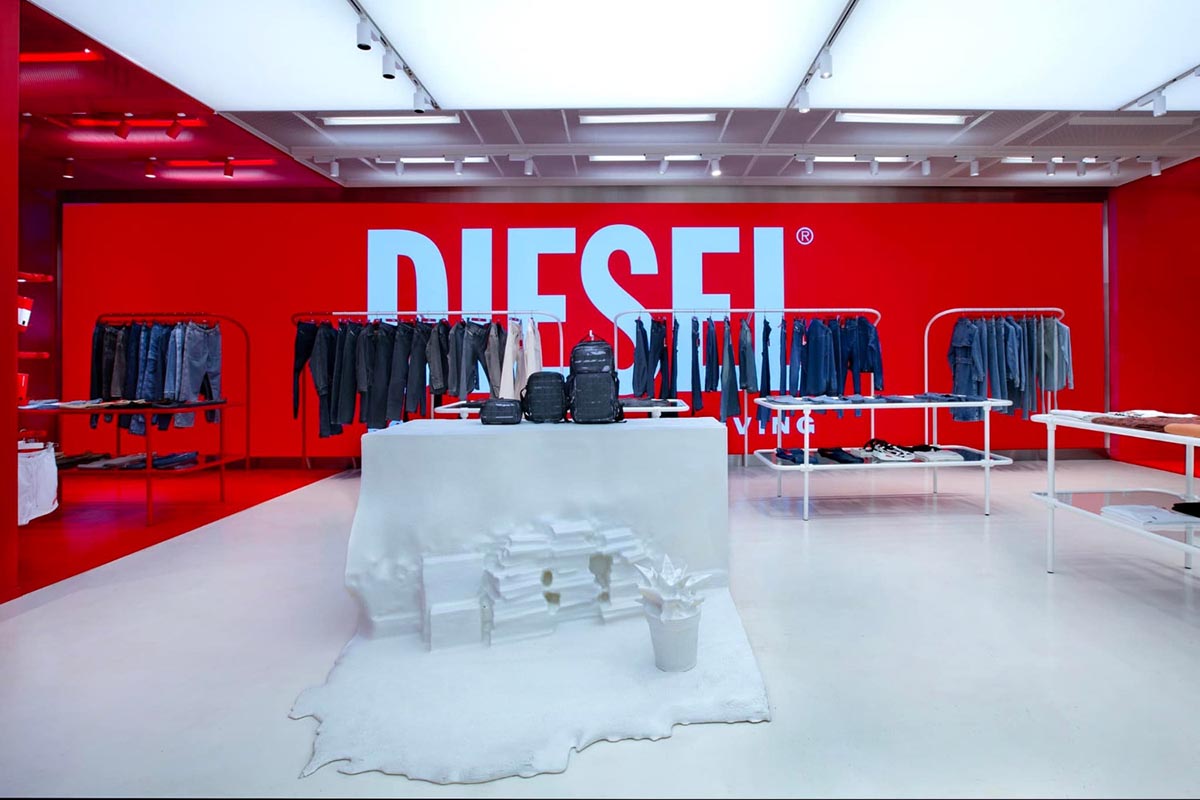
Diesel, an Italian fashion brand, is known for edginess, disobedience, and audacity.
Diesel, known for its unique denim and rebellious character, has made a name in fashion.
The brand’s campaigns use controversial and thought-provoking images to deviate from conventional fashion.
Diesel’s brand identity draws customers who brazenly push boundaries and embrace their flair.
With Diesel, culture is adapted, and authenticity is created. Street style, music, and youth culture seamlessly integrate into the company’s designs.
Diesel’s marketing messaging addresses societal concerns like gender equality, sustainability, and diversity. Using social issues to connect with people, Diesel makes a statement.
Diesel’s edgy and rebellious brand image has made it a fashion leader by appealing to those who question the status quo.
Lego
LEGO is built around creativity, imagination, and open-ended play.
At its core, the brand invites people to build, explore, and bring their ideas to life, one brick at a time.
Its iconic interlocking bricks allow users to create everything from simple structures to complex worlds.
Collections like Star Wars and Harry Potter go beyond building, they introduce storytelling, letting people recreate scenes or invent their own narratives.
LEGO’s personality is playful but purposeful.
While it feels fun and imaginative, it is also deeply connected to learning and development.
The brand encourages problem-solving, spatial thinking, and creativity, helping build confidence along the way.
Beyond the product, LEGO stands for something bigger.
It promotes the idea that imaginative play helps develop cognitive, social, and emotional skills.
Through events, competitions, and global communities, the brand brings people together to share ideas and creations.
LEGO also reflects modern values by investing in sustainability, including efforts toward eco-friendly materials and responsible production.
Across generations, LEGO has remained relevant by staying true to one idea: creativity has no
Conclusion
Brand personality matters because people do not connect with products, they connect with meaning.
In today’s market, customers are constantly choosing between similar options.
When everything looks the same, personality becomes the deciding factor.
It gives people a reason to stop, pay attention, and feel something.
Why this matters:
- It captures attention faster. People notice brands that feel different within seconds.
- It creates emotional connection. A clear personality helps people feel understood, not just sold to.
- It builds trust over time. Consistency in voice and values makes your brand feel reliable.
- It drives loyalty and repeat choice. People come back to brands that reflect who they are or who they want to be.
- It makes your brand memorable. Facts are forgotten. Feelings are remembered.
Without personality, a brand becomes interchangeable. With it, a brand becomes recognizable, relatable, and hard to replace.
Your brand does not need to be perfect. It needs to be clear, consistent, and real.
Because in the end, personality is not decoration, it is the reason people choose you, stay with you, and talk about you.
of customers who share your values. Remember that your special identity holds the key to limitless opportunities in the branding world.
FAQs: Brand Personalities
Q: Why is brand personality important?
A: Brand personality distinguishes a brand from the competition, connects with consumers, and builds brand loyalty. A strong brand personality makes a brand recognizable and appealing to its target audience.
Q: How does brand personality influence consumer behavior?
A:Brand personality shapes consumer perceptions, attitudes, and preferences. Consumers like brands they can relate to. Brand personality helps consumers create emotional relationships with brands, increasing brand loyalty and advocacy.
Q: What are the critical elements of a strong brand personality?
A:Brand personalities need consistency, authenticity, uniqueness, and emotional appeal. Consistency guarantees the brand’s personality is reflected in all communication and consumer experience. Trust and credibility require authenticity. Differentiation distinguishes the brand. Emotional appeal connects consumers.
Q: Can a brand personality evolve?
A: The benefits of a strong brand is a brand personality can alter with the market, customer, and cultural transformations. A brand must keep its primary characteristics to sustain consistency and client loyalty.