Feeling Overwhelmed? Practical Tools to Reduce Stress and Restore Balance
✨Key Points
- How to reduce stress naturally – Breathing exercises, movement, and mindfulness lower cortisol and improve emotional balance.
- How to find balance in a busy life – Small daily habits are more effective than dramatic lifestyle changes.
- Ways to reset mentally and emotionally – Digital detox, journaling, and prioritization systems restore focus and calm.
Modern life is moving faster than ever.
Between work demands, digital notifications, financial pressure, and family responsibilities, it is no surprise that stress levels are climbing.
According to the American Psychological Association, nearly 3 in 4 adults report experiencing physical or emotional symptoms of stress, and chronic stress has been linked to sleep disruption, anxiety, high blood pressure, and reduced productivity.
If you have recently searched for how to reduce stress naturally, how to find balance in life, or ways to reset mentally and emotionally, you are not alone.
The good news is that balance is not something you wait for. It is something you intentionally build.
When life feels overwhelming, the key is not escaping responsibilities but creating small, consistent habits that restore calm and clarity.
Here are practical, research-backed tools that can help you reset:
Structured breathing techniques. Slow, controlled breathing activates the parasympathetic nervous system, lowering heart rate and reducing cortisol levels.
Digital detox windows. Studies show excessive screen time increases stress and mental fatigue. Setting device-free periods helps restore focus.
Daily movement or light exercise. Even 20–30 minutes of walking has been shown to improve mood and reduce anxiety symptoms.
Mindfulness or guided meditation. Research indicates regular mindfulness practice can significantly reduce stress and improve emotional regulation.
Journaling for mental clarity. Writing down worries or goals helps organize thoughts and reduce mental overload.
Prioritization systems. Using simple task frameworks such as the “top three priorities” method prevents overwhelm from endless to-do lists.
Many people searching for how to reset your life when overwhelmed believe they need a dramatic change.
In reality, small daily resets are more sustainable and effective. Calm is built through repetition, not perfection.
The goal is not to eliminate stress entirely.
Some stress is part of growth and achievement.
The goal is to create reliable tools you can turn to whenever pressure rises, so you remain grounded instead of reactive.
When you intentionally incorporate these habits into your routine, you move from surviving the chaos to managing it with clarity and confidence.
Stay Calm In A Busy World: Spirituality
Turning toward spirituality or religion can help you find a deeper sense of calm and grounding.
It offers a way to step outside of daily stress and reconnect with something more steady and meaningful.
If you follow a particular religion, this may already be part of your life.
If not, there are still many paths you can explore without committing to a single belief system.
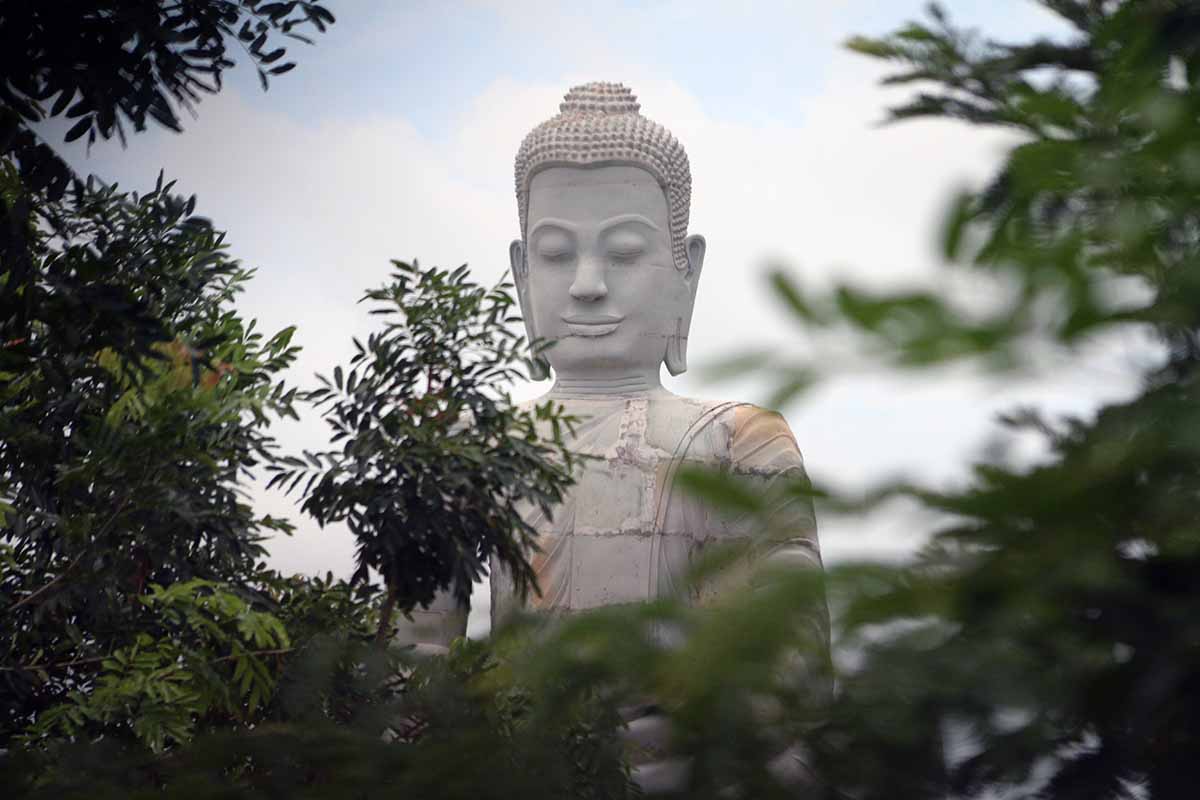
Take Buddhism as an example.
Many of its principles focus on mindfulness, acceptance, and inner peace.
You can learn from these ideas and apply them in your daily life while still maintaining your existing beliefs.
Practices like repeating a simple phrase, such as “learn Buddhism reduce stress,” can serve as a reminder to slow down and return to the present moment.
Exploring spirituality does not have to be an all-or-nothing decision.
You can take time to understand different philosophies and adopt the parts that resonate with you, including deeper cultural insights like understanding Buddhist funeral traditions and the meaning behind them.
Simple tools like mantras or prayer beads, which appear across many traditions, can also support this process.
Using them regularly creates a rhythm that feels calming and meditative, helping you release tension throughout the day.
Journal
Journaling is not just a trendy notion. It is an effective technique to clear away the clutter in your mind.
It offers a cathartic way to write down your thoughts, feelings, and memories. There is no single “right” way to journal—you can approach it in whatever way feels natural to you.
The goal is simple: find release through the act of putting pen to paper.
When you begin, you might choose beautiful paper and pens that glide effortlessly, adding a sense of ritual and enjoyment. Or you can simply use whatever is available in the moment.
What matters most is that the process does not become another source of stress.
Write when you feel overwhelmed and need to let your thoughts out. Journal in the morning to create a calm, positive start to your day. Or reflect at night, releasing stress before you rest.
Journaling is not about perfection. It is about giving your mind a place to breathe.
Meditation
Meditation is a practice that helps you clear away negative thoughts and quiet the constant noise in your mind.
It is not about forcing your mind to be empty, but about gently letting thoughts pass without holding onto them.
During a meditative session, the goal is to be fully present.
Notice how your body feels in the space around you.
Pay attention to your breath, your posture, and the stillness of the moment.
Wearing comfortable clothing and sitting on a soft surface can help you stay focused without distraction.
The more at ease your body feels, the easier it becomes to settle your mind.
Reducing background noise can also make a difference.
A quiet environment allows you to turn inward without interruption.
Most importantly, breathe.
Let your breath guide you back whenever your mind begins to wander.
You can return to meditation anytime you need to reset, rebalance, or simply create a calm start to your day.
Exercise
Almost any form of exercise can help release built-up stress from your body.
As your muscles move, your mind often shifts into a rhythm where breath and motion take over, quieting negative thoughts.
Movement itself is cathartic. Tension begins to fade, stiffness from sitting too long eases, and your body starts to feel more energized.
Exercise also triggers physical changes that support your mental well-being.
Endorphins, your body’s natural feel-good chemicals—are released, helping improve your mood.
At the same time, stress hormones like cortisol begin to decrease.
For some people, exercise means running, lifting weights, or pushing physical limits.
While those can be effective, they are not the right fit for everyone.
If an activity feels too intense, it may add stress instead of relieving it.
The key is to choose something that feels manageable and sustainable.
This might include walking, biking, swimming, or joining a fitness class with friends.
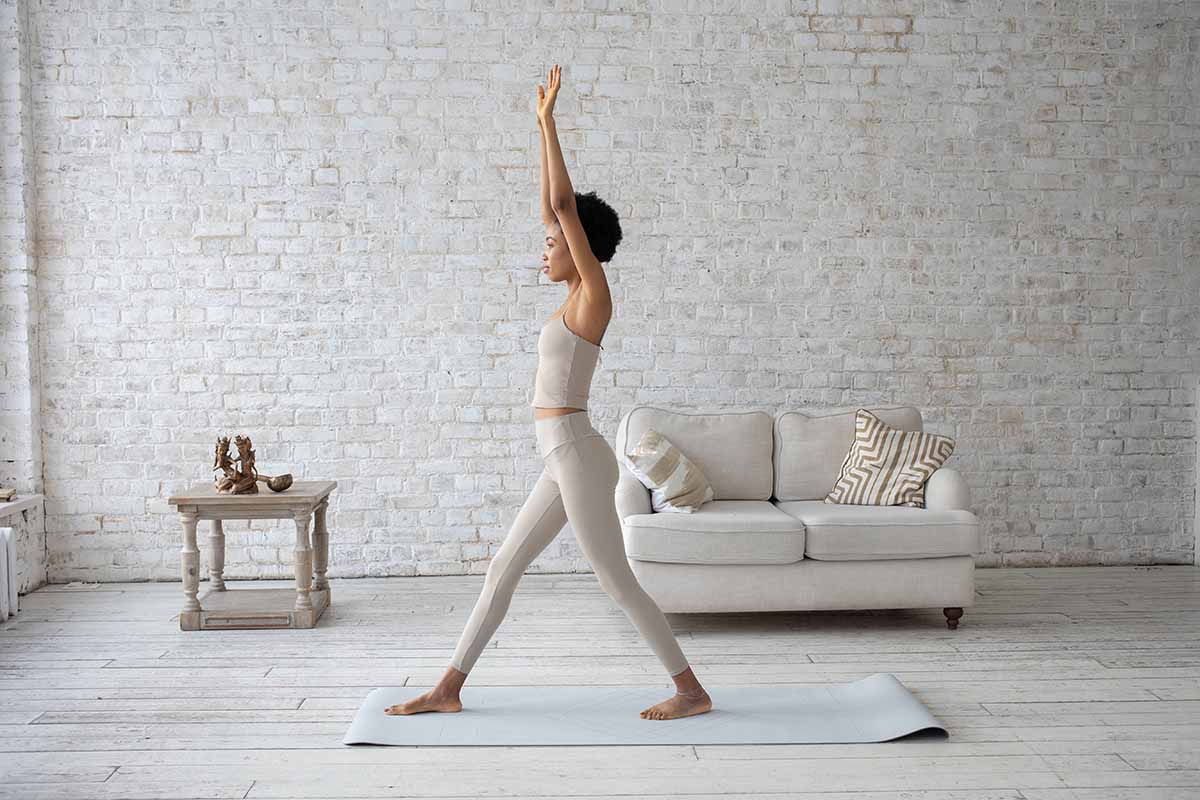
Yoga is another option that works well for many people.
It is accessible and adaptable, whether you use blocks, sit on a chair, or follow traditional poses.
The movements are slow and intentional, helping you focus on your breath and body while letting go of tension.
Over time, you may find that your preferred methods change.
What matters is having a range of options you can return to, depending on what your body and mind need in the moment.
✨Just remember: Help is always available when you need it most.
You do not have to suffer in silence. When you cannot find peace alone, find someone who can help.