Effective Eco-Friendly Cleaning Solutions for Kitchens
✨Key Points
- Match the cleaner to the surface: A method suitable for tile may damage natural stone, wood, or appliance coatings.
- Clean before buildup becomes severe: Wiping splashes and grease promptly reduces the need for intensive scrubbing.
- Keep sustainability practical: Concentrated products, washable cloths, refillable containers, and correct dosing can reduce waste without lowering cleaning standards.
After preparing dinner, you may be left with greasy counters, a stained stovetop, food splashes, a full sink, and several different surfaces requiring attention.
You want the kitchen clean enough for tomorrow’s breakfast, but you may not want harsh odors, excessive plastic waste, or complicated homemade mixtures around food, children, and pets.
Eco-friendly kitchen cleaning is not about replacing every product with vinegar or buying an entirely new collection of “green” supplies.
It means choosing the safest effective method for each task, using only the amount needed, and preventing grease and food residue from becoming harder to remove.
A practical kitchen-cleaning system should help you:
- Remove grease without damaging surfaces;
- Clean food-contact areas safely;
- Reduce disposable wipes and plastic waste;
- Avoid unnecessary or incompatible chemicals;
- Choose reusable tools that can be washed easily;
- Keep products safely stored away from children and pets;
- Finish everyday cleaning without losing the entire evening.
The U.S. Environmental Protection Agency evaluates every ingredient in products carrying its Safer Choice label, helping consumers identify cleaners made with ingredients that meet the program’s human-health and environmental criteria.
Always follow the product label and the care instructions for stone, wood, stainless steel, and appliance finishes.
This guide explains effective eco-friendly cleaning solutions for everyday kitchen problems, from greasy stovetops and stained counters to sinks, floors, and appliances.
The Power of Baking Soda
Baking soda isn’t just a staple for baking. It’s also a potent, non-toxic cleaning agent.
When mixed with water, it can create a pasty solution which is excellent for scrubbing off stubborn grease and grime.
Whether you’re cleaning your oven, countertops, or sinks, baking soda can be your go-to solution.
Plus, being a natural mineral, it’s environmentally friendly and safe for most surfaces.
Dish Towels vs. Disposable Towels
In a bid to be more eco-conscious, it’s crucial to consider the smaller details.
One such detail that’s often overlooked is the use of dish towels. Using reusable dish towels instead of disposable paper can save trees and reduce waste.
These towels can easily be washed and reused multiple times, reducing environmental impact and long-term costs.
White Vinegar Magic

White vinegar is another kitchen staple that doubles up as an eco-friendly cleaner.
Due to its acidic nature, it’s excellent at breaking down lime deposits, sanitizing surfaces, and even dissolving grease.
Combine it with baking soda, and you’ve got a powerful cleaning solution that can tackle almost any mess in the kitchen.
Eco-friendly Dish Soap
With the marketplace evolving rapidly, there is now a plethora of dish soaps that are free from harmful chemicals and are biodegradable.
Not only are these soaps gentler on your hands, but they also have a significantly lesser impact on the environment.
Look for brands that use natural ingredients and sustainable packaging for an all-around eco-friendly choice.
Reusable Storage Solutions
While this doesn’t directly involve cleaning, switching to reusable storage solutions reduces the clutter and waste of single-use plastics.
Glass or stainless-steel containers, for example, are durable and keep your food fresher for longer.
Olive Oil as a Polisher
Do you have stainless steel appliances or wooden surfaces in your kitchen? Olive oil is a wonderful natural polisher.
Simply dab a bit of oil onto a cloth and rub it onto the surface. This cleans and leaves a pleasant shine, making your kitchen look pristine.
Lemon Freshness
Something about the fresh scent of lemon makes a kitchen feel ultra-clean.
Lemon’s acidic properties make it perfect for cutting through grease and leaving surfaces gleaming.
It’s especially effective on stainless steel and faucets. As a bonus, it also acts as a natural disinfectant.
Reduce Water Usage
While it’s crucial to keep your kitchen clean, being mindful of water usage is equally important.
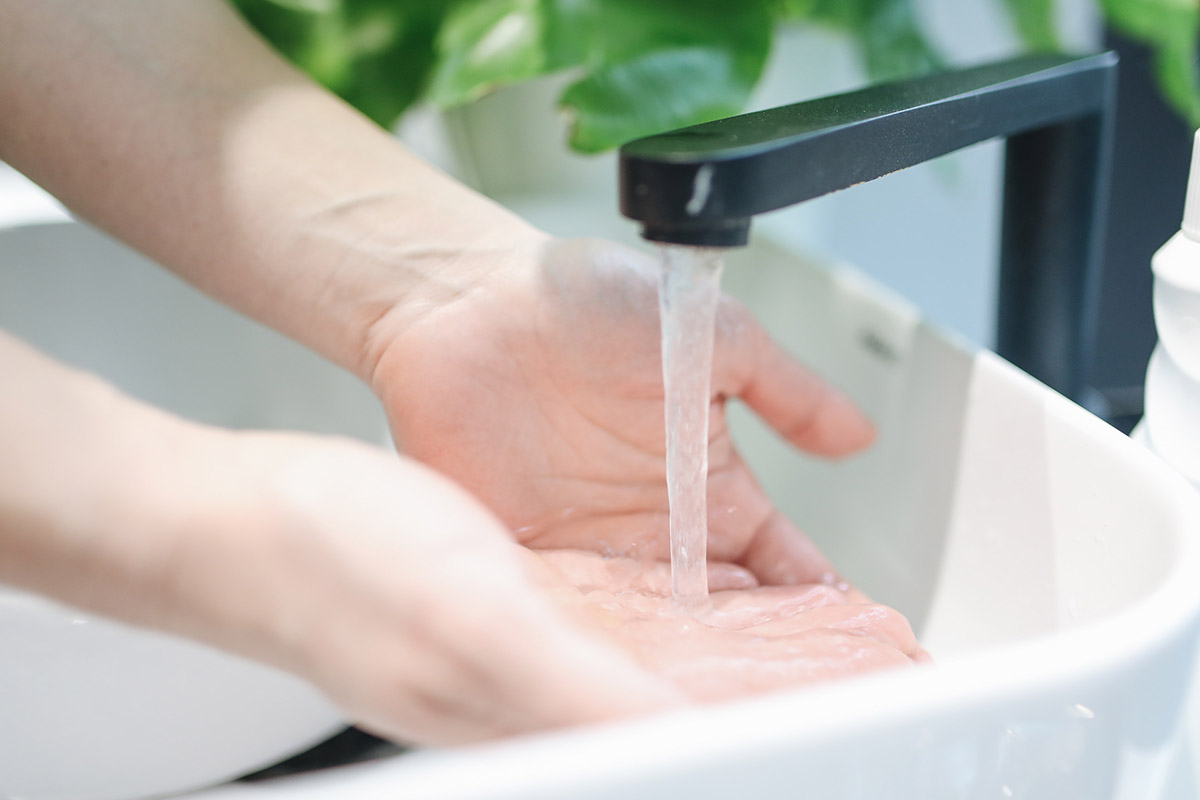
Turn off taps when not in direct use, fix leaks promptly, and consider investing in water-saving faucets.
Being conscious of your water consumption can contribute significantly to water conservation efforts.
Embrace Essential Oils
Want a fresh-smelling kitchen without resorting to chemical-filled air fresheners? Essential oils are the answer.
A few drops in a diffuser can make your kitchen smell heavenly, whether it’s eucalyptus, lavender, or lemon.
Moreover, some essential oils have antibacterial properties, which can be beneficial in a kitchen setting.
Effective Eco-friendly Cleaning Solutions for Kitchens: Summary
Transitioning to eco-friendly cleaning solutions for your kitchen doesn’t just benefit the environment.
These methods often prove to be safer for your family, especially if you have young children or pets.
With a myriad of natural and sustainable solutions available, it’s high time we give back to the planet, starting with our kitchens.
So, the next time you do the dishes with your reusable dish towel in hand, remember the small changes that make a big difference.