
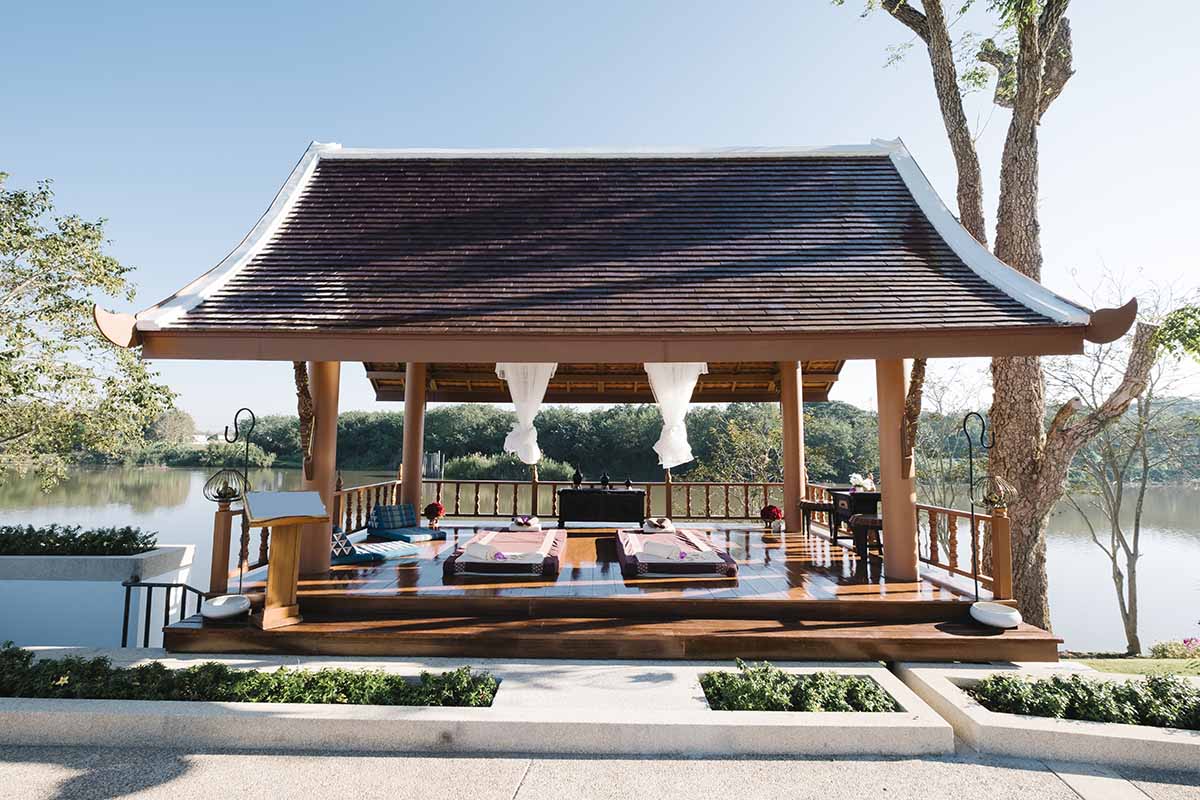
Pergola vs. Arbor: Key Differences and How to Choose
✨ Key Points
- Choose according to function. A pergola supports outdoor living, while an arbor adds definition and charm to a smaller garden area.
- Consider long-term maintenance. Wood requires sealing or staining, while metal, vinyl, and aluminum generally need less routine care.
- Plan before purchasing. Confirm dimensions, anchoring, weather resistance, installation costs, and local requirements before placing an order.
A pergola and an arbor can both add beauty, climbing plants, and structure to a backyard, but they solve different needs.
A pergola creates a larger outdoor living area, while an arbor usually marks a garden entrance, frames a pathway, or shelters a small bench.
Understanding the difference matters because the wrong structure may provide less shade, require more maintenance, or cost considerably more than expected.
Here is the quick comparison:
- Size: Pergolas cover patios, decks, or seating areas; arbors are smaller.
- Purpose: Pergolas define outdoor rooms; arbors highlight entrances or garden paths.
- Roof: Pergolas usually have open horizontal beams; arbors often have an arched or lattice top.
- Shade: Pergolas offer partial shade across a larger area; arbors provide limited shade.
- Plants: Both can support climbing plants, but heavy vines require a strong structure.
- Installation: Pergolas often need permanent footings; many arbors are available as simpler kits.
- Cost: Arbors generally require fewer materials and less labor.
- Features: Pergolas may include adjustable louvers, lighting, curtains, fans, or heaters.
The University of Florida Extension describes an arbor as a relatively small garden structure traditionally covered with vines, while a pergola is a larger open framework that can shade a walkway or gathering space.
If you want space for dining, relaxing, or entertaining, a pergola from a supplier such as The Luxury Pergola may be the more practical investment.
Choose an arbor when you want an affordable decorative feature that creates a welcoming transition into a garden.
Before purchasing either structure, measure the area, consider sun direction and drainage, and check local building, setback, utility, and homeowners’ association requirements.
Permit rules vary by location and may depend on the structure’s size, height, roof, foundation, or attachment to the house.
What Is a Pergola?
A pergola is an outdoor structure made with vertical posts or columns supporting an open framework of beams and rafters.
It is commonly installed over a patio, deck, walkway, or outdoor seating area to create visual definition and partial shade.
A standard open-roof pergola does not provide complete protection from rain.
However, some modern models include retractable canopies or adjustable louvered roofs that offer greater control over sunlight and weather exposure.
You can build a pergola from several materials:
- Cedar or pressure-treated wood: Natural-looking and customizable but requires periodic maintenance
- Aluminum: Lightweight, durable, and resistant to rust
- Vinyl or PVC: Low-maintenance but offers fewer options for refinishing
- Fiberglass: Strong and resistant to warping, moisture, and insects
- Steel: Highly durable but heavy and vulnerable to corrosion without proper protection
A pergola may be attached to a house or built as a freestanding structure elsewhere in the yard.
DIY kits are widely available, but cost and installation difficulty vary significantly according to size, material, foundation, roof features, and site conditions.
Before ordering a kit, measure the space, locate underground utilities, review wind and snow ratings, and confirm local permit and setback requirements.
Attached pergolas and larger permanent structures may require professional installation or approval from the local building department.
What Is an Arbor?
An arbor is a small garden structure that typically forms an arch or covered passage over a gate, entrance, bench, or pathway.
Most arbors have two or four posts with open lattice sides and an arched or flat top.
Garden arbors are commonly made from:
- Wood: Natural and customizable but requires protection from moisture;
- Metal: Slim, strong, and suitable for traditional or modern gardens;
- Vinyl: Lightweight and relatively easy to maintain;
- Composite materials: Resistant to insects and decay but often more expensive.
An arbor may stand alone as a decorative feature, include an integrated bench, or support climbing plants such as clematis, climbing roses, jasmine, or honeysuckle.
Mature vines add shade, color, fragrance, and greater privacy.
Match the plant’s mature weight and growth habit to the structure.
Aggressive or heavy vines can overwhelm a lightweight arbor and require frequent pruning.
Secure the posts properly, particularly in windy locations, and choose weather-resistant materials suitable for the local climate.
Unlike a pergola, an arbor is usually designed to create a focal point or transition rather than cover a complete outdoor living area.
How Do Pergolas and Arbors Differ?
The clearest difference between these structures is not simply the number of posts or shape of the roof.
Pergolas and arbors are designed for different functions.
A pergola typically creates a larger outdoor living area, while an arbor marks an entrance, frames a pathway, supports climbing plants, or shelters a small bench.
The main differences include:
- Size: Pergolas generally cover a patio or seating area; arbors occupy much less space.
- Purpose: Pergolas support dining and relaxation; arbors create focal points and transitions.
- Structure: Freestanding pergolas often have four or more posts, but attached models may use posts and a wall-mounted support. Arbors commonly have two or four posts.
- Roof design: Pergolas usually feature flat beams or adjustable louvers. Arbors often have an arched or gently curved lattice top, although flat designs also exist.
- Sides: Pergolas are generally open. Arbors often include trellis panels for vines, but their sides are not necessarily covered.
- Shade: Pergolas can shade a larger area, especially with louvers or a canopy. Arbors provide limited shade unless mature plants cover them.
- Cost: Arbors are usually less expensive because they are smaller and require fewer materials.
- Installation: Pergolas often need stronger foundations, more labor, and potentially a building permit.
Which One Should You Choose?
Choose a pergola if you want to create a defined outdoor room for meals, conversation, or relaxing in the shade.
It is a larger investment, but it can make a patio more comfortable and encourage your household to spend more time outdoors.
Choose an arbor if you want to:
- Create a welcoming garden entrance;
- Frame a gate or pathway;
- Support climbing flowers and vines;
- Add privacy without building a solid wall;
- Create a romantic focal point or small seating nook;
- Improve a compact garden on a smaller budget.
DIY kits can work for straightforward projects, but a permanent pergola may require professional installation to ensure safe anchoring and adequate wind and snow resistance.
Before purchasing either structure, consider available space, desired shade, maintenance, plant weight, drainage, and local regulations.
The right choice is not only about appearance.
A pergola can become an outdoor room where people gather, eat, and unwind, while an arbor can transform an ordinary path into a meaningful entrance filled with color and fragrance.
Choose the structure that will improve how you genuinely experience your backyard.