Smart Furniture Solutions for Small Spaces
✨ Key Points
- Space Efficiency is Key: Smart furniture is designed with space efficiency in mind, featuring multifunctional pieces like sofas with storage, convertible tables, and beds with drawers. These are essential for making small living spaces functional without feeling cramped.
- Versatility and Adaptability: Many smart furniture items are modular and adaptable, allowing for easy customization of living spaces. This adaptability is crucial for accommodating different activities and guest needs in compact environments.
- Accessibility and Practical Tips: Smart furniture can be sourced from various places including local stores, online retailers, and secondhand shops. When shopping, measuring your space accurately and choosing versatile, light-colored furniture can help maintain a sense of openness.
Living in a cosy condo or apartment can make furnishing your home surprisingly difficult.
A sofa may fit the living room on paper but still be impossible to move through the entrance, elevator, stairwell, or narrow hallway.
Oversized furniture can also restrict walkways, block storage, and make daily life feel more confined.
That is why demand continues to grow for condo-size furniture, small-space furniture, and multifunctional furniture designed for urban homes. Before buying, experienced interior designers recommend measuring more than the available floor space:
- Room width, length, and ceiling height;
- Doors, hallways, elevators, and staircases;
- Required clearance around furniture;
- Windows, radiators, outlets, and air vents;
- Space needed to open drawers, cabinets, and sofa beds;
- Building delivery hours and move-in restrictions;
- The household’s storage, work, dining, and entertaining needs
Practical options include modular sofas, extendable dining tables, nesting tables, storage ottomans, wall-mounted desks, and beds with built-in storage.
However, space-saving furniture should still be comfortable, durable, and appropriately sized for the people using it.
A multifunctional piece offers little value if it is inconvenient to convert or difficult to maintain.
This guide explores how compact furniture for apartments is changing small-space interior design, which measurements prevent expensive buying mistakes, and how to create a condo that feels organised, comfortable, and personal rather than cramped.
Why Smart Furniture Works
Smart furniture is all about making the most of limited space.
These pieces are cleverly designed to fit perfectly into small rooms without making them feel cramped.
One of the key features of smart furniture is its space-saving design.
Whether it’s a sofa with built-in storage compartments, a coffee table that doubles as a dining table, or a bed with hidden drawers, these pieces are engineered to optimize every inch of available space.
Smart furniture helps declutter rooms and create a more organized living environment by incorporating clever storage solutions and versatile configurations.
In addition to optimizing space, smart furniture also prioritizes versatility and adaptability.
Many pieces are modular, allowing users to customize their layout to suit different activities or accommodate guests.
For example, modular shelving units can be rearranged to create new storage configurations, while convertible sofa beds provide comfortable seating during the day and transform into sleeping surfaces at night.
Multifunctionality
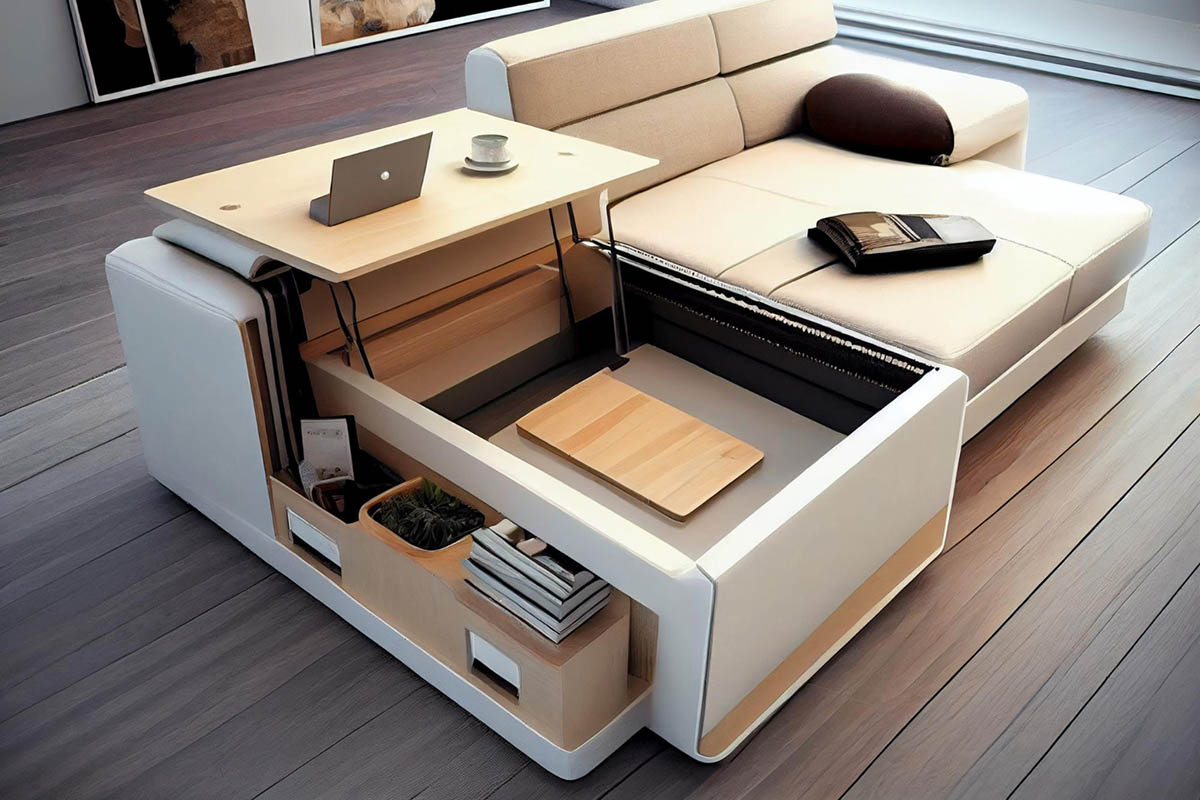
Smart furniture is designed to maximize functionality without compromising on style.
For example, a sofa might feature a pull-out bed mechanism, providing a comfortable sleeping space for guests without requiring extra room for a guest bed.
Additionally, a coffee table might incorporate hidden compartments or drawers, offering convenient storage solutions for magazines, remote controls, or other items, thereby minimizing clutter in the living space.
Similarly, a recliner can serve as a versatile addition to your small space.
Not only does it offer a cozy spot to relax, but it also provides comfortable seating for reading, watching TV, or simply unwinding after a long day.
Opt for a compact recliner with a space-saving design that fits seamlessly into your living area, adding both comfort and functionality without taking up too much floor space.
Whether you prefer a classic leather recliner or a modern fabric option, there are plenty of styles to choose from to complement your existing decor.
Plus, some recliners come with additional features such as built-in storage compartments or cup holders, further enhancing their utility in a small space.
Moreover, the practicality of smart furniture extends to its ease of use and versatility.
Many smart furniture pieces are lightweight and feature ergonomic designs, making them effortless to move and rearrange as needed.
Whether you’re reconfiguring your living room layout for entertaining guests or simply seeking a change in ambiance, smart furniture allows you to effortlessly adapt your space to suit your evolving needs and preferences.
Where to Find Smart Furniture
- Local Furniture Stores: Many furniture stores carry a selection of smart furniture designed for small spaces. Visit your local stores and ask about their compact options.
- Online Retailers: You can also find a wide range of smart furniture online. Some websites offer a variety of space-saving solutions that can be delivered right to your door.
- Secondhand Shops: Don’t overlook thrift stores and consignment shops. You might be surprised at the gems you can find, and buying secondhand is often more budget-friendly.
Tips for Making the Most of Your Space
✅Measure Twice, Buy Once: Before shopping, carefully measure your space. You’ll want to make sure that any furniture you buy fits comfortably without overcrowding the room.
Additionally, consider the layout and flow of the room when measuring. Take note of any architectural features, such as doorways, windows, or alcoves, that could affect furniture placement. It’s also helpful to measure the clearance space around existing furniture to ensure that new pieces won’t obstruct pathways or create a cramped feeling.
Taking accurate measurements beforehand can save you time and frustration during the shopping process and help you make informed decisions about which pieces will best suit your space.
✅Prioritize Versatility: Look for furniture that can serve multiple purposes. A sofa bed or a dining table with folding leaves can save space while still being functional.
When selecting furniture for small spaces, prioritize pieces with sleek and minimalist designs to create an illusion of openness and prevent visual clutter. Opting for light-colored furniture and incorporating mirrors can also help reflect light and make the space feel larger and more airy.
✅Think Vertical: Don’t forget about your walls! Shelving units and wall-mounted cabinets can provide extra storage without taking up valuable floor space.
Consider incorporating floating shelves to maximize vertical space utilization.
These sleek and modern shelves not only offer storage but also serve as decorative elements, allowing you to showcase your favorite books, plants, or decor items.
Additionally, utilizing wall-mounted cabinets with doors can help keep clutter hidden while maintaining a cohesive look in your space.
Opt for adjustable shelving units to accommodate different items and make the most out of your wall storage solution.
Don’t overlook the potential of hooks or pegboards for hanging items like coats, hats, or kitchen utensils, further optimizing your wall space for practical storage.
✅Keep It Simple: Stick to light colors and simple designs to create a sense of openness in your space. Avoid bulky furniture that can make your room feel cramped.
Final Thoughts
Living in a small condo or apartment does not require sacrificing comfort, style, or personality.
The goal is not to fill every available corner but to choose condo-size furniture that supports the way you actually live.
Before making a final purchase, ask:
- Does the piece fit through every entrance and hallway?
- Can it perform more than one useful function?
- Is it comfortable enough for regular use?
- Will it improve storage or create more open floor space?
- Can it adapt if you move or rearrange the room?
- Does its quality justify the price?
Thoughtfully chosen small-space furniture can reduce clutter, make cleaning easier, and create clearer boundaries between working, eating, relaxing, and sleeping.
This is especially important for people who work from home and need their apartment to support both productivity and rest.
A modular sofa can make entertaining easier, an extendable table can shift between work and dinner, and hidden storage can reduce the visual noise that makes a small room feel stressful.
These practical choices can give you more freedom in your daily routine, not merely a more attractive interior.
Measure carefully, prioritise durability, and add furniture gradually.
A functional small home should feel calm, flexible, and personal rather than crowded with pieces that looked appealing in a showroom.