If Not Now, When? Content Trends 2026 Rewards Action
✨Key Points
Perfection no longer builds trust — emotional, imperfect content now signals credibility and connection.
People search, decide, and build loyalty inside social platforms, not traditional websites.
Brands that focus on meaning, lifestyle, and honest storytelling will outperform trend-chasers.
What kind of content will work in 2026 — and what will finally lose its relevance?
2025 was about values and storytelling, and those aren’t going anywhere.
What is changing is the level of competition in creativity, the desire of creators to attract and hold attention, to create something meaningful that lasts, and the speed at which content is consumed.
So the real question is this: how do you adapt to these changes so you’re not just “keeping up,” but actually making a real breakthrough in your content creation?
Will you give up — or finally make the push to bring your personal brand or business to the world and start earning from social media in a meaningful way?
This article brings together the key social media trends for 2026, along with inspirational examples.
What you do with them is up to you. As always, you are the creator of your life, and what you choose today shapes your future — so let’s go.
Social platforms are changing faster than ever, and today the winners aren’t those who blindly copy trends, but those who understand their meaning and know how to integrate them into their own strategy.
This material will be useful for marketers, SMM specialists, businesses, content creators, and anyone building a personal brand who wants to stay relevant in 2026.
The Era of Organic Content (Finally, for Real)
The biggest shift? Organic content is no longer optional.
✨Key insight: the ability to create organic content has become a key skill.
The formula is simple: first, strong, authentic content that people want to watch and share — and only then amplify it with paid targeting.
People are tired of content that looks good but feels empty.
What works now are:
visual worlds you want to sink into;
aesthetics you want to watch until the end;
content that feels intentional, not forced;
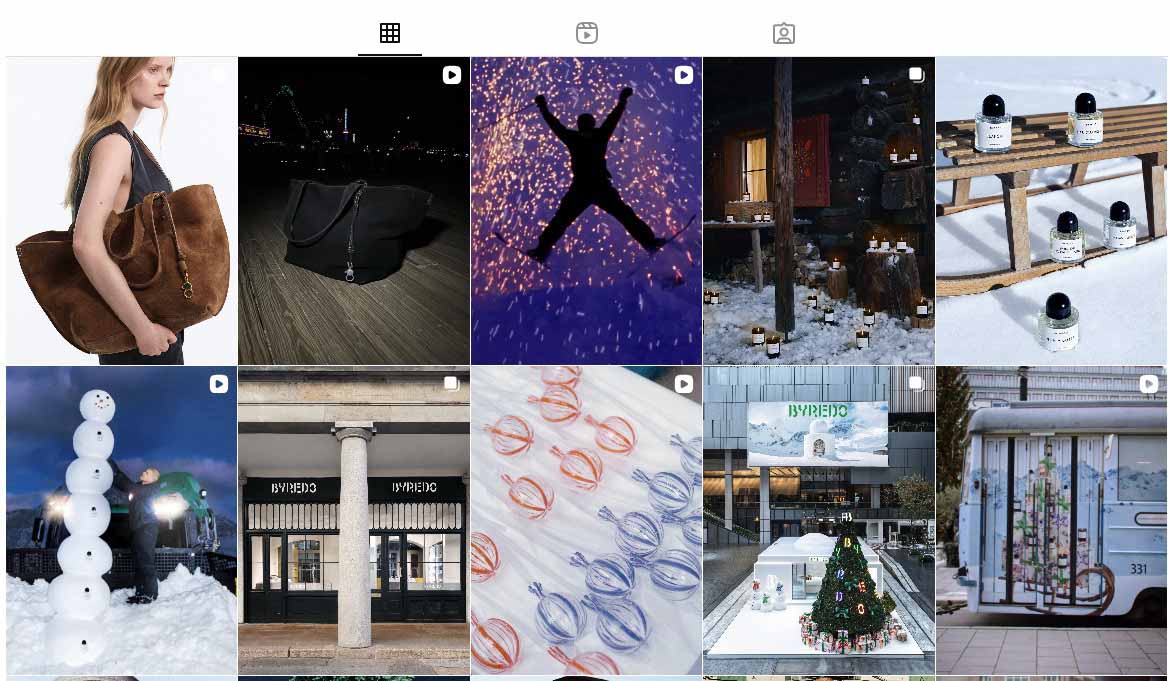
A great example is Byredo. Their videos don’t shout. They stop your eye.
You want to watch one, then another, then another — not because they’re loud, but because they’re immersive.
Another strong organic example is Honey. Videos where owners or staff taste desserts work better than polished ads because they trigger something simple: “I want that too.” That’s organic desire, not performance marketing.
We’re also seeing:
longer personal videos (2–3 minutes) where a thought unfolds;
“content machines” where multiple creators make content for one brand;
creator-led brand accounts like JYSK, where entertainment builds loyalty;
brands like Fizi, where one real person runs the account and talks daily with the audience.
Organic works when it feels human.
The Era of Opinions, Not Formats
View this post on Instagram
✨This is clearly visible on @Threads: it’s not formats that take off there, but ideas, viewpoints, and bold phrasing.
The stronger and more honest the thought, the more people want to discuss it.
The key is balance — provoking conversation without damaging your own reputation.
In 2026, having a point of view is a growth strategy.
The Trust Crisis (and Why Authenticity Is No Longer Optional)
Audiences choose brands with honest and transparent communication.
✨The formula for success is: deep audience understanding → authenticity → emotional connection → trust.
Authenticity is no longer optional — it has become a competitive advantage.
People choose brands with:
transparent communication;
consistent behavior;
emotional intelligence;
Authenticity is no longer a “nice tone.” It’s leverage.
A strong example is Nike and their Why Do It campaign. Instead of glorifying results, they speak to reasons. Motivation. Meaning. Especially for younger audiences, this shift matters.
Irony and honesty also work — but only when they’re real, not calculated.
Lifestyle Marketing Over Selling
Sales are no longer the end goal. Today, brands and personal blogs communicate a lifestyle people want to belong to. Values, habits, rituals, and ways of thinking are becoming more important than the offer itself.
In 2026, brands and personal blogs sell belonging:
a way of thinking;
habits and rituals;
a pace of life;
People choose their “favorites” in the feed and immerse themselves in their content as a familiar lifestyle and daily habit.
That’s why video series are becoming especially relevant, where one topic is broken into multiple episodes.
Immersion into a lifestyle. The brand becomes the backdrop for stories, and the product becomes part of the narrative.
A brands create a context that people want to be part of. Brands create conditions, situations, and a vibe people want to join.
The FaceTime Effect: Content That Feels Like a Conversation
Content that feels like a live conversation, not a production. A camera, a moment, a thought — and it feels like you’re talking one-on-one.
That’s why these formats are increasingly engaging. Speaking in the car, on the move, or right after an insight at the office creates a sense of realness.
Wellness as a Content Language (Not a Niche)
Wellness is no longer a niche — it’s a language.
Even non-wellness brands are moving toward:
calm visuals;
softer light;
slower pacing;
Two things stand out:
Nostalgia — our brains like what feels familiar
Micro-happiness — real balance over “success theater”
People connect deeply with content like:
“What I didn’t achieve by 40”
“A failure we had in our business”
“This didn’t work out”
Showing the other side of success builds trust.
Personal brands especially work best when built on clear storylines:
entrepreneur + sport
finance + discipline + self-development
That’s how we see a real person, not a flat persona.
Conscious Influencer Marketing
Reach is losing value. Alignment is gaining it.
Brands are looking for:
niche experts;
shared values;
trust over scale;
We’re also seeing the rise of granfluencers — older creators representing experience, calm, and stability.
Influence in 2026 is quieter, but deeper.
The Social Search Era
TikTok, Instagram, and Threads are now search engines.
People search directly in feeds for:
reviews;
advice;
real experience.
Content that works looks like answers:
“how to choose,”
“what to try,”
“where to find,”
“my favorites,”
“top books,”
“recipes.”
Even if your brand isn’t active on Threads, conversations about it probably are.
Messaging Over Noise
Strong brands choose one main message and build everything around it.
Something people want to:
quote;
share;
pass on;
That message becomes an emotional anchor.
Beating Banner Blindness Through Humanization
his is no longer a trend — it’s already a necessity for modern SMM.
What matters here is understanding the brand’s character and trying to humanize it. Ask yourself: what does this brand live by? How would it speak if it were a person? What would it talk about?
A good example is the Ukrainian gin brand Haister. It’s important to note that I’m against alcohol consumption, and I’m mentioning this example purely in the context of a marketing case.
The way they run their page, announce collaborations, and write copy immediately grabs attention. It feels like they’re almost manifesting against content in its classic, conventional form.
AI Fatigue & Human Proof
Perfection now feels suspicious. Imperfection signals life.
People subconsciously look for:
consistency;
recognizable voice;
context;
flaws.
Humanity builds trust faster than polish.
Curators Over Creators
Algorithms are losing credibility.
People increasingly trust:
curators;
editors;
people who filter information.
Curation becomes authority.
Curators Over Creators
Algorithms are losing credibility. Audiences increasingly rely on:
curators;
trusted editors;
people who filter information, not just create it.
Curation becomes a form of authority — and a new layer of influence.
Final Insight
People are tired of creativity for the sake of creativity.
They’re tired of “million-view” videos that deliver no real results.
The biggest content and marketing trend of 2026 is content that genuinely helps make life easier.
Today, thought and perspective are the most valuable.
People still love aesthetics, but they gravitate toward those who offer clarity, ideas, answers, and explanations — toward personalities who think in interesting ways and share those thoughts sincerely.
Analise your target audience, study what truly resonates with their needs, pain, desires and dreams, and create your own trends.