Cracked Concrete? When Resurfacing Makes More Sense Than Full Replacement
✨Key Points
Concrete doesn’t fall apart overnight small cracks and stains sneak up on you.
What looks cosmetic can impact safety, home value, and resale inspections.
The real choice is resurfacing vs. full replacement and that’s a money decision.
Outdoor spaces rarely deteriorate all at once.
The decline is gradual, which makes it easy to overlook until repair becomes unavoidable.
A patio that once looked smooth and well-kept may now show surface cracks, scaling (also called spalling), discoloration from UV exposure, or rust stains from patio furniture.
Pool decks often develop hairline fractures from freeze thaw cycles, salt damage, or ground movement.
Walkways can become slick due to worn broom finishes or algae buildup, creating both safety risks and liability concerns.
What started as minor cosmetic wear can quickly affect curb appeal, home value, and even resale inspections.
At that point, most homeowners begin searching for practical solutions:
- How to fix cracked concrete without replacing it;
- Best resurfacing option for pool decks;
- Concrete overlay vs. full slab replacement;
- How much does it cost to resurface a patio?
- How to make a pool deck less slippery;
The real decision is not just aesthetic. It is financial and structural.
Do you invest in full demolition and new concrete, which can cost thousands and require weeks of downtime?
Or do you explore resurfacing systems and decorative concrete overlays that restore appearance and improve traction without removing the existing slab?
Understanding whether the damage is structural or surface-level is the first step toward making a cost-effective upgrade decision.
What exactly is a Carvestone overlay?
Replacing concrete completely can be a major project, especially if the base is still solid.
That’s why many people turn to options like a carvestone overlay, which is applied directly over existing surfaces.
It’s not paint, and it’s not stamped concrete.
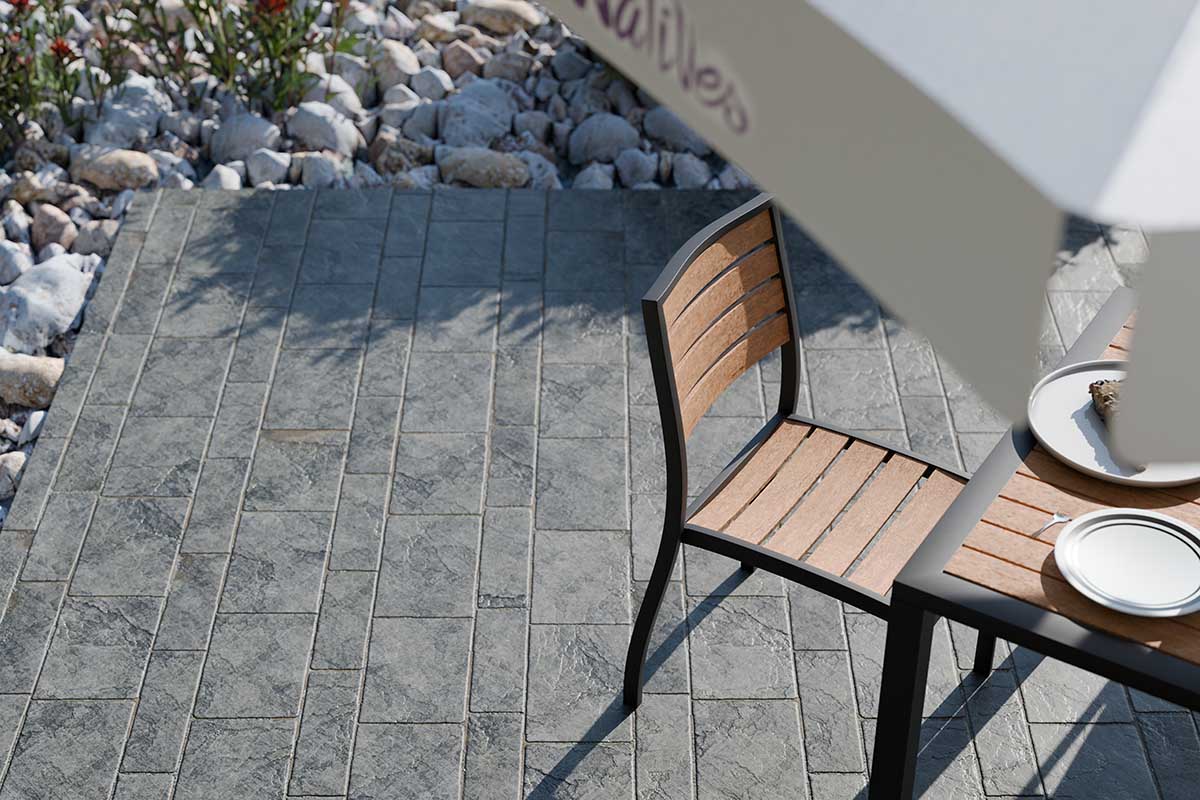
Carvestone is hand-troweled and carved, giving it a natural stone appearance with much more durability than typical coatings.
One of the biggest advantages especially if you’re wondering “is Carvestone a good option for upgrading a patio or pool deck?” — is that it doesn’t require tearing up what’s already there, assuming the base is still in decent shape.
That makes the process far less invasive and usually much quicker than full demolition and replacement.
Plus, each application is completely customizable, with patterns and color combinations that can complement everything from sleek, modern patios to more traditional poolside designs.
Why Carvestone is different from other decorative concrete
There are plenty of resurfacing options out there, so it’s fair to ask what makes carvestone stand out.
Unlike many spray-on or roll-on coatings, carvestone is thick, textured, and designed to last.
It’s made with real limestone and strong bonding agents, which gives it both durability and a natural appearance that doesn’t peel or flake over time.
Another difference is in how it’s applied.
Because it’s hand-carved, it avoids the repetitive or overly symmetrical look that stamped concrete sometimes creates.
That craftsmanship also means it can be shaped to mimic flagstone, slate, or even more rustic patterns depending on your style preferences.
But perhaps most important especially for homeowners asking “is carvestone a good option for upgrading a patio or pool deck?” is how well it performs.
The surface is slip-resistant, which makes a big difference around pools or in shaded areas that stay damp longer.
It also doesn’t trap heat the way some darker concrete surfaces can, so it stays more comfortable to walk on during those hot afternoon hours.
Where it works best, and what to expect
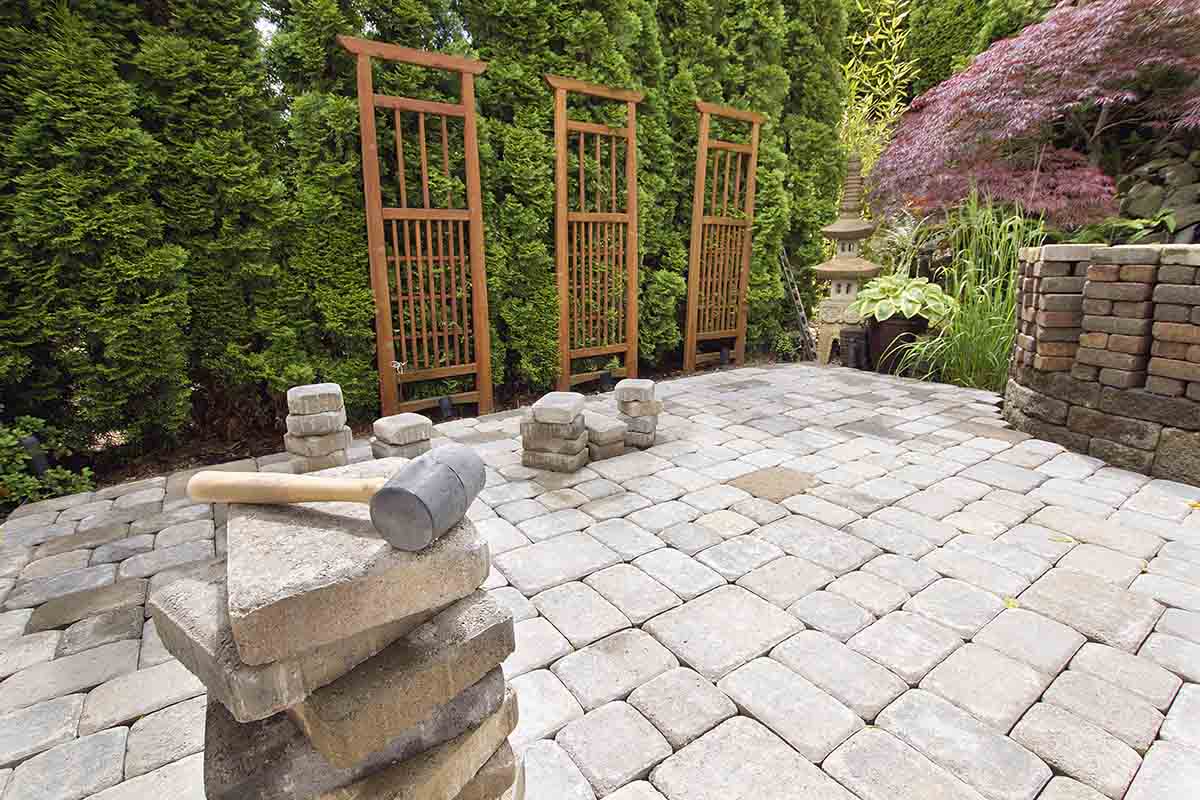
Carvestone is especially popular for patios, driveways, walkways, and pool decks.
Basically, any outdoor surface where looks and performance both matter.
It works best on structurally sound concrete, so if your existing surface has deep cracks or unstable areas, those might need to be addressed before the overlay goes down.
Once installed, maintenance is relatively low.
Occasional sealing helps protect the surface and keeps the color looking sharp, but otherwise, it’s built to handle the elements.
A low-stress upgrade with lasting impact
If your outdoor space feels tired but the idea of starting from scratch sounds overwhelming, carvestone might be the middle ground you didn’t know existed.
It offers a way to completely refresh the surface without turning your yard into a construction site for weeks.
❓ Frequently Asked Questions
Q: Is Carvestone more durable than standard concrete?
A: Yes. Carvestone typically has a 5,000+ PSI rating, making it nearly twice as strong as standard 2,500–3,000 PSI concrete. While standard concrete is prone to chipping and surface wear, Carvestone’s blend of limestone, quartz, and polymer bonding agents is engineered to withstand heavy vehicle weight and intense UV exposure without peeling.
Q: How does Carvestone handle the heat on pool decks?
A: Carvestone is specifically designed for thermal comfort. Unlike dark-colored stamped concrete or pavers that trap solar energy, Carvestone’s limestone-based composition remains cooler to the touch. This makes it an ideal choice — especially for homeowners asking “is Carvestone a good option for upgrading a patio?” and it’s particularly well-suited for pool decks where bare-foot traffic is common during peak summer afternoons.
Q: Can Carvestone be applied over cracked concrete?
A: It depends on the type of crack. Carvestone is excellent for covering surface-level spiderweb cracks or cosmetic imperfections. During the hand-carving process, installers can actually incorporate existing cracks into a random flagstone pattern, making them invisible. However, if your concrete has structural “heaving” or deep cracks caused by shifting soil, those must be repaired or stabilized first, as the overlay will eventually mirror the movement of the slab beneath it.
Q: Is the surface slippery when wet?
A: No. Carvestone features two layers of slip protection. First, the hand-troweled texture creates a traction-grabbing grain. Second, a non-skid agent is typically cross-linked into the final sealer. This dual-approach makes it safer for wet pool areas than smooth-sealed stamped concrete.
Q: What is the maintenance schedule for a Carvestone overlay?
A: To maintain your warranty and the stone’s color vibrancy, you should reseal the surface every 2 years. General cleaning can be done with a garden hose or a low-pressure power washer (under 1,500 PSI). Avoid dragging heavy furniture or sharp metal objects across the surface, especially in the first 30 days while the product reaches full structural cure.
Q: How much does Carvestone cost compared to new concrete?
A: While specific pricing varies by region, a Carvestone overlay typically costs 40% to 60% less than tearing out and replacing an existing slab. In 2026, professional decorative overlays generally range from $7 to $20 per square foot, depending on the complexity of the hand-carved pattern and the number of stain colors used.