
Why Word-of-Mouth Marketing Still Beats Paid Ads, Even Today
✨Key Points
- Paid ads cost more and are easy to ignore, especially for smaller businesses.
- Word-of-mouth builds trust because people believe recommendations from people they know.
- Social media has made word-of-mouth even stronger and easier to spread today.
Word-of-mouth advertising can be easily underestimated in the face of quick and clean paid advertising.
Keep reading to learn about the cons of paid ads and why your business should consider the power of word-of-mouth marketing and what this kind of advertising looks like in the current technological era.
The Problems with Paid Ads
Before we turn to the virtues of word-of-mouth, we should first address the various problems with paid ads.
The most blatant issue with this form of advertising is that it is often so expensive.
Businesses are taking a financial risk when they purchase ads, and the money they spent will be wasted if the ad campaign is not effective.
This is especially true for startups and other smaller businesses with tight budgets.
The other major issue with paid ads is that they can be ignored with ease.
Potential customers can not look up from their phones to look at physical ads, and digital ads can be muted or often even swiped away while potential customers are scrolling online or watching content.
Paid advertising cannot grab attention as well as one customer directly recommending a product to a potential new customer.
Why Choose Word-of-Mouth Advertising?
The two biggest reasons you should choose word-of-mouth advertising are the inverse of paid advertising’ main cons.
Firstly, spreading word of your business organically from customer to customer is much less expensive than simply buying ads or putting on full-scale ad campaigns.
The exact price of such advertising can range a lot, but word-of-mouth will always pose a smaller financial risk.
Secondly, word-of-mouth advertising is not so easy to ignore.
Some might think this is rather old-fashioned, but talking about a business out loud or online is much more likely to get a person’s attention than a paid ad.
Even in this increasingly digital age, real people and their opinions are prized higher, especially if the customer knows the person well, than interacting with a picture or video.
Human-to-human interaction builds customer trust and adds a personalized touch that paid ads cannot replicate.
Brand Trust and Customer Loyalty
Word-of-mouth advertising is integral to building both brand trust and customer loyalty.
Paid ads can be bought by virtually anyone, but a recommendation by a real-life friend, family member, or coworker is going to carry more weight.
Potential customers will inherently trust your brand more and believe that they are being recommended a specific product or service because the person who made the recommendation knows their needs and wants well enough to make the suggestion.
Word-of-mouth advertising helps build custom loyalty, because someone who recommends your products or services are much more likely to keep using and purchasing them.
Unlike with paid ads, this form of advertising ensures a network of customers who will do a lot of the marketing for you instead of trying to appeal to a single potential customer at a time.
Brand trust and customer loyalty are key parts of positive brand sentiment and overall brand reputation, and a personalized word-of-mouth recommendation has these characteristics built into your advertising strategy.
For example, a customer who was very pleased with their recent tent rental could tell his friends and colleagues that the company also offers large scale rentals for prolonged periods of time.
They might even suggest this specific tent rental company in response to their close friend or family member discussing their need to tent rental needs about an upcoming event they have to throw.
Built-In Personalization
The last major benefit of word-of-mouth advertising is that it comes with built-in personalization.
Paid advertising can try their best to appeal to specific target audiences using demographic information and data, but actual friends, family members, and colleagues can personalize their recommendations in a much clearer and convincing manner.
The reason word-of-mouth advertising comes with built-in personalization is because a potential customer’s friends, family, and acquaintances will likely know the person well enough to know why they specifically would want a certain product or service.
Understanding the interests or even deeper psychology behind a person’s behavior makes it easier to choose brands and products for them.
In this era of emerging technologies where companies have started shifting much of their customer service and advertising over to software and AI, personalized marketing schemes based on word-of-mouth have a distinct advantage.
For example, a potential customer who is complaining to their friend that they don’t know how to plan their upcoming wedding around such unpredictable weather could be told about a tent rental company that offers both heating and air conditioning add ons.
Word-of-Mouth in the Modern Era
In this modern technological era, word-of-mouth advertising has come to look much different than one might have imagined just a decade or so ago.
This type of advertising used to mean simply two people talking informally and face-to-face about a particular product or service and why one person recommended it.
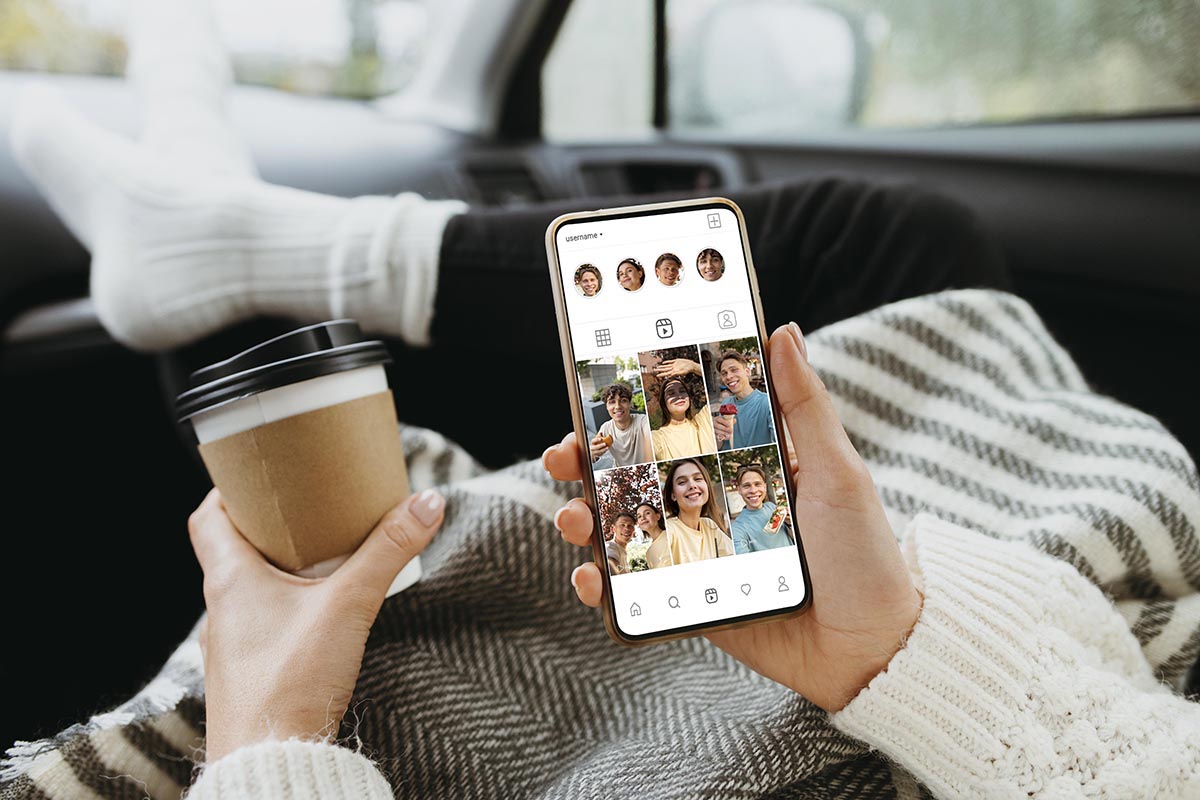
Nowadays, word-of-mouth marketing often takes the form of one person talking about products and maybe even sending links to said products to someone that they know via text message or direct message over social media.
Billions of potential customers use social media apps, and consumers will often post about their favorite products online.
One very common example of modern word-of-mouth marketing is a customer posting a picture of their iced coffee and tagging the name of the specialty coffee shop that made and served them their beverage.
Said business might have even offered a discount of some kind for costumes who posted their daily coffee with the official brand tagged.
Modern companies will likely use a mix of both word-of-mouth advertising and paid ads, especially once the business has grown to the point that a multi-faceted advertising campaign is needed.
No matter what, businesses of any sign or legacy should not underestimate the power of promoting their brand through word-of-mouth.