How Adhesive Remover Spray Makes Wound Care Easier and Pain-Free
✨ Key Points
- Removing dressings can hurt more than the wound, adhesive remover spray makes it gentle and pain-free.
- It protects sensitive skin, helping wounds heal faster without irritation or damage.
- Easy to use and versatile, it improves comfort in both home care and clinical settings.
Effective wound care goes beyond simply treating the injury, it also involves protecting the surrounding skin and ensuring patient comfort throughout the healing process.
One of the most common sources of discomfort in wound management is the removal of adhesive dressings.
This is where adhesive remover spray becomes an essential tool, especially in modern care settings where advanced dressings are widely used.
The Hidden Challenge of Adhesive Dressings
Adhesive-based dressings are designed to stay securely in place, protecting wounds from contaminants and physical disruption.
While this is beneficial for healing, it creates a challenge during removal.
Patients often experience:
- Pain when dressings are pulled away
- Skin irritation or redness
- Tearing of fragile skin
- Residual adhesive buildup
These issues are not only uncomfortable but can also delay healing by damaging the surrounding skin.
What Makes Adhesive Remover Spray Different?
Adhesive remover spray is specifically formulated to address the drawbacks of traditional dressing removal.
Unlike simply pulling off a dressing, which can harm the skin, this spray works at a chemical level to gently release adhesive bonds.
Most sprays are:
- Silicone-based
- Alcohol-free
- Non-irritating
- Fast-acting
This combination ensures that the adhesive is dissolved without causing stinging or dryness.
How It Supports the Healing Process
Wound healing is highly dependent on the condition of the surrounding skin.
Damage to this area can lead to complications, including infection and delayed recovery.
Adhesive remover spray contributes to better healing by:
- Preserving Skin Integrity. Repeated trauma from adhesive removal can weaken the skin barrier. The spray prevents this by minimizing mechanical stress.
- Reducing Inflammation. Gentle removal helps avoid redness and irritation, both of which can interfere with healing.
- Preventing Secondary Injuries. Skin tears caused by aggressive removal can create new wounds, especially in vulnerable patients.
Ideal Use Cases for Adhesive Remover Spray
This product is versatile and can be used in a variety of wound care scenarios:
- Post-Surgical Care. After surgery, dressings often need to be changed regularly. The spray ensures these changes are as painless as possible.
- Chronic Wound Management. Patients with long-term wounds, such as ulcers, benefit from reduced skin trauma during frequent dressing changes.
- Fragile or Aging Skin. Older adults have thinner skin that is more susceptible to injury. Adhesive remover spray offers a safer alternative.
- Pediatric Care. Children are particularly sensitive to pain. A gentle removal process can make wound care less stressful for both the child and caregiver.
Step-by-Step Application Guide
Using adhesive remover spray correctly ensures maximum effectiveness:
- Start at the Edge
Gently lift one corner of the dressing. - Apply the Spray
Spray directly onto the adhesive area where the dressing meets the skin. - Allow Time to Work
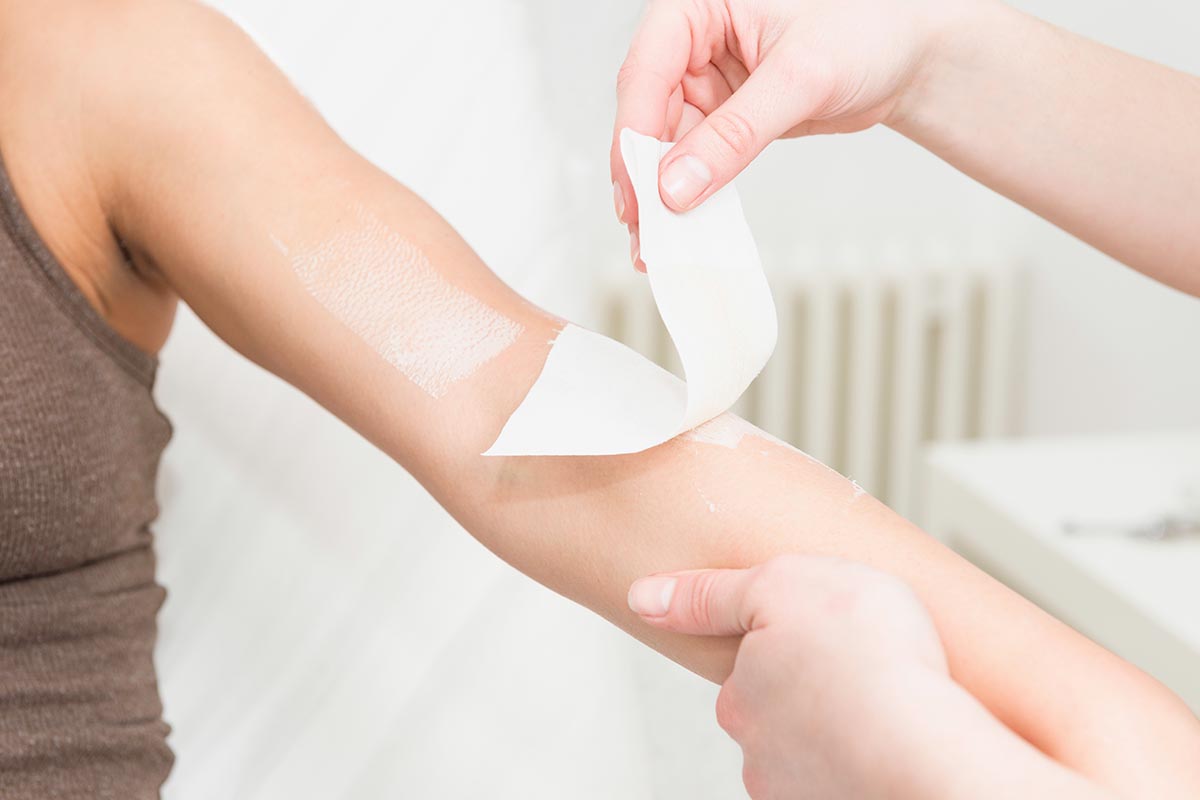
Wait a few seconds for the solution to break down the adhesive. - Peel Slowly
Continue to spray as you gradually remove the dressing. - Clean the Area
Remove any remaining residue before applying a new dressing.
Advantages Over Traditional Removal Methods
- Less Pain. Manual removal can be uncomfortable, especially for sensitive wounds. The spray eliminates most of this discomfort.
- Faster Process. The adhesive dissolves quickly, making dressing changes more efficient.
- Better Hygiene. Unlike improvised solutions, medical-grade sprays are designed for safe use on the skin.
- Consistent Results. Each application delivers predictable performance, unlike manual techniques that vary in effectiveness.
Common Types of Dressings That Benefit from Adhesive Remover Spray
Adhesive remover spray is compatible with a wide range of wound care products, including:
- Foam dressings with adhesive borders;
- Hydrocolloid dressings;
- Transparent film dressings;
- Medical tapes and securement devices;
These dressings are designed to adhere strongly, making a remover spray especially useful.
Mistakes to Avoid When Using Adhesive Remover Spray
Even though it is simple to use, certain errors can reduce its effectiveness:
- Applying too little spray – May not fully release the adhesive;
- Rushing the process – Allow time for the solution to work;
- Spraying directly into the wound – Intended for surrounding skin only;
- Not removing residue – Can affect the adhesion of new dressings;
Following proper technique ensures the best results.
The Role in Long-Term Patient Care
For patients requiring ongoing wound management, comfort and consistency are critical.
Adhesive remover spray plays a key role in:
- Encouraging adherence to treatment plans;
- Reducing anxiety associated with dressing changes;
- Maintaining skin health over extended periods;
This makes it an important component of both professional and home care routines.
Skin-Friendly Formulations
Many modern adhesive remover sprays are designed with sensitive skin in mind. Features may include:
- Hypoallergenic ingredients
- Fragrance-free formulas
- Non-greasy finishes
- Quick evaporation
These characteristics ensure that the product is suitable for frequent use without causing buildup or irritation.
Cost-Effectiveness in Wound Care
Although adhesive remover spray may seem like an additional expense, it can actually reduce overall costs by:
- Preventing skin damage that requires further treatment;
- Reducing the need for additional protective products;
- Minimizing complications that extend healing time;
In the long run, it supports more efficient and economical care.
Psychological Benefits for Patients
Painful dressing removal can create a negative association with wound care, leading to stress and avoidance.
By eliminating discomfort, adhesive remover spray helps:
- Build patient confidence;
- Reduce fear of treatment;
- Improve overall experience;
This is particularly important for patients undergoing long-term or intensive care.
Integrating Adhesive Remover Spray into Daily Care
Whether in a clinical environment or at home, incorporating adhesive remover spray into routine wound care is straightforward.
It requires minimal training and can be used by:
- Healthcare professionals;
- Caregivers;
- Patients themselves;
Its ease of use makes it accessible while still delivering professional-level results.
Conclusion
Adhesive remover spray is a small addition to wound care routines that delivers significant benefits.
By enabling gentle, pain-free removal of dressings, it protects the skin, enhances comfort, and supports faster healing.
As wound care continues to advance, solutions that prioritize both effectiveness and patient experience are becoming increasingly important.
Adhesive remover spray stands out as a practical and reliable tool that meets these needs, making it an essential component of modern wound management.