5 Ways AI Glasses Are Helping People Stay Present Without Giving Up Connectivity
✨ Key Points
- AI glasses provide calls, navigation, and information without requiring users to look down at a phone.
- Hands-free cameras help people capture moments while remaining engaged with their surroundings.
- Modern AI glasses combine everyday connectivity with comfortable, stylish designs suitable for daily wear.
There is a version of modern life that most of us recognize but few of us have fully solved: the one where you are technically present somewhere but mentally somewhere else entirely because your phone keeps pulling you back.
It happens at dinner, on a walk, at a school event, on a trip you saved up for months to take.
The phone is useful and necessary, and it is also the thing that keeps quietly inserting itself between you and wherever you actually are.
AI glasses have emerged as one of the more honest attempts to resolve that tension, not by eliminating connectivity but by changing the way it is accessed.
The idea is straightforward: keep the person connected to the information and communication they genuinely need, without asking them to look away from their life to get it.
The Problem With the Phone Is Not the Phone Itself
It is worth being precise about what the phone is actually doing wrong, because the answer shapes what a solution needs to look like.
The problem is not that the phone provides connectivity.
Connectivity to the people we care about, to information we need, to the world beyond our immediate surroundings, is genuinely valuable.
The problem is the physical act of accessing it: the reaching, the unlocking, the looking down at a screen, and the inevitable scroll that follows.
Each of those micro-interactions pulls attention away from what is happening right in front of you, and once attention has moved it takes longer to come back than most people realize.
The phone is not the enemy.
The interaction model is.
Any solution that keeps the useful parts of connectivity while removing the constant demand to physically engage with a device is worth paying attention to.
What AI Glasses Actually Do in Everyday Life
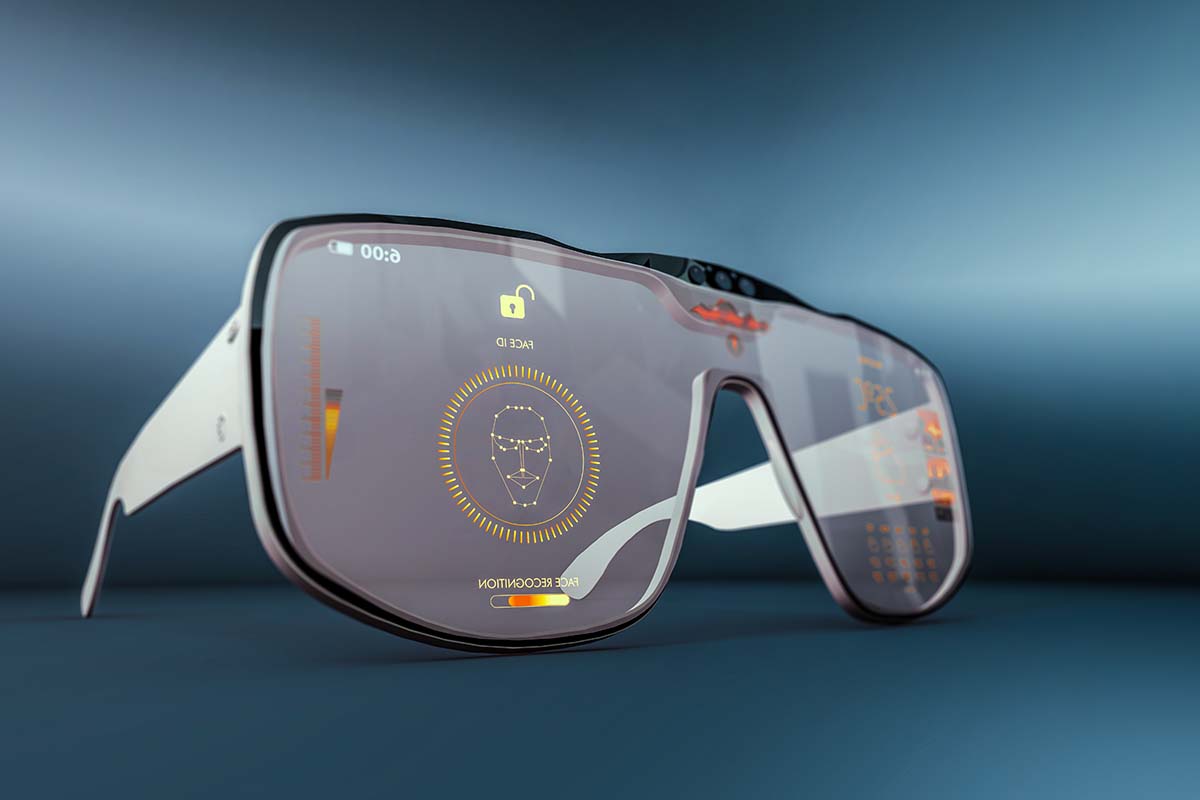
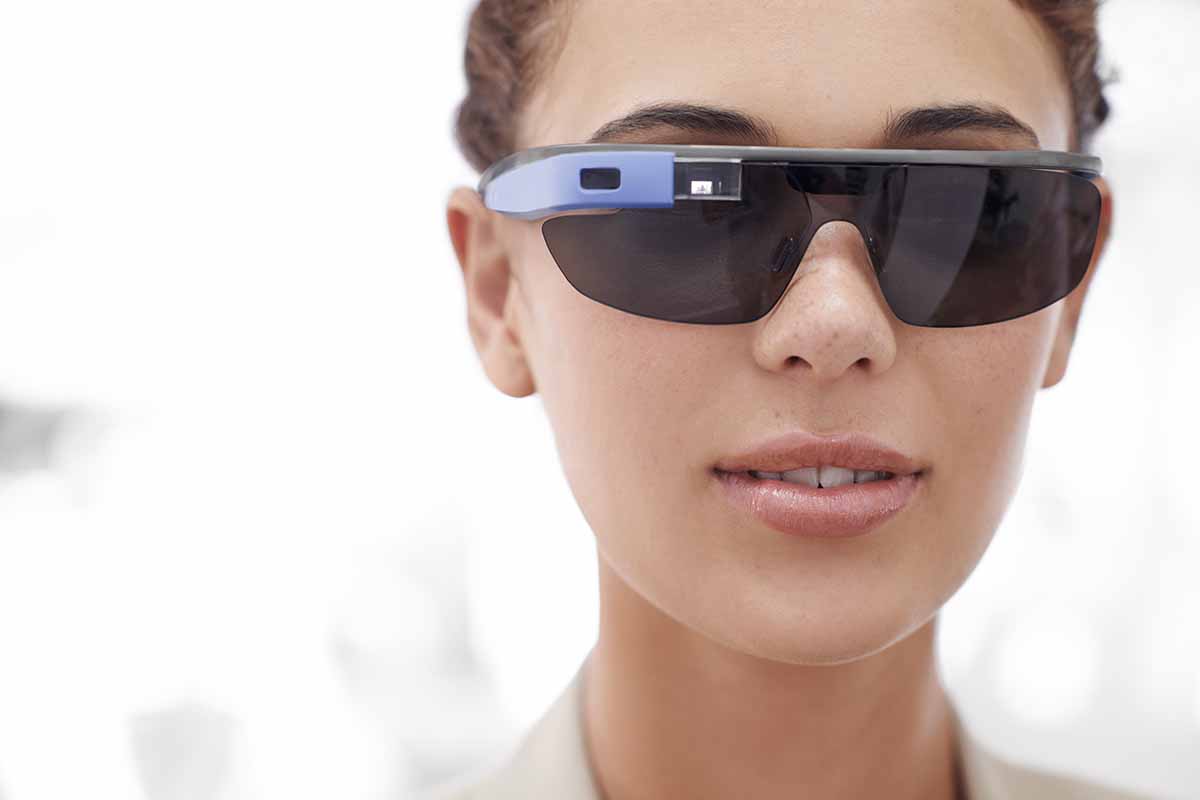
AI glasses are not as complicated as they might sound. At their most basic, they are a pair of glasses with open-ear speakers in the temples, a microphone, a camera, and an AI assistant built in.
That combination covers most of the reasons people reach for their phone throughout the day: a call comes through and you can answer it without picking anything up; a navigation cue arrives through the frame while your eyes stay on the street; a question occurs to you and you can ask it out loud and hear the answer without looking at a screen.
The camera adds another dimension: it captures what you are looking at, from eye level, at the moment you are looking at it, which means you can document a moment without stepping outside it to frame a shot.
For anyone who has ever watched a sunset through a phone screen instead of just watching the sunset, that distinction is more meaningful than it sounds.
The design of camera-equipped frames has come far enough that AI glasses from Oakley and similar current options look nothing like the self-conscious tech eyewear that defined the category’s earlier years, which is part of why consistent daily wear has become a realistic expectation rather than an optimistic one.
Staying Connected With People Without Being Distracted by Everything Else
One of the more personal benefits of AI glasses that does not get talked about enough is what they do for the quality of being in contact with other people.
When a call comes through on a phone, the act of answering it changes the dynamic of wherever you are: the phone comes out, you look at it, the people around you adjust to the fact that you are now partly elsewhere.
With open-ear audio through smart glasses, a call can be taken and finished without any of those signals.
You stay visually present in the space, the conversation with the person on the other end is private enough to feel natural, and the transition back to wherever you were before the call is immediate rather than gradual.
For parents, for people who travel frequently, and for anyone who moves through a lot of different contexts in a single day, that kind of seamless communication without visible device management makes a real difference to how connected and how present they feel simultaneously.
The Difference Between Capturing Life and Documenting It
There is a distinction that AI glasses make very clear once you have worn them for a day: the difference between capturing life and documenting it.
Documenting is what happens when you pull out a phone: you make a decision, you frame a shot, you record something you have identified as worth recording.
Capturing is what happens when the camera is already on your face: the footage reflects what you were actually paying attention to rather than what you decided to point a device toward.
A walk through a market, a meal with people you love, a child doing something funny for approximately two seconds before it is over: these are the moments that phone documentation tends to miss or flatten, and that a wearable camera catches without any of the friction.
The footage you come home with at the end of a day spent wearing AI glasses tends to be messier and more honest than anything produced by conscious documentation, and when you watch it back it is much closer to how you actually remember the experience than a carefully selected album of phone photographs.
A Quieter Relationship With Technology Is Worth Trying
The broader shift that AI glasses represent is less about any specific feature and more about what kind of relationship with technology they make possible.
Most of our devices are designed to compete for attention.
Notifications, alerts, feeds, and recommendation algorithms are all built around the idea that more engagement is better.
AI glasses work on a different assumption: that the best version of connectivity is the one you barely notice.
Audio that arrives through the frame without demanding you look at anything.
A camera that runs when you need it without requiring a production decision.
An AI assistant that responds when asked rather than interrupting when it has something to add.
None of this requires a dramatic lifestyle change or a commitment to digital minimalism.
It just requires trying a form of connectivity that is organized around your attention rather than constantly competing with it.
For anyone who has ever finished a day feeling like they were everywhere and nowhere at the same time, that is a genuinely different experience from the one most of us have gotten used to.
Conclusion
The live-it-or-capture-it tension, the feeling of being technically present somewhere while mentally managing a device, is one of those modern problems that sounds trivial and feels significant.
AI glasses do not solve it perfectly, but they address it more honestly than anything else currently available.
They keep you connected without asking you to constantly look away from your life to stay that way, and they capture what you are experiencing without requiring you to step outside the experience to document it. For most people that is not a revolutionary change.