How ADA Door Hardware Assessments Identify the Gaps Most Businesses Miss
✨ Key Points
- Door hardware can fall out of ADA compliance over time because of wear, weather, and frequent use.
- Assessments identify hidden issues such as excessive opening force, worn hardware, and poorly adjusted door closers.
- Regular inspections help businesses remove accessibility barriers, improve safety, and reduce compliance risks.
Your front door passed inspection when the building opened.
The hardware was specified correctly, the contractor signed off, and nobody has thought about it since. So why would anything have changed?
Quite a lot, as it turns out.
Doors are moving parts, and moving parts drift.
Across California and everywhere else, plenty of buildings that were genuinely compliant on day one no longer are.
The frustrating part is that almost none of the owners know it.
That is exactly what a door hardware assessment is for.
Here are the gaps it tends to find, and why they slip past everyone else.
Compliant on Paper Is Not the Same as Compliant Today
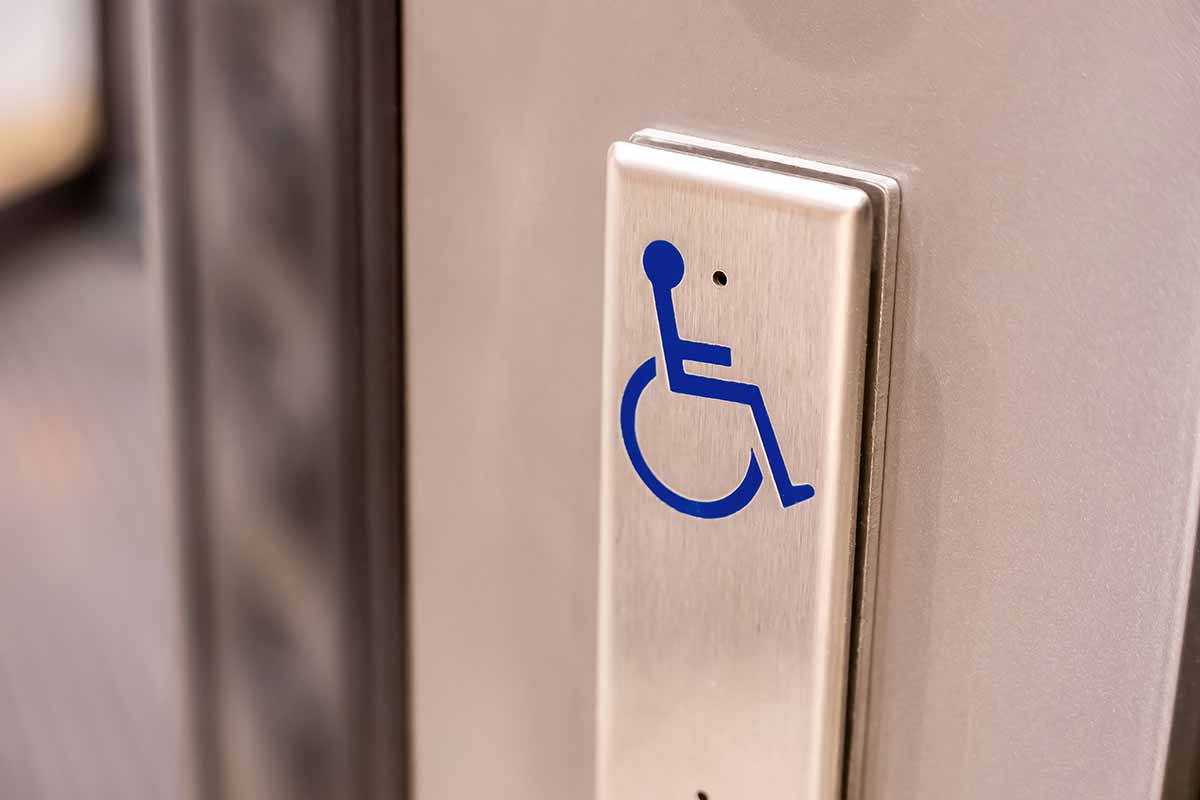
A commercial door that met ADA requirements when it was installed may not remain compliant years later.
Daily use, weather, and normal wear can gradually affect how a door operates, even if no obvious damage is visible.
This matters because accessibility affects a significant portion of the population.
According to the Centers for Disease Control and Prevention (CDC), about 1 in 7 U.S. adults have a mobility disability, making it one of the most common types of disability.
These are the employees, customers, and visitors who are most affected by doors that require excessive force or no longer function as intended.
Over time, door closers can fall out of adjustment, hardware can wear down, and entrances can become more difficult to use.
These gradual changes often go unnoticed until they create accessibility barriers or are identified during an inspection.
Regular assessments help catch these issues early, ensuring doors continue to provide safe and accessible access for everyone.
What an Assessment Actually Checks
A professional ADA door assessment is based on precise measurements, not visual estimates.
Even doors that appear to function normally can have issues that affect accessibility, safety, or compliance.
A typical assessment evaluates:
- The amount of force required to open each door.
- Closing speed and whether the door latches securely.
- Whether door hardware can be operated with minimal effort.
- The clear opening width when the door is fully open.
- Threshold height, condition, and any potential trip hazards.
- Available maneuvering space on both sides of the entrance.
- The performance of automatic door operators and push plates.
By identifying these issues early, property owners can prioritize necessary improvements before they become larger compliance concerns.
A thorough assessment also provides a clear roadmap for making practical upgrades that improve accessibility, enhance the user experience, and support long-term building performance.
The Gaps Most Businesses Miss
These are the ones that come up again and again, and they are rarely obvious from the doorway.
- Opening force that crept up: Door closers drift as seals age and hinges wear. A door set correctly at handover can end up well past the limit years later, with nobody noticing the change because it happened a little at a time.
- Right hardware, wrong position: A lever handle is compliant. A lever handle mounted outside the accessible reach range is not. The same goes for push plates placed where a wheelchair user cannot reach them from a resting position.
- Clear width lost to finishes: Width gets measured off the plans, then flooring, protection plates or a thicker frame quietly eat into it. What was 32 inches on paper can measure less in the finished building.
- Thresholds that have settled: Slabs move and thresholds wear. A lip that was flush at construction becomes a genuine barrier, and a trip hazard for everyone else.
- Latch and strike misalignment: A door that has dropped slightly needs a shove to close properly. That extra resistance rarely gets logged as an accessibility issue, but that is what it is.
- Operators nobody has tested: Automatic doors get used constantly and checked almost never. Sensors drift and boards fail, so a push plate that does nothing is more common than owners expect.
Reviewing ADA door hardware based on actual measurements instead of relying solely on the original spec sheet helps identify specific issues that can be addressed.
CLAD provides ADA door assessments and follow-up services, helping property owners evaluate existing entrances and make practical improvements where needed.
Why These Gaps Appear in the First Place
None of this happens through neglect. It happens because doors are maintained reactively.
A door gets attention when it sticks, slams, or stops locking. Nobody calls anyone because the opening force went from four pounds to seven. Those changes are invisible day to day, and staff simply adapt to them without registering that anything has shifted.
Renovations add another layer.
New flooring, a fresh entry mat, a security upgrade or a swapped closer can each nudge a compliant opening out of range.
The work is usually done well, but nobody re-measures the accessibility side afterwards.
Turning the Findings Into a Plan
The good news is that most gaps are small fixes rather than replacements.
An assessment is only useful if it ends with a practical list, so a decent report should tell you three things.
- Which openings fail, and by how much;
- What each fix involves, from a closer adjustment to a new operator;
- Which ones to tackle first;
Prioritising is where owners save money.
Main entrances, restrooms and any route the public relies on come first.
Interior doors in staff-only areas can usually wait for the next budget cycle.
It also helps to re-check after any building work.
If a contractor touches a door, the flooring around it, or the hardware on it, that opening is worth measuring again before it goes back into service.
Conclusion
ADA compliance is not something that can be assumed indefinitely.
As commercial doors experience daily wear, hardware can loosen, door closers can fall out of adjustment, and entrances may gradually move out of compliance without obvious signs.
A professional assessment helps identify these issues through accurate measurements rather than assumptions.
In many cases, the necessary improvements are straightforward and relatively inexpensive when addressed early.
By taking a proactive approach, property owners can improve accessibility, reduce future repair costs, and maintain a building that is welcoming, compliant, and ready for tenants and visitors alike.