
Understanding Gastronomy Tourism
✨ Key Points
- Gastronomy tourism means exploring a destination through food. Experiences may include local markets, regional restaurants, cooking classes, food tours, farms, and culinary festivals.
- Food tourism supports culture and local economies. Spending money with independent restaurants, farmers, markets, and artisans can help preserve traditional recipes and regional food production.
- The best gastronomy travel experiences go beyond social media trends. Use TikTok and Instagram for inspiration, but verify quality through local tourism resources, recent reviews, and responsible travel research.
Gastronomy tourism, also called food tourism, involves exploring a destination through its food, local products, and culinary traditions.
UN Tourism recognizes it as an opportunity to preserve cultural heritage, support local economic development, and connect visitors with communities.
A food-focused trip may include:
- Visiting local markets and independent producers;
- Trying regional dishes in family-run restaurants;
- Joining cooking classes or food tours;
- Learning how ingredients are grown or made;
- Attending seasonal food and wine festivals;
- Recreating a traditional recipe at home;
Social media has made food an important part of current travel trends.
TikTok and Instagram can help travellers discover new places, but an Instagram-worthy presentation does not necessarily indicate quality or authenticity.
The real-life benefits extend beyond taking attractive photographs.
Gastronomy tourism can encourage slower travel, introduce you to local history, create shared memories, and direct more of your travel budget toward local restaurants, farmers, and artisans.
Use social media for inspiration, then research local sources, read recent reviews, and choose experiences that respect the people and traditions behind the food.
The Connection Between Food and Travel

Food and travel are deeply connected, and more travelers are choosing destinations based on the culinary experiences they offer.
Gastronomy tourism is booming as people seek out authentic, unique food adventures around the world.
Sampling local dishes and exploring food markets gives travelers a deeper connection to a region’s culture and traditions.
Food isn’t just something we eat; it’s a universal language that brings people together and creates lasting memories.
Whether it’s savoring street food or dining at a top-rated restaurant, immersing yourself in the local food scene adds richness to your travels.
What’s truly inspiring is how these experiences can spark new ideas, especially for those in the restaurant business.
Travelers often take the flavors and concepts they discover and turn them into fresh, innovative restaurant ideas back home, spreading culinary inspiration all over the world.
For many, these culinary journeys are not just about enjoying good food but about finding the next big idea that could shape their future ventures.
Culinary Experiences Around the World

If you are a food enthusiast, exploring the culinary delights worldwide can be a delightful adventure.
Many travelers today are choosing destinations based on their gastronomic offerings.
Here are some captivating culinary experiences you can indulge in during your travels:
- Japan: Savor the authentic sushi in Tokyo or the regional ramen in Fukuoka.
- Italy: Delight in the mouth-watering pasta dishes in Rome, or indulge in pizza in Naples.
- Thailand: Experience the explosion of flavors in Thai street food markets in Bangkok.
- Mexico: Taste the spicy and flavorful tacos in Mexico City or explore the diverse regional cuisines across the country.
These are just a few examples of the diverse and delicious culinary experiences awaiting you around the globe. Bon appétit!
Why Gastronomy Tourism Is Growing

Gastronomy tourism is growing as more travellers look for meaningful experiences beyond traditional sightseeing.
The idea behind Brits more interested in travel than buying a house reflects a broader lifestyle shift: some people increasingly value memorable experiences, personal freedom, and cultural discovery over conventional milestones.
Food tourism allows travellers to experience a destination through:
- Traditional dishes and regional ingredients;
- Street-food markets and independent restaurants;
- Cooking classes, food tours, and farm visits;
- Conversations with chefs, producers, and local residents;
- Fine dining and contemporary interpretations of local cuisine;
Instagram and TikTok have made regional foods easier to discover.
A market tour, unusual dish, or beautifully presented meal can inspire someone to visit a destination.
However, viral popularity does not always indicate authenticity or quality, so travellers should also consult local tourism organisations and recent reviews.
The real-life benefits extend beyond eating. Gastronomy tourism can:
- Create meaningful memories with family or friends.
- Encourage slower and more curious travel.
- Build a deeper understanding of local culture.
- Support independent restaurants, farmers, and artisans.
- Inspire new recipes, creative projects, or hospitality business ideas.
Ultimately, food tourism combines discovery, human connection, and creativity.
A memorable meal can become a doorway into the history and everyday life of an entire destination.
Top Destinations for Food-Loving Travelers
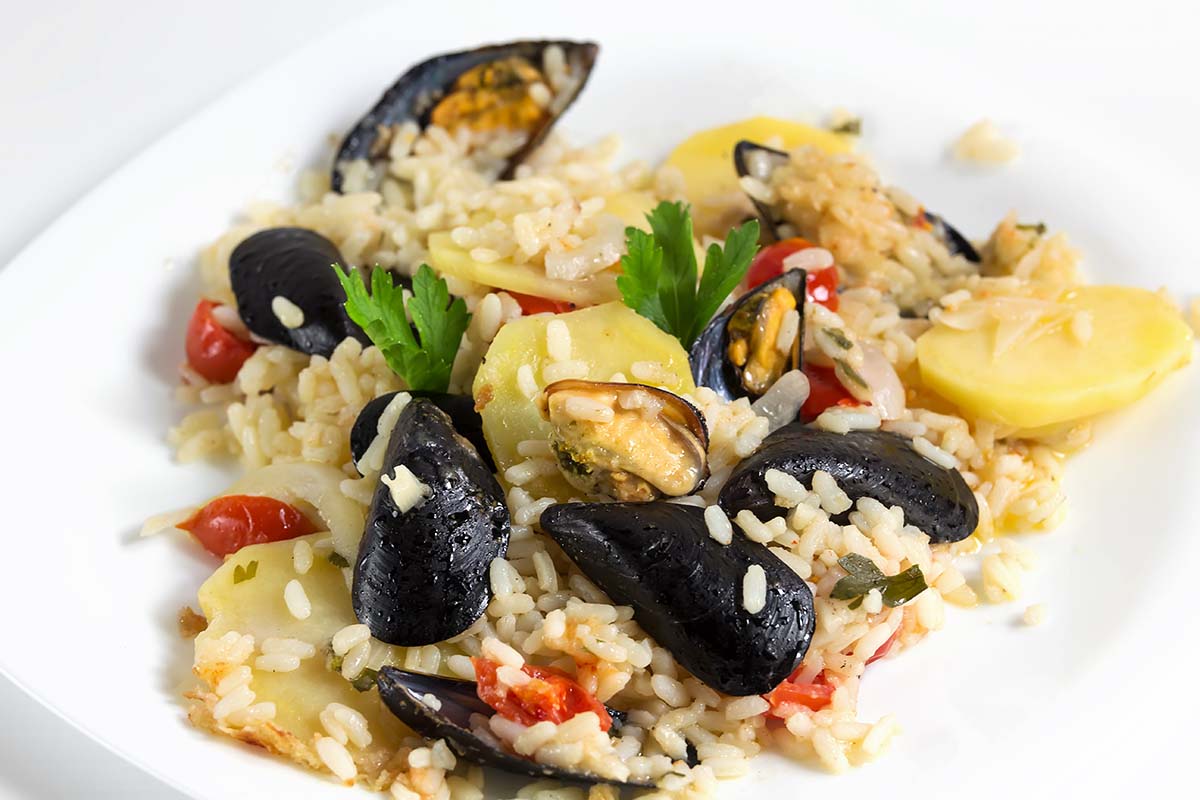
If you’re a food enthusiast like me, planning your vacations around amazing eats is the way to go, and it’s becoming more popular than ever.
Let me share how my first gastronomy tourism adventure in Italy completely changed my outlook on travel.
Exploring the soul of Italy was nothing short of life-changing.
From the rustic charm of Puglia to the whitewashed beauty of Ostuni and the vibrant streets of Bari, every bite was an experience in itself.
The richness of Italian cuisine—beyond just the famous pasta, pizza, and gelato—opened my eyes to a new way of traveling.
Now, I can’t imagine a trip that doesn’t revolve around food.
Italy is just the beginning.
Japan offers a culinary journey through traditional dishes like sushi, ramen, and tempura, each crafted with precision and care.
Then there’s Spain, where the lively tapas bars, fragrant paella, and refreshing sangria make it a top destination for food lovers.
Let’s not forget Thailand, where the street food scene is legendary. Dishes like pad thai and green curry serve bold flavors that will leave your taste buds dancing.
Each of these destinations offers a unique gastronomic adventure, a chance to dive deep into the local food culture and come away with more than just a full belly—these experiences stay with you long after the trip is over. For me, food isn’t just a part of travel; it’s the heart of it, and it can be for you too.
Immersive Food Tours and Classes

Immersive food tours and cooking classes are quickly becoming essential experiences for travelers who crave unique culinary adventures.
These opportunities allow you to dive deep into local cuisines, learn traditional cooking techniques, and savor authentic flavors in a hands-on way.
When we visited Rome, we took a pasta and tiramisu cooking class, and it turned out to be one of the best experiences of my life.
There was something truly special about rolling out fresh pasta dough in the heart of Italy and crafting a perfect tiramisu under the guidance of a local chef.
But it wasn’t just about the food—it was about connecting with people from all over the world who shared the same passion for cooking and culture.
These experiences let you fully immerse yourself in the vibrant food culture of your destination.
Whether you’re joining a cooking class, exploring bustling food markets, or tasting a variety of regional dishes, you’re not just a visitor—you’re a participant.
And the best part? You’re doing it alongside fellow travelers, making connections that often last long after the trip is over.
For food enthusiasts or anyone looking to expand their culinary skills and make new friends, these immersive food tours and classes offer an exciting way to connect with a place and its people through shared gastronomic delights.
The Influence of Local Cuisine on Tourism

Local cuisine has a significant impact on tourism, driving more travelers to choose destinations based on their food offerings.
The flavors and specialties of a region play a crucial role in attracting visitors looking to immerse themselves in the local culinary experience.
Authentic dishes that highlight the unique ingredients and cooking techniques of a place can create a lasting impression on tourists.
Additionally, food markets, culinary tours, and cooking classes are becoming popular activities for travelers seeking to explore a destination’s gastronomic culture.
Benefits of Integrating Food into Travel Itineraries
Integrating food into your travel plans can enhance your overall experience. It allows you to immerse yourself in the local culture, savor authentic flavors, and discover unique dishes.
By exploring local cuisine, you can expand your palate, try new foods, and create lasting memories.
Additionally, food-focused travel offers the opportunity to connect with locals, learn about their culinary traditions, and gain a deeper understanding of the destination’s history and heritage.
Supporting Local Communities Through Gastronomy Tourism

Gastronomy tourism helps local communities by boosting their economies.
When travelers choose to explore destinations based on their food, they contribute to the livelihoods of local farmers, producers, and restaurants.
By dining at local establishments and purchasing regional products, tourists support the sustainability of the community’s culinary traditions and businesses.
This form of tourism positively impacts the local economy while offering visitors a unique cultural experience centered around food.
Embracing the Culture and Flavors of a Destination
When you travel to a new place, embracing the local culture and flavors can add a unique touch to your experience.
By trying local dishes and drinks, you immerse yourself in the traditions and stories of the destination.
Food is a powerful way to connect with a place and its people, allowing you to taste the essence of a culture.
Exploring the culinary scene and savoring traditional dishes can provide insights into the history, lifestyle, and values of the locals.
Food can be a gateway to understanding a destination beyond its landmarks, creating memories that linger long after your trip is over.