
Is It Safe to Travel During Pregnancy? Doctor Approved Tips You’ll Be Glad You Read
✨ Key Points
- Pregnancy doesn’t mean staying home—smart, well-planned travel can boost mood, lower stress, and support emotional well-being.
- A doctor’s green light is non-negotiable, especially in the first and third trimesters—safety always comes first.
- Details matter: transport, climate, insurance, and medical access can make or break a pregnancy-friendly trip.
The period of expecting a child is a time of major change, but that doesn’t mean you have to give up the usual joys of life—including travel.
In fact, when done thoughtfully, travel during pregnancy can be both safe and emotionally rewarding.
If you’re exploring the topic “Pregnancy and travel: what you need to know,” it’s helpful to understand that travel during pregnancy is not only possible, but often beneficial for emotional well-being.
Research in maternal health consistently shows that lower stress levels during pregnancy are linked to better outcomes for both mother and baby.
Some studies suggest that stress reduction can lower the risk of complications such as high blood pressure and sleep disturbances during pregnancy.
The key is approaching travel wisely and cautiously.
Many modern women wonder how to stay active while still protecting their health and their baby’s safety.
According to obstetric guidelines, the majority of uncomplicated pregnancies allow for travel especially during the second trimester when energy levels are higher and pregnancy-related discomforts are typically reduced.
Real-world experience also supports this.
Surveys of expectant mothers show that those who take planned, doctor-approved trips often report improved mood, reduced anxiety, and a stronger sense of emotional balance.
A well-planned trip can provide positive mental stimulation, a break from daily stress, and even serve as gentle psychological preparation for the transition into motherhood.
With the right planning, medical guidance, and attention to comfort and safety, travel during pregnancy can be a meaningful and restorative experience rather than a risky one.
The importance of medical consultation
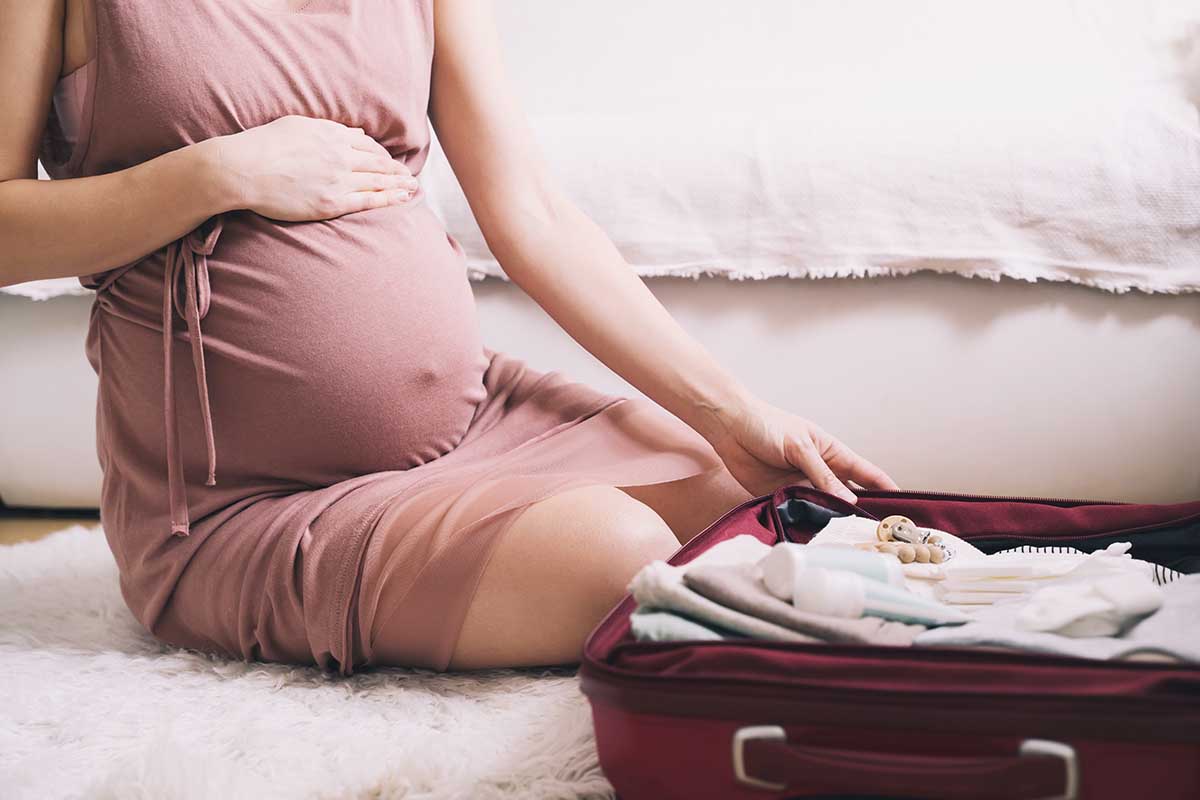
The first and most important item on the agenda for any trip should be a visit to the doctor.
This rule is absolutely mandatory, especially if the trip is planned for the first or third trimester of pregnancy.
Your obstetrician-gynecologist will be able to professionally assess the current state of your body, rule out possible contraindications, and determine the admissibility of traveling on your chosen dates.
The doctor will analyze the course of pregnancy, test results, and overall well-being.
The comfort of the woman during the trip and the safety of the unborn child directly depend on this conclusion.
When planning your route, you need to consider many factors:
- Duration of the trip How long will you be traveling and how long will the vacation itself last?
- Type of transport How safe and comfortable is it for a pregnant woman?
- Climatic conditions Avoid extreme heat or cold.
- Medical infrastructure How developed is the medical system in the country or city of destination?
- Insurance Is there specialized insurance for pregnant women?
- Sanitary conditions Access to clean water and safe food.
How to fly safely
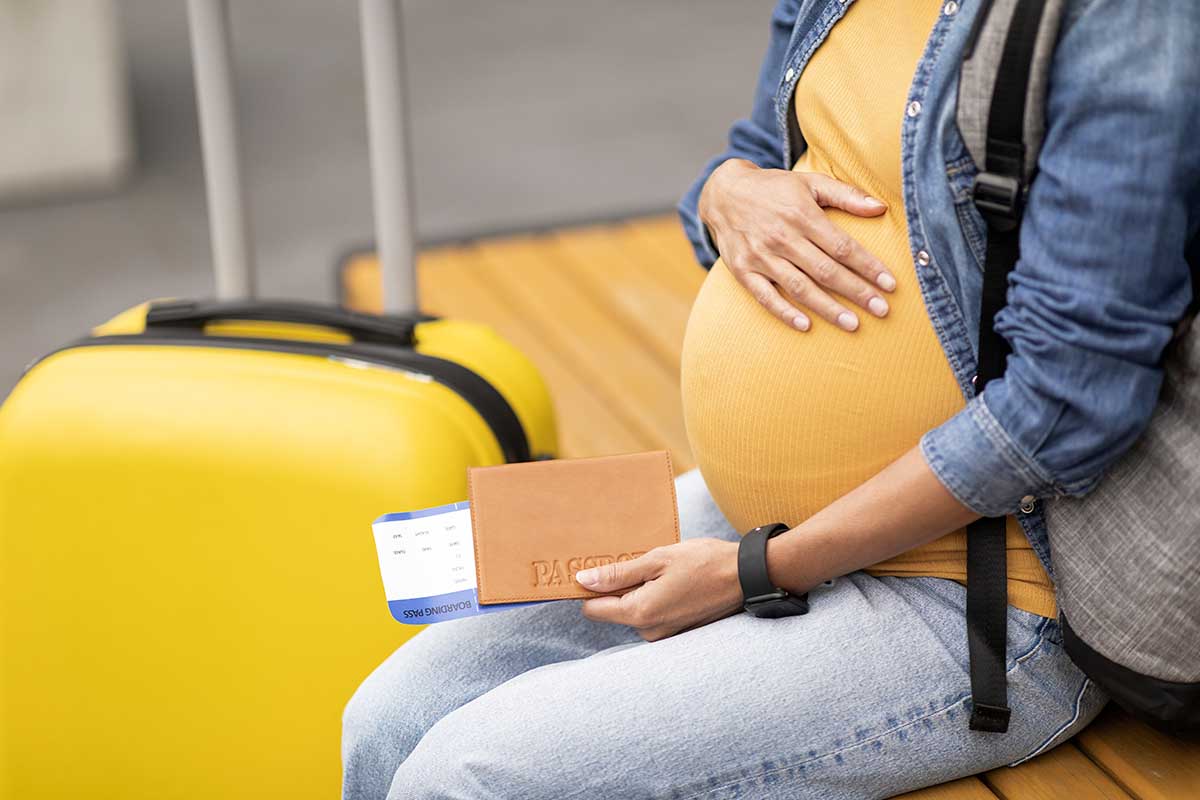
Air transport is rightly considered the fastest and most convenient way to cover long distances.
However, flying can be stressful for a pregnant woman’s body.
Pressure changes during takeoff and landing, dry air in the cabin, limited space, and the need to sit in one position for a long time require special attention and preparation.
Vascular health
It is extremely important to assess the condition of the vascular system before flying.
If a woman has varicose veins, a tendency to severe swelling, or hypertension, the issue of air travel should be discussed in detail with her doctor.
In situations where there is a risk of miscarriage, lower abdominal pain, or unusual discharge, flying should be categorically avoided in favor of a more relaxed routine.
The ideal time for flying
The second trimester of pregnancy (from the 14th to the 28th week) is often considered the “gold standard” for travel.
By this stage, the body has usually adapted to pregnancy.
Morning sickness tends to fade, energy levels improve, and the growing belly is still small enough to allow comfortable movement without significant strain on the back or neck.
For added comfort during long flights or car rides, using proper support such as a bolster pillow that can relieve neck and back pain and may help reduce tension and improve posture while sitting.
It’s also important to remember airline policies when planning your trip.
Many carriers require a doctor’s note confirming the stage of pregnancy and expected due date.
In addition, most airlines may refuse boarding for women who are 36 weeks pregnant (or 32 weeks in the case of multiple pregnancies), as the risk of in-flight labor increases significantly.
Tips for a comfortable flight
- Choosing a seat Try to book an aisle seat. This will allow you to get up easily to stretch your legs or visit the restroom.
- Hydration The air in the plane is very dry, so drink plenty of clean, non-carbonated water. It is best to avoid soda and coffee.
- Food Avoid heavy meals before and during the flight.
- Activity Try to get up and walk around the cabin every hour to get your blood flowing. Do simple foot exercises while sitting in your seat.
- Clothing Choose loose-fitting, breathable clothing and comfortable shoes. Wearing compression stockings will help prevent swelling and reduce the risk of thrombosis.
Car and bus
Car trips
Traveling by private car offers freedom and comfort, especially if the route is not too long and the woman is feeling well.
The main rule here is to avoid blood stagnation in the pelvis and legs.
Do not stay in the same position for long periods of time. It is recommended to stop every 60-90 minutes, get out of the car, breathe fresh air, and do some light exercises.
The ideal scenario is to have someone else (husband or relative) driving.
This will allow the pregnant woman to sit in the passenger seat with maximum comfort.
Adjust the backrest angle, use a small pillow under your lower back, and keep a supply of water handy.
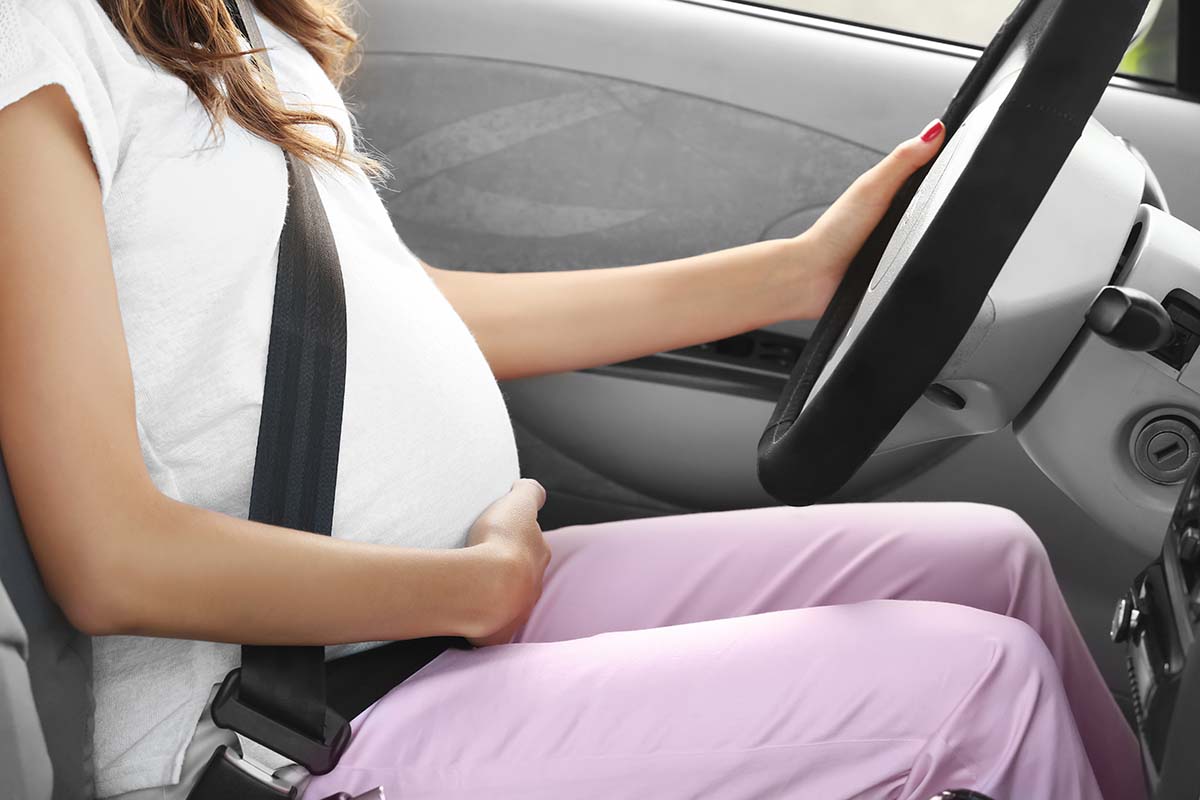
Seat belts are critically important, especially for women dealing with a surprise pregnancy who may still be adjusting to new safety considerations.
The belt should pass strictly under the abdomen (across the pelvic area) and over the chest, and it should never press directly on the abdomen itself.
Bus tours
Long bus trips are less preferable for expectant mothers.
Often, buses do not have enough legroom, ventilation is limited, and the shaking can be tiring.
However, for a short trip in modern, comfortable transport and if you are feeling well, this option is quite acceptable.
Where to find harmony
You don’t have to travel far to “reset.”
For an expectant mother, the main goal of rest is peace, recovery, and balance, all of which can be part of creating a family wellness plan that supports both physical and emotional health.
Simple, accessible options often work best:
- Walks in quiet parks or along the seashore;
- Short trips to calm, nature-based locations;
- Visits to wellness centers with medical supervision;
- Gentle spa treatments designed for pregnancy.
Even a short break can make a real difference helping to normalize sleep, reduce anxiety, and restore energy.
The key is moderation.
Avoid overexertion and focus on environments that feel safe and calming.
When creating a family wellness plan, prioritize:
- Safety and medical support
- Comfort and low-stress environments
- Opportunities to slow down and recharge
Because real recovery doesn’t come from distance, it comes from choosing what truly helps you feel at ease.
Additional precautions
Safety should be paramount. Before traveling, be sure to take the following steps:
- Medical reconnaissance Find out the addresses of clinics and maternity hospitals in your destination. Check the local emergency services.
- Documents Always carry your exchange card and identity documents with you.
- First aid kit Put together a travel first aid kit with medications approved by your doctor, as well as your regular medications and vitamins.
- Insurance Take out comprehensive medical insurance covering the risks of pregnancy and premature birth.
- Schedule Don’t overload your travel itinerary. Choose one or two locations and leave enough time for passive rest.
Medical tourism as a step towards motherhood
Interestingly, for many women, travel is not just a vacation, but an important step on the path to pregnancy.
More and more couples are combining their vacations with medical purposes such as reproductive health consultations, infertility diagnostics, or the start of treatment protocols.
In this context, countries with advanced reproductive medicine, such as Spain, are particularly popular.
Here, top-class medical services are offered, from basic diagnostics to complex IVF programs.
Combining business with pleasure reduces the stress that often accompanies infertility treatment.
Receiving qualified assistance in the relaxing atmosphere of a resort helps you take a confident step towards your dream of having a child.
One of the best options for realizing such plans is to contact the Natuvitro reproductive medicine clinic.
The experienced specialists at this clinic will help you choose an individual treatment program and provide comprehensive support at every stage.
Pregnancy is a unique and magical period that requires careful attention to yourself.
Travel, if carefully planned and approved by your doctor, can be a powerful source of joy and inspiration.
The main thing is to listen to your body and enjoy the moment.
Frequently Asked Questions
- Is it dangerous to walk through metal detectors at the airport? Modern metal detectors and scanners at airports are considered safe for pregnant women, as they use a low-frequency electromagnetic field. If you are concerned, you can always ask security personnel to conduct a manual inspection.
- Do I need to get vaccinated before traveling to exotic countries? Most vaccines with live viruses are contraindicated during pregnancy. It is better to postpone trips to countries with a high risk of infectious diseases. Always consult with an infectious disease doctor before choosing a destination.
- What to do if you experience morning sickness while traveling? Try to always have water, mint candies, crackers, or lemon slices with you. Eat often, but in small portions. Avoid strong smells and stuffy rooms. If vomiting becomes frequent and you cannot drink water, you must urgently seek medical attention to avoid dehydration.
- Can pregnant women sunbathe? Moderate exposure to the sun is beneficial for vitamin D production, but you need to be careful. Pregnant women’s skin is prone to pigmentation. Use sunscreen with a high SPF of 50+, wear a hat, and stay in the shade during peak sun hours from 11 a.m. to 4 p.m. Overheating is also dangerous, so avoid lying in the sun for long periods of time.