What Happens When You Start Living an Analog Life
✨ Key Points
- Analog life – real, tactile moments interrupt endless scrolling and give your brain the recovery it has been missing.
- Less dopamine from alerts often means clearer focus, calmer thinking, and space for creativity to return.
- When you choose analog habits, attention stabilizes, focus lasts longer, relationships grow deeper, and your work begins to feel grounded and real again.
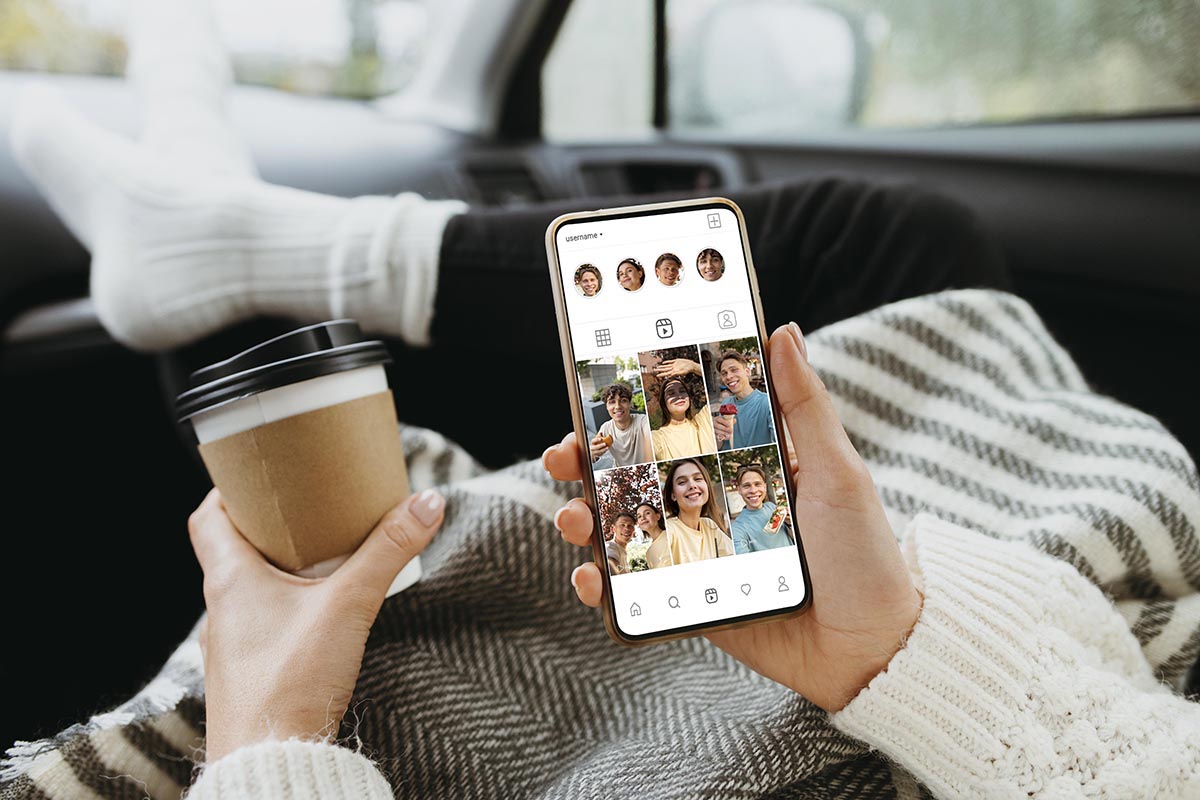
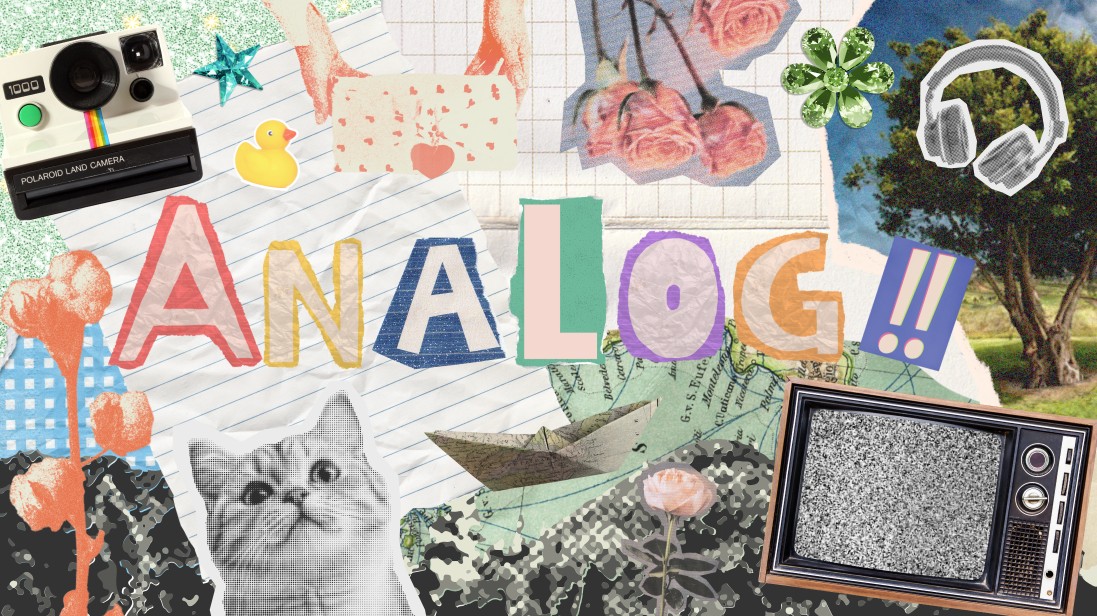
One of the strongest shifts I keep noticing in digital culture is the rise of analog living, and I felt almost pulled toward it because my brain was simply exhausted from doom-scrolling.
The idea is surprisingly simple.
It means living closer to how we imagined adulthood in the 90s, when technology existed but didn’t quietly swallow every free minute of attention.
More and more American Gen Z and Millennials are returning to activities that feel slower and physical, such as:
- reading newspapers
- walking without headphones or choosing wired ones
- doing puzzles
- knitting or crocheting
- reading paper books
- writing letters
- developing film photos
- playing board games
- collecting vinyl
- cooking from printed recipes
- calling friends instead of texting
At the same time, vintage culture is booming.
People are not only buying old cameras, radios, watches, and furniture, but also restoring them, repairing them, and learning how they work, giving objects a second life instead of replacing them with something faster.
In many ways, this is a replacement of digital experiences with tactile ones.
Instead of endlessly swiping glass, people choose things they can actually hold.
Analog means interacting with something real, something that doesn’t require:
- screens
- logins
- passwords
- updates
- notifications
- or infinite feeds that somehow steal hours without giving much back
From the outside, it can look like nostalgia or another aesthetic wave, yet when you begin practicing it, the feeling is closer to relief than style.
What surprised me most was not how cinematic it appeared, but how quickly my nervous system responded, almost as if my body had been waiting for permission to slow down and return to a rhythm it understands.
Dopamine, Digital Overload, and the Age of Indulgence
Over the past few years of living in a fast-scrolling world, I began to notice how much my focus had changed and how the fear of missing out started to feel almost physical.
I work remotely and depend on the internet, so stepping away never seemed realistic, yet I could clearly see how easily I was drawn toward quick validation or small emotional rewards that arrived with almost no effort.
For me, it often looked like:
- refreshing feeds without a real reason;
- checking notifications I had just checked;
- browsing products I didn’t need
- reaching for distraction the moment silence appeared
Once I began observing this pattern, my behavior became uncomfortable to watch, and that discomfort slowly pushed me toward slower routines, longer reading, and topics that required depth instead of reaction.
Reading Dopamine Nation helped me understand that this wasn’t a personal weakness. Dr. Anna Lembke describes a modern environment where rewards are:
- constant;
- immediate;
- intense;
- always available.
Much stronger than what our brains evolved to handle.
Notifications, likes, short videos, and infinite feeds create quick hits of pleasure that build loops, bringing us back even when we are already exhausted.
Neuroscience shows that these interactions activate the same pathways associated with addiction, which explains why intention alone often loses.
I remember feeling relieved recognizing this dynamic not only in myself but also in friends, because our shared fatigue finally had a language.
Instead of blaming discipline, I started to see chemistry, overstimulation, and a nervous system asking, quite reasonably, for recovery.
I started noticing how even our surroundings could either intensify the pressure or help soften it, which is why ideas like dopamine interior design began to make more sense to me as practical tools rather than aesthetic trends.
What once looked like laziness started to feel like the brain trying to survive.
Why Analog Experiences Feel So Good
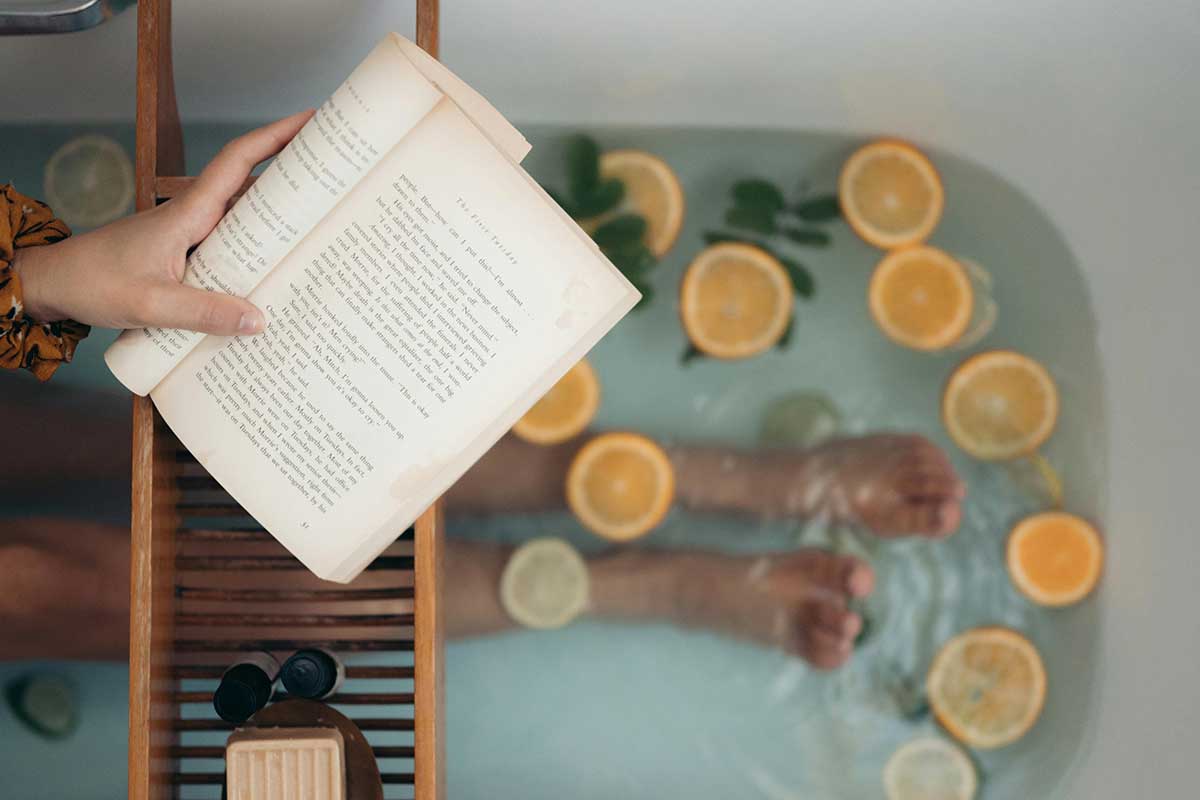
Analog living returns predictable sensory input like touch, texture, and real sound, and unlike digital stimulation, it doesn’t constantly compete for attention.
This may be why digital nomads and creatives are escaping to nature for a mental reset, gravitating toward spaces that restore balance rather than demand respond.
When screen noise decreases, the nervous system leaves fight-or-flight mode and the brain can regulate itself again.
Instead of permanent reaction, you regain the ability to reflect.
People who adopt analog habits commonly notice:
- Better sleep;
- Deeper focus;
- Less anxiety;
- More original thinking;
- Greater satisfaction in simple moments.
This is not nostalgia; research shows that reducing screen exposure improves emotional regulation, which directly supports wellbeing and helps people understand how to live an analog life in practical, everyday ways
In the language of Dopamine Nation, frequent artificial rewards push the brain toward compulsive consumption rather than balance.
Analog experiences interrupt that cycle and restore a steadier, more sustainable form of pleasure.
Examples of Analog Choices to Try
Analog living looks different for everyone, but many people exploring how to live a more analog life are integrating simple practices that feel realistic, enjoyable, and sustainable in everyday routines.
Analog Morning Ritual
Instead of starting the day with a phone, choose a physical newspaper or a printed magazine.
Holding paper slows perception and allows the brain to wake up without immediate reaction, setting a calmer emotional tone for the hours ahead.
Walking Without Audio
Take a walk without podcasts or playlists and allow natural sound to fill the space.
After the initial discomfort fades, attention returns to wind, traffic, and movement around you, which gently restores presence.
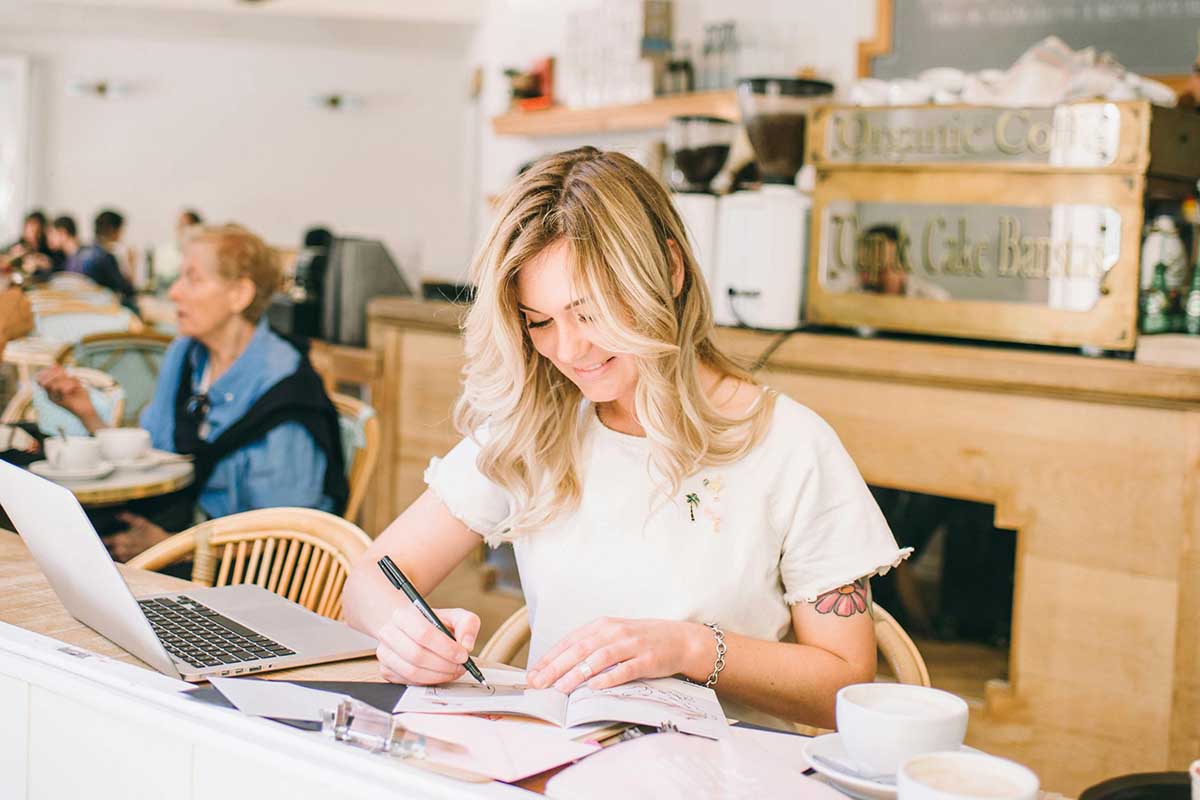
Reading in a Coffee Shop
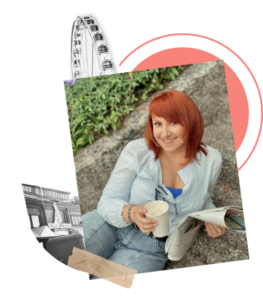
Bring a paper book to a café and let reading become the main event rather than background decoration.
Without notifications competing for attention, stories deepen, time stretches, and the experience feels immersive instead of fragmented.
Thrift Store Exploration
Visit a thrift or vintage store without a specific shopping mission and allow curiosity to guide you toward objects with history.
Searching for something unique replaces algorithmic recommendation with personal discovery, which makes the reward feel earned and memorable.
Hands-On Hobbies
Activities like puzzles, knitting, drawing, or journaling replace algorithmic stimulation with skill, texture, and gradual progress.
There are no metrics, no feeds, and no performance, only the quiet satisfaction of doing something with your hands.
The Carrie Bradshaw Principle
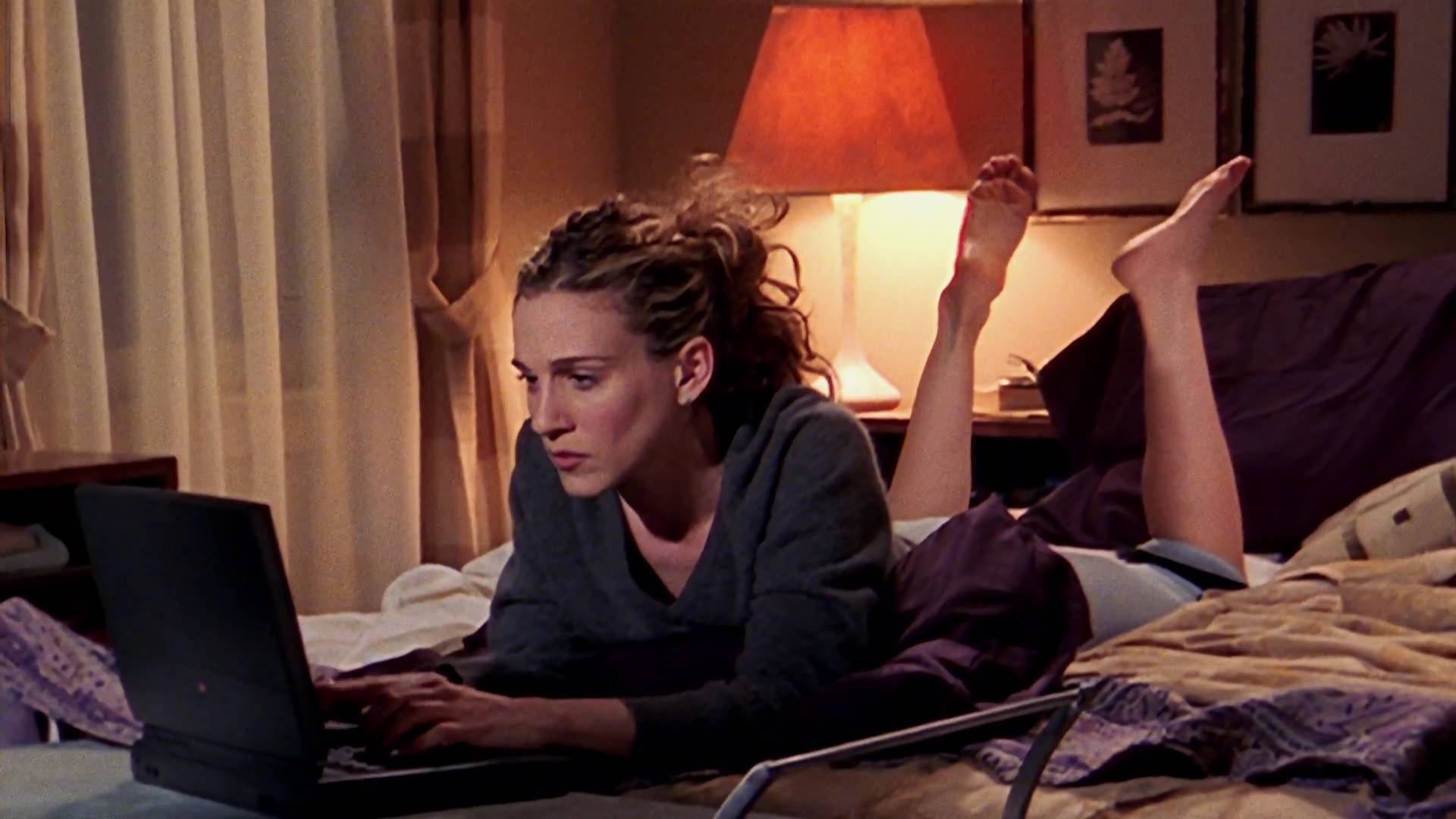
A helpful metaphor for analog proportion comes from Sex and the City, where Carrie Bradshaw used a laptop to write but the narrative always unfolded in conversations, friendships, and city streets.
Technology supported life, yet it never replaced it. Analog living restores this hierarchy by returning digital tools to their original role as assistants rather than environments.
We Recognize AI Content, but We Crave Real Voices an Hate AI
The more generative content takes over headlines, captions, and articles, the more people admit that it just doesn’t feel good anymore.
We can spot AI from a mile away, and even though we continue to use it, publish it, and enjoy the speed, we are also deeply tired of consuming it.
Everything can be correct, structured, and polished, yet it often arrives without lived experience, without real value, and without the personality spark that makes you stop and feel like you want to share it with a friend.
What we are truly searching for has not changed, because we still want ideas, direction, and inspiration, but now we want them to come from someone who has actually been there, tried it, failed, adjusted, and understood.
Information today is unlimited, but meaning feels diluted, since so much of what reaches us is optimized for attention instead of connection.
Analog experiences interrupt this pattern by giving the brain reality rather than performance, which shifts satisfaction away from metrics and back toward presence.
No wonder exhaustion feels collective, because this is not simply about being tired; it is a reward system that has been stretched too far for too long.
Why Analog Life Is the Best Way to Reconnect With Yourself Today
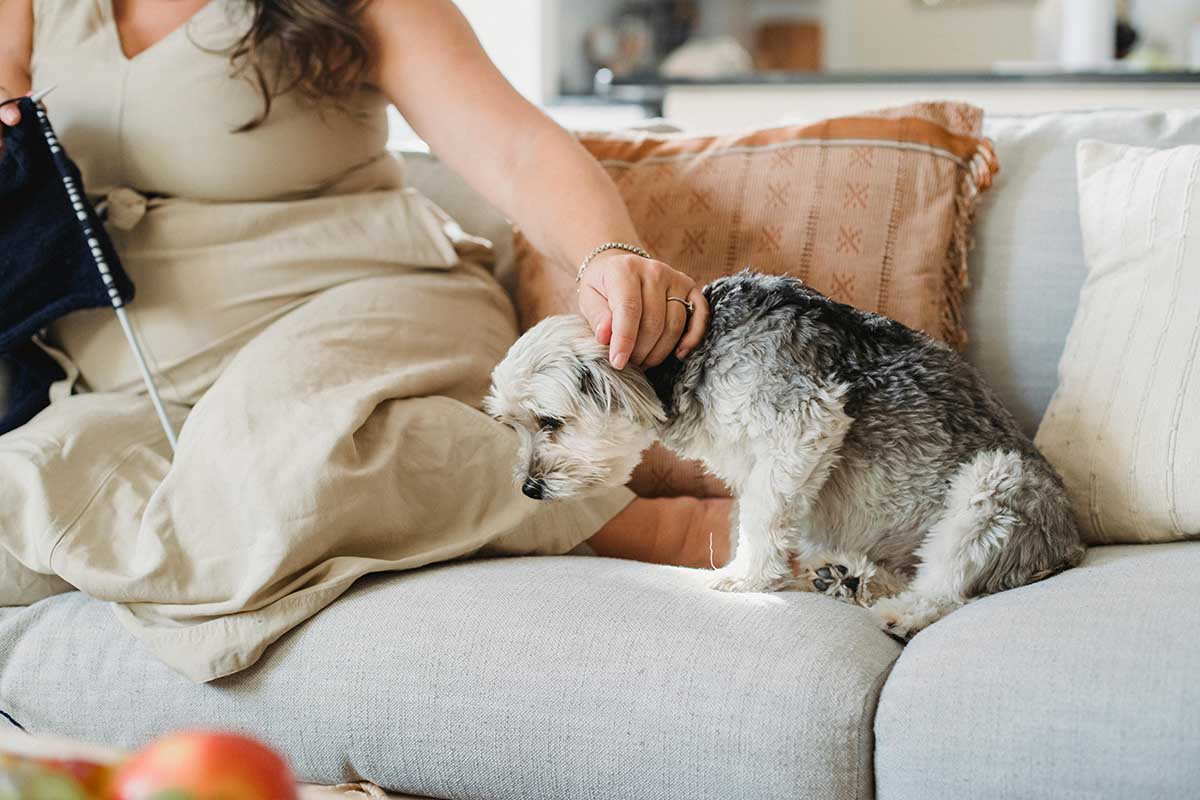
Analog living is not a rejection of progress; it is a reminder that even inside a digital world we still have the ability to choose how we participate in it.
My experience showed me that a complete escape from screens is unrealistic when work, communication, and opportunity exist online, yet small decisions like reading before bed, solving puzzles, or searching for something meaningful in a thrift store can immediately change how the body and mind feel.
I began consuming less and selecting more carefully, and this shift influenced not only my evenings but also my professional life.
Instead of producing more noise, I started going deeper, writing from real experience, investing time in understanding topics, speaking with friends, and valuing perspective over speed.
The same change happened in how I look at audiences and companies, because my attention moved toward what people truly need rather than what can temporarily capture them.
Technology will continue to evolve, and the world might transform again faster than we expect, but right now our mental health, our relationships, and the trust of the people we hope to serve remain the most valuable assets we have.
We may not control the future of platforms, algorithms, or artificial intelligence, but we can control the quality of presence we bring into our communication.
Understanding how brands can use the analog life trend to stand out means choosing depth, honesty, and lived experience over speed and automation.
When companies slow the message down and make it more human, they create something people remember.
Sometimes returning to something simple, tangible, and real becomes the most progressive step forward.